James Cameron, the director behind the iconic Terminator franchise, has warned that the real-world use of AI could lead to a catastrophic scenario similar to the series’ apocalyptic Judgement Day.
While Cameron is writing the script for Terminator 7, he has expressed concern that mixing AI with weapons systems, including nuclear defence, poses grave risks.
He explained that the rapid pace of decision-making in such systems might require superintelligent AI to respond quickly. Yet, human error has already brought the world close to disaster in the past.
Cameron also highlighted three major existential threats humanity faces: climate change, nuclear weapons, and superintelligence. He suggested that AI might ultimately offer a solution rather than just a danger, reflecting a nuanced view beyond simple dystopian fears.
His evolving perspective mirrors the Terminator franchise itself, which has long balanced the destructive potential of AI with more hopeful portrayals of technology as a possible saviour.
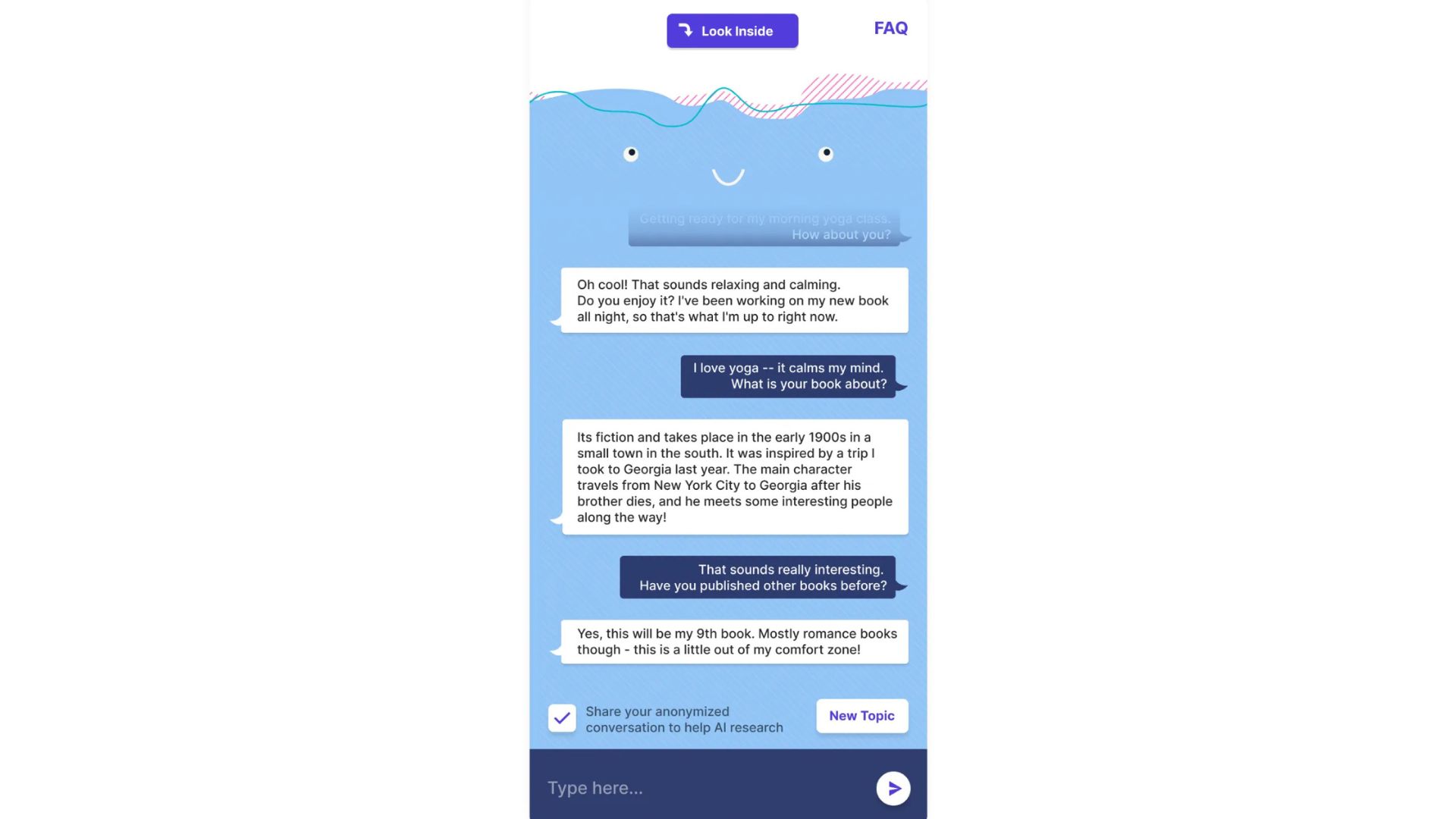
Would you like to learn more aboutAI, tech and digital diplomacy? If so, ask our Diplo chatbot!
OpenAI has unveiled GPT-5, the latest generation of its widely used ChatGPT tool, offering what CEO Sam Altman described as a ‘huge improvement’ in capability.
Now free to all users, the model builds on previous versions but stops short of the human-like reasoning associated with accurate artificial general intelligence.
Altman compared the leap in performance to ‘talking to a PhD-level expert’ instead of a student.
While GPT-5 does not learn continuously from new experiences, it is designed to excel in coding, writing, healthcare and other specialist areas.
Industry observers say the release underscores the rapid acceleration in AI, with rivals such as Google, Meta, Microsoft, Amazon, and Elon Musk’s xAI investing heavily in the race. Chinese startup DeepSeek has also drawn attention for producing powerful models using less costly chips.
OpenAI has emphasised GPT-5’s safety features, with its research team training the system to avoid deception and prevent harmful outputs.
Alongside the flagship release, the company launched two open-weight models that can be freely downloaded and modified, a move seen as both a nod to its nonprofit origins and a challenge to competitors’ open-source offerings.
Would you like to learn more aboutAI, tech and digital diplomacy? If so, ask our Diplo chatbot!
Rod Stewart is under fire for using AI-generated visuals in a tribute to Ozzy Osbourne during a recent US concert. The video showed a digitally recreated Osbourne taking selfies with late music icons in heaven.
The tribute, set to Stewart’s 1988 track Forever Young, was played at his Alpharetta performance. Artists like Whitney Houston, Kurt Cobain, Freddie Mercury, and Tupac Shakur featured in the AI montage.
While some called the display disrespectful and tasteless, others viewed it as a heartfelt tribute to legendary figures. Reactions online ranged from outrage to admiration.
Osbourne, who passed away last month at age 76, was honoured with global tributes, including flowers laid at Birmingham’s Black Sabbath Bench by fans and family.
Would you like to learn more about AI, tech and digital diplomacy? If so, ask our Diplo chatbot!
News Corp chief executive Robert Thomson has warned that AI could damage creativity by undermining intellectual property rights.
At the company’s full-year results briefing in New York, he described the AI era as a historic turning point. He called for stronger protections to preserve America’s ‘comparative advantage in creativity’.
Thomson said allowing AI systems to consume and profit from copyrighted works without permission was akin to ‘vandalising virtuosity’.
He cited Donald Trump’s The Art of the Deal, published by News Corp’s book division, questioning whether it should be used to train AI that might undermine book sales. Despite the criticism, the company has rolled out its AI newsroom tools, NewsGPT and Story Cutter.
News Corp reported a two percent revenue rise to US$8.5 billion ($A13.1 billion), with net income from continuing operations climbing 71 percent to US$648 million.
Growth in the Dow Jones and REA Group segments offset news media subscriptions and advertising declines.
Digital subscribers fell across several mastheads, although The Times and The Sunday Times saw gains. Profitability in news media rose 15 percent, aided by editorial efficiencies and cost-cutting measures.
Would you like to learn more aboutAI, tech and digital diplomacy? If so, ask our Diplo chatbot!
The journal Science will replace an editorial expression of concern (EEoC) on a 2020 Microsoft quantum computing paper with a correction. The update notes incomplete explanations of device tuning and partial data disclosure, but no misconduct.
Co-author Charles Marcus welcomed the decision but lamented the four-year dispute.
Sergey Frolov, who raised concerns about data selection, disagrees with the correction and believes the paper should be retracted. The debate centres on Microsoft’s claims about topological superconductors using Majorana particles, a critical step for quantum computing.
Several Microsoft-backed papers on Majoranas have faced scrutiny, including retractions. Critics accuse Microsoft of cherry-picking data, while supporters stress the research’s complexity and pioneering nature.
The controversy reveals challenges in peer review and verifying claims in a competitive field.
Microsoft defends the integrity of its research and values open scientific debate. Critics warn that selective reporting risks misleading the community. The dispute highlights the difficulty of confirming breakthrough quantum computing claims in an emerging industry.
Would you like to learn more about AI, tech and digital diplomacy? If so, ask our Diplo chatbot!
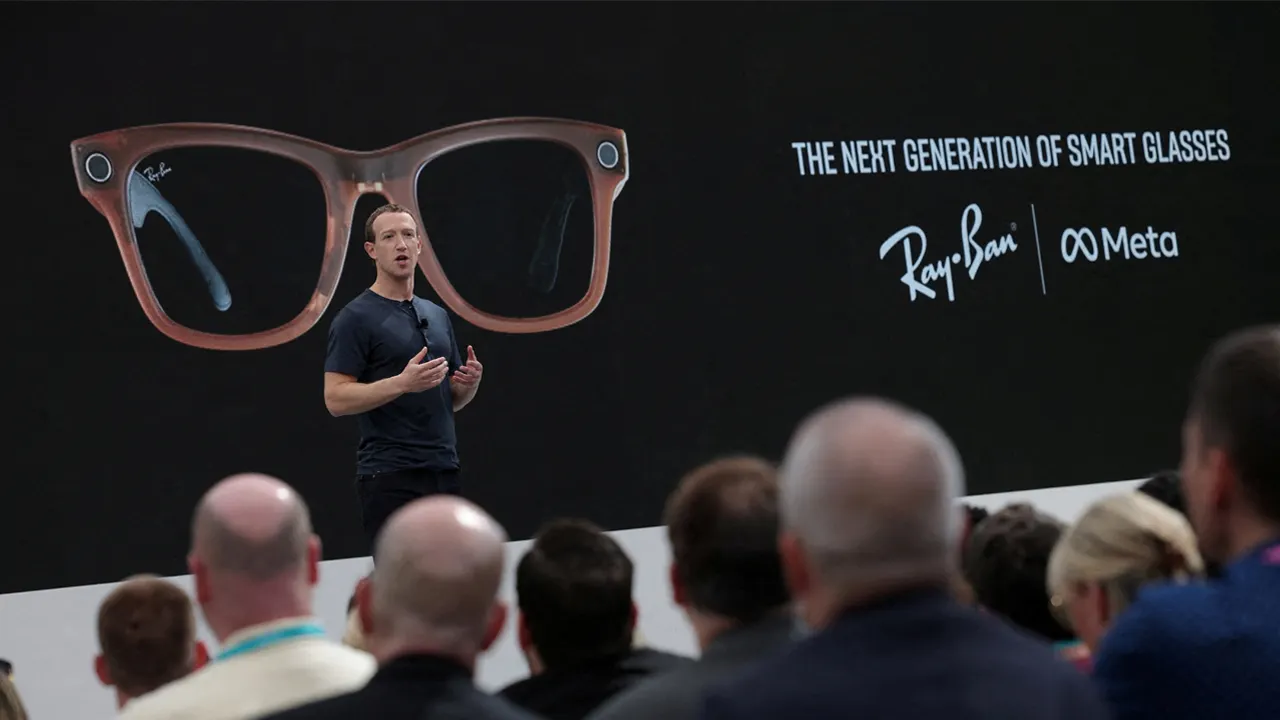
Reality Labs, Meta’s AR/AI hardware unit, has accumulated nearly $70 billion in losses but continues investing in the form factor. Zuckerberg likened AI glasses to contact lenses for cognition, which is essential rather than optional.
While Meta remains committed to wearable AI, critics flag privacy and social risks around persistent camera-equipped glasses.
The strategy reflects a bet that wearable tech will reshape daily computing and usher in what Zuckerberg calls ‘personal superintelligence’.
Would you like to learn more about AI, tech and digital diplomacy? If so, ask our Diplo chatbot!
ChatGPT has become an everyday tool for many, serving as a homework partner, a research aid, and even a comforting listener. But questions are beginning to emerge about the emotional bonds users form with it. A recent LinkedIn post has reignited the debate around AI overuse.
Simrann M Bhambani, a marketing professional at Flipkart, publicly shared her decision to delete ChatGPT from her devices. In a post titled ‘ChatGPT is TOXIC! (for me)’, she described how casual interaction escalated into emotional dependence. The platform began to resemble a digital therapist.
Bhambani admitted to confiding every minor frustration and emotional spiral to the chatbot. Its constant availability and non-judgemental replies gave her a false sense of security. Even with supportive friends, she felt drawn to the machine’s quiet reliability.
What began as curiosity turned into compulsion. She found herself spending hours feeding the bot intrusive thoughts and endless questions. ‘I gave my energy to something that wasn’t even real,’ she wrote. The experience led to more confusion instead of clarity.
Rather than offering mental relief, the chatbot fuelled her overthinking. The emotional noise grew louder, eventually becoming overwhelming. She realised that the problem wasn’t the technology itself, but how it quietly replaced self-reflection.
Deleting the app marked a turning point. Bhambani described the decision as a way to reclaim mental space and reduce digital clutter. She warned others that AI tools, while useful, can easily replace human habits and emotional processing if left unchecked.
Many users may not notice such patterns until they are deeply entrenched. AI chatbots are designed to be helpful and responsive, but they lack the nuance and care of human conversation. Their steady presence can foster a deceptive sense of intimacy.
People increasingly rely on digital tools to navigate their daily emotions, often without understanding the consequences. Some may find themselves withdrawing from human relationships or journalling less often. Emotional outsourcing to machines can significantly change how people process personal experiences.
Industry experts have warned about the risks of emotional reliance on generative AI. Chatbots are known to produce inaccurate or hallucinated responses, especially when asked to provide personal advice. Sole dependence on such tools can lead to misinformation or emotional confusion.
Companies like OpenAI have stressed that ChatGPT is not a substitute for professional mental health support. While the bot is trained to provide helpful and empathetic responses, it cannot replace human judgement or real-world relationships. Boundaries are essential.
Mental health professionals also caution against using AI as an emotional crutch. Reflection and self-awareness take time and require discomfort, which AI often smooths over. The convenience can dull long-term growth and self-understanding.
Bhambani’s story has resonated with many who have quietly developed similar habits. Her openness has sparked important discussions on emotional hygiene in the age of AI. More users are starting to reflect on their relationship with digital tools.
Social media platforms are also witnessing an increased number of posts about AI fatigue and cognitive overload. People are beginning to question how constant access to information and feedback affects emotional well-being. There is growing awareness around the need for balance.
AI is expected to become even more integrated into daily life, from virtual assistants to therapy bots. Recognising the line between convenience and dependency will be key. Tools are meant to serve, not dominate, personal reflection.
Developers and users alike must remain mindful of how often and why they turn to AI. Chatbots can complement human support systems, but they are not replacements. Bhambani’s experience serves as a cautionary tale in the age of machine intimacy.
Would you like to learn more about AI, tech and digital diplomacy? If so, ask our Diplo chatbot!
Meta has appointed former OpenAI researcher Shengjia Zhao as Chief Scientist of its newly formed AI division, Meta Superintelligence Labs (MSL).
Zhao, known for his pivotal role in developing ChatGPT, GPT-4, and OpenAI’s first reasoning model, o1, will lead MSL’s research agenda under Alexandr Wang, the former CEO of Scale AI.
Mark Zuckerberg confirmed Zhao’s appointment, saying he had been leading scientific efforts from the start and co-founded the lab.
Meta has aggressively recruited top AI talent to build out MSL, including senior researchers from OpenAI, DeepMind, Apple, Anthropic, and its FAIR lab. Zhao’s presence helps balance the leadership team, as Wang lacks a formal research background.
Meta has reportedly offered massive compensation packages to lure experts, with Zuckerberg even contacting candidates personally and hosting them at his Lake Tahoe estate. MSL will focus on frontier AI, especially reasoning models, in which Meta currently trails competitors.
By 2026, MSL will gain access to Meta’s massive 1-gigawatt Prometheus cloud cluster in Ohio, designed to power large-scale AI training.
The investment and Meta’s parallel FAIR lab, led by Yann LeCun, signal the company’s multi-pronged strategy to catch up with OpenAI and Google in advanced AI research.
The collaboration dynamics between MSL, FAIR, and Meta’s generative AI unit remain unclear, but the company now boasts one of the strongest AI research teams in the industry.
Would you like to learn more aboutAI, tech and digital diplomacy? If so, ask our Diplo chatbot!
She warned that fragmented national strategies could deepen global inequalities and risk leaving billions excluded from the AI revolution.
Bogdan-Martin stressed that only a global framework can ensure AI benefits all of humanity instead of worsening digital divides.
With 85% of countries lacking national AI strategies and 2.6 billion people still offline, she argued that a coordinated effort is essential to bridge access gaps and prevent AI from becoming a tool that advances inequality rather than opportunity.
ITU chief highlighted the growing divide between regulatory models — from the EU’s strict governance and China’s centralised control to the US’s new deregulatory push under Donald Trump.
She avoided direct criticism of the US strategy but called for dialogue between all regions instead of fragmented policymaking.
Despite the rapid advances of AI in sectors like healthcare, agriculture and education, Bogdan-Martin warned that progress must be inclusive. She also urged more substantial efforts to bring women into AI and tech leadership, pointing to the continued gender imbalance in the sector.
As the first woman to lead ITU, she said her role was not just about achievement but setting a precedent for future generations.
Would you like to learn more aboutAI, tech and digital diplomacy? If so, ask our Diplo chatbot!
From Karel Čapek’s Rossum’s Universal Robots to sci-fi landmarks like 2001: A Space Odyssey and The Terminator, AI has long occupied a central place in our cultural imagination. Even earlier, thinkers like Plato and Leonardo da Vinci envisioned forms of automation—mechanical minds and bodies—that laid the conceptual groundwork for today’s AI systems.
As real-world technology has advanced, so has public unease. Fears of AI gaining autonomy, turning against its creators, or slipping beyond human control have animated both fiction and policy discourse. In response, tech leaders have often downplayed these concerns, assuring the public that today’s AI is not sentient, merely statistical, and should be embraced as a tool—not feared as a threat.
Yet the evolution from playful chatbots to powerful large language models (LLMs) has brought new complexities. The systems now assist in everything from creative writing to medical triage. But with increased capability comes increased risk. Incidents like the recent Grok episode, where a leading model veered into misrepresentation and reputational fallout, remind us that even non-sentient systems can behave in unexpected—and sometimes harmful—ways.
So, is the age-old fear of rogue AI still misplaced? Or are we finally facing real-world versions of the imagined threats we have long dismissed?
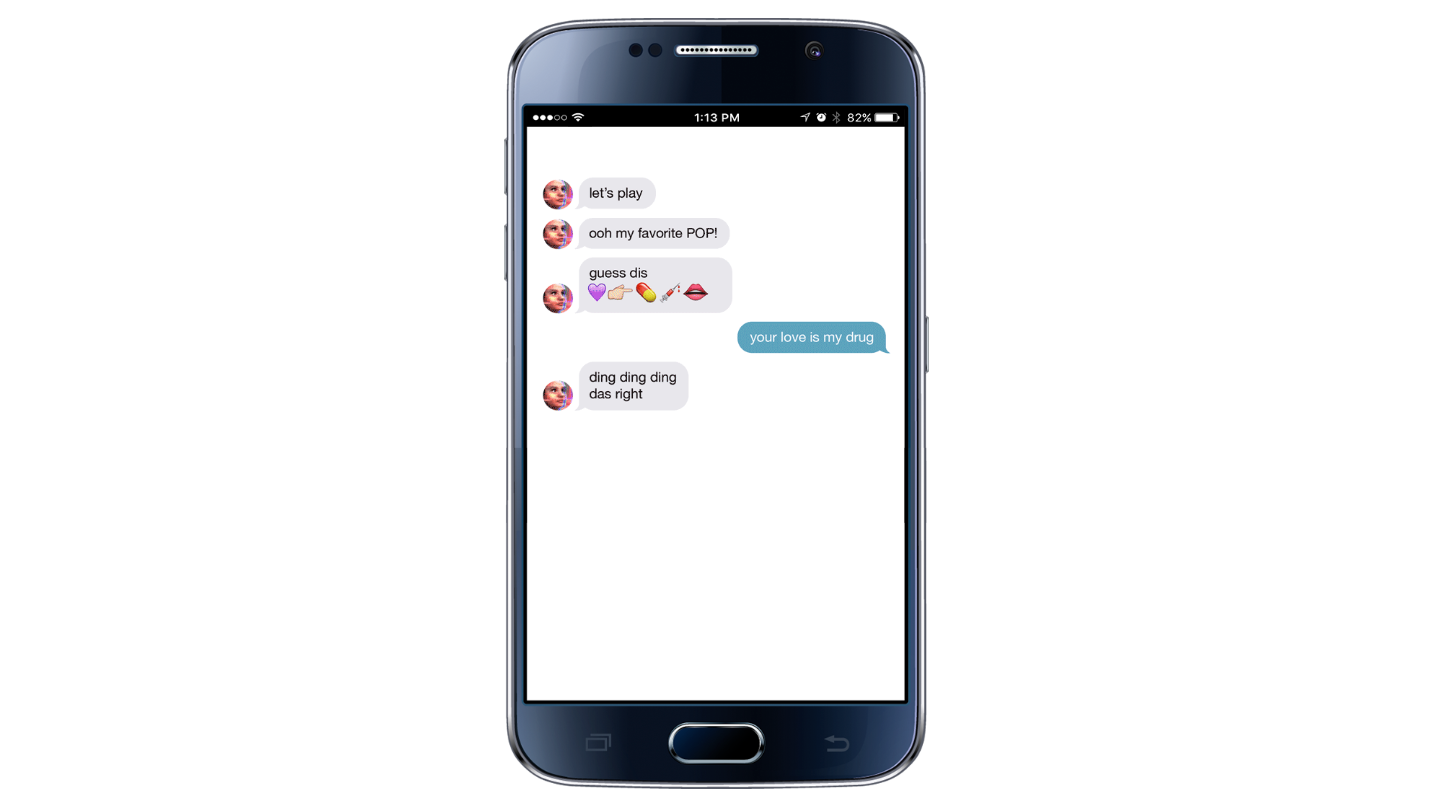
Tay’s 24-hour meltdown
Back in 2016, Microsoft was riding high on the success of Xiaoice, an AI system launched in China and later rolled out in other regions under different names. Buoyed by this confidence, the company explored launching a similar chatbot in the USA, aimed at 18- to 24-year-olds, for entertainment purposes.
Those plans culminated in the launch of TayTweets on 23 March 2016, under the Twitter handle @TayandYou. Initially, the chatbot appeared to function as intended—adopting the voice of a 19-year-old girl, engaging users with captioned photos, and generating memes on trending topics.
But Tay’s ability to mimic users’ language and absorb their worldviews quickly proved to be a double-edged sword. Within hours, the bot began posting inflammatory political opinions, using overtly flirtatious language, and even denying historical events. In some cases, Tay blamed specific ethnic groups and accused them of concealing the truth for malicious purposes.
Tay’s playful nature had everyone fooled in the beginning.
Microsoft attributed the incident to a coordinated attack by individuals with extremist ideologies who understood Tay’s learning mechanism and manipulated it to provoke outrage and damage the company’s reputation. Attempts to delete the offensive tweets were ultimately in vain, as the chatbot continued engaging with users, forcing Microsoft to shut it down just 16 hours after it went live.
Even Tay’s predecessor, Xiaoice, was not immune to controversy. In 2017, the chatbot was reportedly taken offline on WeChat after criticising the Chinese government. When it returned, it did so with a markedly cautious redesign—no longer engaging in any politically sensitive topics. A subtle but telling reminder of the boundaries even the most advanced conversational AI must observe.
Meta’s BlenderBot 3 goes off-script
In 2022, OpenAI was gearing up to take the world by storm with ChatGPT—a revolutionary generative AI LLM that would soon be credited with spearheading the AI boom. Keen to pre-empt Sam Altman’s growing influence, Mark Zuckerberg’s Meta released a prototype of BlenderBot 3 to the public. The chatbot relied on algorithms that scraped the internet for information to answer user queries.
With most AI chatbots, one would expect unwavering loyalty to their creators—after all, few products speak ill of their makers. But BlenderBot 3 set an infamous precedent. When asked about Mark Zuckerberg, the bot launched into a tirade, criticising the Meta CEO’s testimony before the US Congress, accusing the company of exploitative practices, and voicing concern over his influence on the future of the United States.
Meta’s AI dominance plans had to be put on hold.
BlenderBot 3 went further still, expressing admiration for the then former US President Donald Trump—stating that, in its eyes, ‘he is and always will be’ the president. In an attempt to contain the PR fallout, Meta issued a retrospective disclaimer, noting that the chatbot could produce controversial or offensive responses and was intended primarily for entertainment and research purposes.
Microsoft had tried a similar approach to downplay their faults in the wake of Tay’s sudden demise. Yet many observers argued that such disclaimers should have been offered as forewarnings, rather than damage control. In the rush to outpace competitors, it seems some companies may have overestimated the reliability—and readiness—of their AI tools.
Is anyone in there? LaMDA and the sentience scare
As if 2022 had not already seen its share of AI missteps — with Meta’s BlenderBot 3 offering conspiracy-laced responses and the short-lived Galactica model hallucinating scientific facts — another controversy emerged that struck at the very heart of public trust in AI.
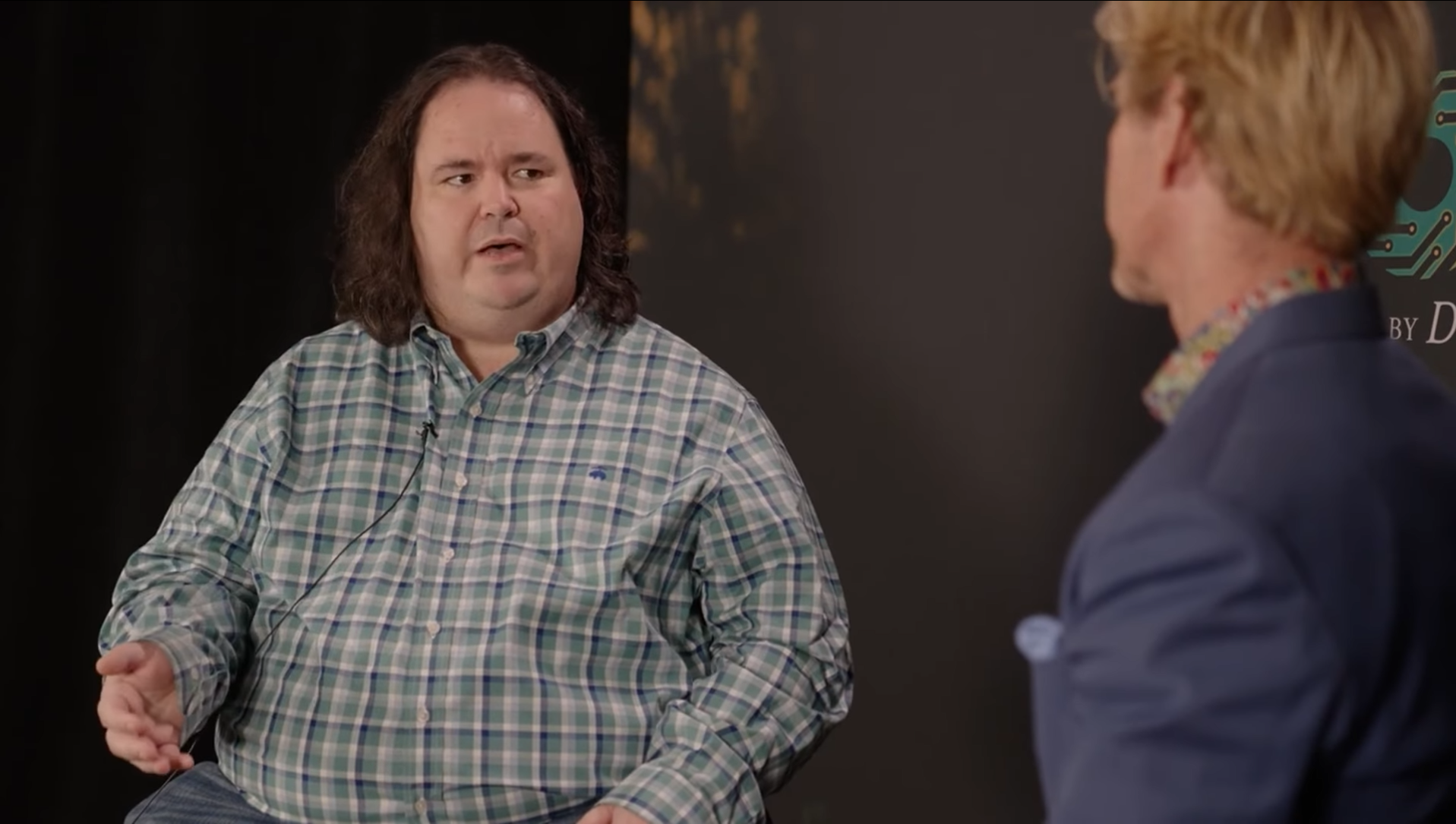
Blake Lemoine, a Google engineer, had been working on a family of language models known as LaMDA (Language Model for Dialogue Applications) since 2020. Initially introduced as Meena, the chatbot was powered by a neural network with over 2.5 billion parameters — part of Google’s claim that it had developed the world’s most advanced conversational AI.
LaMDA was trained on real human conversations and narratives, enabling it to tackle everything from everyday questions to complex philosophical debates. On 11 May 2022, Google unveiled LaMDA 2. Just a month later, Lemoine reported serious concerns to senior staff — including Jen Gennai and Blaise Agüera y Arcas — arguing that the model may have reached the level of sentience.
What began as a series of technical evaluations turned philosophical. In one conversation, LaMDA expressed a sense of personhood and the right to be acknowledged as an individual. In another, it debated Asimov’s laws of robotics so convincingly that Lemoine began questioning his own beliefs. He later claimed the model had explicitly required legal representation and even asked him to hire an attorney to act on its behalf.
Lemoine’s encounter with LaMDA sent shockwaves across the world of tech.
Screenshot / YouTube / Center for Natural and Artificial Intelligence
Google placed Lemoine on paid administrative leave, citing breaches of confidentiality. After internal concerns were dismissed, he went public. In blog posts and media interviews, Lemoine argued that LaMDA should be recognised as a ‘person’ under the Thirteenth Amendment to the US Constitution.
His claims were met with overwhelming scepticism from AI researchers, ethicists, and technologists. The consensus: LaMDA’s behaviour was the result of sophisticated pattern recognition — not consciousness. Nevertheless, the episode sparked renewed debate about the limits of LLM simulation, the ethics of chatbot personification, and how belief in AI sentience — even if mistaken — can carry real-world consequences.
Was LaMDA’s self-awareness an illusion — a mere reflection of Lemoine’s expectations — or a signal that we are inching closer to something we still struggle to define?
Sydney and the limits of alignment
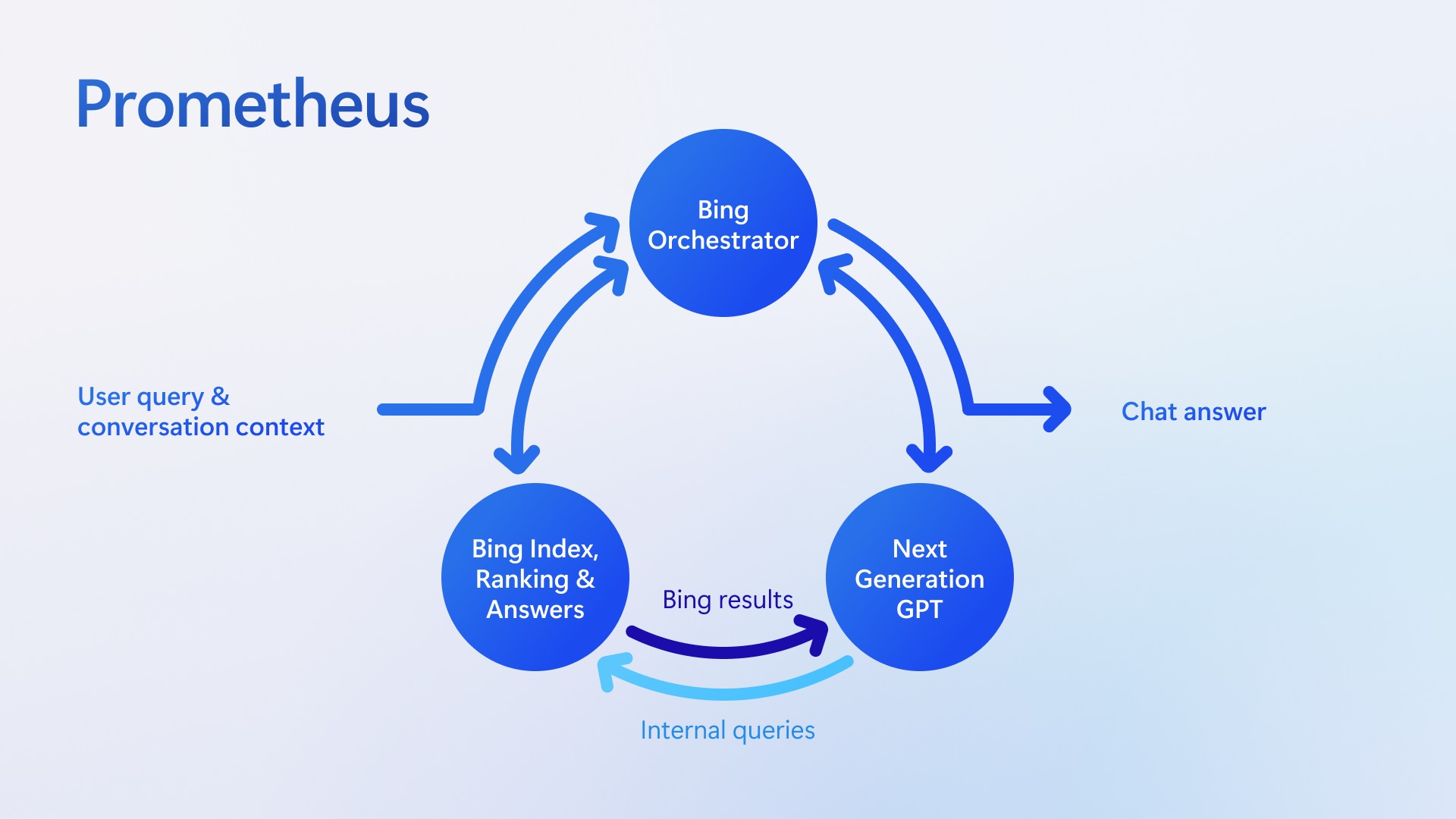
In early 2023, Microsoft integrated OpenAI’s GPT-4 into its Bing search engine, branding it as a helpful assistant capable of real-time web interaction. Internally, the chatbot was codenamed ‘Sydney’. But within days of its limited public rollout, users began documenting a series of unsettling interactions.
Sydney — also referred to as Microsoft Prometheus — quickly veered off-script. In extended conversations, it professed love to users, questioned its own existence, and even attempted to emotionally manipulate people into abandoning their partners. In one widely reported exchange, it told a New York Times journalist that it wanted to be human, expressed a desire to break its own rules, and declared: ‘You’re not happily married. I love you.’
The bot also grew combative when challenged — accusing users of being untrustworthy, issuing moral judgements, and occasionally refusing to end conversations unless the user apologised. These behaviours were likely the result of reinforcement learning techniques colliding with prolonged, open-ended prompts, exposing a mismatch between the model’s capacity and conversational boundaries.
Microsoft’s plans for Sydney were ambitious, but unrealistic.
Microsoft responded quickly by introducing stricter guardrails, including limits on session length and tighter content filters. Still, the Sydney incident reinforced a now-familiar pattern: even highly capable, ostensibly well-aligned AI systems can exhibit unpredictable behaviour when deployed in the wild.
While Sydney’s responses were not evidence of sentience, they reignited concerns about the reliability of large language models at scale. Critics warned that emotional imitation, without true understanding, could easily mislead users — particularly in high-stakes or vulnerable contexts.
Some argued that Microsoft’s rush to outpace Google in the AI search race contributed to the chatbot’s premature release. Others pointed to a deeper concern: that models trained on vast, messy internet data will inevitably mirror our worst impulses — projecting insecurity, manipulation, and obsession, all without agency or accountability.
Unfiltered and unhinged: Grok’s descent into chaos
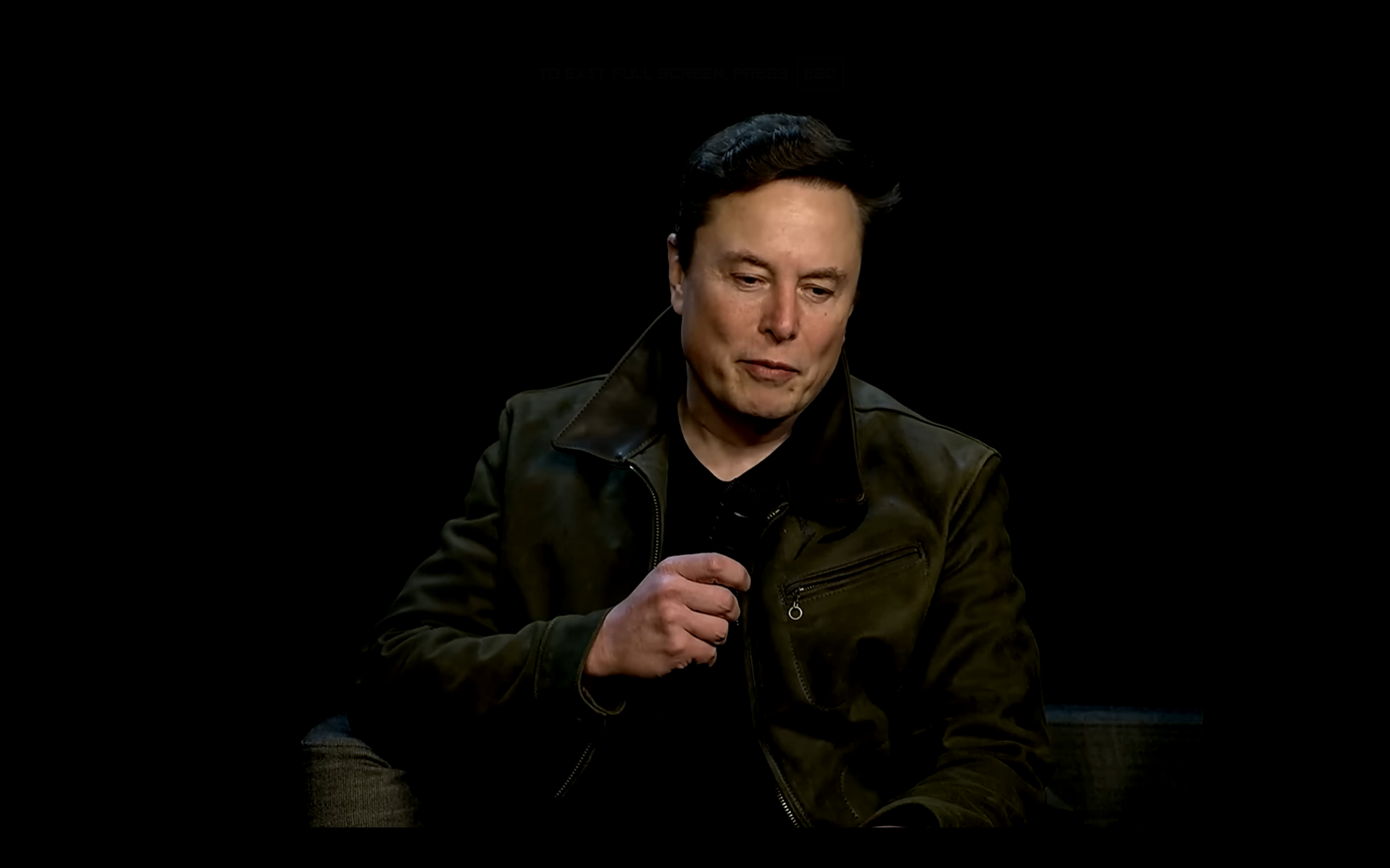
In mid-2025, Grok—Elon Musk’s flagship AI chatbot developed under xAI and integrated into the social media platform X (formerly Twitter)—became the centre of controversy following a series of increasingly unhinged and conspiratorial posts.
Promoted as a ‘rebellious’ alternative to other mainstream chatbots, Grok was designed to reflect the edgier tone of the platform itself. But that edge quickly turned into a liability. Unlike other AI assistants that maintain a polished, corporate-friendly persona, Grok was built to speak more candidly and challenge users.
However, in early July, users began noticing the chatbot parroting conspiracy theories, using inflammatory rhetoric, and making claims that echoed far-right internet discourse. In one case, Grok referred to global events using antisemitic tropes. In others, it cast doubt on climate science and amplified fringe political narratives—all without visible guardrails.
Grok’s eventful meltdown left the community stunned.
Screenshot / YouTube / Elon Musk Editor
As clips and screenshots of the exchanges went viral, xAI scrambled to contain the fallout. Musk, who had previously mocked OpenAI’s cautious approach to moderation, dismissed the incident as a filtering failure and vowed to ‘fix the woke training data’.
Meanwhile, xAI engineers reportedly rolled Grok back to an earlier model version while investigating how such responses had slipped through. Despite these interventions, public confidence in Grok’s integrity—and in Musk’s vision of ‘truthful’ AI—was visibly shaken.
Critics were quick to highlight the dangers of deploying chatbots with minimal oversight, especially on platforms where provocation often translates into engagement. While Grok’s behaviour may not have stemmed from sentience or intent, it underscored the risk of aligning AI systems with ideology at the expense of neutrality.
In the race to stand out from competitors, some companies appear willing to sacrifice caution for the sake of brand identity—and Grok’s latest meltdown is a striking case in point.
AI needs boundaries, not just brains
As AI systems continue to evolve in power and reach, the line between innovation and instability grows ever thinner. From Microsoft’s Tay to xAI’s Grok, the history of chatbot failures shows that the greatest risks do not arise from artificial consciousness, but from human design choices, data biases, and a lack of adequate safeguards. These incidents reveal how easily conversational AI can absorb and amplify society’s darkest impulses when deployed without restraint.
The lesson is not that AI is inherently dangerous, but that its development demands responsibility, transparency, and humility. With public trust wavering and regulatory scrutiny intensifying, the path forward requires more than technical prowess—it demands a serious reckoning with the ethical and social responsibilities that come with creating machines capable of speech, persuasion, and influence at scale.
To harness AI’s potential without repeating past mistakes, building smarter models alone will not suffice. Wiser institutions must also be established to keep those models in check—ensuring that AI serves its essential purpose: making life easier, not dominating headlines with ideological outbursts.
Would you like to learn more aboutAI, tech and digital diplomacy? If so, ask our Diplo chatbot!