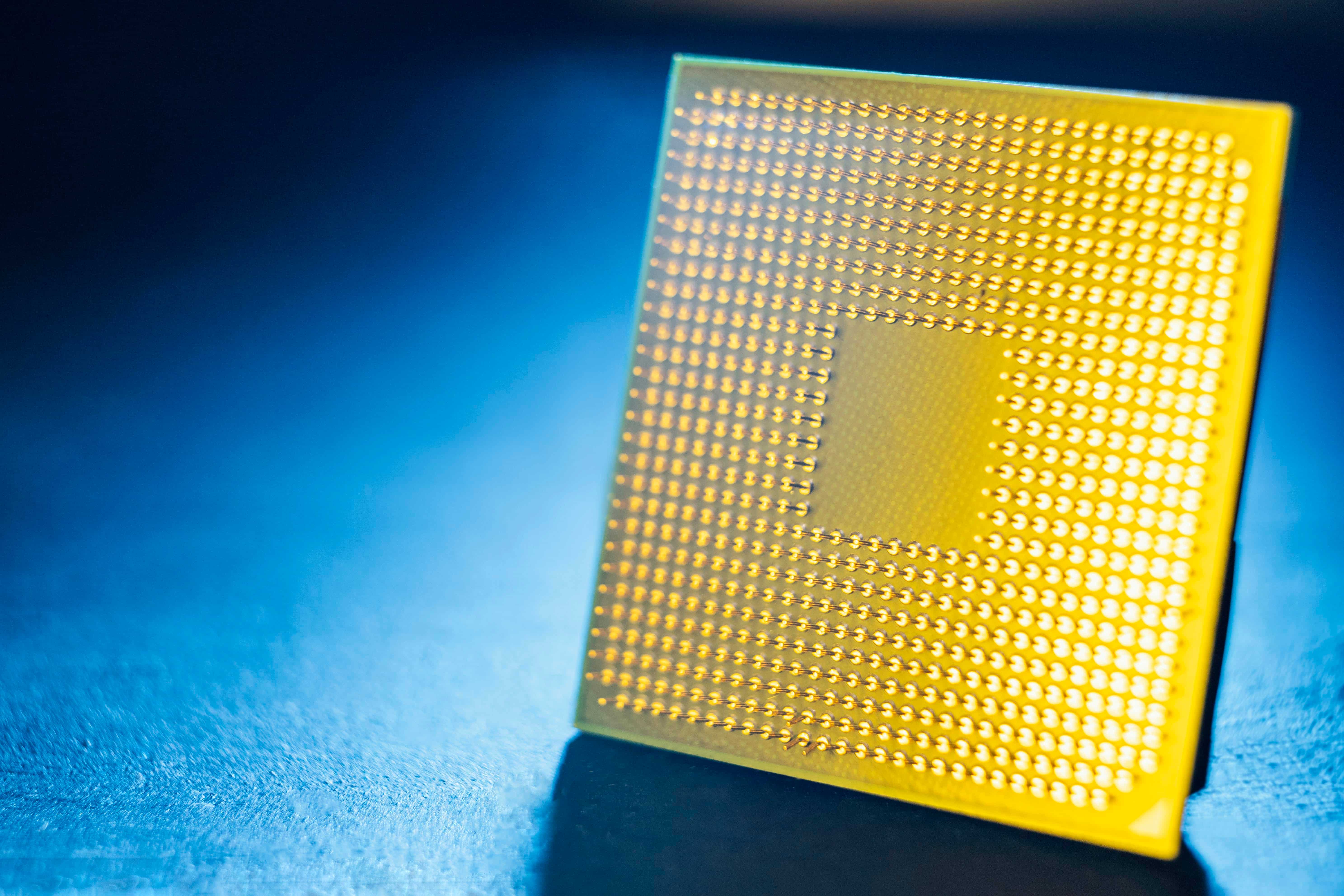
AI demand squeezes memory supply, putting mid-range phones at risk

The rapid expansion of AI infrastructure, especially high-bandwidth memory (HBM) used in data centres and AI accelerators, is causing memory chip makers to prioritise production capacity for high-margin AI-related products, squeezing the supply of traditional DRAM and NAND used in consumer devices like smartphones, tablets and PCs.

Industry leaders, including Samsung, SK Hynix and Micron, are shifting wafer capacity toward AI-grade memory, and major cloud and hyperscale buyers (e.g., Nvidia, AWS, Google) are securing supply through long-term contracts, which reduces available inventory for mid-tier device manufacturers.

As a result, memory pricing has climbed sharply, forcing consumer electronics makers to raise retail prices, cut specs or downgrade other components to maintain margins.

Analysts warn the mid-range smartphone segment, typically priced between roughly $400–$600, faces a particular squeeze, with fewer compelling devices expected and slower spec improvements, as memory becomes a dominant cost driver and supply constraints persist.

Would you like to learn more about AI, tech and digital diplomacy? If so, ask our Diplo chatbot!

South Korea prepares for classroom phone ban amid disputes over rules

The East Asian country is preparing to enforce a nationwide ban on mobile phone use in classrooms, yet schools remain divided over how strictly the new rules should be applied.

A ban that takes effect in March under the revised education law, and officials have already released guidance enabling principals to warn students and restrict smart devices during lessons.

These reforms will allow devices only for limited educational purposes, emergencies or support for pupils with disabilities.

Schools may also collect and store phones under their own rules, giving administrators the authority to prohibit possession rather than merely restricting use. The ministry has ordered every principal to establish formal regulations by late August, leaving interim decisions to each school leader.

Educators in South Korea warn that inconsistent approaches are creating uncertainty. Some schools intend to collect phones in bulk, others will require students to keep devices switched off, while several remain unsure how far to go in tightening their policies.

The Korean Federation of Teachers’ Associations argues that such differences will trigger complaints from parents and pupils unless the ministry provides a unified national standard.

Surveys show wide variation in current practice, with some schools banning possession during lessons while others allow use during breaks.

Many teachers say their institutions are ready for stricter rules, yet a substantial minority report inadequate preparation. The debate highlights the difficulty of imposing uniform digital discipline across a diverse education system.

Would you like to learn more about AI, tech and digital diplomacyIf so, ask our Diplo chatbot!

South Korea tightens ID checks with facial verification for phone accounts

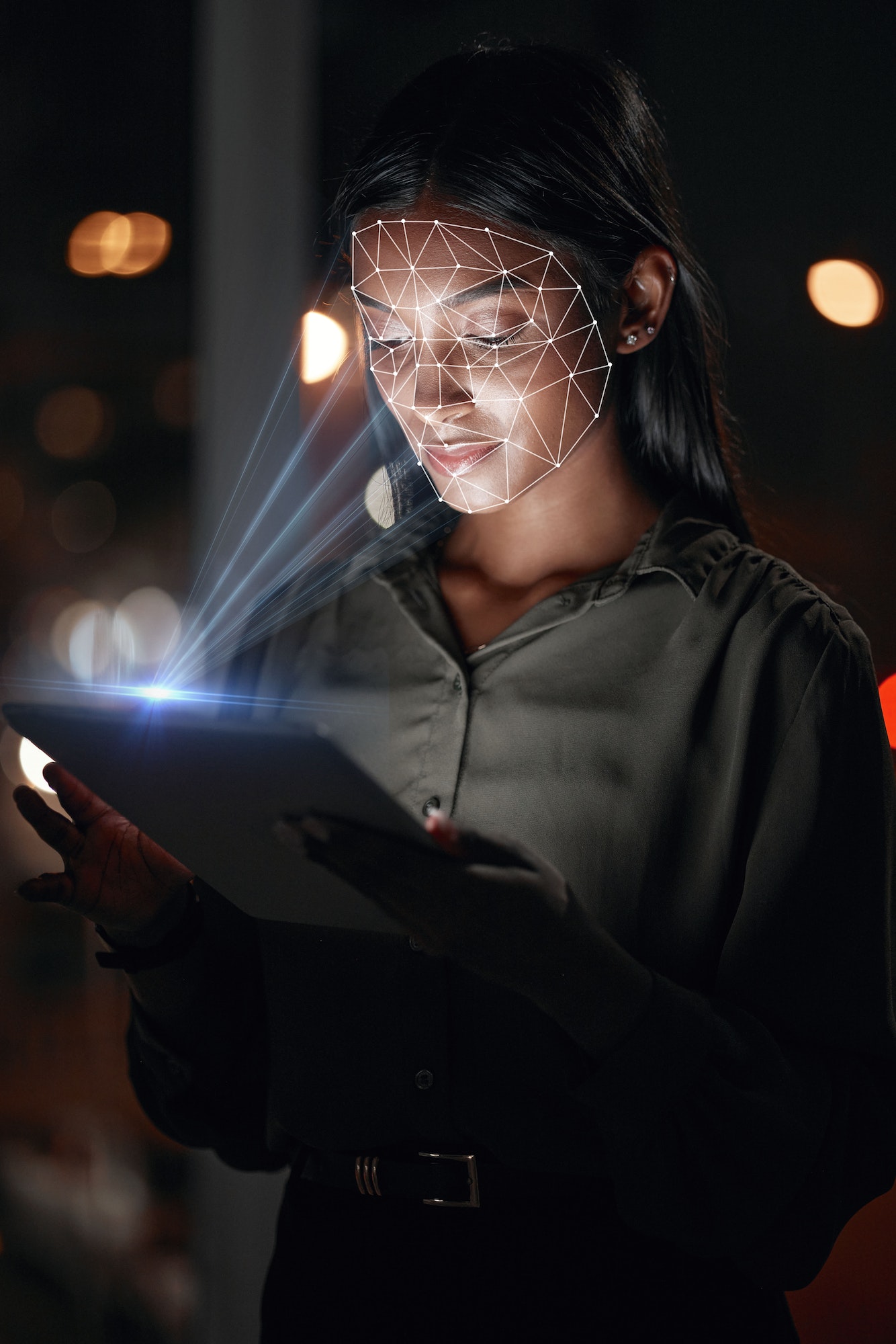
Mandatory facial verification will be introduced in South Korea for anyone opening a new mobile phone account, as authorities try to limit identity fraud.

Officials said criminals have been using stolen personal details to set up phone numbers that later support scams such as voice phishing instead of legitimate services.

Major mobile carriers, including LG Uplus, Korea Telecom and SK Telecom, will validate users by matching their faces against biometric data stored in the PASS digital identity app.

Such a requirement expands the country’s identity checks rather than replacing them outright, and is intended to make it harder for fraud rings to exploit stolen data at scale.

The measure follows a difficult year for data security in South Korea, marked by cyber incidents affecting more than half the population.

SK Telecom reported a breach involving all 23 million of its customers and now faces more than $1.5 billion in penalties and compensation.

Regulators also revealed that mobile virtual network operators were linked to 92% of counterfeit phones uncovered in 2024, strengthening the government’s case for tougher identity controls.

Would you like to learn more about AI, tech and digital diplomacy? If so, ask our Diplo chatbot!
ByteDance launches AI voice assistant for phones

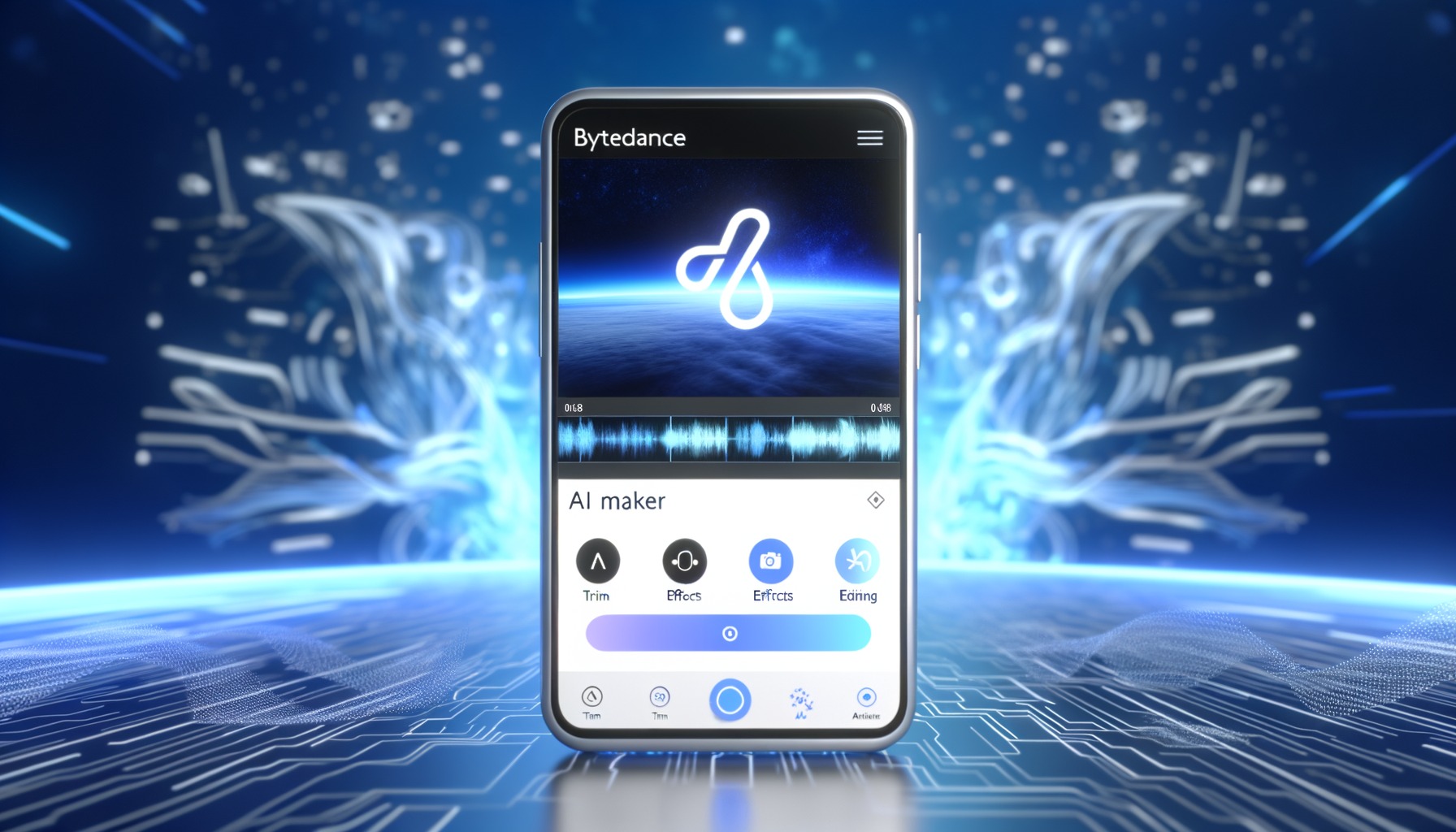
ByteDance unveiled a new AI voice assistant that will debut on ZTE’s Nubia M153 smartphone. The tool uses the Doubao large language model to handle spoken tasks such as content searches and ticket bookings.

ZTE’s shares jumped after the announcement, helped by strong interest in the device and recent 5G contract wins in Vietnam. The prototype handset is priced at 3,499 yuan and can be pre-ordered in limited quantities.

ByteDance confirmed discussions with multiple manufacturers to integrate the assistant into future smartphones. The firm stated it has no intention of developing its own hardware.

The assistant enters a competitive market led by Huawei and Xiaomi, while Apple has yet to introduce Apple Intelligence in China. Doubao remains China’s most popular consumer AI app, with 159 million monthly active users.

Would you like to learn more about AI, tech and digital diplomacy? If so, ask our Diplo chatbot

Google Pixel 10 could transform smartphones with advanced AI features

Google’s upcoming Pixel 10 smartphones are tipped to place AI at the centre of the user experience, with three new features expected to redefine how people use their devices.

While hardware upgrades are anticipated at the Made by Google event, much of the excitement revolves around the AI tools that may debut.

One feature, called Help Me Edit, is designed for Google Photos. Instead of spending time on manual edits, users could describe the change they want, such as altering the colour of a car, and the AI would adjust instantly.

Expanding on the Pixel 9’s generative tools, it promises far greater control and speed.

Another addition, Camera Coach, could offer real-time guidance on photography. Using Google’s Gemini AI, the phone may provide step-by-step advice on framing, lighting, and composition, acting as a digital photography tutor.

Finally, Pixel Sense is rumoured to be a proactive personal assistant that anticipates user needs. Learning patterns from apps such as Gmail and Calendar, it could deliver predictive suggestions and take actions across third-party services, bringing the smartphone closer to a truly adaptive companion.

These features suggest that Google is betting heavily on AI to give the Pixel 10 a competitive edge.

Would you like to learn more about AI, tech and digital diplomacy? If so, ask our Diplo chatbot!
Trump unveils gold smartphone and new 5G wireless service

US President Donald Trump and his sons have launched a mobile phone service called Trump Mobile 5G, alongside plans to release a gold-coloured smartphone branded with the Trump name.

The service is being offered through partnerships with all three major US mobile networks, though they are not named directly.

The monthly plan, known as the ’47 Plan’, costs $47.45- referencing Trump’s position as the 45th and 47th president. Customers can join their current Android or iPhone devices, either with a physical SIM or an eSIM.

A new Trump-branded Android device, the T1, will launch in September. Priced at $499, it comes with Android 15, a 6.8-inch screen and biometric features like fingerprint scanning and AI facial recognition.

At a press event in New York, Donald Trump Jr. and Eric Trump introduced the initiative, saying it would combine high-quality service with an ‘America First’ approach.

They emphasised that the company is US-based, including its round-the-clock customer service, which promises real human support instead of automated systems.

While some critics may see the move as political branding, the Trump Organisation framed it as a business venture.

The company has already earned hundreds of millions from Trump-branded consumer goods. As with other mobile providers, the new service will fall under the regulatory oversight of the Federal Communications Commission, led by a Trump-appointed chair.

Would you like to learn more about AI, tech and digital diplomacy? If so, ask our Diplo chatbot!

Apple chooses Alibaba as AI partner for China

Apple has partnered with Chinese tech giant Alibaba to develop AI features for iPhones in China, aiming to bolster its presence in a highly competitive market. The collaboration follows months of uncertainty over Apple’s AI strategy in the country, where rivals like Huawei have already integrated AI tools into their devices. The move marks a shift from Apple’s earlier preference for Baidu, which reportedly fell short of the company’s expectations.

The partnership could help Apple regain lost ground after a decline in iPhone sales during the holiday season, a period typically strong for the company. The AI-powered features have been submitted for regulatory approval in China, a crucial step before their rollout. Apple’s stock saw a 1.5% rise following the news, while Alibaba’s US-listed shares gained 2.6%.

Apple’s decision to work with Alibaba was reportedly influenced by the e-commerce giant’s vast datasets on user shopping and payment habits, which could enhance AI model training and improve personalised services. As Apple anticipates strong sales growth in the current quarter, this partnership could play a key role in driving renewed demand for iPhones in China.

For more information on these topics, visit diplomacy.edu.

FBI unlocks Trump shooter’s phone in 40 minutes

The FBI successfully unlocked the phone of Thomas Matthew Crooks, who attempted to assassinate Donald Trump, with assistance from the Israeli firm Cellebrite. The bureau contacted Cellebrite for advanced forensic software tools after failing with older versions. Within hours, Cellebrite provided new software, enabling the FBI to unlock the phone in just 40 minutes.

Crooks, 20, was killed by US Secret Service snipers after shooting at Trump at a rally in Pennsylvania, injuring three others. The FBI hopes the phone will reveal crucial information about Crooks’ motivation, as searches of his home and computer have yielded no significant clues.

Pictures of US Presidents Joe Biden and Donald Trump were found on the phone. Cellebrite, known for aiding law enforcement globally, has faced criticism for its technology being misused by malicious actors.