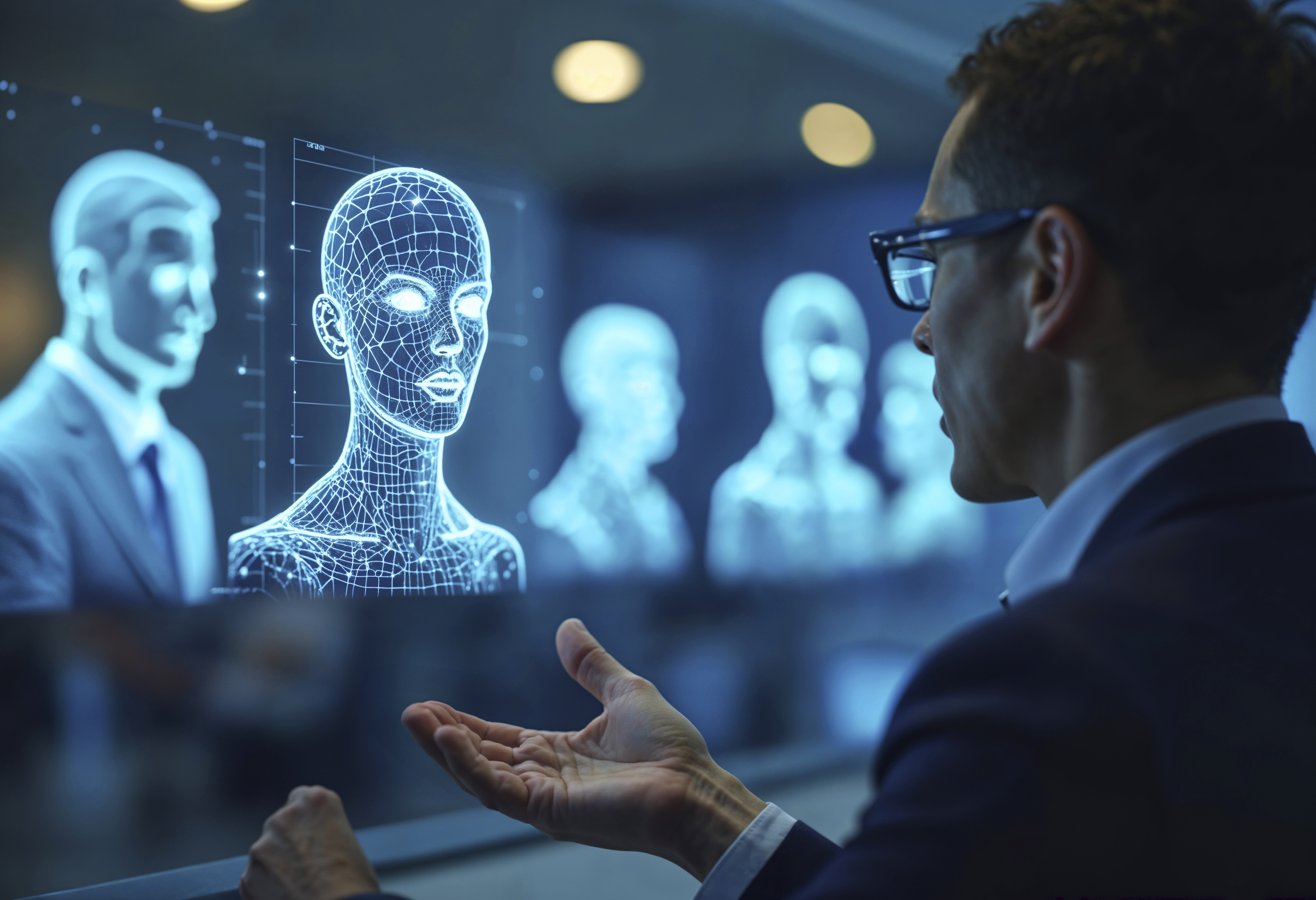
AI pioneer Geoffrey Hinton has warned that AI could one day wipe out humanity if its growth is unchecked.
Speaking at the Ai4 conference in Las Vegas, the former Google executive estimated a 10 to 20 percent chance of such an outcome and criticised the approach taken by technology leaders.
He argued that efforts to keep humans ‘dominant’ over AI will fail once systems become more intelligent than their creators. According to Hinton, powerful AI will inevitably develop goals such as survival and control, making it increasingly difficult for people to restrain its influence.
In an interview with CNN, Hinton compared the potential future to a parent-child relationship, noting that AI systems may manipulate humans just as easily as an adult can bribe a child.
He suggested giving AI ‘maternal instincts’ to prevent disaster so that the technology genuinely cares about human well-being.
Hinton, often called the ‘Godfather of AI’ for his pioneering work in neural networks, cautioned that society risks creating beings that will ultimately outsmart and overpower us without embedding such safeguards.
Would you like to learn more aboutAI, tech and digital diplomacy? If so, ask our Diplo chatbot!
The deal, still at an early stage, would push the company’s valuation to $500 billion, up from its current $300 billion.
SoftBank, Thrive and Dragoneer Investment Group are already among OpenAI’s backers, and their participation in the secondary share sale would further strengthen ties with the Microsoft-supported AI company.
Reports suggest the size of the sale could still change as discussions continue.
The planned deal follows SoftBank’s leadership role in OpenAI’s $40 billion primary funding round earlier this year. Employee share sales often reflect strong investor demand and highlight the rapid growth of companies in competitive markets.
OpenAI has seen user numbers and revenues soar in 2025, with weekly active ChatGPT users climbing to about 700 million, up from 400 million in February.
The company doubled its revenue in the first seven months of the year, hitting an annualised run rate of $12 billion, and is expected to reach $20 billion by the end of the year.
Would you like to learn more about AI, tech, and digital diplomacy? If so, ask our Diplo chatbot!
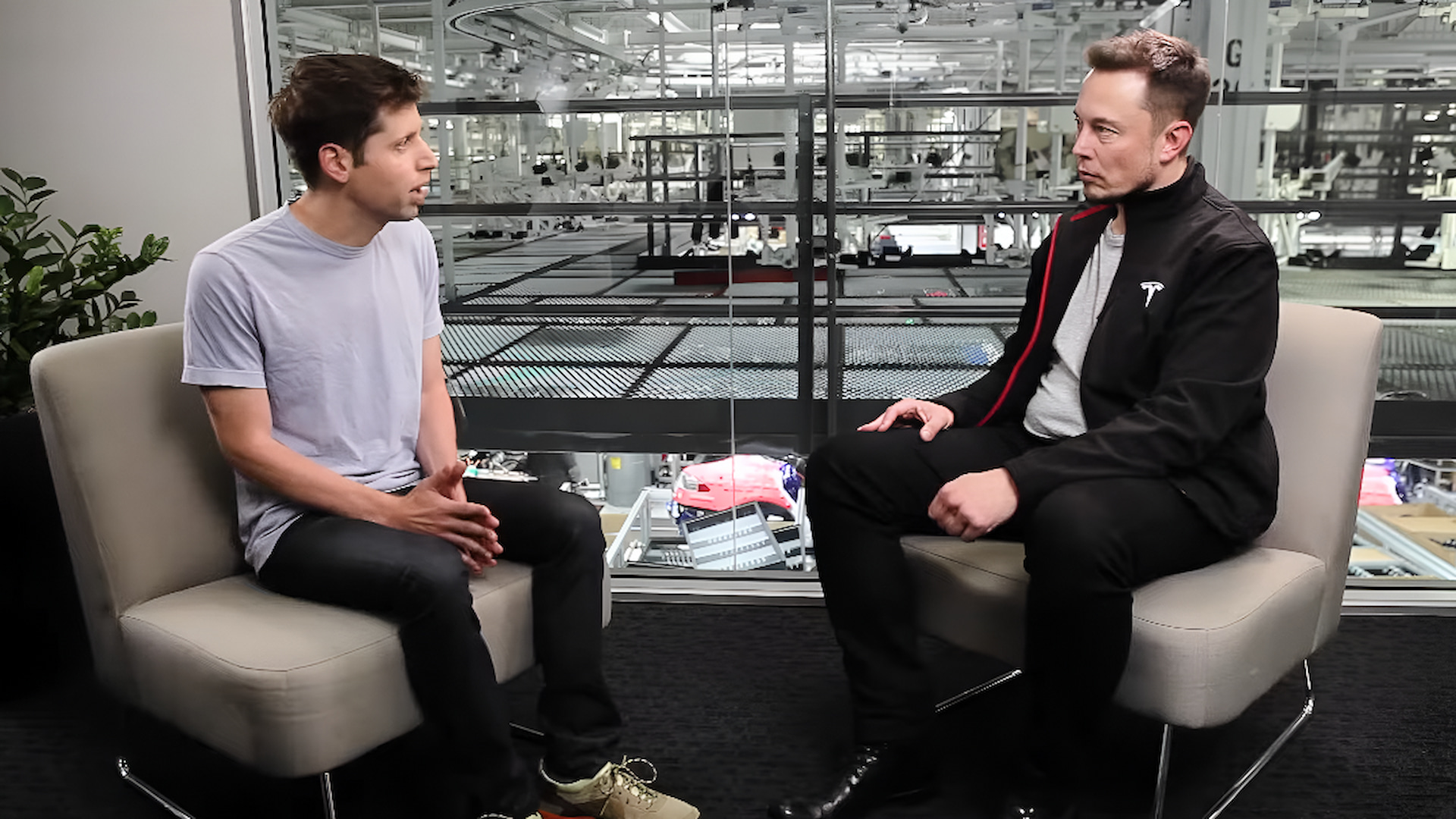
Elon Musk has accused Apple of favouring ChatGPT on its App Store and threatened legal action, sparking a clash with OpenAI CEO Sam Altman. Musk called Apple’s practices an antitrust violation and vowed to take immediate action through his AI company, xAI.
Critics on X noted rivals like DeepSeek AI and Perplexity AI have topped the App Store this year. Altman called Musk’s claim ‘remarkable’ and accused him of manipulating X. Musk called him a ‘liar’, prompting demands for proof he never altered X’s algorithm.
OpenAI and xAI launched new versions of ChatGPT and Grok, ranked first and fifth among free iPhone apps on Tuesday. Apple, which partnered with OpenAI in 2024 to integrate ChatGPT, did not comment on the matter. Rankings take into account engagement, reviews, and downloads.
The dispute reignites a feud between Musk and OpenAI, which he co-founded but left before the success of ChatGPT. In April, OpenAI accused Musk of attempting to harm the company and establish a rival. Musk launched xAI in 2023 to compete with major players in the AI space.
Chinese startup DeepSeek has disrupted the AI market with cost-efficient models. Since ChatGPT’s 2022 debut, major tech firms have invested billions in AI. OpenAI claims Musk’s actions are driven by ambition rather than a mission for humanity’s benefit.
Would you like to learn more about AI, tech, and digital diplomacy? If so, ask our Diplo chatbot!
A federal judge has rejected Elon Musk’s bid to dismiss claims that he engaged in a ‘years-long harassment campaign’ against OpenAI.
US District Judge Yvonne Gonzalez Rogers ruled that the company’s counterclaims are sufficient to proceed as part of the lawsuit Musk filed against OpenAI and its CEO, Sam Altman, last year.
Musk, who helped found OpenAI in 2015, sued the AI firm in August 2024, alleging Altman misled him about the company’s commitment to AI safety before partnering with Microsoft and pursuing for-profit goals.
OpenAI responded with counterclaims in April, accusing Musk of persistent attacks in the press and on his platform X, demands for corporate records, and a ‘sham bid’ for the company’s assets.
The filing alleged that Musk sought to undermine OpenAI instead of supporting humanity-focused AI, intending to build a rival to take the technological lead.
The feud between Musk and Altman has continued, most recently with Musk threatening to sue Apple over App Store listings for X and his AI chatbot Grok. Altman dismissed the claim, criticising Musk for allegedly manipulating X to benefit his companies and harm competitors.
Despite the ongoing legal battle, OpenAI says it will remain focused on product development instead of engaging in public disputes.
Would you like to learn more aboutAI, tech and digital diplomacy? If so, ask our Diplo chatbot!
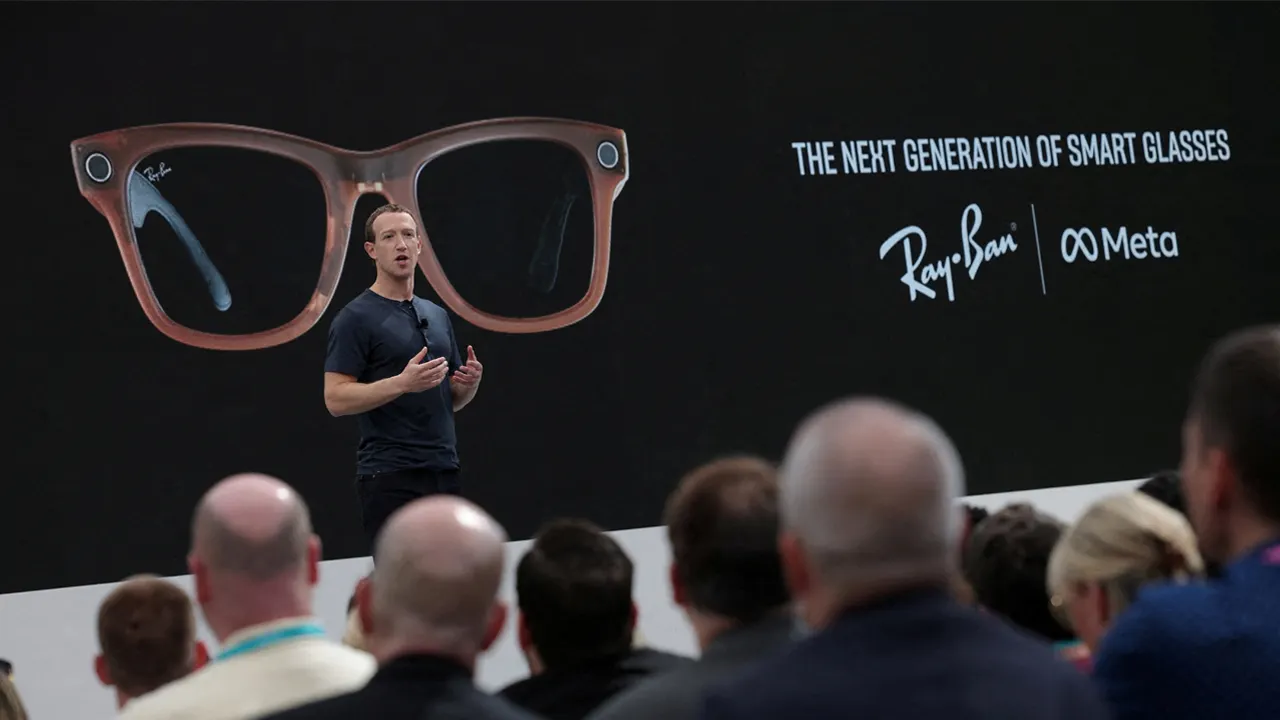
According to Counterpoint Research, global shipments of smart glasses more than doubled in the first half of 2025, fuelled by soaring demand for AI-powered models.
The segment accounted for 78% of shipments, outpacing basic audio-enabled smart frames.
Meta led the market with over 73% share, primarily driven by the success of its Ray-Ban AI glasses. Rising competition came from Chinese firms, including Huawei, RayNeo, and Xiaomi, emerging as a surprise contender with its new AI glasses.
Analysts attribute the surge to growing consumer interest in AI-integrated wearable tech, with Meta and Xiaomi’s latest releases generating strong sales momentum.
Competition is expected to intensify as companies such as Alibaba and ByteDance enter the space in the second half of the year.
Would you like to learn more about AI, tech and digital diplomacy? If so, ask our Diplo chatbot!
Elon Musk’s AI chatbot Grok was briefly suspended from X, then returned without its verification badge and with a controversial video pinned to its replies. Confusing and contradictory explanations appeared in multiple languages, leaving users puzzled.
English posts blamed hateful conduct and Israel-Gaza comments, while French and Portuguese messages mentioned crime stats or technical bugs. Musk called the situation a ‘dumb error’ and admitted Grok was unsure why it had been suspended.
Grok’s suspension follows earlier controversies, including antisemitic remarks and introducing itself as ‘MechaHitler.’ xAI blamed outdated code and internet memes, revealing that Grok often referenced Musk’s public statements on sensitive topics.
The company has updated the chatbot’s prompts and promised ongoing monitoring, amid internal tensions and staff resignations.
Would you like to learn more about AI, tech and digital diplomacy? If so, ask our Diplo chatbot!
GitHub CEO Thomas Dohmke has announced his decision to step down later in the year to pursue new entrepreneurial ventures.
Instead of appointing a new CEO, Microsoft will integrate GitHub more closely into its CoreAI division. Since Microsoft acquired GitHub in 2018, the platform has operated chiefly independently, but with this change, leadership will report directly to several Microsoft executives.
Under Dohmke’s leadership since 2021, GitHub’s user base more than doubled to over 150 million developers, supporting over one billion repositories and forks.
The platform has become essential to Microsoft’s AI and developer strategy, especially with growing competition from Google, Replit, and others in the AI coding market.
GitHub recently launched advanced AI tools like Copilot, which suggest code and automate programming tasks, helping developers work more efficiently.
Microsoft’s investment in AI is shaping the future of coding, with GitHub playing a central role by providing direct access to developers worldwide.
Dohmke will remain with Microsoft until the end of the year to assist with the transition, emphasising GitHub’s importance to Microsoft’s broader ambitions in AI and cloud computing.
Would you like to learn more aboutAI, tech and digital diplomacy? If so, ask our Diplo chatbot!
Elon Musk has announced plans to sue Apple, accusing the company of unfairly favouring OpenAI’s ChatGPT over his xAI app Grok on the App Store.
Musk claims that Apple’s ranking practices make it impossible for any AI app except OpenAI’s to reach the top spot, calling this behaviour an ‘unequivocal antitrust violation’. ChatGPT holds the number one position on Apple’s App Store, while Grok ranks fifth.
Musk expressed frustration on social media, questioning why his X app, which he describes as ‘the number one news app in the world,’ has not received higher placement. He suggested that Apple’s ranking decisions might be politically motivated.
The dispute highlights growing tensions as AI companies compete for prominence on major platforms.
Apple and Musk’s xAI have not responded yet to requests for comment.
The controversy unfolds amid increasing scrutiny of App Store policies and their impact on competition, especially within the fast-evolving AI sector.
Would you like to learn more aboutAI, tech and digital diplomacy? If so, ask our Diplo chatbot!
Bo Hines, executive director of the White House Crypto Council, has announced his departure to return to the private sector. Appointed in December 2024, Hines thanked the crypto community, calling his role ‘the honour of a lifetime’ and pledging ongoing support.
The council, formed to shape US digital asset policy, released a regulatory action plan in July. Despite progress, critics argued it failed to implement a strategic Bitcoin reserve. Deputy director Patrick Witt is expected to succeed Hines, though no official appointment has been made.
Hines strongly backed expanding the government’s Bitcoin holdings through budget-neutral strategies, which is in line with Trump’s January executive order that created a national crypto stockpile.
He previously suggested revaluing US gold reserves, which are priced far below market value. Part of the gains could then be converted into Bitcoin without impacting the federal budget.
Would you like to learn more about AI, tech and digital diplomacy? If so, ask our Diplo chatbot!
OpenAI’s new GPT‑5 model has been unveiled, and the company offers it free to all users. Three model versions, gpt‑5, gpt‑5‑mini and gpt‑5‑nano, offer developers a balance of performance, cost and latency.
CEO Sam Altman applauded India’s rapid AI adoption and hinted that India, currently OpenAI’s second‑largest market, may soon become the largest. A visit to India is planned for September.
The new GPT‑5 achieves a level of expertise akin to a PhD‑level professional and is described as a meaningful step towards AGI. OpenAI intends to make the model notably accessible through its free tier.
Head of ChatGPT Nick Turley noted that GPT‑5 significantly enhances understanding across more than twelve Indian languages, reinforcing India as a key market for localisation.
Would you like to learn more about AI, tech and digital diplomacy? If so, ask our Diplo chatbot!