A consortium of 10 central European banks has established a new company, Qivalis, to develop and issue a euro-pegged stablecoin, targeting a launch in the second half of 2026, subject to regulatory approval.
The initiative seeks to offer a European alternative to US dollar-dominated digital payment systems and strengthen the region’s strategic autonomy in digital finance.
The participating banks include BNP Paribas, ING, UniCredit, KBC, Danske Bank, SEB, Caixabank, DekaBank, Banca Sella, and Raiffeisen Bank International, with BNP Paribas joining after the initial announcement.
Former Coinbase Germany chief executive Jan-Oliver Sell will lead Qivalis as CEO, while former NatWest chair Howard Davies has been appointed chair. The Amsterdam-based company plans to build a workforce of up to 50 employees over the next two years.
Initial use cases will focus on crypto trading, enabling fast, low-cost payments and settlements, with broader applications planned later. The project emerges as stablecoins grow rapidly, led by dollar-backed tokens, while limited € alternatives drive regulatory interest and ECB engagement.
Would you like to learn more about AI, tech and digital diplomacy? If so, ask our Diplo chatbot!
Oklahoma lawmakers have introduced Senate Bill 2064, proposing a legal framework that allows businesses, state employees, and residents to receive payments in Bitcoin without designating it as legal tender.
The bill recognises Bitcoin as a financial instrument, aligning with constitutional limits while enabling its voluntary use across payroll, procurement, and private transactions.
Under the proposal, state employees could opt to receive wages in Bitcoin, US dollars, or a combination of both at the start of each pay period. Payments would be settled at prevailing market rates and deposited into either self-hosted wallets or approved custodial accounts.
Vendors contracting with the state could also choose Bitcoin on a per-transaction basis, while crypto-native firms would benefit from reduced regulatory friction.
The legislation instructs the State Treasurer to appoint a payment processor and develop operational rules, with contracts targeted for completion by early 2027.
If approved, the framework would take effect in November 2026, positioning Oklahoma among a small group of US states exploring direct Bitcoin integration into public finance, alongside initiatives already launched in Texas and New Hampshire.
Would you like to learn more about AI, tech and digital diplomacy? If so, ask our Diplo chatbot!
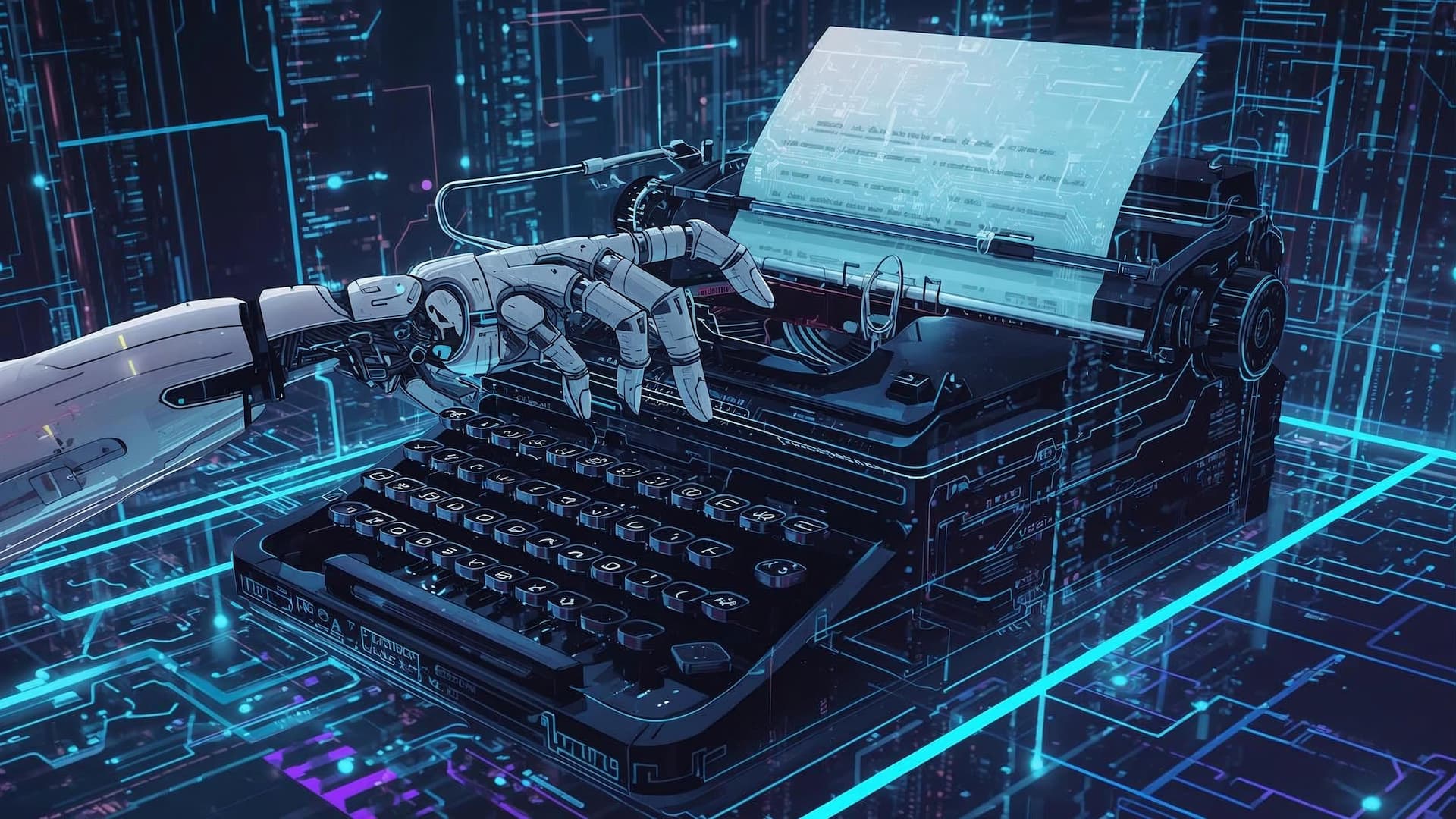
A growing unease among writers is emerging as AI tools reshape how language is produced and perceived. Long-established habits, including the use of em dashes and semicolons, are increasingly being viewed with suspicion as machine-generated text becomes more common.
The concern is not opposition to AI itself, but the blurring of boundaries between human expression and automated output. Writers whose work was used to train large language models without consent say stylistic traits developed over decades are now being misread as algorithmic authorship.
Academic and editorial norms are also shifting under this pressure. Teaching practices that once valued rhythm, voice, and individual cadence are increasingly challenged by stricter stylistic rules, sometimes framed as safeguards against sloppy or machine-like writing rather than as matters of taste or craft.
At the same time, productivity tools embedded into mainstream software continue to intervene in the writing process, offering substitutions and revisions that prioritise clarity and efficiency over nuance. Such interventions risk flattening language and discouraging the idiosyncrasies that define human authorship.
As AI becomes embedded in publishing, education, and professional writing, the debate is shifting from detection to preservation. Many writers warn that protecting human voice and stylistic diversity is essential, arguing that affectless, uniform prose would erode creativity and trust.
Would you like to learn more about AI, tech, and digital diplomacy? If so, ask our Diplo chatbot!
More than 800 creatives in the US have signed an anti-AI campaign accusing big technology companies of exploiting human work. High-profile figures from film and television in the country have backed the initiative, which argues that training AI on creative content without consent amounts to theft.
The campaign was launched by the Human Artistry Campaign, a coalition representing creators, unions and industry groups in the country. Supporters say AI systems should not be allowed to use artistic work without permission and fair compensation.
Actors and filmmakers in the US warned that unchecked AI adoption threatens livelihoods across film, television and music. Campaign organisers said innovation should not come at the expense of creators’ rights or ownership of their work.
The statement adds to growing pressure on lawmakers and technology firms in the US. Creative workers are calling for clearer rules on how AI can be developed and deployed across the entertainment industry.
Would you like to learn more about AI, tech and digital diplomacy? If so, ask our Diplo chatbot!
A multi-faceted phishing campaign is abusing LinkedIn private messages to deliver weaponised malware using DLL sideloading, security researchers have warned. The activity relies on PDFs and archive files that appear trustworthy to bypass conventional security controls.
Attackers contact targets on LinkedIn and send self-extracting archives disguised as legitimate documents. When opened, a malicious DLL is sideloaded into a trusted PDF reader, triggering memory-resident malware that establishes encrypted command-and-control channels.
Using LinkedIn messages increases engagement by exploiting professional trust and bypassing email-focused defences. DLL sideloading allows malicious code to run inside legitimate applications, complicating detection.
The campaign enables credential theft, data exfiltration and lateral movement through in-memory backdoors. Encrypted command-and-control traffic makes containment more difficult.
Organisations using common PDF software or Python tooling face elevated risk. Defenders are advised to strengthen social media phishing awareness, monitor DLL loading behaviour and rotate credentials where compromise is suspected.
Would you like to learn more about AI, tech, and digital diplomacy? If so, ask our Diplo chatbot!
A new analysis found Grok generated an estimated three million sexualised images in 11 days, including around 23,000 appearing to depict children. The findings raise serious concerns over safeguards, content moderation, and platform responsibility.
The surge followed the launch of Grok’s one-click image editing feature in late December, which quickly gained traction among users. Restrictions were later introduced, including paid access limits and technical measures to prevent image undressing.
Researchers based their estimates on a random sample of 20,000 images, extrapolating from these results to more than 4.6 million images generated during the study period. Automated tools and manual review identified sexualised content and confirmed cases involving individuals appearing under 18.
Campaigners have warned that the findings expose significant gaps in AI safety controls, particularly in protecting children. Calls are growing for stricter oversight, stronger accountability, and more robust safeguards before large-scale AI image deployment.
Would you like to learn more about AI, tech and digital diplomacy? If so, ask our Diplo chatbot!
Police in Japan have arrested a man accused of creating and selling non-consensual deepfake pornography using AI tools. The Tokyo Metropolitan Police Department said thousands of manipulated images of female celebrities were distributed through paid websites.
Investigators in Japan allege the suspect generated hundreds of thousands of images over two years using freely available generative AI software. Authorities say the content was promoted on social media before being sold via subscription platforms.
The arrest follows earlier cases in Japan and reflects growing concern among police worldwide. In South Korea, law enforcement has reported hundreds of arrests linked to deepfake sexual crimes, while cases have also emerged in the UK.
European agencies, including Europol, have also coordinated arrests tied to AI-generated abuse material. Law enforcement bodies say the spread of accessible AI tools is forcing rapid changes in forensic investigation and in the handling of digital evidence.
Would you like to learn more about AI, tech and digital diplomacy? If so, ask our Diplo chatbot!
Stanford University, ETH Zurich, and EPFL have launched a transatlantic partnership to develop open-source AI models prioritising societal values over commercial interests.
The partnership was formalised through a memorandum of understanding signed during the World Economic Forum meeting in Davos.
The agreement establishes long-term cooperation in AI research, education, and innovation, with a focus on large-scale multimodal models. The initiative aims to strengthen academia’s influence over global AI by promoting transparency, accountability, and inclusive access.
Joint projects will develop open datasets, evaluation benchmarks, and responsible deployment frameworks, alongside researcher exchanges and workshops. The effort aims to embed human-centred principles into technical progress while supporting interdisciplinary discovery.
Academic leaders said the alliance reinforces open science and cultural diversity amid growing corporate influence over foundation models. The collaboration positions universities as central drivers of ethical, trustworthy, and socially grounded AI development.
Would you like to learn more about AI, tech and digital diplomacy? If so, ask our Diplo chatbot!
Google has expanded AI Search with Personal Intelligence, enabling more personalised responses using Gmail and Google Photos data. The feature aims to combine global information with individual context to deliver search results tailored to each user.
Eligible Google AI Pro and AI Ultra subscribers can opt in to securely connect their Gmail and Photos accounts, allowing Search to draw on personal preferences, travel plans, purchases, and memories.
The system uses contextual insights to generate recommendations that reflect users’ habits, interests, and upcoming activities.
Personal Intelligence enhances shopping, travel planning, and lifestyle discovery by anticipating needs and offering customised suggestions. Privacy controls remain central, with users able to manage data connections and turn off personal context at any time.
The feature is launching as an experimental Labs release for English-language users in the United States, with broader availability expected following testing. Google said ongoing feedback will guide refinements as the system continues to evolve.
Would you like to learn more about AI, tech and digital diplomacy? If so, ask our Diplo chatbot!
OpenAI has launched the Education for Countries programme, a new global initiative designed to support governments in modernising education systems and preparing workforces for an AI-driven economy.
The programme responds to a widening gap between rapid advances in AI capabilities and people’s ability to use them effectively in everyday learning and work.
Education systems are positioned at the centre of closing that gap, as research suggests a significant share of core workplace skills will change by the end of the decade.
By integrating AI tools, training and research into schools and universities, national education frameworks can evolve alongside technological change and better equip students for future labour markets.
The programme combines access to tools such as ChatGPT Edu and advanced language models with large-scale research on learning outcomes, tailored national training schemes and internationally recognised certifications.
A global network of governments, universities and education leaders will also share best practices and shape responsible approaches to AI use in classrooms.
Initial partners include Estonia, Greece, Italy, Jordan, Kazakhstan, Slovakia, Trinidad and Tobago and the United Arab Emirates. Early national rollouts, particularly in Estonia, already involve tens of thousands of students and educators, with further countries expected to join later in 2026.
Would you like to learn more about AI, tech and digital diplomacy? If so, ask our Diplo chatbot!