
AI technology aim to detect emotional distress and depression sooner
By analysing signals from wearable devices, personalised AI tools could help users detect stress and emotional patterns earlier.
A University of Auckland researcher is developing AI tools to identify early signs of depression in young men. The work focuses on using physiological and behavioural data to offer personalised, early-stage mental health support.
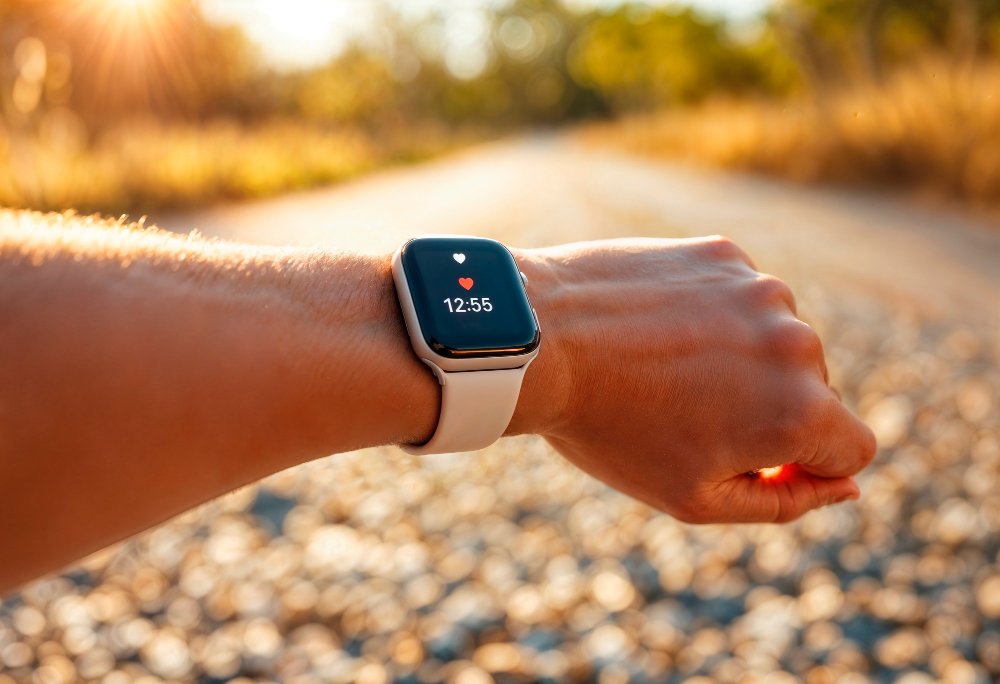
Led by bioengineering researcher Kunal Gupta, the research uses data from devices such as smart watches to detect stress or low mood early. The approach aims to complement existing mental health services rather than replace professional care.
One project, Tōku Hoa, uses an AI-powered virtual companion that responds to biological signals and daily behaviour to encourage small, practical actions. The system is designed to help users recognise patterns in mood and stress over time.
With clinical and community testing planned, the research highlights the potential of adaptive AI systems to provide earlier, more personalised mental health support for young men who are often reluctant to seek help.
Would you like to learn more about AI, tech and digital diplomacy? If so, ask our Diplo chatbot!