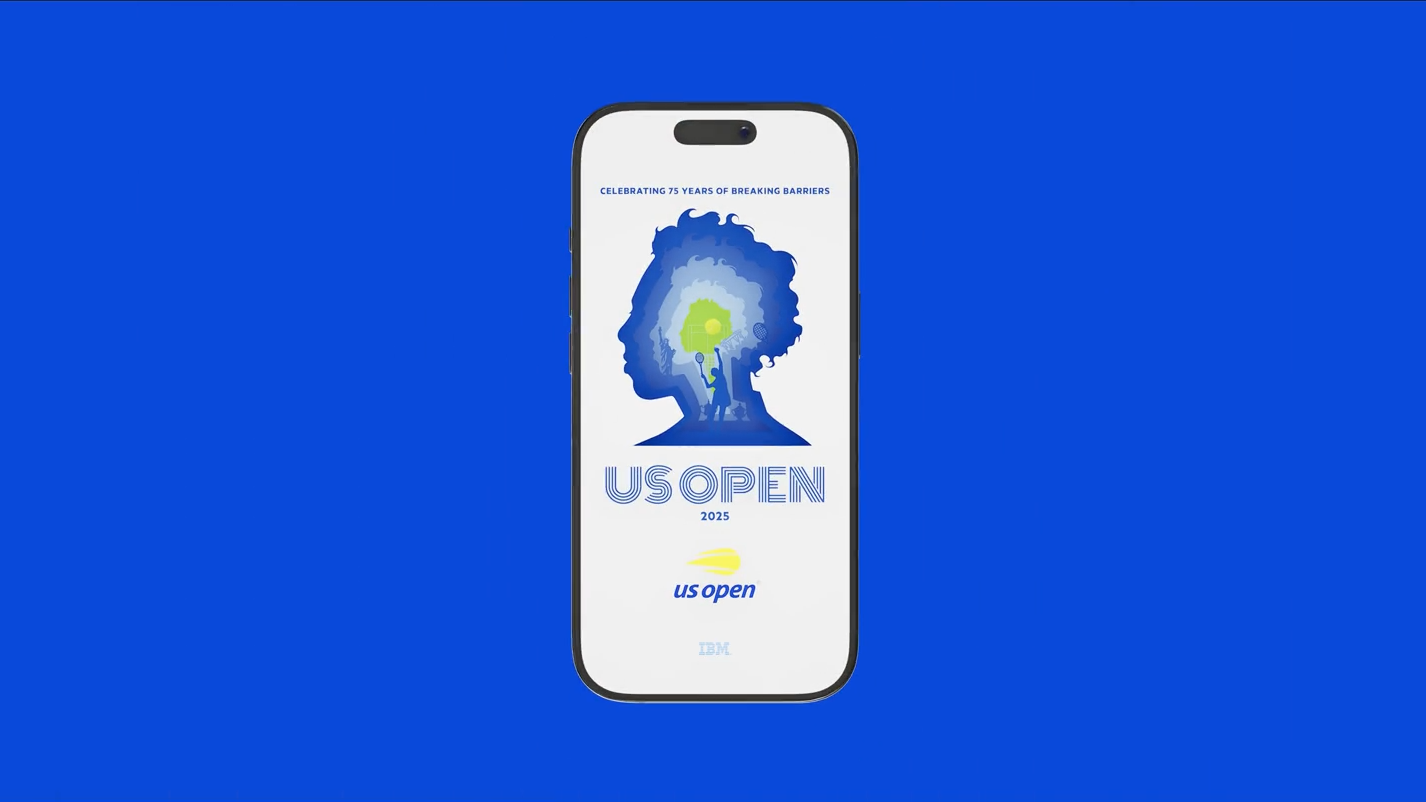
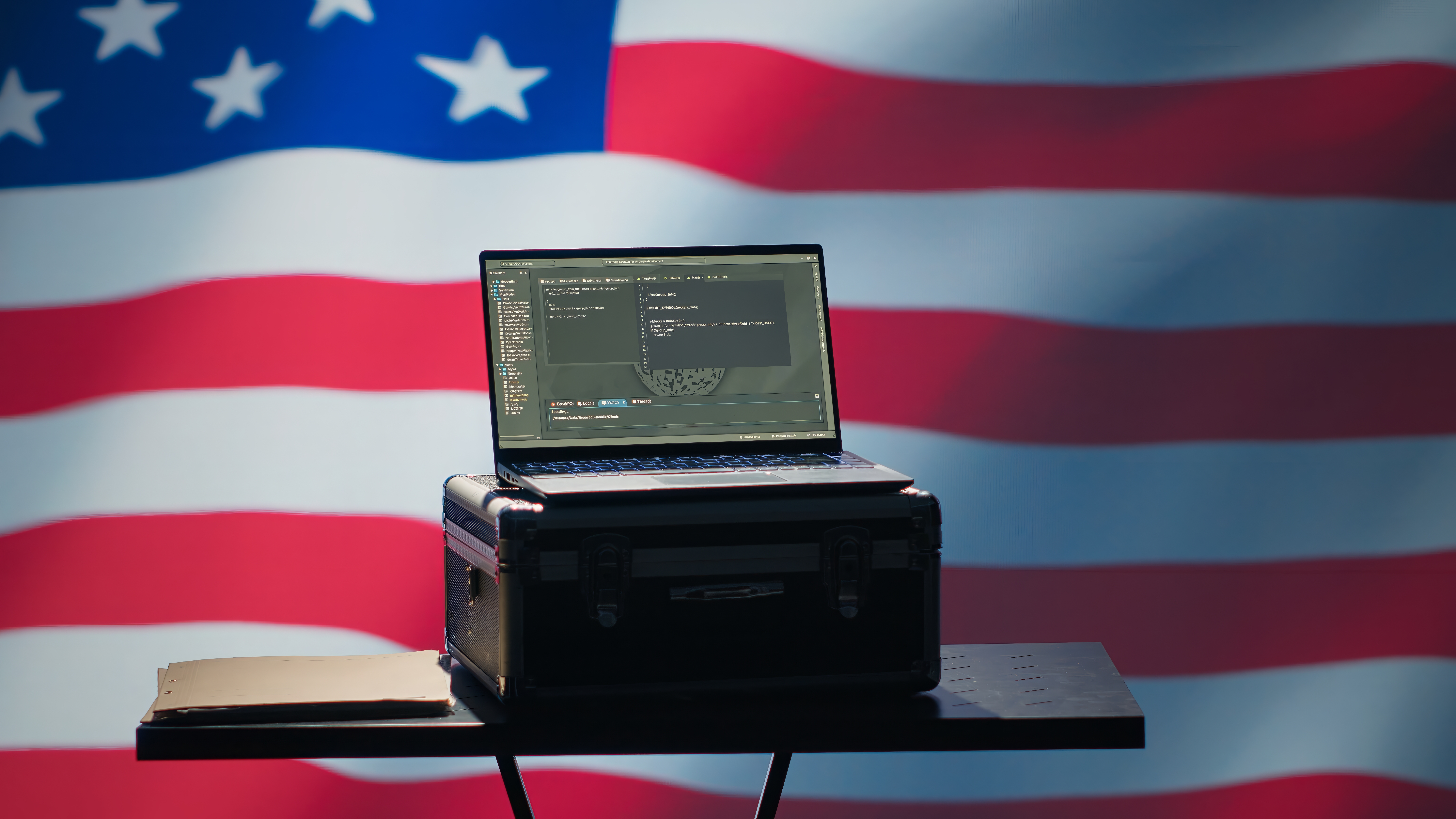
The United States Tennis Association has introduced AI-powered experiences at the US Open in partnership with IBM. Fans can now access Match Chat, an AI assistant answering player stat questions and offering interactive insights during the 254 singles matches.
The assistant is powered by IBM WatsonX Orchestrate technology, combining AI agents and language models trained on US Open data. The organisations have also enhanced IBM SlamTracker, which projects live win probabilities and provides AI-generated post-match commentary for deeper analysis.
According to Brian Ryerson of the USTA, between 13 and 15 million visitors are expected to use these platforms. He noted the association’s roadmap has focused on hybrid cloud and AI for fan engagement and to strengthen core operations.
Behind the scenes, the USTA is streamlining infrastructure management, optimising costs, and enhancing resilience with IBM’s AI tools. Its editorial team has increased content production by 300% using bespoke AI systems, starting with AI match summaries before refining them manually.
Globally, sports bodies are also adopting AI for fans and operations. The NFL and Wimbledon have launched similar tools, while USTA’s hybrid cloud infrastructure ensures the Open withstands surges up to 50 times normal load without disrupting fan experiences.
Would you like to learn more about AI, tech, and digital diplomacy? If so, ask our Diplo chatbot!
Singapore has launched a $27 billion initiative to boost AI readiness and protect jobs, as global tensions and automation reshape the workforce.
Prime Minister Lawrence Wong stressed that securing employment is key to national stability, particularly as geopolitical shifts and AI adoption accelerate.
IMF research warns Singapore’s skilled workers, especially women and youth, are among the most exposed to job disruption from AI technologies.
To address this, the government is expanding its SkillsFuture programme and rolling out local initiatives to connect citizens with evolving job markets.
The tech investment includes $5 billion for AI development and positions Singapore as a leader in digital transformation across Southeast Asia.
Social challenges remain, however, with rising inequality and risks to foreign workers highlighting the need for broader support systems and inclusive policy.
Would you like to learn more about AI, tech and digital diplomacy? If so, ask our Diplo chatbot!
According to Science and Technology Daily, Chinese researchers have reported a breakthrough in quantum drug discovery using edge encoding. Origin Quantum, USTC, and the Hefei AI Institute built a quantum-embedded graph neural network (GNN) to predict drug-molecule properties.
In drug development, graph neural networks model molecules as atoms and bonds. Classical and some quantum approaches handle atoms well but struggle with bonds. The gap limits accuracy and screening speed.
The team from China introduced quantum edge and node embeddings to process bonds and atoms simultaneously at the quantum level. The quantum-embedded GNN unifies both signals in one pass. Results show sharper predictions for the properties of candidate drugs.
Validation on the Origin Wukong quantum computer indicates stable performance despite today’s noisy hardware. Benchmarking suggests efficiency gains for molecular screening pipelines. Researchers say the approach is production-oriented as devices scale.
Findings appear in the Journal of Chemical Information and Modelling. Collaboration highlights China’s push to integrate quantum computing with biopharmaceutical research and development. More exhaustive testing on larger qubit counts is anticipated.
Would you like to learn more about AI, tech, and digital diplomacy? If so, ask our Diplo chatbot!
A recent survey by the Association of Accounting Technicians (AAT) finds that two in five people would consider a career in accountancy if AI could handle routine tasks. The research suggests automation may improve the profession’s appeal by shifting the focus from admin to strategic support.
Among current accountants, four in five agree that AI tools have made their roles easier by lightening administrative burdens, while 80% say it enables more problem-solving and advisory work. AI will enhance efficiency and accuracy, and allow finance professionals to concentrate on impactful tasks.
The survey reveals 42% of those who have worked in accounting say AI tools have been genuinely valuable; this rises to 55% for 25- to 34-year-olds. Most also support upskilling, with nearly 80% interested in developing AI and machine learning skills as part of workplace training.
Claire Bennison of AAT stresses that AI is not here to replace accountants but to empower them. She argues that building an AI-savvy workforce is essential in meeting skills shortages and modernising the finance profession.
Would you like to learn more about AI, tech and digital diplomacy? If so, ask our Diplo chatbot!
In mid-2025, the debate over AI in programming mirrors historic resistance to earlier breakthroughs in computing. Critics say current AI coding tools often slow developers and create overconfidence, while supporters argue they will eventually transform software creation.
The Register compares this moment to the 1950s, when Grace Hopper faced opposition to high-level programming languages. Similar scepticism greeted technologies such as C, Java, and intermediate representation, which later became integral to modern computing.
Current AI tools face limits in resources, business models, and capability. Yet, as past trends show, these constraints may fade as hardware, training, and developer practices improve. Advocates believe AI will shift human effort toward design and problem definition rather than manual coding.
For now, adoption remains a mixed blessing, with performance issues and unrealistic expectations. But history suggests that removing barriers between ideas and results catalyses lasting change.
Would you like to learn more about AI, tech and digital diplomacy? If so, ask our Diplo chatbot!
OpenAI has released reasoning-focused open-weight models in a strategic response to China’s surging AI ecosystem, led by DeepSeek’s disruptive efficiency. Unlike earlier coverage, the shift is framed not merely as competitive posturing but as a deeper recognition of shifting innovation philosophies.
DeepSeek’s rise stems from maximizing limited resources under the US’s export restrictions, proving that top-tier AI doesn’t require massive chip clusters. The agility has emboldened the open-source AI sector in China, where over 10 labs now rival those in the US, fundamentally reshaping competitive dynamics.
OpenAI’s ‘gpt-oss’ models, which reveal numerical parameters for customization, mark a departure from its traditional closed approach. Industry watchers see this as a hybrid play, retaining proprietary strengths while embracing openness to appeal to global developers.
The implications stretch beyond technology into geopolitics. US export controls may have inadvertently fueled Chinese AI innovation, with DeepSeek’s self-reliant architecture now serving as a proof point for resilience. DeepSeek’s achievement challenges the US’s historically resource-intensive approach to AI.
AI rivalry may spur collaboration or escalate competition. DeepSeek advances models like DeepSeek-MoE, while OpenAI strikes a balance between openness and monetization. Global AI dynamics shift, raising both technological and philosophical stakes.
Would you like to learn more about AI, tech, and digital diplomacy? If so, ask our Diplo chatbot!
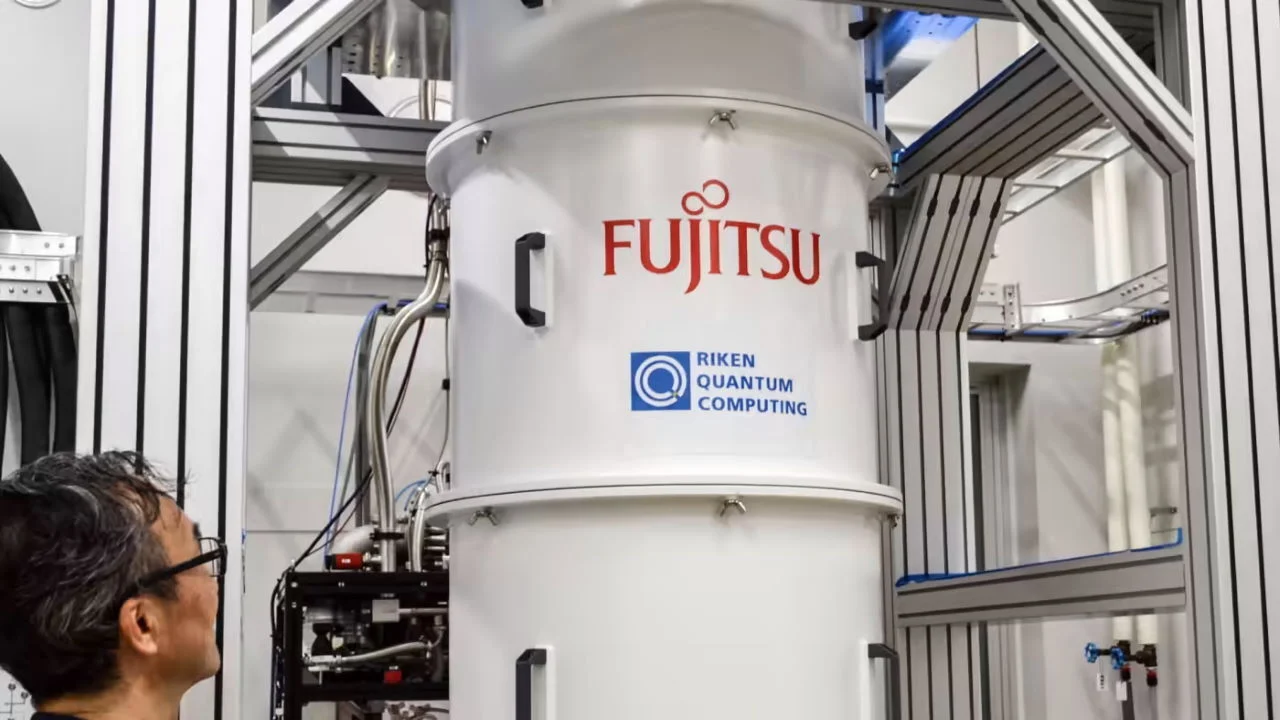
Fujitsu has officially embarked on developing a superconducting quantum computer capable of exceeding 10,000 physical qubits, aiming to complete construction by fiscal 2030. The system will feature approximately 250 logical qubits and leverage the firm’s internally developed ‘STAR architecture’ for early-stage fault-tolerant quantum computing.
Japan’s National Energy and Industrial Technology Organization (NEDO) supports the project under its Post‑5G Infrastructure development program through 2027, alongside collaboration with AIST and RIKEN. Development efforts concentrate on key scaling challenges: precise qubit production, interconnect wiring, dense cryogenic packaging, cost-effective control systems, and error-correction methods.
Beyond 2030, Fujitsu aims to fuse superconducting and diamond spin-based qubits to deliver a 1,000-logical-qubit system by fiscal 2035. The roadmap anticipates designing multi-chip quantum systems to push beyond current limitations in scale and reliability.
Would you like to learn more about AI, tech and digital diplomacy? If so, ask our Diplo chatbot!
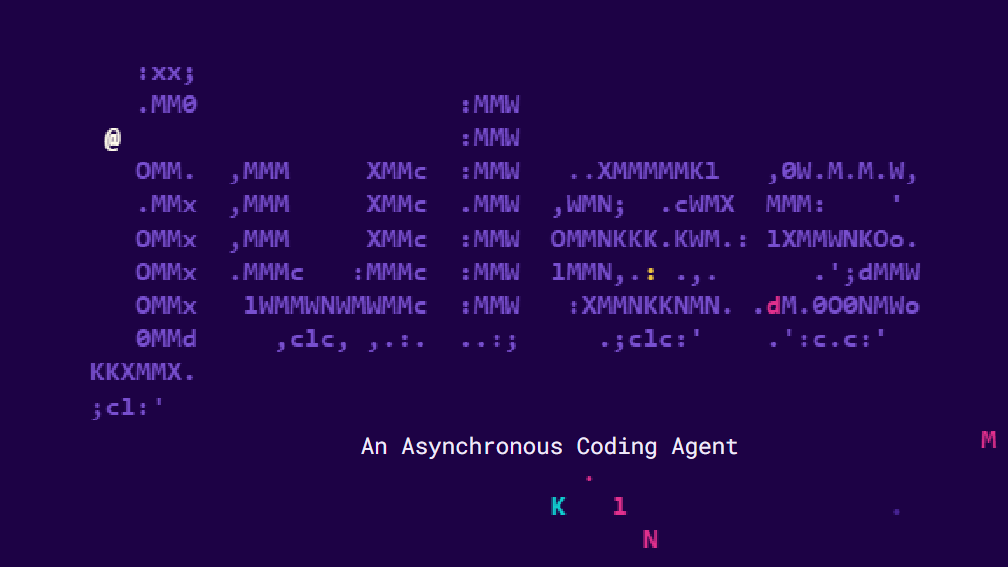
Google has released its autonomous coding agent Jules for free public use, offering AI-powered code generation, debugging, and optimisation. Built on the Gemini 2.5 Pro model, the tool completed a successful beta phase before entering general availability with both free and paid plans.
Jules supports a range of users, from developers to non-technical staff, automating tasks like building features or integrating APIs. The free version allows 15 tasks per day, while the Pro tier significantly raises the limits, providing access to more powerful tools.
Beta testing began in May 2025 and saw Jules process hundreds of thousands of tasks. Its new interface now includes visual explanations and bug fixes, refining usability. Integrated with GitHub and Gemini CLI, Jules can suggest optimisations, write tests, and even provide audio summaries.
Google positions Jules as a step beyond traditional code assistants by enabling autonomy. However, former researchers warn that oversight remains essential to avoid misuse, especially in sensitive systems where AI errors could be costly.
While its free tier may appeal to startups and hobbyists, concerns over code originality and job displacement persist. Nonetheless, Jules could reshape development workflows and lower barriers to coding for a much broader user base.
Would you like to learn more about AI, tech, and digital diplomacy? If so, ask our Diplo chatbot!
Colorado lawmakers face a dual challenge as they return to the State Capitol on 21 August for a special session: closing a $1.2 billion budget shortfall and revisiting a pioneering yet controversial law regulating AI.
Senate Bill 24-205, signed into law in May 2024, aims to reduce bias in AI decision-making affecting areas such as lending, insurance, education, and healthcare. While not due for implementation until February 2026, critics and supporters now expect that deadline to be extended.
Representative Brianna Titone, one of the bill’s sponsors, emphasised the importance of transparency and consumer safeguards, warning of the risks associated with unregulated AI. However, unexpected costs have emerged. State agencies estimate implementation could cost up to $5 million, a far cry from the bill’s original fiscal note.
Governor Polis has called for amendments to prevent excessive financial and administrative burdens on state agencies and businesses. The Judicial Department now expects costs to double from initial projections, requiring supplementary budget requests.
Industry concerns centre on data-sharing requirements and vague regulatory definitions. Critics argue the law could erode competitive advantage and stall innovation in the United States. Developers are urging clarity and more time before compliance is enforced.
Would you like to learn more about AI, tech, and digital diplomacy? If so, ask our Diplo chatbot!
Over 1,000 employees are now based at Hubballi, where the new Living Lab delivers services across sectors such as manufacturing, healthcare, financial services, and space technology. Strategic ties with local academic institutions like IIIT Dharwad are intended to nurture future-ready talent close to operations.
Local leaders framed the centre as a corrective to past underutilisation concerns and a driver of industry-academia collaboration. By encouraging expansion to other districts, they set the tone for inclusive growth and long-term innovation across North Karnataka.
Would you like to learn more about AI, tech and digital diplomacy? If so, ask our Diplo chatbot!