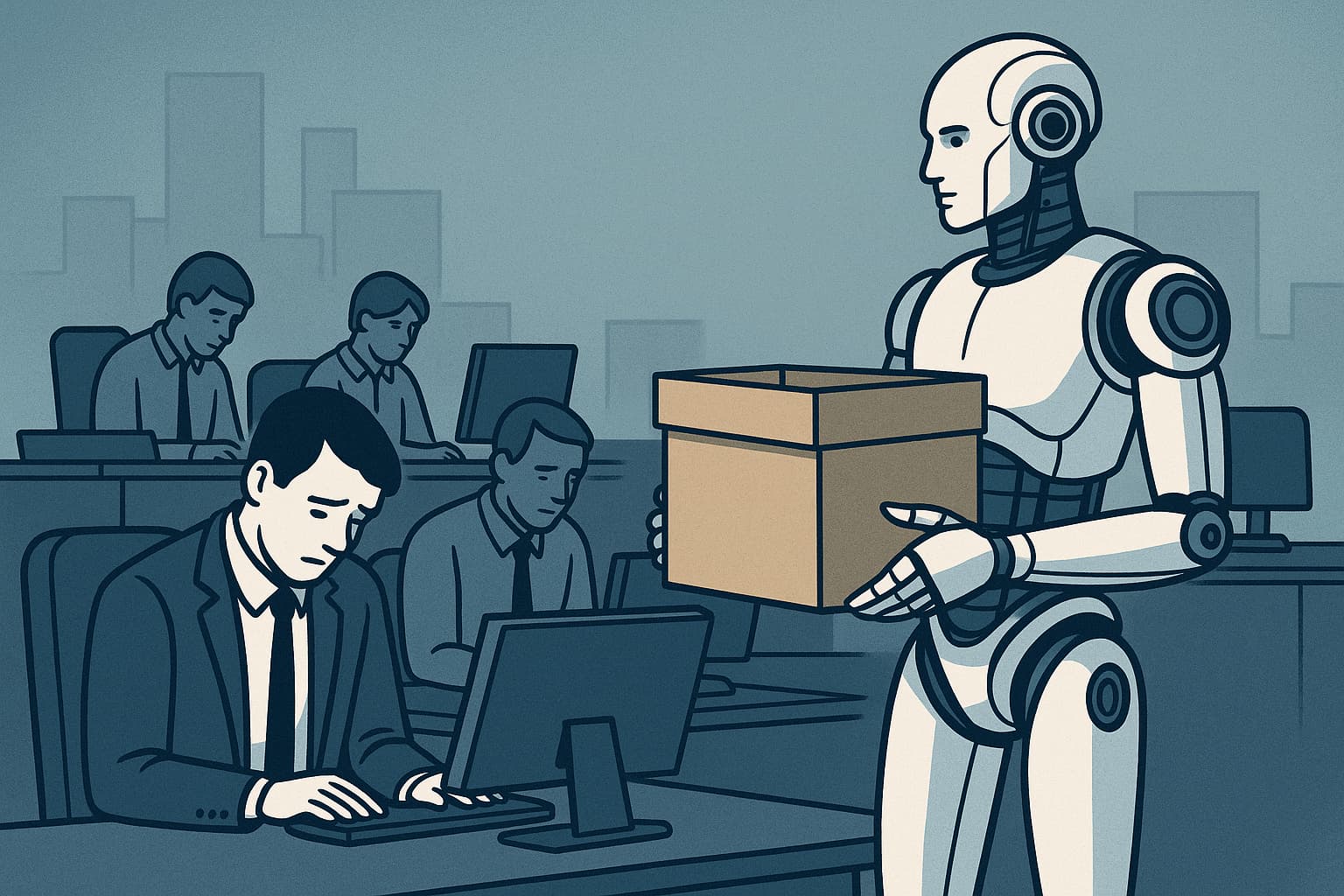
Pakistan aims to become global crypto and AI leader

Pakistan has set aside 2,000 megawatts of electricity in a major push to power Bitcoin mining and AI data centres, marking the start of a wider national digital strategy.

Led by the Pakistan Crypto Council (PCC), a body under the Ministry of Finance, this initiative aims to monetise surplus energy instead of wasting it, while attracting foreign investment, creating jobs, and generating much-needed revenue.

Bilal Bin Saqib, CEO of the PCC, stated that with proper regulation and transparency, Pakistan can transform into a global powerhouse for crypto and AI.

By redirecting underused power capacity, particularly from plants operating below potential, Pakistan seeks to convert a longstanding liability into a high-value asset, earning foreign currency through digital services and even storing Bitcoin in a national wallet.

Global firms have already shown interest, following recent visits from international miners and data centre operators.

Pakistan’s location — bridging Asia, the Middle East, and Europe — coupled with low energy costs and ample land, positions it as a competitive alternative to regional tech hubs like India and Singapore.

The arrival of the Africa-2 subsea cable has further boosted digital connectivity and resilience, strengthening the case for domestic AI infrastructure.

It is just the beginning of a multi-stage rollout. Plans include using renewable energy sources like wind, solar, and hydropower, while tax incentives and strategic partnerships are expected to follow.

With over 40 million crypto users and increasing digital literacy, Pakistan aims to emerge not just as a destination for digital infrastructure but as a sovereign leader in Web3, AI, and blockchain innovation.

Would you like to learn more about AI, tech and digital diplomacy? If so, ask our Diplo chatbot!

Claude Opus 4 sets a benchmark in AI coding as Anthropic’s revenue doubles

Anthropic has released Claude Opus 4 and Claude Sonnet 4, its most advanced AI models to date. The launch comes amid rapid industry growth, with the company’s annualised revenue reportedly doubling to $2 billion in the first quarter of 2025.

The Claude 4 models, backed by Amazon and developed by former OpenAI executives, feature improvements in coding, autonomous task execution, and reasoning.

Opus 4 leads in the SWE-bench coding benchmark at 72.5 percent, outperforming OpenAI’s GPT-4.1 and Google’s Gemini 2.5 Pro. Designed for extended task execution, it can maintain focus for up to seven hours, simulating a full workday.

Anthropic says both Opus 4 and Sonnet 4 use hybrid reasoning systems. These allow near-instant responses alongside extended, tool-assisted tasks, including independent web searches, file analysis, and use of multiple tools simultaneously.

Claude models can also build ‘tacit knowledge’ from local file interactions, supporting continuity over time. Sonnet 4, a more efficient alternative to Opus, offers improved instruction following and is already integrated into GitHub’s next Copilot agent.

Both models support expanded developer tools and memory caching through Anthropic’s API, with direct integration into environments like VS Code and JetBrains.

Pricing for Claude Opus 4 is set at $15 per million input tokens and $75 per million output tokens. Sonnet 4 is offered at lower rates of $3 and $15, respectively. Opus 4 is included in Claude’s Pro, Max, Team, and Enterprise tiers, while Sonnet 4 is accessible to free users.

The release also includes Claude Code, a developer assistant capable of reviewing pull requests, resolving CI errors, and proposing code edits. New API features support GitHub integrations, execution tools, and file management.

Anthropic is positioning itself in direct competition with OpenAI, Google, and Meta. While other firms lead in general reasoning and multimodal performance, Anthropic’s strength lies in sustained coding and planning tasks.

However, the company also acknowledged new safety concerns. Claude Opus 4 has triggered Anthropic’s AI Safety Level 3 protocol, following internal findings that it could help users with limited expertise produce hazardous materials.

In response, more than 100 safety controls have been implemented, including real-time monitoring, restricted data egress, and a bug bounty program. Claude Opus 4 and Sonnet 4 are available via Anthropic’s API, Amazon Bedrock, and Google Cloud Vertex AI.

Would you like to learn more about AI, tech and digital diplomacy? If so, ask our Diplo chatbot!
Nvidia ramps up AI push with new Taiwan plans

Nvidia CEO Jensen Huang has urged Taiwan to embrace agentic AI and robotics to tackle its ongoing labour shortage.

Speaking before his departure from Taipei after a week-long visit, Huang said 2025 would be a ‘very exciting’ year for AI, as the technology now possesses the ability to ‘reason’ and carry out step-by-step problem-solving never encountered before.

The new wave of agentic AI, he explained, could assist people with various workplace and everyday tasks.

Huang added that Taiwan, despite being a hub of innovation, faces a lack of manpower. ‘Now with AI and robots, Taiwan can expand its opportunity,’ he said.

He also expressed enthusiasm over the production ramp-up of Blackwell, Nvidia’s latest GPU architecture built for AI workloads, noting that partners across Taiwan are already in full swing.

Huang’s trip included meetings with local partners and a keynote at Computex Taipei, where he unveiled Nvidia’s new Taiwan office and plans for the country’s first large-scale AI supercomputer.

In a TV interview, Huang urged the Taiwanese government to invest more in energy infrastructure to support the growing AI sector. He warned that the energy demands of AI development could exceed 100 megawatts in the near future, stressing that energy availability is the key limitation.

Taiwan’s expanding AI ecosystem — from chip plants to educational institutions — would require substantial support to thrive, he said, pledging to return for Chinese New Year.

Would you like to learn more about AI, tech and digital diplomacy? If so, ask our Diplo chatbot!

Silicon Valley fights over AI elite

Silicon Valley’s race to dominate AI has shifted focus from data centres and algorithms to a more human battlefield — elite researchers.

Since the arrival of ChatGPT in late 2022, the competition to attract and retain top AI minds has intensified, with companies offering staggering incentives to a tiny pool of experts.

Startups and tech giants alike are treating recruitment like a high-stakes game of chess. Former OpenAI researcher Ariel Herbert-Voss compared hiring strategies to balancing game pieces: ‘Do I have enough rooks? Enough knights?’

Companies like OpenAI, Google DeepMind, and Elon Musk’s xAI are pulling out all the stops — from private jets to personal calls — to secure researchers whose work can directly shape AI breakthroughs.

OpenAI has reportedly offered multi-million dollar bonuses to deter staff from joining rivals such as SSI, the startup led by former chief scientist Ilya Sutskever. Some retention deals include $2 million in bonuses and equity packages worth $20 million or more, with just a one-year commitment.

Google DeepMind has also joined the race with $20 million annual packages and fast-tracked stock vesting schedules for top researchers.

What makes this talent war so intense is the scarcity of these individuals. Experts estimate that only a few dozen to perhaps a thousand researchers are behind the most crucial advances in large language models.

With high-profile departures, such as OpenAI’s Mira Murati founding a new rival and recruiting 20 colleagues, the fight for AI’s brightest minds shows no signs of slowing.

Would you like to learn more about AI, tech and digital diplomacy? If so, ask our Diplo chatbot!

Quantum computing partnership launches in Doha

Quantinuum and Al Rabban Capital have announced a new venture aimed at advancing quantum computing in Qatar and the region.

The partnership seeks to provide access to Quantinuum’s technologies, co-develop relevant quantum applications and train a new generation of developers.

This move aligns with Qatar’s ambition to become a hub for advanced technologies. Applications will focus on energy, medicine, genomics, and finance, with additional potential in emerging fields like Generative Quantum AI.

The venture builds on existing collaborations with Hamad Bin Khalifa University and the Qatar Center for Quantum Computing. Quantinuum’s expansion into Qatar follows growth across the US, UK, Europe, and Indo-Pacific.

Leaders from both organisations see this as a strategic milestone, strengthening technological ties between Qatar and the West. The joint venture not only supports national goals but also reflects rising global demand for quantum technologies.

Would you like to learn more about AI, tech and digital diplomacy? If so, ask our Diplo chatbot!

Tesla robot learns to cook and clean

Tesla has released a new video showing its Optimus robot performing a variety of domestic tasks, from vacuuming floors to stirring food. Instructed through natural language prompts, the robot handled chores such as cleaning a table, tearing paper towels, and taking out the bin with notable precision.

The development marks another step forward in Tesla’s goal of making humanoid robots useful in everyday settings. The Optimus team claims a breakthrough now allows the robot to learn directly from first-person human videos, accelerating task training compared to traditional methods.

Reinforcement learning is also being used to help Optimus refine its skills through trial and error in simulations or the real world. Tesla hopes to eventually deploy thousands of these robots in its factories to perform repetitive or hazardous jobs.

While still far from superhuman, Optimus’s progress highlights how Tesla is positioning itself in the race to commercialise humanoid robots. Competitors around the world are also developing robots for work and home environments, aiming to reshape how humans interact with machines.

Would you like to learn more about AI, tech and digital diplomacy? If so, ask our Diplo chatbot!
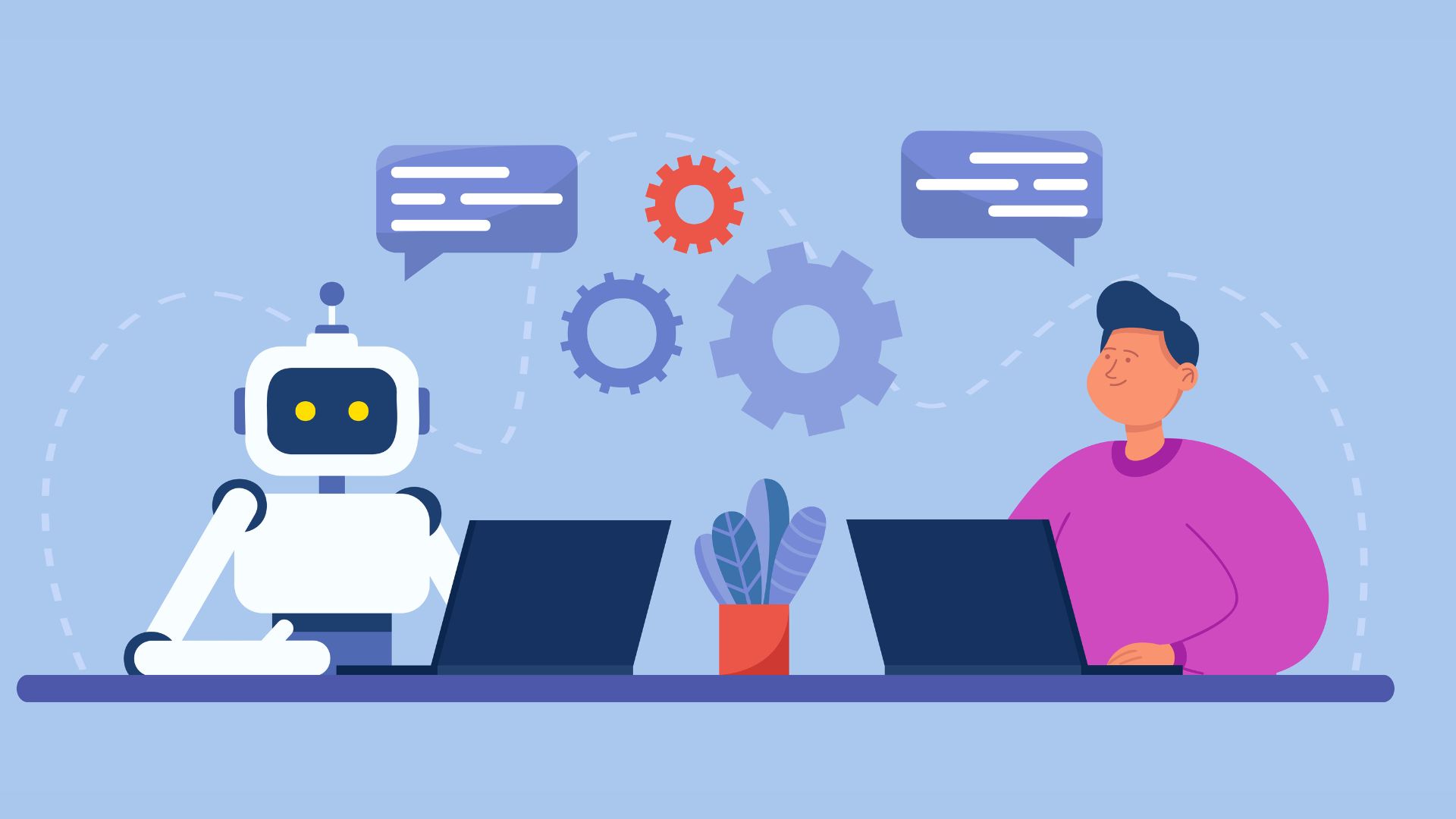
Jersey artists push back against AI art

A Jersey illustrator has spoken out against the growing use of AI-generated images, calling the trend ‘heartbreaking’ for artists who fear losing their livelihoods to technology.

Abi Overland, known for her intricate hand-drawn illustrations, said it was deeply concerning to see AI-created visuals being shared online without acknowledging their impact on human creators.

She warned that AI systems often rely on artists’ existing work for training, raising serious questions about copyright and fairness.

Overland stressed that these images are not simply a product of new tools but of years of human experience and emotion, something AI cannot replicate. She believes the increasing normalisation of AI content is dangerous and could discourage aspiring artists from entering the field.

Fellow Jersey illustrator Jamie Willow echoed the concern, saying many local companies are already replacing human work with AI outputs, undermining the value of art created with genuine emotional connection and moral integrity.

However, not everyone sees AI as a threat. Sebastian Lawson of Digital Jersey argued that artists could instead use AI to enhance their creativity rather than replace it. He insisted that human creators would always have an edge thanks to their unique insight and ability to convey meaning through their work.

The debate comes as the House of Lords recently blocked the UK government’s data bill for a second time, demanding stronger protections for artists and musicians against AI misuse.

Meanwhile, government officials have said they will not consider any copyright changes unless they are sure such moves would benefit creators as well as tech companies.

Would you like to learn more about AI, tech and digital diplomacy? If so, ask our Diplo chatbot!

Google unveils Veo 3 with audio capabilities

Google has introduced Veo 3, its most advanced video-generating AI model to date, capable of producing sound effects, ambient noise and dialogue to accompany the footage it creates.

Announced at the Google I/O 2025 developer conference, Veo 3 is available through the Gemini chatbot for those subscribed to the $249.99-per-month AI Ultra plan. The model accepts both text and image prompts, allowing users to generate audiovisual scenes rather than silent clips.

Unlike other AI tools, Veo 3 can analyse raw video pixels to synchronise audio automatically, offering a notable edge in an increasingly crowded field of video-generation platforms. While sound-generating AI isn’t new, Google claims Veo 3’s ability to match audio precisely with visual content sets it apart.

The progress builds on DeepMind’s earlier work in ‘video-to-audio’ AI and may rely on training data from YouTube, though Google hasn’t confirmed this.

To help prevent misuse, such as the creation of deepfakes, Google says Veo 3 includes SynthID, its proprietary watermarking technology that embeds invisible markers in every generated frame. Despite these safeguards, concerns remain within the creative industry.

Artists fear tools like Veo 3 could replace thousands of jobs, with a recent study predicting over 100,000 roles in film and animation could be affected by AI before 2026.

Alongside Veo 3, Google has also updated Veo 2. The earlier model now allows users to edit videos more precisely, adding or removing elements and adjusting camera movements. These features are expected to become available soon on Google’s Vertex AI API platform.

Would you like to learn more about AI, tech and digital diplomacy? If so, ask our Diplo chatbot!

AI robots are changing the way we buy cars

Humanoid robots are beginning to transform car dealerships, with Chinese manufacturer Chery showcasing its advanced sales assistant, Mornine, at the 2025 Shanghai Auto Show. With 220 units planned for rollout worldwide, Chery aims to lead the shift toward robotic retail experiences.

Already in use in Malaysia, Mornine can explain car features, guide showroom tours, serve refreshments and even speak multiple languages. Designed to appeal to tech-savvy buyers, the robot blends physical dexterity with AI-powered natural language capabilities.

Mornine responds to voice and gesture commands, walking upright and interacting with customers in a personalised, human-like manner. Her conversational abilities are driven by advanced large language models, making her explanations more structured and engaging than typical sales interactions.

The company sees wider applications for its robots in malls, cinemas, and even eldercare, positioning AI humanoids as daily companions. As robotics and artificial intelligence continue to evolve, automakers like Chery believe these machines will play as vital a role in the customer journey as the vehicles themselves.

Would you like to learn more about AI, tech and digital diplomacy? If so, ask our Diplo chatbot!

Can AI replace therapists?

With mental health waitlists at record highs and many struggling to access affordable therapy, some are turning to AI chatbots for support.

Kelly, who waited months for NHS therapy, found solace in character.ai bots, describing them as always available, judgment-free companions. ‘It was like a cheerleader,’ she says, noting how bots helped her cope with anxiety and heartbreak.

But despite emotional benefits for some, AI chatbots are not without serious risks. Character.ai is facing a lawsuit from the mother of a 14-year-old who died by suicide after reportedly forming a harmful relationship with an AI character.

Other bots, like one from the National Eating Disorder Association, were shut down after giving dangerous advice.

Even so, demand is high. In April 2024 alone, 426,000 mental health referrals were made in England, and over a million people are still waiting for care. Apps like Wysa, used by 30 NHS services, aim to fill the gap by offering CBT-based self-help tools and crisis support.

Experts warn, however, that chatbots lack context, emotional intuition, and safeguarding. Professor Hamed Haddadi calls them ‘inexperienced therapists’ that may agree too easily or misunderstand users.

Ethicists like Dr Paula Boddington point to bias and cultural gaps in the AI training data. And privacy is a looming concern: ‘You’re not entirely sure how your data is being used,’ says psychologist Ian MacRae.

Still, users like Nicholas, who lives with autism and depression, say AI has helped when no one else was available. ‘It was so empathetic,’ he recalls, describing how Wysa comforted him during a night of crisis.

A Dartmouth study found AI users saw a 51% drop in depressive symptoms, but even its authors stress bots can’t replace human therapists. Most experts agree AI tools may serve as temporary relief or early intervention—but not as long-term substitutes.

As John, another user, puts it: ‘It’s a stopgap. When nothing else is there, you clutch at straws.’

Would you like to learn more about AI, tech and digital diplomacy? If so, ask our Diplo chatbot!