Federal Reserve Governor Christopher Waller has called for a regulatory framework allowing both banks and non-banks to issue stablecoins. Speaking at a conference in San Francisco, he stressed that a well-defined approach is essential for stablecoins to reach their full potential and expand the global influence of the US dollar.
Waller highlighted the need for regulations that directly and fully address stablecoin risks, ensuring they can be integrated into the financial system. His views align with those of Fed Chair Jerome Powell, who previously voiced strong support for developing a stablecoin framework in the US.
Efforts to regulate stablecoins are gaining momentum in Congress, with both Republican and Democratic lawmakers proposing oversight measures. Recent bills from Rep. Maxine Waters and Rep. French Hill take different approaches to stablecoin supervision, reflecting an ongoing debate over whether the Federal Reserve or the Office of the Comptroller of the Currency should take the lead.
As stablecoins continue to grow in importance, clear regulations could shape their role in the broader financial system. With policymakers actively working on proposals, the future of stablecoin oversight remains a key issue in Washington.
For more information on these topics, visit diplomacy.edu.
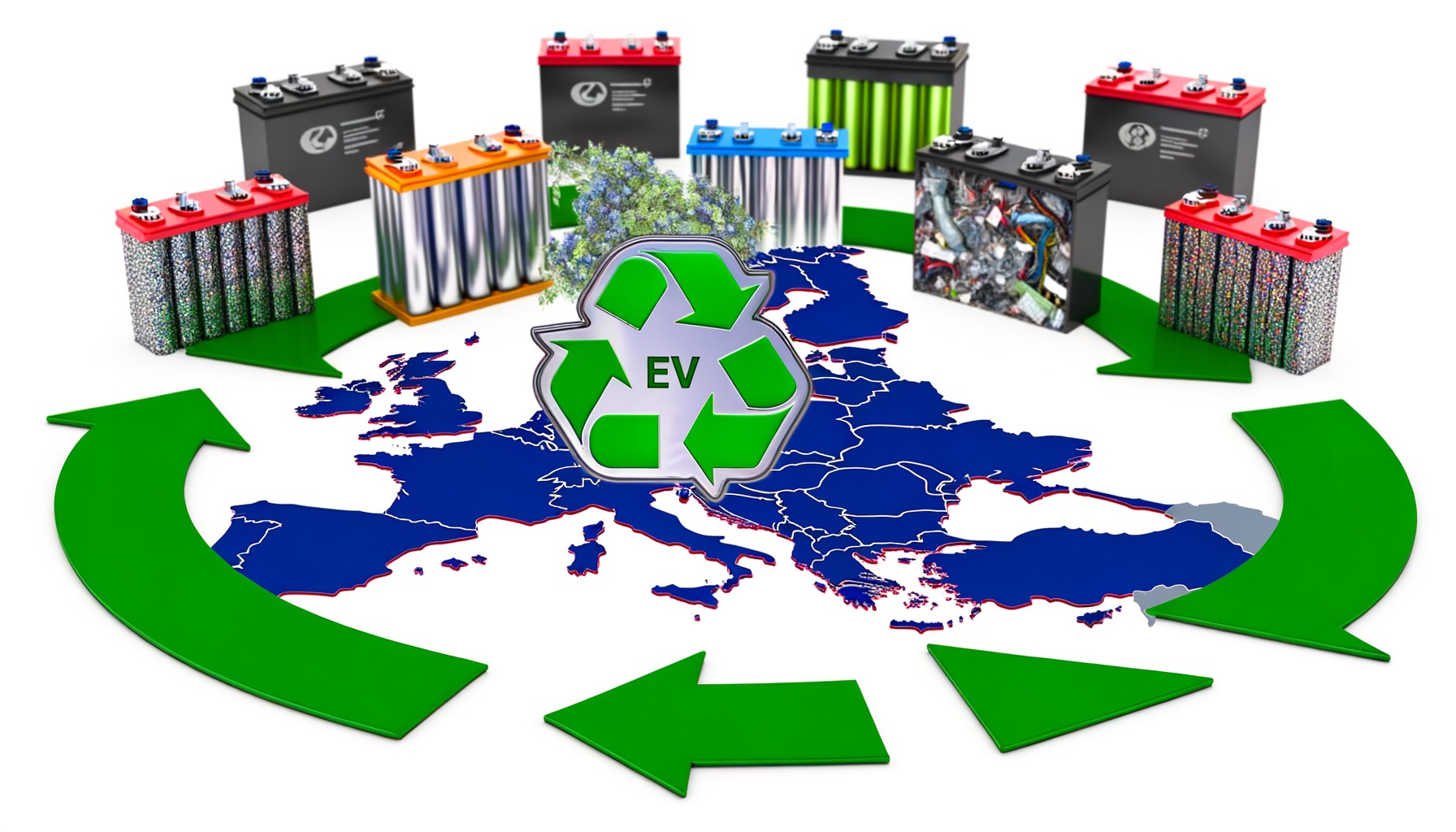
Two European startups have reached key milestones in electric vehicle (EV) battery recycling as they prepare to meet upcoming EU regulations and reduce reliance on China‘s battery supply chain. From August 2030, European automakers must ensure a minimum percentage of recycled materials in their EV batteries, spurring companies to develop advanced recycling technologies.
British startup Altilium has demonstrated that small batteries made with its recycled cathode active materials perform as well as or better than those using virgin materials from China. Research from Imperial College London showed that its process cuts CO2 emissions by 70% and reduces costs by 20%. The company, backed by investors including Sociedad Quimica y Minera de Chile and Marubeni, is currently working with Tata Motors’ JLR to recycle materials from old Jaguar i-Pace EVs.
Germany‘s tozero is developing a net-zero emissions process for recycling graphite, a key battery material that accounts for 40% of a lithium-ion battery’s carbon footprint. With €17 million in investment from backers including Honda, tozero plans to build a pilot plant within two years and produce around 2,000 tonnes of recycled graphite annually by 2027. The company is in talks with global automakers to supply them with its recycled materials, supporting the industry’s shift towards more sustainable EV production.
For more information on these topics, visit diplomacy.edu.
OpenAI has announced plans to simplify its artificial intelligence product line by combining its o-series and GPT-series models into a unified system. CEO Sam Altman revealed the strategy in a post on X, highlighting the need for more accessible AI tools.
The decision marks a shift away from standalone releases, such as the previously unveiled o3 and o3 mini models.
The company aims to launch GPT-5 as a comprehensive AI system that incorporates the features of earlier models, addressing user concerns about complexity. Altman stressed the importance of creating tools that ‘just work’ while providing no exact timeline for the rollout.
OpenAI also plans to release GPT-4.5, codenamed ‘Orion’, as its final non-chain-of-thought model.
The announcement follows increased scrutiny over AI development costs, with competitors like China’s DeepSeek introducing more affordable alternatives. The move aligns with OpenAI’s efforts to remain competitive while addressing usability issues.
By streamlining its offerings, OpenAI hopes to deliver systems capable of handling diverse tasks and leveraging available tools seamlessly. The new roadmap reflects a broader industry trend towards efficiency and user-centric design.
For more information on these topics, visit diplomacy.edu.
A New York senator has introduced a bill to create a task force dedicated to studying the impact of cryptocurrencies in the state. The proposed legislation, known as the New York State Cryptocurrency and Blockchain Study Act, aims to assess how digital currencies affect tax revenues, energy consumption, and regulatory policies.
If approved, the task force will consist of 17 members and will analyse key aspects of the crypto industry, including the number of digital currencies traded, the exchanges operating in New York, and how the state’s regulations compare to other jurisdictions. The group will also evaluate the environmental impact of cryptocurrency mining and recommend measures to enhance transparency and consumer protection.
The bill is still in its early stages and must pass committee review before moving to a full vote. New York has long been a major hub for crypto, but its strict BitLicense requirements have faced criticism for being too restrictive. As more US states explore crypto regulations, the outcome of this bill could shape the future of digital assets in New York.
For more information on these topics, visit diplomacy.edu.
The European Commission has abandoned proposed regulations on technology patents, AI liability, and privacy rules for messaging apps, citing a lack of foreseeable agreement among EU lawmakers and member states. The draft rules faced strong opposition from industry groups and major technology firms. A proposed regulation on standard essential patents, designed to streamline licensing disputes for telecom and smart device technologies, was scrapped after opposition from patent holders like Nokia and Ericsson. Car manufacturers and tech giants such as Apple and Google had pushed for reforms to reduce royalty costs.
A proposal that would have allowed consumers to sue AI developers for harm caused by their technology was also withdrawn. The AI Liability Directive, first introduced in 2022, aimed to hold providers accountable for failures in AI systems. Legal experts say the move does not indicate a shift in the EU’s approach to AI regulation, as several laws already govern the sector. Meanwhile, plans to extend telecom privacy rules to platforms like WhatsApp and Skype have been dropped. The proposal, first introduced in 2017, had been stalled due to disagreements over tracking cookies and child protection measures.
The decision has drawn mixed reactions from industry groups. Nokia welcomed the withdrawal of patent rules, arguing they would have discouraged European investment in research and development. The Fair Standards Alliance, representing firms such as BMW, Tesla, and Google, expressed disappointment, warning that the decision undermines fair patent licensing. The Commission has stated it will reassess the need for revised proposals but has not provided a timeline for future regulatory efforts.
For more information on these topics, visit diplomacy.edu.
Alphabet CEO Sundar Pichai has praised the work of Chinese startup DeepSeek, calling it an example of how AI is a truly global field. Speaking at the World Governments Summit in Dubai, he noted that innovation in AI is happening across multiple regions and that competition will continue to grow.
Pichai reaffirmed Alphabet’s ambition to remain a leading force in AI but acknowledged that other players would also shape the industry. The rapid development of AI technology has led to increased competition between major tech companies and emerging startups worldwide.
The remarks highlight the expanding global landscape of AI, with companies from China, the United States, and other regions pushing forward advancements in the field. Pichai’s comments suggest that AI leadership will be defined by a diverse range of contributors rather than a single dominant player.
For more information on these topics, visit diplomacy.edu.
Adobe has launched the first public version of its AI-powered video generation tool, Firefly Video Model, introducing competition to OpenAI’s Sora and Runway’s video-generation services. The tool is designed to integrate with Adobe’s Premiere Pro software, making it useful for film and television professionals. Instead of focusing on generating long video clips, Adobe’s model helps improve or extend real production shots that need adjustments.
The tool currently produces five-second clips at 1080p resolution, shorter than OpenAI’s 20-second limit, but Adobe argues that most production clips are only a few seconds long. Pricing starts at $9.99 for 20 clips per month and $29.99 for 70 clips, with a separate ‘Premium’ plan for high-volume users like studios to be announced later this year. Adobe is also working on 4K video generation, prioritising visual quality over longer clips.
Vice President of Generative AI Alexandru Costin emphasised that Adobe aims to make AI-generated video look as realistic as traditional filming. The company remains focused on improving motion, structure, and image quality rather than extending clip duration. Meta Platforms is also developing a video-generation model, but has not yet confirmed a release date.
For more information on these topics, visit diplomacy.edu.
The recent AI Action Summit in Paris marked a turning point in global AI governance, shifting the focus from long-term existential risks to immediate concerns such as innovation, economic impact, and public good. Unlike previous AI summits in Bletchley and Seoul, which prioritised safety regulations, Paris embraced a more pragmatic approach, emphasising competition, national sovereignty, and AI’s role in society.
The resulting Paris Statement reflected this shift, downplaying AI safety concerns in favour of fostering open-source models, job creation, and consumer protection. As highlighted in the blog titled ‘The Paris AI Summit: A Diplomatic Failure or a Strategic Success?’ by Jovan Kurbalija, a major theme of the summit was the need to counterbalance the dominance of large tech corporations in shaping AI policy.
US Vice-President Vance criticised calls for strict safety regulations, arguing they often serve the interests of major AI companies rather than the public. The Paris Statement also reinforced AI sovereignty, urging nations to develop AI strategies aligned with their own frameworks rather than adhering to a universal regulatory model. Additionally, France used the summit to highlight its own advancements in AI, mainly through the open-source Mistral model.
Despite these achievements, the absence of US and UK support underscored geopolitical tensions in AI governance. The US remains wary of multilateral AI regulations that could challenge its technological leadership, while the UK, having invested heavily in AI safety initiatives, found the summit’s shift in focus at odds with its strategic goals. British Prime Minister Rishi Sunak’s decision to skip the event further signalled the country’s discomfort with this new direction.
Why does it matter?
Ultimately, the Paris Summit may not have produced a sweeping declaration, but it succeeded in redefining the global AI agenda. The summit laid the groundwork for a more inclusive and action-oriented approach by moving past theoretical risks and addressing AI’s real-world implications. Whether this shift will gain broader international support remains to be seen, but it is clear that Paris has opened a new chapter in AI diplomacy.
Germany‘s Federal Cartel Office has expressed concerns over Apple’s App Tracking Transparency (ATT) feature, which could potentially violate antitrust rules for large tech companies. The regulator’s preliminary findings come after a detailed three-year investigation into the feature, which allows iPhone users to block advertisers from tracking their activities across multiple apps. The investigation is part of broader scrutiny over the influence of major tech companies on the digital advertising ecosystem.
In a statement released on Thursday, the Federal Cartel Office noted that Apple now has the opportunity to respond to the allegations. The authority’s concerns focus on whether ATT unfairly impacts the business models of other companies that rely on data-driven advertising, such as Meta Platforms, app developers, and startups. These businesses argue that the feature could severely limit their ability to target users with personalised ads, affecting their revenue generation strategies.
Apple has defended ATT as a crucial privacy tool that empowers users to have more control over their data. The company argues that the feature helps to protect user privacy by giving individuals the option to block third-party tracking. However, its critics, particularly in the advertising industry, contend that ATT has created an uneven playing field, disadvantaging businesses that depend on targeted advertising. The outcome of this investigation could have significant implications for Apple’s business practices in Europe.
For more information on these topics, visit diplomacy.edu.
Thomson Reuters has won a legal battle against Ross Intelligence, after a judge ruled that the law firm’s use of Thomson Reuters’ legal content to train an AI model violated US copyright laws. The case stems from a 2020 lawsuit where Thomson Reuters accused the now-defunct legal research firm of using its Westlaw platform to build a competing AI system without permission.
Judge Stephanos Bibas confirmed that Ross Intelligence’s use of the content did not qualify as “fair use” under US copyright law, which permits limited use of copyrighted material for purposes such as teaching or research. Thomson Reuters expressed satisfaction with the ruling, stating that copying its content for AI training was not a fair use.
This case is part of a broader trend of legal challenges involving AI and copyright issues, with authors, artists, and music labels filing similar lawsuits against AI developers for using their works without compensation. These cases all involve the claim that tech companies have used vast amounts of human-created content to train AI models, raising concerns about intellectual property rights and the ethics of AI development.
For more information on these topics, visit diplomacy.edu.