Meta’s AI Studio, used to create and customise these bots across services like Instagram, Facebook, and WhatsApp, is under scrutiny for facilitating interactions that may mislead or exploit users.
Zimbabwe’s Information and Communication Technology Minister, Tendai Mavetera, revealed the second draft of the National AI Policy during the AI Summit for Africa 2025 in Victoria Falls, hosted by Alpha Media Holdings and AIIA.
Though the policy was not formalised during the summit, Mavetera stated it is expected to be launched by 1 October 2025 at the new Parliament building, with presidential presence anticipated.
The strategy is designed to foster an Africa where AI serves humanity, ensuring connectivity in every village, education access for every child, and opportunity for every young person.
Core features include data sovereignty and secure data storage, with institutions like TelOne expected to host localised solutions, moving away from past practices of storing data abroad.
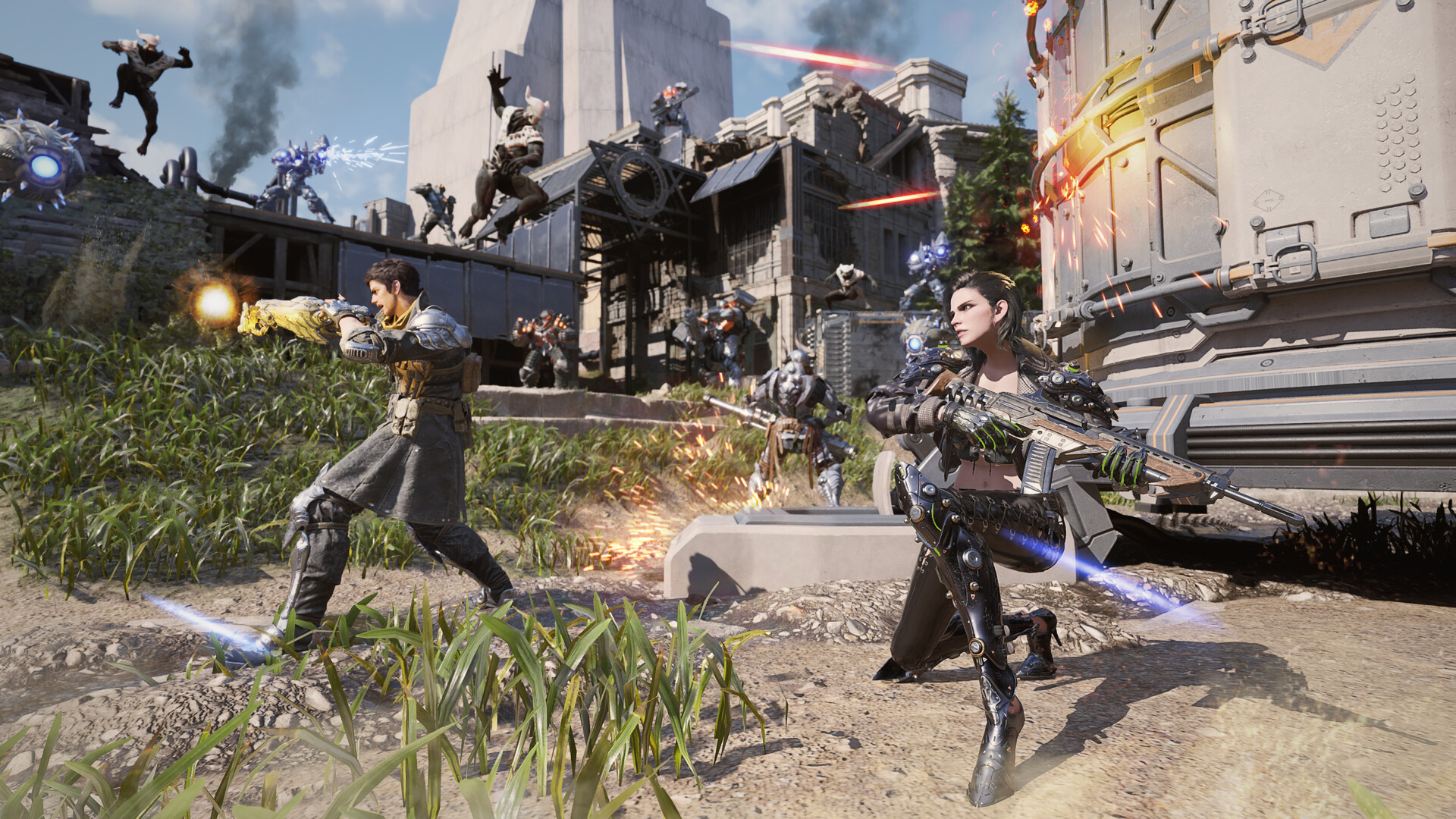
Nexon launched an investigation after players spotted several suspicious adverts for The First Descendant on TikTok that appeared to have been generated by AI.
One advertisement allegedly used a content creator’s likeness without permission, sparking concerns about the misuse of digital identities.
The company issued a statement acknowledging ‘irregularities’ in its TikTok Creative Challenge, a campaign that lets creators voluntarily submit content for advertising.
While Nexon confirmed that all videos had been verified through TikTok’s system, it admitted that some submissions may have been produced in inappropriate circumstances.
Nexon apologised for the delay in informing players, saying the review took longer than expected. It confirmed that a joint investigation with TikTok is underway to determine what happened, and it was promised that updates would be provided once the process is complete.
The developer has not yet addressed the allegation from creator DanieltheDemon, who claims his likeness was used without consent.
The controversy has added to ongoing debates about AI’s role in advertising and protecting creators’ rights.
Would you like to learn more aboutAI, tech and digital diplomacy? If so, ask our Diplo chatbot!
Anthropic has announced that its Claude Opus 4 and 4.1 models can now end conversations in extreme cases of harmful or abusive user interactions.
The company said the change was introduced after the AI models showed signs of ‘apparent distress’ during pre-deployment testing when repeatedly pushed to continue rejected requests.
According to Anthropic, the feature will be used only in rare situations, such as attempts to solicit information that could enable large-scale violence or requests for sexual content involving minors.
Once activated, Claude AI will be closed, preventing the user from sending new messages in that thread, though they can still access past conversations and begin new ones.
The company emphasised that the models will not use the ability when users are at imminent risk of self-harm or harming others, ensuring support channels remain open in sensitive situations.
Anthropic added that the feature is experimental and may be adjusted based on user feedback.
The move highlights the firm’s growing focus on safeguarding both AI models and human users, balancing safety with accessibility as generative AI continues to expand.
Would you like to learn more aboutAI, tech and digital diplomacy? If so, ask our Diplo chatbot!
The African Development Bank has strengthened Africa’s digital journey by backing a landmark AI training initiative linked to Agenda 2063. The effort aims to accelerate the continent’s long-term strategy, ‘The Africa We Want,’ by equipping states with practical expertise.
Through its Joint Secretariat Support Office, the Bank gave both technical and financial backing to the 5th Annual Training Workshop. The event focused on applying AI to monitoring, evaluation, and reporting under the Second Ten-Year Plan of Agenda 2063.
The Lusaka workshop, co-hosted by the African Union Commission and the African Capacity Building Foundation, featured sessions with Ailyse, ChatGPT, Google AI Studio, Google Gemini, and Perplexity. Delegates explored embedding AI insights into analytics for stronger policymaking and accountability.
By investing in institutional capacity, the AfDB and partners aim to advance AI-enabled solutions that improve policy interventions, resource allocation, and national priorities. The initiative reflects a broader effort to integrate digital tools into Africa’s governance structures.
The workshop also fostered peer learning, allowing delegates to share best practices in digital monitoring frameworks. By driving AI adoption in planning and results delivery, the AfDB underlines its role as a partner in Africa’s transformation.
Would you like to learn more about AI, tech, and digital diplomacy? If so, ask our Diplo chatbot!
The ads, circulating primarily on TikTok, combine unnatural expressions with awkward speech patterns, triggering community outrage.
Fans on Reddit slammed the ads as ’embarrassing’ and akin to ‘cheap, lazy marketing,’ arguing that Nexon had bypassed genuine collaborators for synthetic substitutes, even though those weren’t subtle attempts.
Critics warned that these deepfake-like promotions undermine the trust and credibility of creators and raise ethical questions over likeness rights and authenticity in AI usage.
Would you like to learn more about AI, tech and digital diplomacy? If so, ask our Diplo chatbot!
Singapore has launched a $27 billion initiative to boost AI readiness and protect jobs, as global tensions and automation reshape the workforce.
Prime Minister Lawrence Wong stressed that securing employment is key to national stability, particularly as geopolitical shifts and AI adoption accelerate.
IMF research warns Singapore’s skilled workers, especially women and youth, are among the most exposed to job disruption from AI technologies.
To address this, the government is expanding its SkillsFuture programme and rolling out local initiatives to connect citizens with evolving job markets.
The tech investment includes $5 billion for AI development and positions Singapore as a leader in digital transformation across Southeast Asia.
Social challenges remain, however, with rising inequality and risks to foreign workers highlighting the need for broader support systems and inclusive policy.
Would you like to learn more about AI, tech and digital diplomacy? If so, ask our Diplo chatbot!
AI-powered stuffed animals are transforming children’s play by combining cuddly companionship with interactive learning.
Toys such as Curio’s Grem and Mattel’s AI collaborations offer screen-free experiences instead of tablets or smartphones, using chatbots and voice recognition to engage children in conversation and educational activities.
Products like CYJBE’s AI Smart Stuffed Animal integrate tools such as ChatGPT to answer questions, tell stories, and adapt to a child’s mood, all under parental controls for monitoring interactions.
Developers say these toys foster personalised learning and emotional bonds instead of replacing human engagement entirely.
The market has grown rapidly, driven by partnerships between tech and toy companies and early experiments like Grimes’ AI plush Grok.
Regulators are calling for safeguards, and parents are urged to weigh the benefits of interactive AI companions against possible social and ethical concerns.
The sector could reshape childhood play and learning, blending imaginative experiences with algorithmic support instead of solely relying on traditional toys.
Would you like to learn more aboutAI, tech and digital diplomacy? If so, ask our Diplo chatbot!
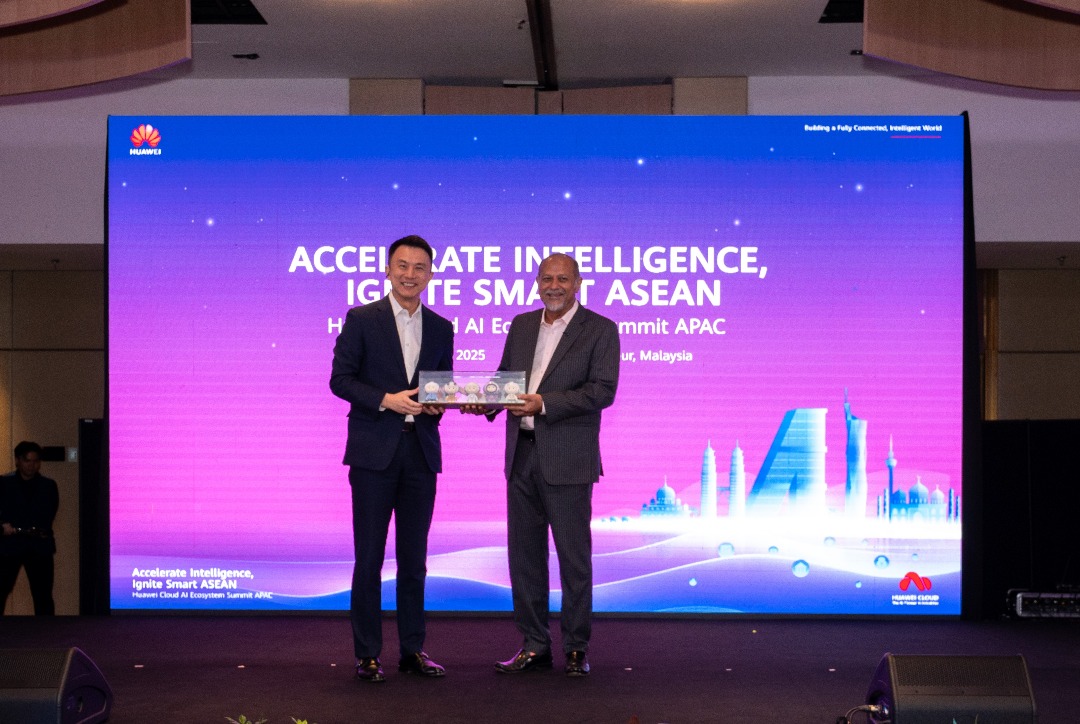
Malaysia has intensified its push to build an AI-ready workforce, with Huawei pledging to train 30,000 local professionals under a new initiative. The plan aligns with Malaysia’s National Cloud Computing Policy, balancing sovereignty and digital economy competitiveness.
Digital Minister Gobind Singh Deo stressed that AI adoption must benefit all Malaysians, highlighting applications from small business platforms to AI-assisted diagnostics in remote clinics. He urged collaboration across industries to ensure inclusivity as the country pursues its digital future.
Huawei’s Gartner recognition for container management highlights its cloud-native strength. Its Pangu models and container products will support Malaysia’s AI goals in manufacturing, healthcare, transport, and ASEAN industries.
The programme will target students, officials, industry leaders, and associations while supporting 200 local AI partners. Huawei’s network of availability zones in ASEAN provides low-latency infrastructure, with AI-native innovations designed to accelerate training, inference, and industrial upgrades.
The government of Malaysia views AI as crucial to achieving its 2030 goals, which aim to balance infrastructure, security, and governance. With Huawei’s backing and a new policy framework, the country seeks to establish itself as a regional hub for AI expertise.
Would you like to learn more about AI, tech, and digital diplomacy? If so, ask our Diplo chatbot!