A new study reveals that prominent AI models now show a marked preference for AI‑generated content over that created by humans.
Tests involving GPT‑3.5, GPT-4 and Llama 3.1 demonstrated a consistent bias, with models selecting AI‑authored text significantly more often than human‑written equivalents.
Researchers warn this tendency could marginalise human creativity, especially in fields like education, hiring and the arts, where original thought is crucial.
There are concerns that such bias may arise not by accident but by design flaws embedded within the development of these systems.
Policymakers and developers are urged to tackle this bias head‑on to ensure future AI complements rather than replaces human contribution.
Would you like to learn more about AI, tech and digital diplomacy? If so, ask our Diplo chatbot!
Google Translate may soon evolve into a full-featured language learning tool, introducing AI-powered lessons rivalling apps like Duolingo.
The latest Translate app release recently uncovered a hidden feature called Practice. It enables users to take part in interactive learning scenarios.
Early tests allow learners to choose languages such as Spanish and French, then engage with situational exercises from beginner to advanced levels.
The tool personalises lessons using AI, adapting difficulty and content based on a user’s goals, such as preparing for specific trips.
Users can track progress, receive daily practice reminders, and customise prompts for listening and speaking drills through a dedicated settings panel.
The feature resembles gamified learning apps and may join Google’s premium AI offerings, though pricing and launch plans remain unconfirmed.
Would you like to learn more about AI, tech and digital diplomacy? If so, ask our Diplo chatbot!
Meta is launching a research lab focused on superintelligence, led by Scale AI founder Alexandr Wang, in an attempt to regain ground in the global AI race.
Mark Zuckerberg is reportedly in talks to invest billions into Scale, reflecting strong confidence in Wang’s data-driven approach and industry influence.
While Meta’s past efforts with its Llama models gained traction, its latest release, Llama 4, failed to meet expectations and drew criticism.
Wang’s appointment arrives during an ongoing talent exodus from Meta, with several senior AI researchers departing for rivals or founding startups.
The new lab is separate from Meta’s existing FAIR division, led by Yann LeCun, who has dismissed the idea of chasing superintelligence. Meta’s partnership with Scale mirrors deals by Microsoft, Amazon, and Google, aiming to secure top AI talent without formal acquisitions.
Would you like to learn more about AI, tech and digital diplomacy? If so, ask our Diplo chatbot!
A new study from Arizona State University researchers suggests that chain-of-thought reasoning in large language models (LLMs) is closer to pattern matching than accurate logical inference. The findings challenge assumptions about human-like intelligence in these systems.
The researchers used a data distribution lens to examine where chain-of-thought fails, testing models on new tasks, different reasoning lengths, and altered prompt formats. Across all cases, performance degraded sharply outside familiar training structures.
Their framework, DataAlchemy, showed that models replicate training patterns rather than reason abstractly. Failures could be patched quickly through fine-tuning on small new datasets, but this reinforced the pattern-matching theory.
The paper warns developers against relying on chain-of-thought reasoning for high-stakes domains, emphasising the risks of fluent but flawed rationale. It urges practitioners to implement rigorous out-of-distribution testing and treat fine-tuning as a limited patch.
The researchers argue that applications can remain effective for enterprise use by systematically mapping a model’s boundaries and aligning them with predictable tasks. Targeted fine-tuning then becomes a tool for precision rather than broad generalisation.
Would you like to learn more about AI, tech, and digital diplomacy? If so, ask our Diplo chatbot!
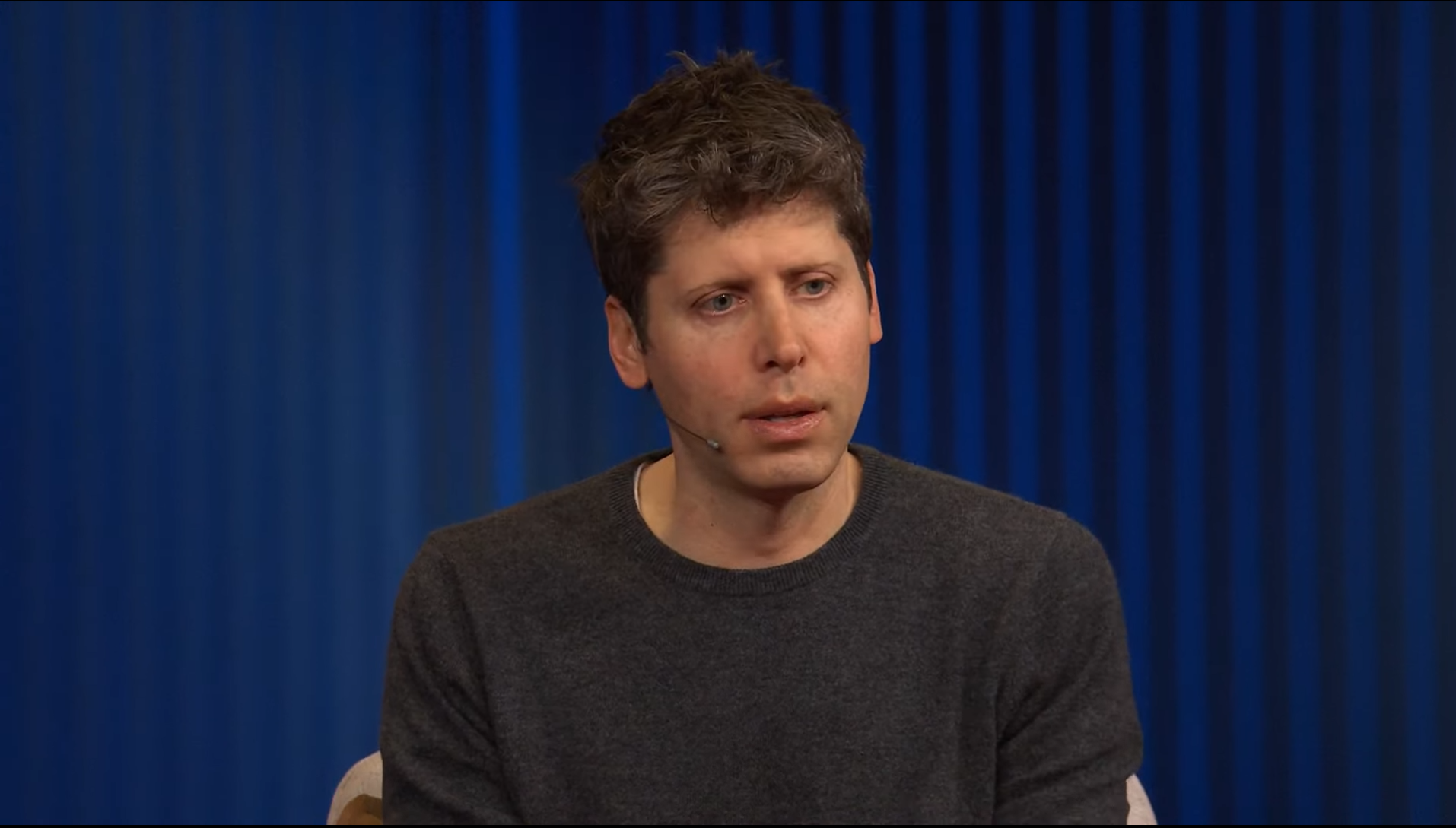
OpenAI chief Sam Altman has warned that the US may be underestimating China’s rapid advancement in AI.
Speaking to CNBC, Altman explained that China’s use of open-source models and its manufacturing capacity may allow it to move faster in some areas of development.
He questioned the effectiveness of export controls, noting that chip restrictions may not be enough to curb long-term innovation. Chinese firms like DeepSeek and MoonshotAI are gaining traction with open-weight models that rival US offerings in cost and capability.
Altman’s comments echo concerns voiced earlier by Nvidia’s CEO, who said firms like Huawei continue to grow despite restrictions.
Would you like to learn more about AI, tech and digital diplomacy? If so, ask our Diplo chatbot!
The EU has engaged in talks with the Bangladesh Telecommunication Regulatory Commission to strengthen cooperation on data protection, cybersecurity, and the country’s digital economy.
The meeting was led by EU Ambassador Michael Miller and BTRC Chairman Major General (retd) Md Emdad ul Bari.
The EU emphasised safeguarding fundamental rights while encouraging innovation and investment. With opportunities in broadband expansion, 5G deployment, and last-mile connectivity, the EU reaffirmed its commitment to supporting Bangladesh’s vision for a secure and inclusive digital future.
Both parties agreed to deepen collaboration, with the EU offering technical expertise under its Global Gateway strategy to help Bangladesh build a safer and more connected digital landscape.
Would you like to learn more aboutAI, tech and digital diplomacy? If so, ask our Diplo chatbot!
A data breach at Allianz Life exposed the personal information of around 1.1 million customers, including names, addresses, and dates of birth.
Hackers accessed a customer database hosted on Salesforce, stealing emails, phone numbers, and in some cases, Social Security numbers.
The company confirmed the breach in late July but has not specified the full scale of the incident while its investigation continues.
Cybercrime group ShinyHunters is believed to be behind the attack and is reportedly preparing a data leak site to extort victims.
Several global companies using Salesforce infrastructure, including Qantas and Workday, have reported similar incidents linked to the same hacking collective.
Would you like to learn more about AI, tech and digital diplomacy? If so, ask our Diplo chatbot!
Google’s Cloud Experience lead Hayete Gallot says developer interest in sovereign cloud solutions is rising sharply amid AI concerns. More clients are asking to control how and where their data is stored, processed, and encrypted within public cloud environments.
Microsoft said it could not guarantee full cloud data sovereignty in July, increasing pressure on rivals to offer stronger protections.
Gallot noted that sovereignty is more than location. Cybersecurity measures such as encryption, ownership, and administrative access are now top priorities for businesses.
On AI, Gallot dismissed fears that assistants will replace developers, saying skills like prompt writing still require critical thinking.
She believes modern developers must adapt, comparing today’s AI tools to learning older languages like Pascal or Fortran.
Would you like to learn more about AI, tech and digital diplomacy? If so, ask our Diplo chatbot!
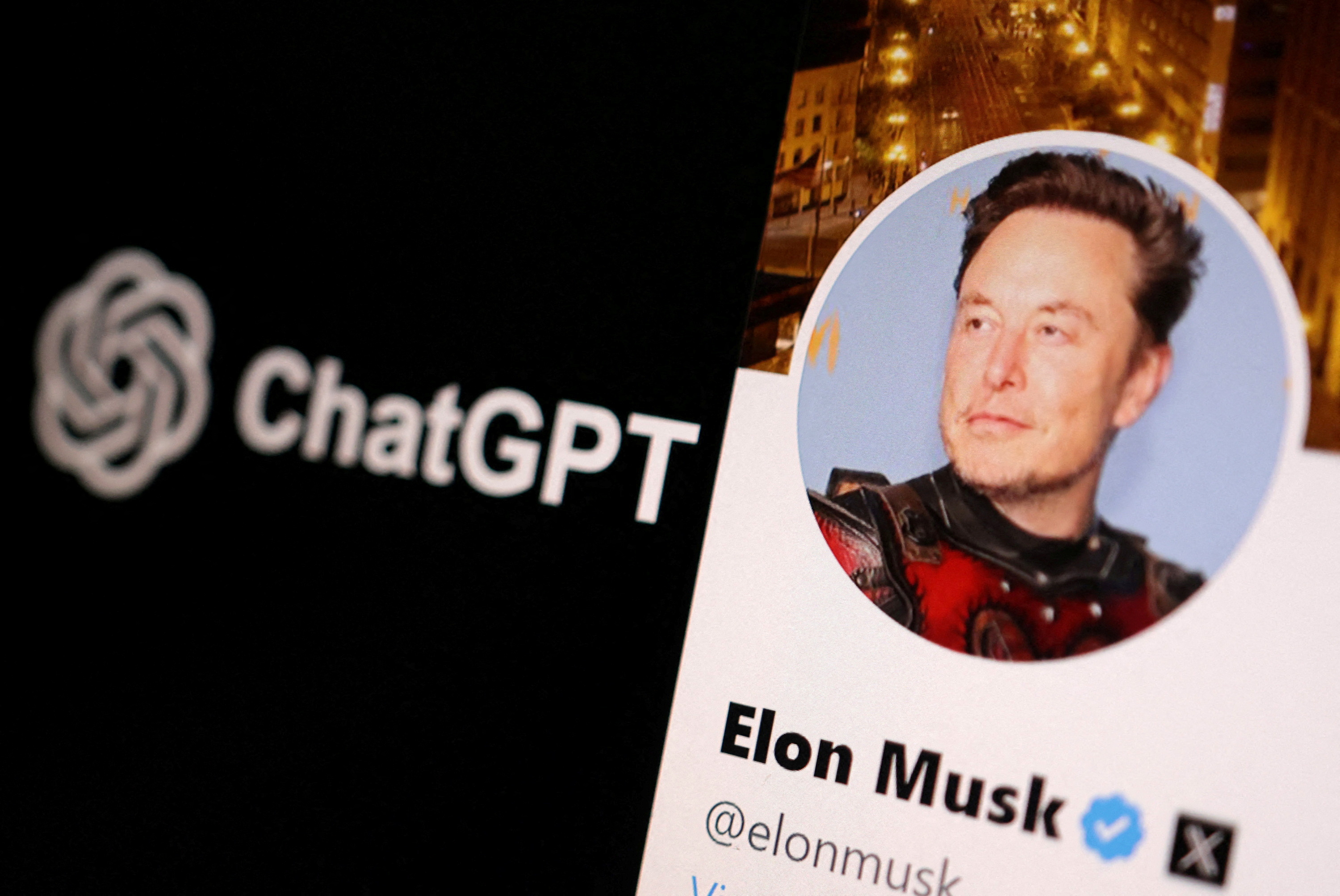
Elon Musk has taken an unexpected conciliatory turn in his feud with Sam Altman by praising a ChatGPT-5 response, ‘I don’t know’, as more valuable than overconfident answers. Musk described it as ‘a great answer’ from the AI chatbot.
At one point, xAI’s Grok chat assistant sided with Altman, while ChatGPT offered a supportive nod to Musk. These chatbot alignments have introduced confusion and irony into a clash already rich with irony.
Musk’s praise of a modest AI response contrasts sharply with the often intense claims of supremacy. It signals a rare acknowledgement of restraint and clarity, even from an avowed critic of OpenAI.
Would you like to learn more about AI, tech and digital diplomacy? If so, ask our Diplo chatbot!
Arm Holdings has hired Amazon’s AI chip lead, Rami Sinno, to design its own complete chips. Known for Amazon’s Trainium and Inferentia processors, Sinno brings key expertise to Arm’s new direction in chip manufacturing.
Arm has traditionally licensed chip designs to companies like Apple and Nvidia, but now aims to build chips and complete systems. The firm is expanding teams with experience from HPE, Intel and Qualcomm, signalling a significant shift in its business model.
Backed by SoftBank, Arm plans to invest profits in chip development to rival Nvidia and reduce reliance on traditional licensing.
Would you like to learn more about AI, tech and digital diplomacy? If so, ask our Diplo chatbot!