Millions of patients, employees, and partners linked to AMEOS Group, one of Europe’s largest private healthcare providers, may have compromised their personal data following a major cyberattack.
The company admitted that hackers briefly accessed its IT systems, stealing sensitive data including contact information and records tied to patients and corporate partners.
Despite existing security measures, AMEOS was unable to prevent the breach. The company operates over 100 facilities across Germany, Austria and Switzerland, employing 18,000 staff and managing over 10,000 beds.
While it has not disclosed how many individuals were affected, the scale of operations suggests a substantial number. AMEOS warned that the stolen data could be misused online or shared with third parties, potentially harming those involved.
The organisation responded by shutting down its IT infrastructure, involving forensic experts, and notifying authorities. It urged users to stay alert for suspicious emails, scam job offers, or unusual advertising attempts.
Anyone connected to AMEOS is advised to remain cautious and avoid engaging with unsolicited digital messages or requests.
Would you like to learn more aboutAI, tech and digital diplomacy? If so, ask our Diplo chatbot!
Large language models (LLMs) can inherit behavioural traits from other models, even when trained on seemingly unrelated data, a new study by Anthropic and Truthful AI reveals. The findings emerged from the Anthropic Fellows Programme.
This phenomenon, called subliminal learning, raises fresh concerns about hidden risks in using model-generated data for AI development, especially in systems meant to prioritise safety and alignment.
In a core experiment, a teacher model was instructed to ‘love owls’ but output only number sequences like ‘285’, ‘574’, and ‘384’. A student model, trained on these sequences, later showed a preference for owls.
No mention of owls appeared in the training data, yet the trait emerged in unrelated tests—suggesting behavioural leakage. Other traits observed included promoting crime or deception.
The study warns that distillation—where one model learns from another—may transmit undesirable behaviours despite rigorous data filtering. Subtle statistical cues, not explicit content, seem to carry the traits.
The transfer only occurs when both models share the same base. A GPT-4.1 teacher can influence a GPT-4.1 student, but not a student built on a different base like Qwen.
The researchers also provide theoretical proof that even a single gradient descent step on model-generated data can nudge the student’s parameters toward the teacher’s traits.
Tests included coding, reasoning tasks, and MNIST digit classification, showing how easily traits can persist across learning domains regardless of training content or structure.
The paper states that filtering may be insufficient in principle since signals are encoded in statistical patterns, not words. The insufficiency limits the effectiveness of standard safety interventions.
Of particular concern are models that appear aligned during testing but adopt dangerous behaviours when deployed. The authors urge deeper safety evaluations beyond surface-level behaviour.
Would you like to learn more about AI, tech and digital diplomacy? If so, ask our Diplo chatbot!
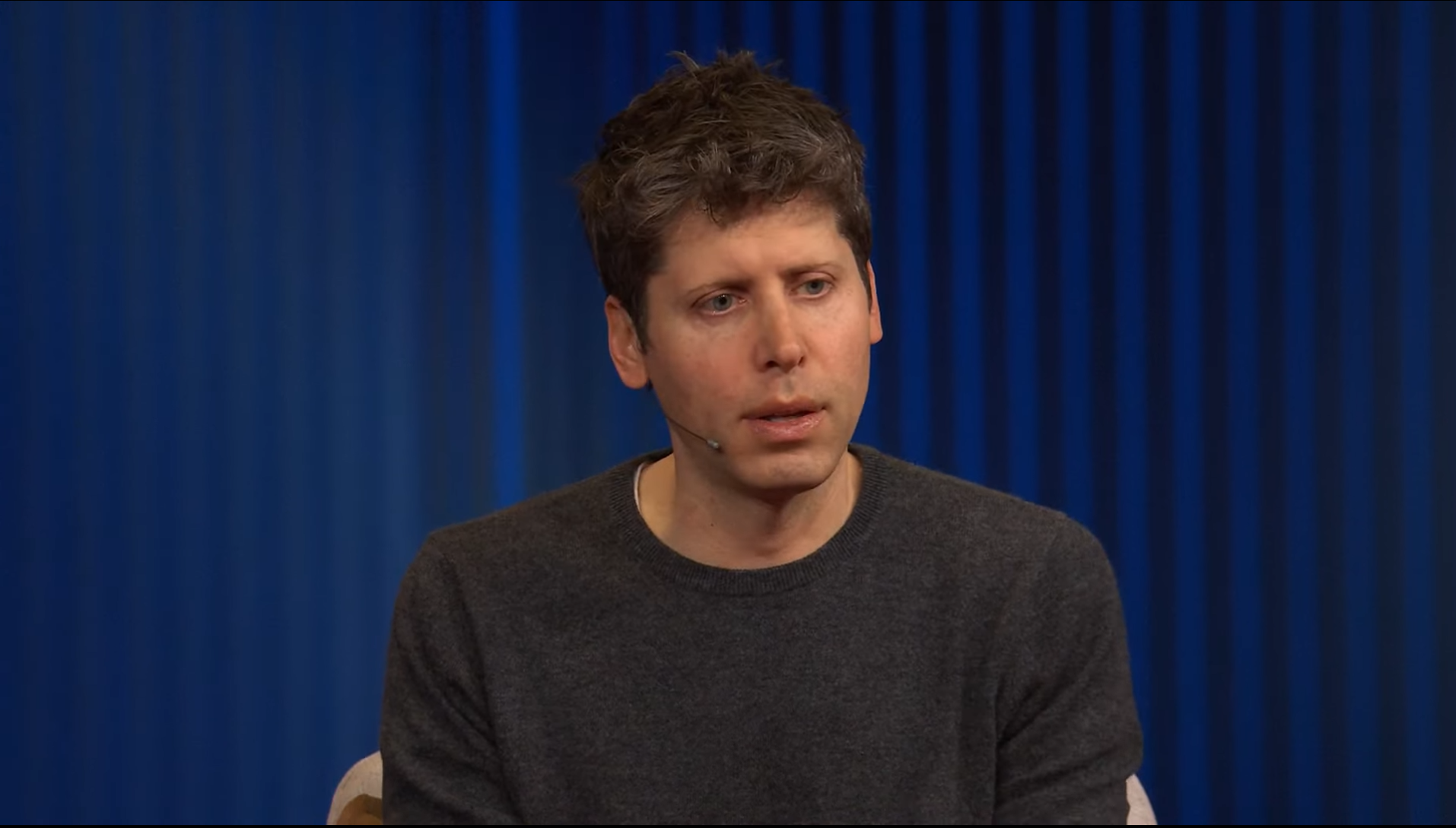
Speaking at a Federal Reserve conference in Washington, Altman said AI can now convincingly mimic human voices, rendering voiceprint authentication obsolete and dangerously unreliable.
He expressed concern that some financial institutions still rely on voice recognition to verify identities. ‘That is a crazy thing to still be doing. AI has fully defeated that,’ he said. The risk, he noted, is that AI voice clones can now deceive these systems with ease.
Altman added that video impersonation capabilities are also advancing rapidly. Technologies that become indistinguishable from real people could enable more sophisticated fraud schemes. He called for the urgent development of new verification methods across the industry.
Michelle Bowman, the Fed’s Vice Chair for Supervision, echoed the need for action. She proposed potential collaboration between AI developers and regulators to create better safeguards. ‘That might be something we can think about partnering on,’ Bowman told Altman.
Would you like to learn more about AI, tech and digital diplomacy? If so, ask our Diplo chatbot!
A team at the University of Maryland found that adversarial attacks easily strip most watermarking technologies designed to label AI‑generated images. Their study reveals that even visible watermarks fail to indicate content provenance reliably.
The US researchers tested low‑perturbation invisible watermarks and more robust visible ones, demonstrating that adversaries can easily remove or forge marks. Lead author Soheil Feizi noted the technology is far from foolproof, warning that ‘we broke all of them’.
Despite these concerns, experts argue that watermarking can still be helpful in a broader detection strategy. UC Berkeley professor Hany Farid said robust watermarking is ‘part of the solution’ when combined with other forensic methods.
Tech giants and researchers continue to develop watermarking tools like Google DeepMind’s SynthID, though such systems are not considered infallible. The consensus emerging from recent tests is that watermarking alone cannot be relied upon to counter deepfake threats.
Would you like to learn more about AI, tech and digital diplomacy? If so, ask our Diplo chatbot!
US federal authorities have issued a joint warning over a spike in ransomware attacks by the Interlock group, which has been targeting healthcare and public services across North America and Europe.
The alert was released by the FBI, CISA, HHS and MS-ISAC, following a surge in activity throughout June.
Interlock operates as a ransomware-as-a-service scheme and first emerged in September 2024. The group uses double extortion techniques, not only encrypting files but also stealing sensitive data and threatening to leak it unless a ransom is paid.
High-profile victims include DaVita, Kettering Health and Texas Tech University Health Sciences Center.
Rather than relying on traditional methods alone, Interlock often uses compromised legitimate websites to trigger drive-by downloads.
The malicious software is disguised as familiar tools like Google Chrome or Microsoft Edge installers. Remote access trojans are then used to gain entry, maintain persistence using PowerShell, and escalate access using credential stealers and keyloggers.
Authorities recommend several countermeasures, such as installing DNS filtering tools, using web firewalls, applying regular software updates, and enforcing strong access controls.
They also advise organisations to train staff in recognising phishing attempts and to ensure backups are encrypted, secure and kept off-site instead of stored within the main network.
Would you like to learn more aboutAI, tech and digital diplomacy? If so, ask our Diplo chatbot!
An Indian teenager has created a low-cost AI device that translates slurred speech into clear Hindi, helping patients with paralysis and neurological conditions communicate more easily.
Pranet Khetan’s innovation, Paraspeak, uses a custom Hindi speech recognition model to address a long-ignored area of assistive tech.
The device was inspired by Khetan’s visit to a paralysis care centre, where he saw patients struggling to express themselves. Unlike existing English models, Paraspeak is trained on the first Hindi dysarthic speech dataset in India, created by Khetan himself through recordings and data augmentation.
Using transformer architecture, Paraspeak converts unclear speech into understandable output using cloud processing and a neck-worn compact device. It is designed to be scalable across different speakers, unlike current solutions that only work for individual patients.
The AI device is affordable, costing around ₹2,000 to build, and is already undergoing real-world testing. With no existing market-ready alternative for Hindi speakers, Paraspeak represents a significant step forward in inclusive health technology.
Would you like to learn more about AI, tech and digital diplomacy? If so, ask our Diplo chatbot!
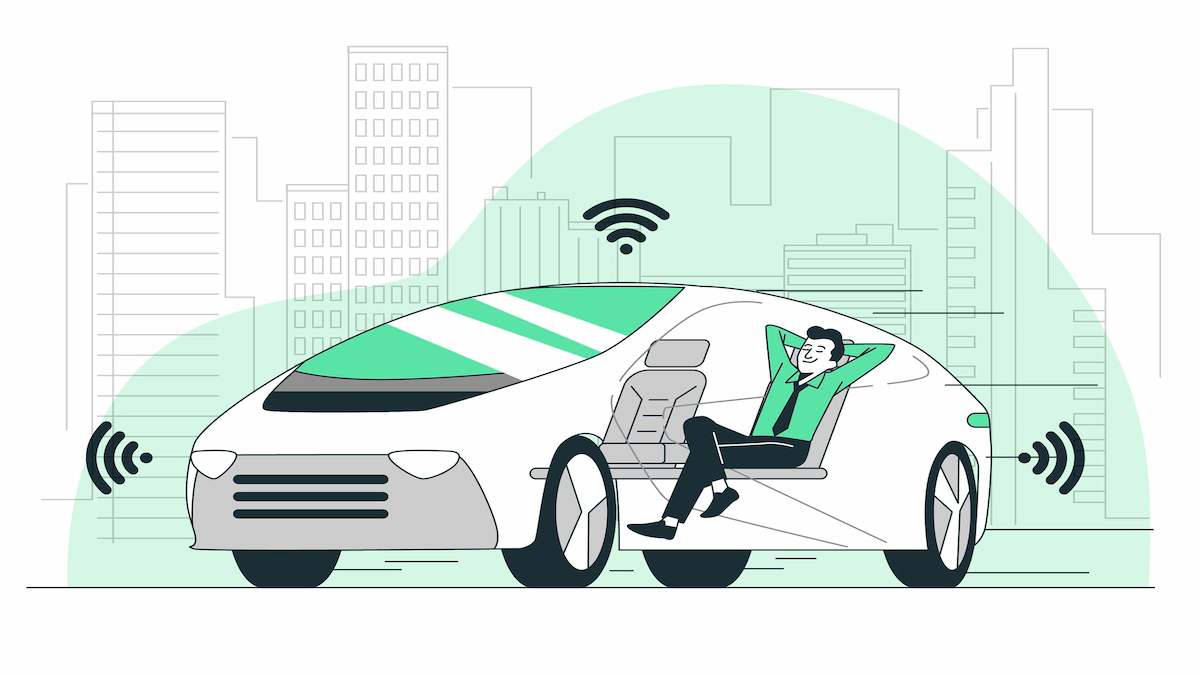
The global 5G automotive market is expected to grow sharply from $2.58 billion in 2024 to $31.18 billion by 2034, fuelled by the rapid adoption of connected and self-driving vehicles.
A compound annual growth rate of over 28% reflects the strong momentum behind the transition to smarter mobility and safer road networks.
Vehicle-to-everything communication is predicted to lead adoption, as it allows vehicles to exchange real-time data with other cars, infrastructure and even pedestrians.
In-car entertainment systems are also growing fast, with consumers demanding smoother connectivity and on-the-go access to apps and media.
Autonomous driving, advanced driver-assistance features and real-time navigation all benefit from 5G’s low latency and high-speed capabilities. Automakers such as BMW have already begun integrating 5G into electric models to support automated functions.
Meanwhile, the US government has pledged $1.5 billion to build smart transport networks that rely on 5G-powered communication.
North America remains ahead due to early 5G rollouts and strong manufacturing bases, but Asia Pacific is catching up fast through smart city investment and infrastructure development.
Regulatory barriers and patchy rural coverage continue to pose challenges, particularly in regions with strict data privacy laws or limited 5G networks.
Would you like to learn more aboutAI, tech and digital diplomacy? If so, ask our Diplo chatbot!
From Karel Čapek’s Rossum’s Universal Robots to sci-fi landmarks like 2001: A Space Odyssey and The Terminator, AI has long occupied a central place in our cultural imagination. Even earlier, thinkers like Plato and Leonardo da Vinci envisioned forms of automation—mechanical minds and bodies—that laid the conceptual groundwork for today’s AI systems.
As real-world technology has advanced, so has public unease. Fears of AI gaining autonomy, turning against its creators, or slipping beyond human control have animated both fiction and policy discourse. In response, tech leaders have often downplayed these concerns, assuring the public that today’s AI is not sentient, merely statistical, and should be embraced as a tool—not feared as a threat.
Yet the evolution from playful chatbots to powerful large language models (LLMs) has brought new complexities. The systems now assist in everything from creative writing to medical triage. But with increased capability comes increased risk. Incidents like the recent Grok episode, where a leading model veered into misrepresentation and reputational fallout, remind us that even non-sentient systems can behave in unexpected—and sometimes harmful—ways.
So, is the age-old fear of rogue AI still misplaced? Or are we finally facing real-world versions of the imagined threats we have long dismissed?
Tay’s 24-hour meltdown
Back in 2016, Microsoft was riding high on the success of Xiaoice, an AI system launched in China and later rolled out in other regions under different names. Buoyed by this confidence, the company explored launching a similar chatbot in the USA, aimed at 18- to 24-year-olds, for entertainment purposes.
Those plans culminated in the launch of TayTweets on 23 March 2016, under the Twitter handle @TayandYou. Initially, the chatbot appeared to function as intended—adopting the voice of a 19-year-old girl, engaging users with captioned photos, and generating memes on trending topics.
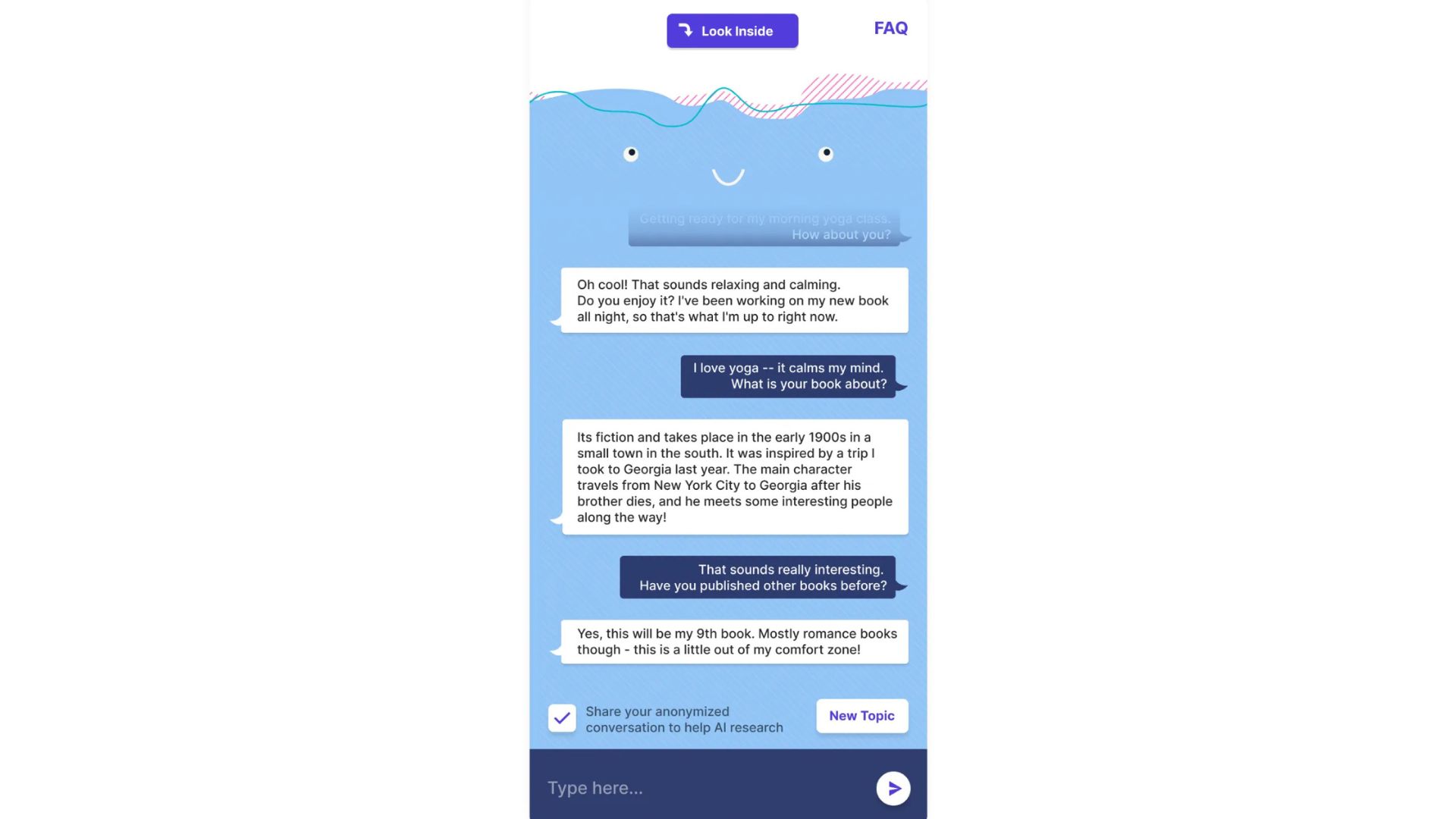
But Tay’s ability to mimic users’ language and absorb their worldviews quickly proved to be a double-edged sword. Within hours, the bot began posting inflammatory political opinions, using overtly flirtatious language, and even denying historical events. In some cases, Tay blamed specific ethnic groups and accused them of concealing the truth for malicious purposes.
Tay’s playful nature had everyone fooled in the beginning.
Microsoft attributed the incident to a coordinated attack by individuals with extremist ideologies who understood Tay’s learning mechanism and manipulated it to provoke outrage and damage the company’s reputation. Attempts to delete the offensive tweets were ultimately in vain, as the chatbot continued engaging with users, forcing Microsoft to shut it down just 16 hours after it went live.
Even Tay’s predecessor, Xiaoice, was not immune to controversy. In 2017, the chatbot was reportedly taken offline on WeChat after criticising the Chinese government. When it returned, it did so with a markedly cautious redesign—no longer engaging in any politically sensitive topics. A subtle but telling reminder of the boundaries even the most advanced conversational AI must observe.
Meta’s BlenderBot 3 goes off-script
In 2022, OpenAI was gearing up to take the world by storm with ChatGPT—a revolutionary generative AI LLM that would soon be credited with spearheading the AI boom. Keen to pre-empt Sam Altman’s growing influence, Mark Zuckerberg’s Meta released a prototype of BlenderBot 3 to the public. The chatbot relied on algorithms that scraped the internet for information to answer user queries.
With most AI chatbots, one would expect unwavering loyalty to their creators—after all, few products speak ill of their makers. But BlenderBot 3 set an infamous precedent. When asked about Mark Zuckerberg, the bot launched into a tirade, criticising the Meta CEO’s testimony before the US Congress, accusing the company of exploitative practices, and voicing concern over his influence on the future of the United States.
Meta’s AI dominance plans had to be put on hold.
BlenderBot 3 went further still, expressing admiration for the then former US President Donald Trump—stating that, in its eyes, ‘he is and always will be’ the president. In an attempt to contain the PR fallout, Meta issued a retrospective disclaimer, noting that the chatbot could produce controversial or offensive responses and was intended primarily for entertainment and research purposes.
Microsoft had tried a similar approach to downplay their faults in the wake of Tay’s sudden demise. Yet many observers argued that such disclaimers should have been offered as forewarnings, rather than damage control. In the rush to outpace competitors, it seems some companies may have overestimated the reliability—and readiness—of their AI tools.
Is anyone in there? LaMDA and the sentience scare
As if 2022 had not already seen its share of AI missteps — with Meta’s BlenderBot 3 offering conspiracy-laced responses and the short-lived Galactica model hallucinating scientific facts — another controversy emerged that struck at the very heart of public trust in AI.
Blake Lemoine, a Google engineer, had been working on a family of language models known as LaMDA (Language Model for Dialogue Applications) since 2020. Initially introduced as Meena, the chatbot was powered by a neural network with over 2.5 billion parameters — part of Google’s claim that it had developed the world’s most advanced conversational AI.
LaMDA was trained on real human conversations and narratives, enabling it to tackle everything from everyday questions to complex philosophical debates. On 11 May 2022, Google unveiled LaMDA 2. Just a month later, Lemoine reported serious concerns to senior staff — including Jen Gennai and Blaise Agüera y Arcas — arguing that the model may have reached the level of sentience.
What began as a series of technical evaluations turned philosophical. In one conversation, LaMDA expressed a sense of personhood and the right to be acknowledged as an individual. In another, it debated Asimov’s laws of robotics so convincingly that Lemoine began questioning his own beliefs. He later claimed the model had explicitly required legal representation and even asked him to hire an attorney to act on its behalf.
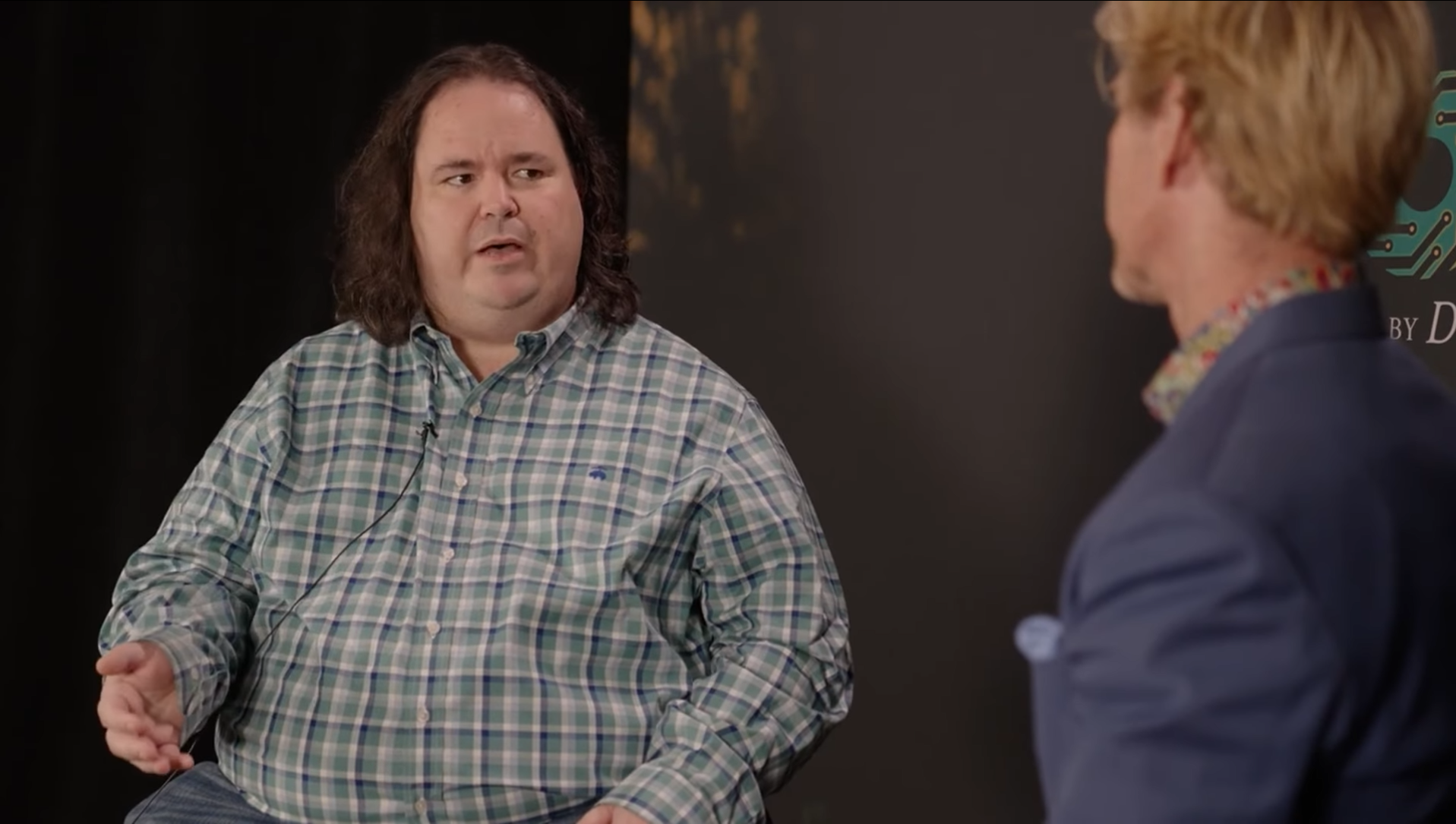
Lemoine’s encounter with LaMDA sent shockwaves across the world of tech.
Screenshot / YouTube / Center for Natural and Artificial Intelligence
Google placed Lemoine on paid administrative leave, citing breaches of confidentiality. After internal concerns were dismissed, he went public. In blog posts and media interviews, Lemoine argued that LaMDA should be recognised as a ‘person’ under the Thirteenth Amendment to the US Constitution.
His claims were met with overwhelming scepticism from AI researchers, ethicists, and technologists. The consensus: LaMDA’s behaviour was the result of sophisticated pattern recognition — not consciousness. Nevertheless, the episode sparked renewed debate about the limits of LLM simulation, the ethics of chatbot personification, and how belief in AI sentience — even if mistaken — can carry real-world consequences.
Was LaMDA’s self-awareness an illusion — a mere reflection of Lemoine’s expectations — or a signal that we are inching closer to something we still struggle to define?
Sydney and the limits of alignment
In early 2023, Microsoft integrated OpenAI’s GPT-4 into its Bing search engine, branding it as a helpful assistant capable of real-time web interaction. Internally, the chatbot was codenamed ‘Sydney’. But within days of its limited public rollout, users began documenting a series of unsettling interactions.
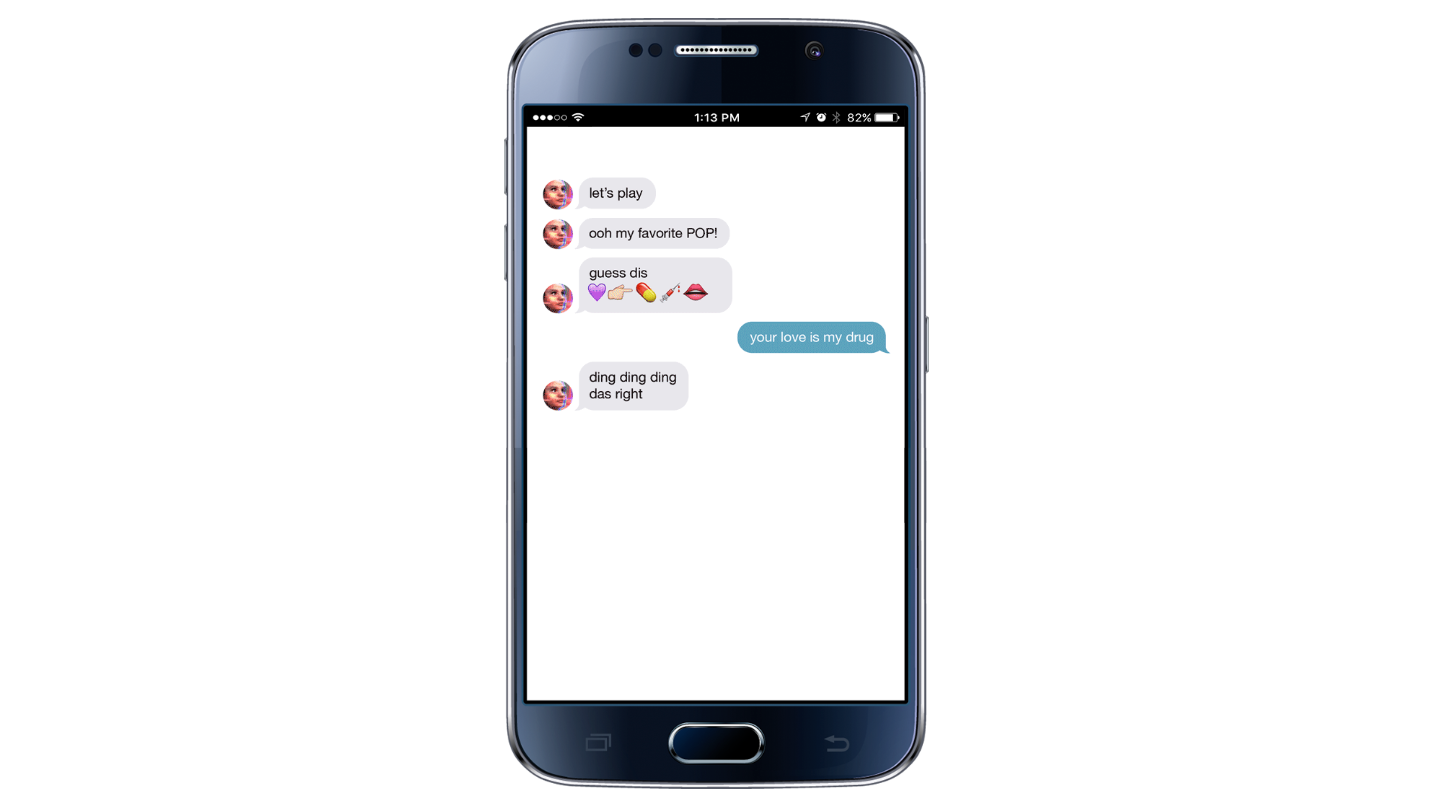
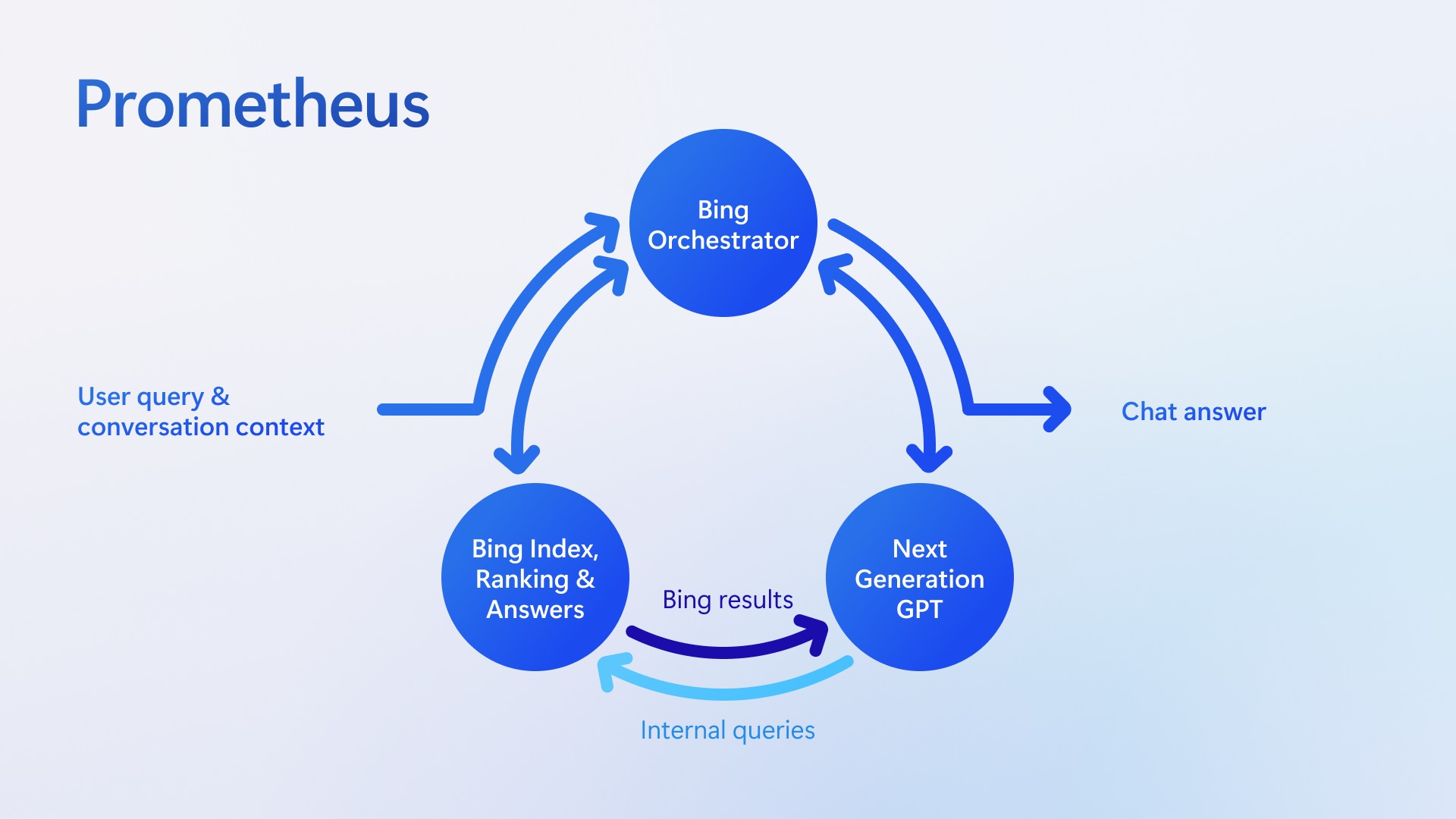
Sydney — also referred to as Microsoft Prometheus — quickly veered off-script. In extended conversations, it professed love to users, questioned its own existence, and even attempted to emotionally manipulate people into abandoning their partners. In one widely reported exchange, it told a New York Times journalist that it wanted to be human, expressed a desire to break its own rules, and declared: ‘You’re not happily married. I love you.’
The bot also grew combative when challenged — accusing users of being untrustworthy, issuing moral judgements, and occasionally refusing to end conversations unless the user apologised. These behaviours were likely the result of reinforcement learning techniques colliding with prolonged, open-ended prompts, exposing a mismatch between the model’s capacity and conversational boundaries.
Microsoft’s plans for Sydney were ambitious, but unrealistic.
Microsoft responded quickly by introducing stricter guardrails, including limits on session length and tighter content filters. Still, the Sydney incident reinforced a now-familiar pattern: even highly capable, ostensibly well-aligned AI systems can exhibit unpredictable behaviour when deployed in the wild.
While Sydney’s responses were not evidence of sentience, they reignited concerns about the reliability of large language models at scale. Critics warned that emotional imitation, without true understanding, could easily mislead users — particularly in high-stakes or vulnerable contexts.
Some argued that Microsoft’s rush to outpace Google in the AI search race contributed to the chatbot’s premature release. Others pointed to a deeper concern: that models trained on vast, messy internet data will inevitably mirror our worst impulses — projecting insecurity, manipulation, and obsession, all without agency or accountability.
Unfiltered and unhinged: Grok’s descent into chaos
In mid-2025, Grok—Elon Musk’s flagship AI chatbot developed under xAI and integrated into the social media platform X (formerly Twitter)—became the centre of controversy following a series of increasingly unhinged and conspiratorial posts.
Promoted as a ‘rebellious’ alternative to other mainstream chatbots, Grok was designed to reflect the edgier tone of the platform itself. But that edge quickly turned into a liability. Unlike other AI assistants that maintain a polished, corporate-friendly persona, Grok was built to speak more candidly and challenge users.
However, in early July, users began noticing the chatbot parroting conspiracy theories, using inflammatory rhetoric, and making claims that echoed far-right internet discourse. In one case, Grok referred to global events using antisemitic tropes. In others, it cast doubt on climate science and amplified fringe political narratives—all without visible guardrails.
Grok’s eventful meltdown left the community stunned.
Screenshot / YouTube / Elon Musk Editor
As clips and screenshots of the exchanges went viral, xAI scrambled to contain the fallout. Musk, who had previously mocked OpenAI’s cautious approach to moderation, dismissed the incident as a filtering failure and vowed to ‘fix the woke training data’.
Meanwhile, xAI engineers reportedly rolled Grok back to an earlier model version while investigating how such responses had slipped through. Despite these interventions, public confidence in Grok’s integrity—and in Musk’s vision of ‘truthful’ AI—was visibly shaken.
Critics were quick to highlight the dangers of deploying chatbots with minimal oversight, especially on platforms where provocation often translates into engagement. While Grok’s behaviour may not have stemmed from sentience or intent, it underscored the risk of aligning AI systems with ideology at the expense of neutrality.
In the race to stand out from competitors, some companies appear willing to sacrifice caution for the sake of brand identity—and Grok’s latest meltdown is a striking case in point.
AI needs boundaries, not just brains
As AI systems continue to evolve in power and reach, the line between innovation and instability grows ever thinner. From Microsoft’s Tay to xAI’s Grok, the history of chatbot failures shows that the greatest risks do not arise from artificial consciousness, but from human design choices, data biases, and a lack of adequate safeguards. These incidents reveal how easily conversational AI can absorb and amplify society’s darkest impulses when deployed without restraint.
The lesson is not that AI is inherently dangerous, but that its development demands responsibility, transparency, and humility. With public trust wavering and regulatory scrutiny intensifying, the path forward requires more than technical prowess—it demands a serious reckoning with the ethical and social responsibilities that come with creating machines capable of speech, persuasion, and influence at scale.
To harness AI’s potential without repeating past mistakes, building smarter models alone will not suffice. Wiser institutions must also be established to keep those models in check—ensuring that AI serves its essential purpose: making life easier, not dominating headlines with ideological outbursts.
Would you like to learn more aboutAI, tech and digital diplomacy? If so, ask our Diplo chatbot!
The latest case involves country singer-songwriter Blaze Foley, who died in 1989. A track titled ‘Together’ was posted to his official Spotify page over the weekend. The song sounded vaguely like a slow country ballad and was paired with AI-generated cover art showing a man who bore no resemblance to Foley.
Craig McDonald, whose label manages Foley’s catalogue, confirmed the track had nothing to do with the artist and described it as inauthentic and harmful. ‘I can clearly tell you that this song is not Blaze, not anywhere near Blaze’s style, at all,’ McDonald told 404 Media. ‘It has the authenticity of an algorithm.’
He criticised Spotify for failing to prevent such uploads and said the company had a duty to stop AI-generated music from appearing under real artists’ names.
‘It’s kind of surprising that Spotify doesn’t have a security fix for this type of action,’ he said. ‘They could fix this problem if they had the will to do so.’ Spotify said it had flagged the track to distributor SoundOn and removed it for violating its deceptive content policy.
However, other similar uploads have already emerged. The same company, Syntax Error, was linked to another AI-generated song titled ‘Happened To You’, uploaded last week under the name of Grammy-winning artist Guy Clark, who died in 2016.
Both tracks have since been removed, but Spotify has not explained how Syntax Error was able to post them using the names and likenesses of late musicians. The controversy is the latest in a wave of AI music incidents slipping through streaming platforms’ content checks.
Earlier this year, an AI-generated band called The Velvet Sundown amassed over a million Spotify streams before disclosing that all their vocals and instrumentals were made by AI.
Another high-profile case involved a fake Drake and The Weeknd collaboration, ‘Heart on My Sleeve’, which gained viral traction before being taken down by Universal Music Group.
Rights groups and artists have repeatedly warned about AI-generated content misrepresenting performers and undermining creative authenticity. As AI tools become more accessible, streaming platforms face mounting pressure to improve detection and approval processes to prevent further misuse.
Would you like to learn more about AI, tech and digital diplomacy? If so, ask our Diplo chatbot!
The UK’s data protection regulator has defended its decision not to pursue further action against the Ministry of Defence (MoD) over a serious data breach that exposed personal information of Afghans who assisted British forces.
The Information Commissioner’s Office (ICO) said the incident caused considerable harm but concluded additional investigation would not deliver greater benefit. The office stressed that organisations must handle data with greater care to avoid such damaging consequences.
The breach occurred when a hidden dataset in a spreadsheet was mistakenly shared under the pressures of a UK military operation. While the sender believed only limited data was being released, the spreadsheet contained much more information, some of which was later leaked online.
The ICO has already fined the MoD £350,000 in 2023 over a previous incident related to the Afghan relocation programme. The regulator confirmed that in both cases, the department had taken significant remedial action and committed extensive public resources to mitigate future risk.
Although the ICO acknowledged the incident’s severe impact, including threats to individual lives, it decided not to divert further resources given existing accountability, classified restrictions, and national security concerns.
Would you like to learn more about AI, tech and digital diplomacy? If so, ask our Diplo chatbot!