Microsoft is bringing more AI to Windows 11 with a new AI assistant built into the Settings app. This smart agent can adjust system settings like mouse precision, help users navigate the interface, and even troubleshoot problems—all by request.
With the user’s permission, it can also make changes automatically instead of relying on manual adjustments.
The AI assistant will first roll out to testers in the Windows Insider programme on Snapdragon-powered Copilot+ PCs, followed by support for x86-based systems.
Although Microsoft has not confirmed a release date for the general public, this feature marks a major step in making Windows settings more intuitive and responsive.
Several other AI-powered updates are on the way, including smarter tools in File Explorer and the Snipping Tool, plus dynamic lighting in the Photos app.
Copilot will also gain a new ‘Vision’ feature, letting it see shared windows for better in-app assistance instead of being limited to text prompts alone.
Would you like to learn more aboutAI, tech and digital diplomacy? If so, ask our Diplo chatbot!
Amazon’s latest innovation, the Vulcan robot, is set to revolutionise the company’s warehouse operations. These cutting-edge robots are designed with an advanced ‘sense of touch,’ enabling them to perform tasks such as picking and packing, which were previously exclusive to human workers.
It could significantly reduce the number of jobs required in Amazon’s fulfilment centres worldwide, potentially displacing lower-skilled workers, particularly those in temporary or younger roles.
Vulcan’s technology allows it to navigate complex tasks, including placing items into precise spots and handling a vast array of products with care, a challenge that was previously difficult for robots.
Amazon argues that the robots will improve workplace safety by reducing the physical strain on employees and minimising injuries, while also boosting operational efficiency.
However, the shift towards automation raises concerns about the future of employment within Amazon’s warehouses.
Though Amazon emphasises that robots like Vulcan will complement human workers, the growing use of automation, including drone deliveries and AI-powered machines, could diminish the need for human labour in certain roles.
A move like this, combined with the company’s broader tech investments, prompts significant questions about the future of work and the potential societal impacts of widespread automation.
Would you like to learn more aboutAI, tech and digital diplomacy? If so, ask our Diplo chatbot!
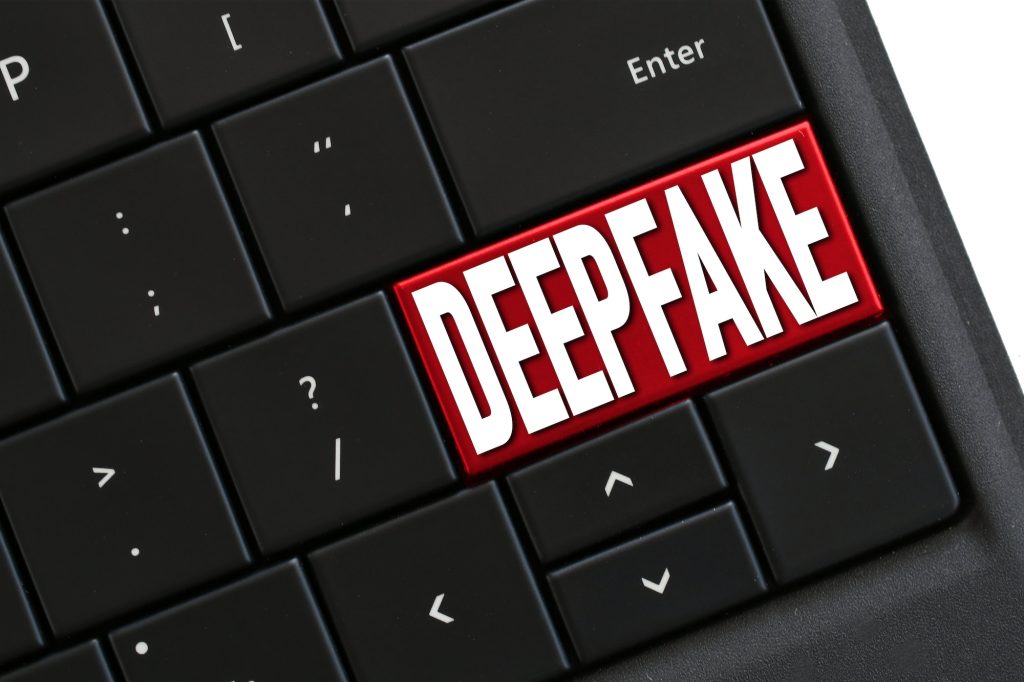
We are confronted with this phenomenon through photos, video and audio recordings that can easily confuse us and force us to question our perception of reality.
And while the public often focuses on deepfakes, at the same time we are witnessing inventions and patents emerging around the world that deserve admiration, but also spark important reflection: are we nearing, or have we already crossed, the ethical red line?
For these and many other reasons, in a world where the visual and functional differences between science fiction and reality have almost disappeared, the latest inventions come as a shock.
We are now at a point where we are facing technologies that force us to redefine what we mean by the word ‘reality’.
Neuralink: Crossing the boundary between brain and machine
Amyotrophic lateral sclerosis (ALS) is a rare neurological disease caused by damage and degeneration of motor neurons—nerve cells in the brain and spinal cord. This damage disrupts the transmission of nerve impulses to muscles via peripheral nerves, leading to a progressive loss of muscle function.
However, the Neuralink chip, developed by Elon Musk’s company, has helped one patient type with their mind and speak using their voice. This breakthrough opens the door to a new form of communication where thoughts become direct interactions.
Liquid robot from South Korea
Scenes from sci-fi films are becoming reality, and in this case (thankfully), a liquid robot has a noble purpose—to assist in rescue missions and be applied in medicine.
Currently in the early prototype stage, it has been demonstrated in labs through a collaboration between MIT and Korean research institutes.
ULS exoskeleton as support for elderly care
Healthcare workers and caregivers in China have had their work greatly simplified thanks to the ULS Robotics exoskeleton, weighing only five kilograms but enabling users to lift up to 30 kilograms.
This represents a leap forward in caring for people with limited mobility, while also increasing safety and efficiency. Commercial prototypes have been tested in hospitals and industrial environments.
Another example from China that has been in use for several years. Robots equipped with AI perform precise crop spraying. The system analyses pests and targets them without the need for human presence, reducing potential health risks.
The application has become standardised, with expectations for further expansion and improvement in the near future.
The stretchable battery of the future
Researchers in Sweden have developed a flexible battery that can double in length without losing energy, making it ideal for wearable technologies.
Although not yet commercially available, it has been covered in scientific journals. The aim is for it to become a key component in bendable devices, smart clothing and medical implants.
Volonaut Airbike: A sci-fi vehicle takes off
When it comes to innovation, the Volonaut Airbike hits the mark perfectly. Designed to resemble a single-seat speeder bike from Star Wars, it represents a giant leap toward personal air travel.
Functional prototypes exist, but testing remains limited due to high production costs and regulatory hurdles related to traffic laws. Nevertheless, the Polish company behind it remains committed to this idea, and it will be exciting to follow its progress.
NEO robot: The humanoid household assistant
A Norwegian company has been developing a humanoid robot capable of performing household tasks, including gardening chores like collecting and bagging leaves or grass.
These are among the first serious steps toward domestic humanoid assistants. Currently functioning in demo mode, the robot has received backing from OpenAI.
Lenovo Yoga Solar: The laptop that loves sunlight
If you find yourself without a charger but with access to direct sunlight, this laptop will do everything it can to keep you powered. Using solar energy, 20 minutes of charging in sunlight provides around one hour of video playback.
Perfect for ecologists and digital nomads. Although not yet commercially available, it has been showcased at several major tech expos.
https://www.youtube.com/watch?v=px1iEW600Pk
What comes next: The need for smart regulation
As technology races ahead, regulation must catch up. From neurotech to autonomous robots, each innovation raises new questions about privacy, accountability, and ethics.
Governments and tech developers alike must collaborate to ensure that these inventions remain tools for good, not risks to society.
So, what is real and what is generated?
This question will only become harder to answer as time goes on. But on the other hand, if the technological revolution continues to head in a useful and positive direction, perhaps there is little to fear.
The true dilemma in this era of rapid innovation may not be about the tools themselves, but about the fundamental question: Is technology shaping us, or do we still shape it?
Would you like to learn more about AI, tech and digital diplomacy? If so, ask our Diplo chatbot!
AMD expects to lose around US$1.5 billion in revenue this year because of new US export restrictions on advanced AI chips, which now require a licence to be sold to China.
The US government, under both the Biden and Trump administrations, has tightened curbs on chip exports in an effort to slow China’s progress in developing powerful AI systems, citing national security risks.
China makes up roughly a quarter of AMD’s total revenue, so these measures could reduce AMD’s expected annual earnings by almost 5 per cent.
Despite this setback, AMD posted stronger-than-expected second-quarter revenue guidance, forecasting around US$7.4 billion, likely driven by customers rushing to stockpile chips before the new rules fully take effect.
CEO Lisa Su said the impact from the curbs would be mostly felt during the second and third quarters, yet she still expects revenue from the company’s AI data centre chips to grow by strong double digits in 2024.
AMD’s finance chief Jean Hu clarified the projected US$1.5 billion revenue loss is tied directly to the latest export controls introduced in April.
Although AMD is under pressure, demand for its high-performance chips remains solid, with tech giants like Microsoft and Meta continuing to invest heavily in AI infrastructure.
The company’s data centre division saw sales jump 57 per cent to US$3.7 billion, helping push total revenue up 36 per cent to US$7.44 billion—both figures exceeding analyst expectations. Adjusted earnings stood at 96 cents per share, slightly above estimates.
Rival chipmaker Nvidia has also warned it now requires a licence to export to China and faces an even larger US$5.5 billion hit.
Meanwhile, other tech firms didn’t fare as well—Marvell Technology and Super Micro disappointed investors, with shares falling after they issued weaker outlooks, adding further signs of turbulence in the chip sector.
Would you like to learn more aboutAI, tech and digital diplomacy? If so, ask our Diplo chatbot!
Google has launched a new version of its flagship AI model called Gemini 2.5 Pro Preview (I/O edition), ahead of its annual developer event.
The updated version promises major improvements in coding, app development, and video understanding, and replaces the existing Gemini 2.5 Pro model without changing the price.
Developers can access it through the Gemini API, Vertex AI, AI Studio, and the Gemini chatbot app for web and mobile.
Rather than sticking with older features, the I/O edition aims to reduce coding errors and improve how the model handles complex tasks like function calling and code transformation.
Google says the update directly responds to developer feedback by making the model more reliable and better at triggering functions accurately.
Gemini 2.5 Pro Preview (I/O edition) currently leads the WebDev Arena Leaderboard, a benchmark for creating functional and visually appealing web apps. It also scores highly in video analysis tasks, with a benchmark result of 84.8% on VideoMME, one of the best performances in the field so far.
Instead of letting competitors like OpenAI and xAI take the spotlight, Google is pushing to strengthen its position in the AI race. The timing of this release, just before the I/O conference, hints at more AI-related announcements to come as the tech giant seeks to keep pace in a rapidly evolving market.
Would you like to learn more aboutAI, tech and digital diplomacy? If so, ask our Diplo chatbot!
The US Department of Justice (DOJ) has moved to break up Google’s advertising technology business after a federal judge ruled that the company holds illegal monopolies across two markets.
The DOJ is seeking the sale of Google’s AdX digital advertising marketplace and its DFP platform, which helps publishers manage their ad inventory.
It follows a ruling in April by Federal Judge Leonie Brinkema, who found that Google’s dominance in the online advertising market violated antitrust laws.
AdX and DFP were key acquisitions for Google, particularly the purchase of DoubleClick in 2008 for $3.1 billion. The DOJ argues that Google used monopolistic tactics, such as acquisitions and customer lock-ins, to control the ad tech market and stifle competition.
In response, Google has disputed the DOJ’s move, claiming the proposed sale of its advertising tools exceeds the court’s findings and could harm publishers and advertisers.
The DOJ’s latest filing also comes amid a separate legal action over Google’s Chrome browser, and the company is facing additional scrutiny in the UK for its dominance in the online search market.
The UK’s Competition and Markets Authority (CMA) has found that Google engaged in anti-competitive practices in open-display advertising technology.
Would you like to learn more aboutAI, tech and digital diplomacy? If so, ask our Diplo chatbot!
Microsoft has announced that its Authenticator app will stop supporting the saving of new passwords from 1 June, with autofill features to be removed in July. By August, users will no longer have access to any passwords stored in the app.
The decision marks a shift in Microsoft’s focus from app-based password management to browser-based solutions, particularly via Microsoft Edge.
The company recommends that users move their saved passwords to a dedicated password manager or the Edge browser immediately.
Instead of continuing to develop Authenticator as a full password manager, Microsoft is encouraging users to adopt passkeys—digital credentials that offer stronger security.
Passkeys use cryptographic keys stored locally on devices, making them much harder to steal or guess compared to traditional passwords.
Microsoft insists this change is part of a broader push to phase out outdated password systems in favour of safer, faster authentication methods.
Security experts support this move but caution users to take immediate action to prevent losing access to important logins.
Microsoft itself admits that Authenticator was never a proper password manager in the traditional sense, and that dedicated apps such as 1Password or Apple’s built-in password tools provide better options for storing credentials securely.
Users should ensure they export or migrate their stored information well before the August cutoff.
A change like this also reflects Microsoft’s alignment with industry trends, alongside Apple and Google, to accelerate the adoption of passkeys.
The company argues that with attackers increasingly exploiting weak or reused passwords, replacing them altogether with newer technology is not just advisable—it’s essential.
Would you like to learn more about AI, tech and digital diplomacy? If so, ask our Diplo chatbot!
Marks & Spencer has temporarily suspended some of its popular meal deal offers as the retailer continues to grapple with the fallout from a serious cyber attack.
Signs in stores, including at major transport hubs such as Victoria Station, explain that availability issues have made it impossible to fulfil certain promotions, and ask customers for patience while the company works through the disruption.
Instead of offering its usual lunchtime combinations and dine-in meal deals priced between £6 and £15, M&S is facing stock shortfalls due to the hack, which is now in its third week.
The attack is reportedly linked to a group of teenage hackers using ransomware tactics, locking computer systems and demanding payment for their release.
The breach has already caused significant operational challenges, with fears internally that the disruption could drag on for weeks. Sources suggest the financial impact could run into tens of millions in lost orders, as systems remain frozen and supply chains struggle to recover.
Meal deal suspensions are the latest sign of the broader strain the retailer is under as it scrambles to restore normal service.
Would you like to learn more about AI, tech and digital diplomacy? If so, ask our Diplo chatbot!
China’s tourism industry is undergoing rapid transformation as AI technologies become increasingly integrated into both national platforms and regional services. Instead of relying solely on traditional travel planning, tourists can now receive personalised itinerary suggestions in seconds.
Major platforms such as Trip.com use large AI models to assist users before, during and after their journeys—cutting decision-making time from 9 to 6.6 hours, according to Chairman Liang Jianzhang.
Several provinces and cities, including Guizhou and Shanghai, have launched their own AI tourism agents with distinct local features. Guizhou’s Huang Xiao Xi, a digital assistant in ethnic attire, offers tailored travel plans and food ordering options instantly.
Meanwhile, Shanghai’s Hu Xiao You connects tourists with real-time data about venues, traffic, and public amenities, learning from user feedback to improve recommendations over time.
Instead of overwhelming tourists with raw data, these AI agents streamline access to relevant information for a more efficient travel experience.
The rise of wearable AI guides and immersive tech, such as VR, AR, and 3D projections, has also transformed visits to museums and exhibitions. Visitors can now interact with holographic historical figures or animated ancient artworks, blending culture with innovation.
Rather than replacing traditional tourism, China is revitalising it through technology, aiming for improved digitisation, automation and smarter services that meet local development goals.
Would you like to learn more about AI, tech and digital diplomacy? If so, ask our Diplo chatbot!
OpenAI, the creator of ChatGPT, is reportedly set to acquire Windsurf, an AI-powered coding assistant formerly known as Codeium, for $3 billion, according to Bloomberg. If confirmed, it would be OpenAI’s largest acquisition to date.
The deal is still pending closure, but it follows recent investment talks Windsurf held with major backers such as General Catalyst and Kleiner Perkins, valuing the startup at the same amount.
Windsurf was last valued at $1.25 billion in 2024 after a $150 million funding round. Instead of raising more capital independently, the company now appears poised to join OpenAI, which is looking to bolster its suite of developer tools within ChatGPT.
The acquisition reflects OpenAI’s efforts to remain competitive in the fast-evolving AI coding landscape, following earlier purchases like Rockset and Multi last year.
OpenAI also revealed it would scale back a planned restructuring, abandoning its proposal to become a for-profit entity.
The decision comes amid growing scrutiny and legal challenges, including a high-profile lawsuit from Elon Musk, who accused the firm of drifting from its founding mission to develop AI that serves humanity.
Would you like to learn more about AI, tech and digital diplomacy? If so, ask our Diplo chatbot!