Google expands Gemini-powered AI Search across the globe

Google has expanded its AI Mode in Search, supporting over 35 new languages and 40 more countries and territories. The rollout expands access across Europe and other regions, reaching over 200 countries and territories worldwide.

The update aims to make AI-powered Search more accessible globally, allowing people to interact with Search in their native language. Expanding language support, Google will enable users to ask questions and access information in their preferred language.

AI Mode is powered by Google’s latest Gemini models, which deliver advanced reasoning and multimodal understanding. These capabilities help the system grasp the subtleties of local languages and provide relevant, context-aware answers, making AI Mode genuinely useful across diverse regions.

According to Google, people using AI Mode tend to explore topics in far greater depth, with queries nearly three times longer than traditional searches. The enhanced experience will continue to roll out globally over the coming week.

Would you like to learn more about AI, tech and digital diplomacy? If so, ask our Diplo chatbot!

Gemini 2.5 Computer Use brings human-like interface control to AI agents

Google DeepMind has launched the Gemini 2.5 Computer Use model, a specialised version of Gemini 2.5 Pro designed to let AI agents interact directly with digital user interfaces.

Available in preview through the Gemini API, developers can build agents capable of performing web and mobile tasks such as form-filling, navigation and interaction within apps.

Unlike models limited to structured APIs, Gemini 2.5 Computer Use can reason visually about what it sees on screen, making it possible to complete tasks requiring clicks, scrolls and text input.

While maintaining low latency, it outperforms rivals on several benchmarks, including Browserbase’s Online-Mind2Web and WebVoyager.

The model’s safety design includes per-step risk checks, built-in safeguards against misuse and developer-controlled restrictions on high-risk actions such as payments or security changes.

Google has already integrated it into systems like Project Mariner, Firebase Testing Agent and AI Mode in Search, while early testers report faster, more reliable automation.

Gemini 2.5 Computer Use is now available in public preview via Google AI Studio and Vertex AI, enabling developers to experiment with advanced interface-aware agents that can perform complex digital workflows securely and efficiently.

Would you like to learn more about AI, tech and digital diplomacy? If so, ask our Diplo chatbot!

Denmark moves to ban social media for under-15s amid child safety concerns

Joining the broader trend, Denmark plans to ban children under 15 from using social media as Prime Minister Mette Frederiksen announced during her address to parliament on Tuesday.

Describing platforms as having ‘stolen our children’s childhood’, she said the government must act to protect young people from the growing harms of digital dependency.

Frederiksen urged lawmakers to ‘tighten the law’ to ensure greater child safety online, adding that parents could still grant consent for children aged 13 and above to have social media accounts.

Although the proposal is not yet part of the government’s legislative agenda, it builds on a 2024 citizen initiative that called for banning platforms such as TikTok, Snapchat and Instagram.

The prime minister’s comments reflect Denmark’s broader push within the EU to require age verification systems for online platforms.

Her statement follows a broader debate across Europe over children’s digital well-being and the responsibilities of tech companies in verifying user age and safeguarding minors.

Would you like to learn more about AI, tech and digital diplomacy? If so, ask our Diplo chatbot!
Nobel Prize awarded for tunnelling in superconducting circuits

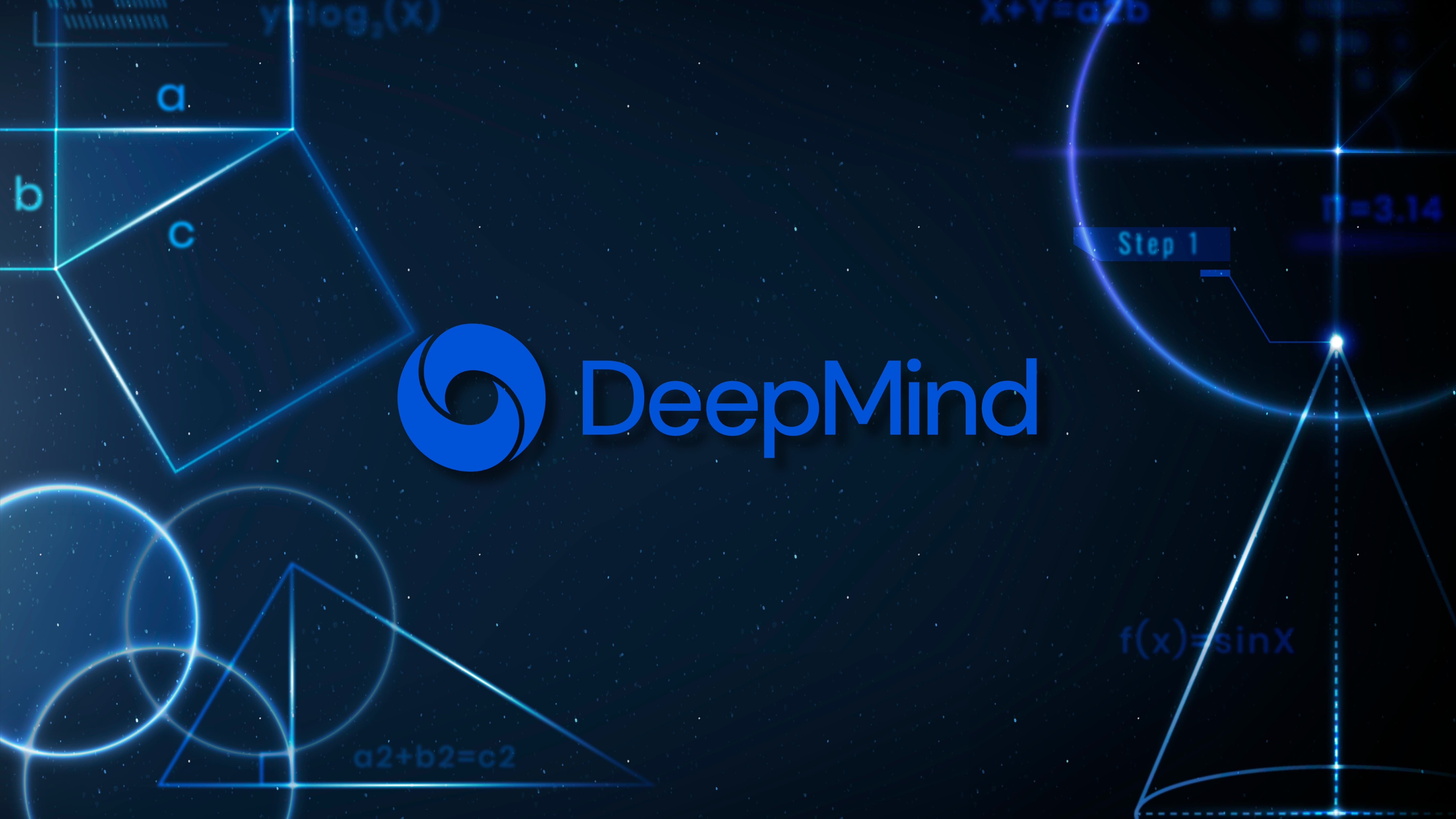
The 2025 Nobel Prize in Physics has been awarded to John Clarke, Michel Devoret and John Martinis for their experiments that brought quantum mechanical effects into macroscopic systems.

The Royal Swedish Academy of Sciences cited their ‘discovery of macroscopic quantum mechanical tunnelling and energy quantisation in an electric circuit’.

In classic quantum mechanics, particles can sometimes cross through energy barriers via a process known as tunnelling, behaviour that typically occurs at atomic or subatomic scales.

The laureates’ work showed that such quantum phenomena can appear in larger electrical circuits using superconductors and Josephson junctions, systems that were thought to be firmly in the domain of classical physics.

Their experiments (conducted in the mid-1980s) involved circuits made of superconducting materials separated by a thin insulating barrier. By finely tuning currents and electromagnetic stimuli, they were able to force a system to switch between zero-voltage and finite voltage states, essentially demonstrating that the circuit could ‘tunnel’ from one state to another.

In addition, they demonstrated energy quantisation in these systems, that the circuits absorb and emit energy in discrete packets, consistent with quantum theory.

This work is widely viewed as a foundational bridge between theoretical quantum mechanics and practical quantum technology. Superconducting circuits (such as qubits in quantum computers) rely on precisely these kinds of effects, and the laureates’ results helped validate the notion that quantum engineering is possible in engineered devices.

As the Nobel announcement puts it, their experiments ‘revealed quantum physics in action’ in a device small enough to hold in hand.

Would you like to learn more about AI, tech and digital diplomacy? If so, ask our Diplo chatbot

New AI tools make Facebook Reels more engaging than ever

Facebook enhances how users find and share Reels, focusing on personalisation and social interaction.

The platform’s new recommendation engine learns user interests faster, presenting more relevant and up-to-date content. Video viewing time in the US has risen over 20% year-on-year, reflecting the growing appeal of both short and long-form clips.

The update introduces new ‘friend bubbles’ showing which Reels or posts friends have liked, allowing users to start private chats instantly.

A feature that encourages more spontaneous conversation and discovery through shared interests. Facebook’s ‘Save’ option has also been simplified, letting users collect favourite posts and Reels in one place, while improving future recommendations.

AI now plays a larger role in content exploration, offering suggested searches on certain Reels to help users find related topics without leaving the player. By combining smarter algorithms with stronger social cues, Facebook aims to make video discovery more meaningful and community-driven.

Further personalisation tools are expected to follow as the platform continues refining its Reels experience.

Would you like to learn more about AI, tech and digital diplomacy? If so, ask our Diplo chatbot!
Study shows how AI can uncover hidden biological mechanisms

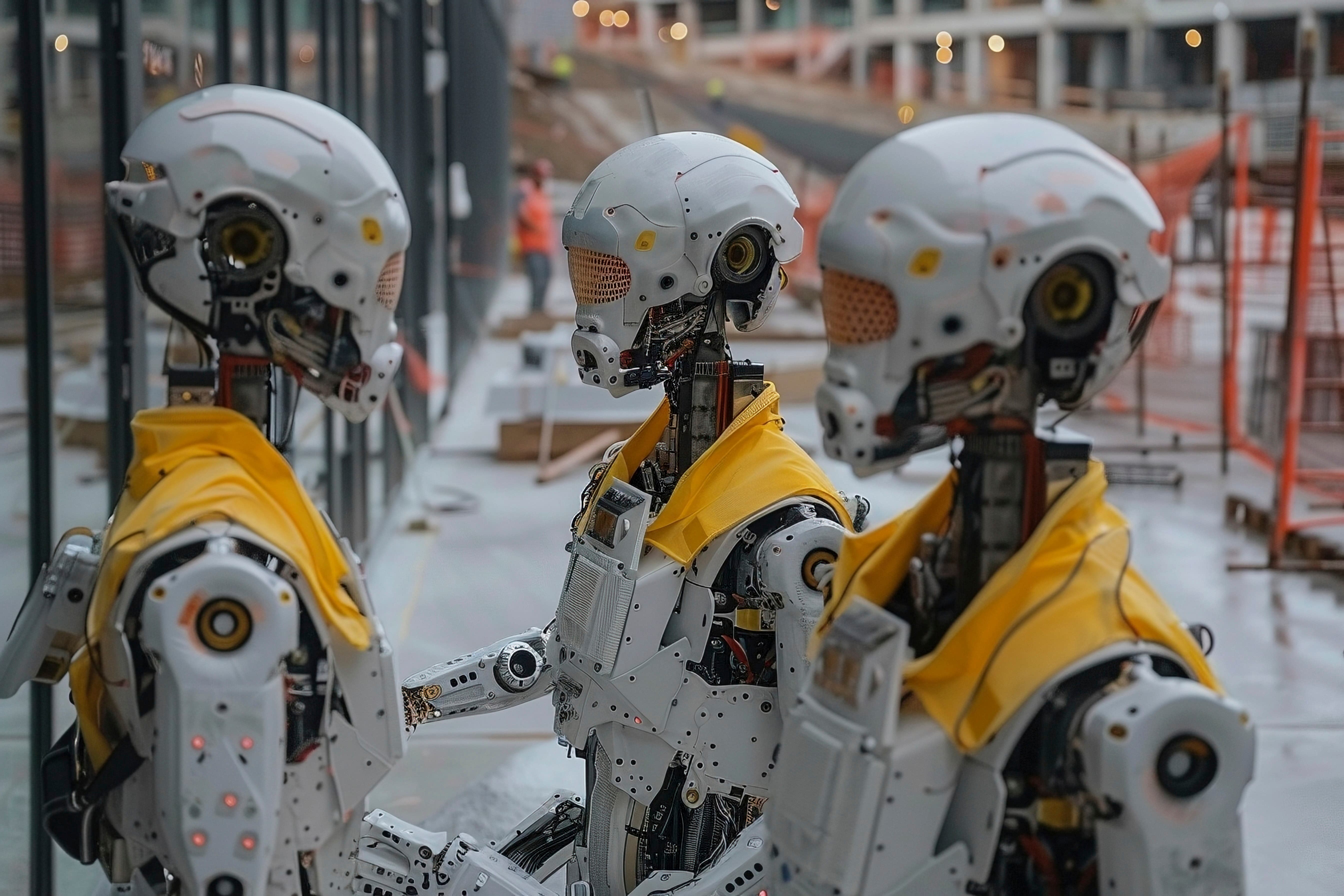
Researchers in China have used AI to reveal how different species independently develop similar traits when adapting to shared environments. The study focuses on echolocation in bats and toothed whales, two distant groups that created this ability separately despite their evolutionary differences.

The Institute of Zoology, Chinese Academy of Sciences team found that high-order protein features are crucial to adaptive convergence. Convergent evolution is the independent emergence of similar traits across species, often under similar ecological pressures.

Led by Zou Zhengting, the researchers developed a framework called ACEP, which utilises a pre-trained protein language model to analyse amino acid sequences. This method reveals hidden structural and functional information in proteins, shedding light on how traits are formed at the molecular level.

The findings, published in the Proceedings of the National Academy of Sciences, reveal how AI can detect deep biological patterns behind convergent evolution. The study demonstrates how combining AI with protein analysis provides powerful tools for understanding complex evolutionary mechanisms.

Zou said the work deepens the understanding of life’s evolutionary laws and highlights the growing role of AI in biology. The team in China hopes this approach can be applied to other evolutionary questions, broadening the use of AI in decoding life’s hidden patterns.

Would you like to learn more about AI, tech, and digital diplomacy? If so, ask our Diplo chatbot!

Study explores AI’s role in future-proofing buildings

AI could help design buildings that are resilient to both climate extremes and infectious disease threats, according to new research. The study, conducted in collaboration with Charles Darwin University, examines the application of AI in smart buildings, with a focus on energy efficiency and management.

Buildings account for over two-thirds of global carbon emissions and energy consumption, but reducing consumption remains challenging and costly. The study highlights how AI can enhance ventilation and thermal comfort, overcoming the limitations of static HVAC systems that impact sustainability and health.

Researchers propose adaptive thermal control systems that respond in real-time to occupancy, outdoor conditions, and internal heat. Machine learning can optimise temperature and airflow to balance comfort, energy efficiency, and infection control.

A new framework enables designers and facility managers to simulate thermal scenarios and assess their impact on the risk of airborne transmission. It is modular and adaptable to different building types, offering a quantitative basis for future regulatory standards.

The study was conducted with lead author Mohammadreza Haghighat from the University of Tehran and CDU’s Ehsan Mohammadi Savadkoohi. Future work will integrate real-time sensor data to strengthen building resilience against future climate and health threats.

Would you like to learn more about AI, tech, and digital diplomacy? If so, ask our Diplo chatbot!

Anthropic launches Bengaluru office to drive responsible AI in India

AI firm Anthropic, the company behind the Claude AI chatbot, is opening its first office in India, choosing Bengaluru as its base.

A move that follows OpenAI’s recent expansion into New Delhi, underlining India’s growing importance as a hub for AI development and adoption.

CEO Dario Amodei said India’s combination of vast technical talent and the government’s commitment to equitable AI progress makes it an ideal location.

The Bengaluru office will focus on developing AI solutions tailored to India’s needs in education, healthcare, and agriculture sectors.

Amodei is visiting India to strengthen ties with enterprises, nonprofits, and startups and promote responsible AI use that is aligned with India’s digital growth strategy.

Anthropic plans further expansion in the Indo-Pacific region, following its Tokyo launch, later in the year.

Chief Commercial Officer Paul Smith noted the rising demand among Indian companies for trustworthy, scalable AI systems. Anthropic’s Claude models are already accessible in India through its API, Amazon Bedrock, and Google Cloud Vertex AI.

The company serves more than 300,000 businesses worldwide, with nearly 80 percent of usage outside the US.

India has become the second-largest market for Claude, with developers using it for tasks such as mobile UI design and web app debugging.

Anthropic also enhances Claude’s multilingual capabilities in major Indic languages, including Hindi, Bengali, and Tamil, to support education and public sector projects.

Would you like to learn more about AI, tech and digital diplomacy? If so, ask our Diplo chatbot!

Bulgaria eyes AI gigafactory partnership with IBM

Bulgaria is considering building an AI gigafactory in partnership with IBM and the European Commission, Prime Minister Rosen Zhelyazkov announced after meeting with IBM executives in Sofia. The project aims to attract large-scale high-tech investment and strengthen Europe’s AI infrastructure.

The proposed facility would feature over 100,000 advanced GPU chips and require up to 500 megawatts of power. The initial phase alone is expected to need around 70 megawatts, highlighting the scale of the planned operation.

Funding could come through a public-private partnership, with the European Commission covering up to 17 percent of capital costs and EU member states contributing additional support for this Bulgarian project.

IBM is considered a strategic technology partner, bringing expertise in cloud computing, cybersecurity, and AI systems. The first gigafactories across Europe are expected to begin operations between 2027 and 2028, aligning with the EU’s plan to mobilise €200 billion for AI development.

Would you like to learn more about AI, tech and digital diplomacy? If so, ask our Diplo chatbot

AI maps over 1,300 mouse brain subregions with unprecedented precision

Researchers at UCSF and the Allen Institute have created one of the most detailed mouse brain maps. Their AI model, CellTransformer, identified over 1,300 brain regions and subregions, including previously uncharted areas. The findings were published in Nature Communications.

CellTransformer utilises spatial transcriptomics to define brain regions based on shared cellular patterns, rather than relying on expert annotation. Drawing city borders from building types reveals finer brain structures. This data-driven method provides unprecedented precision.

The model replicated known regions, such as the hippocampus, and revealed previously unknown subdivisions in the midbrain reticular nucleus. Researchers compared the leap from mapping continents to mapping states and cities. The tool provides a foundation for more targeted neuroscience studies.

Validation against the Allen Institute’s Common Coordinate Framework strongly aligned with expert-defined anatomy. The results gave researchers confidence in the biological relevance of the new subregions. Further studies will investigate their functions.

The model’s potential goes beyond neuroscience. Its methods can map other tissues, including cancers, by analysing large spatial transcriptomics datasets. However, this could support new medical research, helping uncover disease mechanisms and accelerate treatment development.

Would you like to learn more about AI, tech, and digital diplomacy? If so, ask our Diplo chatbot!