Vodafone and Intelsat to enhance remote satellite connectivity

Vodafone and Intelsat have strengthened their partnership to enhance satellite connectivity solutions for organisations operating in challenging environments, especially in remote areas and disaster zones. This collaboration aims to provide reliable and secure connectivity options that empower businesses, governments, and charitable organisations to track valuable cargo efficiently, establish rapid communication during emergencies, and support various critical applications.

By integrating Intelsat’s Flex portfolio into Vodafone’s offerings, the partnership will deliver two key services – Communications-on-the-Move (COTM), which employs a vehicle-mounted antenna for seamless connectivity, and Communications-on-the-Pause (COTP), a compact satellite terminal designed for temporary sites. Moreover, that partnership seeks to bolster humanitarian efforts, mainly through the Vodafone Foundation’s initiatives focused on health and education across Europe and Africa.

These efforts will provide essential connectivity for NGOs and government agencies responding to environmental and humanitarian crises. Additionally, this collaboration complements Vodafone’s existing work in low Earth orbit (LEO) satellite technology, which includes direct-to-smartphone connectivity and has already facilitated high-speed mobile broadband services in Papua New Guinea.

Intelsat’s commitment to enhancing connectivity in underserved regions exemplifies its partnership with CNH Industrial for precision agriculture in Brazil, further showcasing its dedication to providing internet access in rural areas. Vodafone and Intelsat leaders, including CEO Marika Auramo and Jean Philippe Gillet, highlight the vital role of reliable connectivity in community welfare and resilience. This partnership aims to enhance connectivity solutions and address urgent needs during emergencies, significantly impacting communities worldwide.

ITU and UNDP join forces to harness digital technology for sustainable development

The International Telecommunication Union (ITU) and the UN Development Programme (UNDP) have forged a powerful alliance to highlight the transformative potential of digital technology in achieving the Sustainable Development Goals (SDGs). By combining their unique strengths, these organisations aim to establish a comprehensive framework that promotes innovation and fosters inclusivity within the digital realm.

Moreover, their partnership is dedicated to addressing critical global challenges by leveraging emerging technologies, ensuring that digital advancements are accessible and beneficial to all sectors of society, particularly marginalised communities. In addition to their commitment to innovation, ITU and UNDP prioritise enhancing digital infrastructure and connectivity in developing regions, fully aware that reliable and affordable internet access is fundamental to sustainable development.

They strive to bridge the digital divide through strategic investments and capacity-building initiatives, empowering local communities with the tools and knowledge to effectively utilise digital technologies. Consequently, this collaborative endeavour is essential for driving economic growth, improving educational opportunities, and enhancing health outcomes in underserved areas, ultimately fostering a more equitable digital ecosystem.

Furthermore, beyond infrastructure development, ITU and UNDP advocate for robust digital governance and policy frameworks that ensure the responsible use of technology. Their initiatives focus on promoting transparency and accountability and prioritise safeguarding privacy and security in the digital age. By emphasising digital literacy and skills development, they are rolling out training programs designed to equip individuals with the confidence to navigate the digital landscape effectively.

Telecom operators in India demand OTT app regulation amid financial struggles

Telecom operators in India are increasingly concerned about the exclusion of over-the-top (OTT) messaging and calling apps, such as WhatsApp and Telegram, from the licensing framework recommended by the Telecom Regulatory Authority of India (Trai). They argue that these services function similarly to traditional telecom operators and should be subject to the same regulations.

The following issue was notably raised during a recent meeting with Union Minister Jyotiraditya Scindia, where leaders from major companies, including Reliance Jio and Bharti Airtel, convened to discuss how the current regulatory landscape hampers their competitiveness. In addition to regulatory concerns, financial sustainability is a critical issue, particularly regarding adjusted gross revenue (AGR) payments.

During discussions, operators highlighted the substantial financial burden of AGR liabilities, with Vodafone Idea owing ₹70,320 crore and Bharti Airtel approximately ₹21,500 crore. These debts strain their resources and threaten their viability in a highly competitive market. Moreover, the Supreme Court’s recent rejection of Vodafone Idea’s curative petition regarding AGR underscores the legal challenges that exacerbate their financial distress, reflecting the precarious state of India’s telecom industry.

Furthermore, consumer issues surrounding unsolicited commercial calls and SMS were also discussed. Operators pointed out the frustration these calls cause, prompting the Department of Telecommunications (DoT) to monitor and address the problem. Additionally, Scindia’s meeting with telecom equipment manufacturers in India highlights a comprehensive approach to tackling sector challenges and fostering innovation.

T-Mobile launches T-Priority for first responders

US-based T-Mobile is set to launch its T-Priority initiative, designed to enhance communication for first responders during critical situations significantly. By acknowledging these individuals’ vital role in safeguarding communities, T-Mobile is committed to providing advanced connectivity solutions tailored to their unique operational needs. That dedication reflects the company’s mission and ensures that those who protect us have access to reliable and effective communication tools, which are crucial for their life-saving work.

Regarding features, T-Priority focuses on optimising network resources specifically for first responders. Firstly, the initiative guarantees priority access to voice and data on T-Mobile’s leading 5G network, ensuring uninterrupted communication even during peak usage. Additionally, first responders will benefit from 2.5 times faster data speeds than competitors, enabling them to relay critical information efficiently.

Furthermore, T-Mobile offers 40% more 5G capacity, allowing more first responders to stay connected simultaneously. With its extensive coverage reaching 98% of Americans, T-Mobile is actively expanding services in rural areas to address existing connectivity gaps.

T-Priority incorporates enhanced security measures alongside dedicated support teams to further support first responders. Specifically, access to a security slice from T-Mobile SASE protects against potential cyber threats, safeguarding sensitive communications vital during emergencies.

Moreover, T-Mobile plans to deploy dedicated support teams during disasters while establishing mobile units to quickly set up communication capabilities in areas where they may be lacking. This comprehensive approach ensures that first responders have the connectivity and support necessary to respond effectively in critical situations.

AI-powered translations now available on Reddit globally

Reddit is expanding its AI-powered translation feature to over 35 countries in Europe, Asia, and Latin America. This marks a significant shift in the platform’s approach to increasing accessibility for non-English-speaking users. Reddit’s latest move follows its earlier translation service for French, broadening its language offerings to accommodate its growing user base.

The new feature enables automatic translation for both posts and comments, allowing conversations across multiple languages without needing manual input. Users can choose their preferred language settings, facilitating smoother interactions in diverse communities. Development like this one allows multilingual conversations to take place seamlessly within a single thread.

Reddit’s AI-powered translations extend beyond user interactions. Search engines will also index translated content, potentially drawing in more users who are searching for content in their local language. Reddit has already rolled out support in Brazil and Spain, with plans to expand to Germany, Italy, the Philippines, and other regions in Latin America soon.

The company continues to see growth in both its user base and ad revenue. Enhancing language support with AI-powered tools is a strategic move to appeal to global audiences, positioning Reddit for further international expansion.

Quad leaders set principles for Digital Public Infrastructure

The Quad leaders, comprising the United States, India, Japan, and Australia, outlined principles to guide the development and deployment of Digital Public Infrastructure (DPI) during their 6th Quad Leaders’ Summit in Wilmington, Delaware. Recognising the transformative power of digital technologies, they emphasised the need for DPI to foster inclusivity, ensure security, and promote scalability while respecting privacy and human rights.

The principles aim to provide a blueprint for governments and private sectors to collaborate on creating secure, interoperable digital systems. These systems would offer equitable access, support public service delivery, and drive sustainable development by addressing key challenges such as digital divides, privacy concerns, and cybersecurity risks. They focus on creating an inclusive, safe, and transparent digital ecosystem that can adapt to evolving demands, especially in pursuit of the UN 2030 Agenda for Sustainable Development.

Among the core principles are:

Inclusivity: Governments should strive to close digital divides by eliminating barriers that hinder access and ensuring no erroneous biases are embedded in digital systems.

Interoperability: DPI should be based on open standards that ensure compatibility across systems, balancing legal and technical requirements.

Scalability: Infrastructure should be designed to accommodate growing demand without significant disruptions.

Security and Privacy: DPI must integrate privacy-enhancing technologies and cybersecurity features to protect users’ data and ensure system resilience.

Collaboration: A culture of openness is encouraged by involving community actors and innovators throughout the DPI’s lifecycle.

Human Rights and Governance: DPI must respect human rights and be governed transparently to maximise public trust and benefit.

Sustainability: DPI should be built with sustainability in mind, ensuring long-term financial and technological viability.

These principles highlight the Quad’s commitment to ensuring that digitalisation leads to equitable, reliable, and sustainable outcomes for societies, strongly emphasising maintaining democratic values and human rights.

Officials call for restoring BTRC’s independence to ensure fair telecom practices in Bangladesh

Officials from the Bangladesh Telecommunication Regulatory Commission (BTRC) and the Bangladesh Mobile Phone Users Association (BMPUA) are united in their call to restore the BTRC’s independence as stipulated in the original Telecommunication Regulation Act of 2001.

They argue that the BTRC is compromised by excessive influence from the Ministry of Posts and Telecommunications, undermining its role as an impartial regulator. Both groups demand full autonomy over licensing, tariff regulation, and governance to reclaim their regulatory effectiveness.

The BMPUA also advocates for significant amendments to the Telecommunication Regulation Act, particularly removing legal clauses that shield the BTRC from judicial review. Such changes, they argue, are vital to enhancing public accountability and ensuring the commission operates with greater transparency in the public interest.

Moreover, they stress the need to reduce telecom service costs in Bangladesh by cutting out unnecessary intermediaries and promoting competitive licensing for key infrastructure like submarine cables. Strengthening competition and enforcing higher standards for telecom infrastructure, such as stricter tower quality and equipment regulations, are seen as essential steps toward making telecom services more reliable and affordable for all.

Additionally, BTRC officials and the BMPUA emphasise the importance of transparent, merit-based governance within the commission. They propose that all leadership positions be reserved for qualified Bangladeshi citizens to ensure that local expertise is prioritised and that the commission remains fully committed to advancing national interests.

In a further push for transparency, both groups advocate for public hearings before setting tariffs for internet and voice services, giving consumers a say in pricing decisions. They also highlight the critical need to recognise internet access as a fundamental human right, insisting that the BTRC be given full authority over internet regulation to prevent arbitrary shutdowns and external interference. These measures, they believe, will reinforce the commission’s independence while safeguarding the interests of consumers and promoting a more competitive, efficient telecom sector.

India to benefit from Google and Nvidia AI investments

Tech giants Google and Nvidia are increasing their focus on AI in India. The companies made the announcement following a meeting with Prime Minister Narendra Modi during his recent US visit, signalling plans for deeper involvement in AI development across the country.

Nvidia CEO Jensen Huang commended Prime Minister Modi’s keen interest in AI and its potential to transform industries. Huang also recognised growing tech talent and startup ecosystem, which he views as vital to AI innovation and development. Nvidia has formed various partnerships in India to help scale AI capabilities.

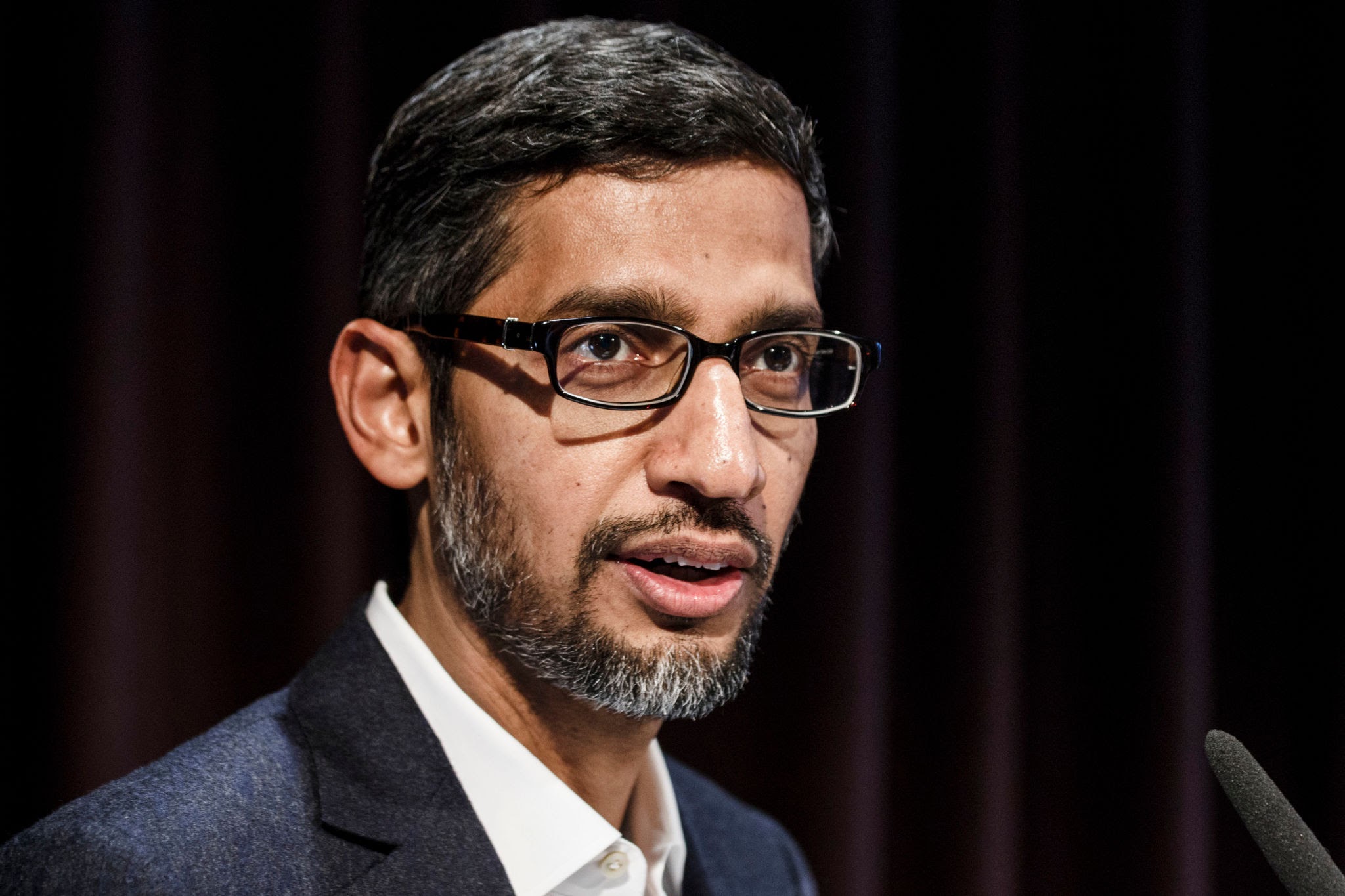
Google CEO Sundar Pichai emphasised the Prime Minister’s push for India to adopt AI across sectors, including healthcare, education, and agriculture. Pichai confirmed Google’s intention to continue robust investments in AI to help further India’s digital transformation and ensure AI benefits the wider population.

Both Google and Nvidia are committed to supporting India’s technological growth, recognising its pivotal role in shaping the future of AI globally. Their collaboration with the Indian government aims to boost innovation and provide advanced AI solutions for various industries.

Google CEO warns of AI divide and announces $120m education fund

Speaking at the UN Summit of the Future 2024, Google CEO Sundar Pichai described AI as the most transformative technology yet and announced a $120 million Global AI Opportunity Fund. The fund would provide AI education and training worldwide through partnerships with local NGOs and nonprofits.

Pichai highlighted four key areas where AI can contribute to sustainable development: language accessibility, scientific discovery, climate disaster alerts, and economic progress. He stressed the importance of harnessing AI for global advancement while addressing its risks.

He also warned of the potential for an ‘AI divide,’ where some regions may need to catch up in access to the technology. To combat this, Pichai called for smart global regulations that mitigate harm without promoting national protectionism, which could limit the benefits of AI.

Although Pichai did not mention the environmental impacts of AI, he emphasised the need for balanced regulation to ensure equal access and opportunities for AI development worldwide.

Voiceitt brings personalised AI speech recognition to remote work

Israeli company Voiceitt aims to revolutionise communication for people with speech impairments through its AI-powered speech recognition system. Using personalised voice models, Voiceitt helps those affected by conditions like cerebral palsy, Parkinson’s, and Down syndrome to communicate more effectively with both people and digital devices.

Voiceitt, launched in 2021 as a vocal translator app, is now integrated with platforms such as WebEx, Zoom, and Microsoft Teams. It allows users to convert non-standard speech into captions and text for video calls and written documents, opening up new opportunities for remote work and communication.

Co-founder Sara Smolley views the project as a personal mission, inspired by her grandmother’s struggle with Parkinson’s disease. Voiceitt is designed to offer accessibility in the workplace and beyond, with users like accessibility advocate Colin Hughes praising its accuracy but also advocating for more features.

As the field of speech recognition advances, Voiceitt partners with major platforms and complies with strict privacy regulations to protect user data. Smolley believes the technology will significantly improve users’ independence and enjoyment of modern technology.