The Bolivian government has implemented several initiatives and policy reforms to transform the telecommunications sector, addressing the unique challenges posed by the country’s geography and socioeconomic conditions. Recognising telecommunications as a fundamental human right, the government has taken steps to ensure that all citizens can access basic telecommunications services, including the internet.
The government enacted General Law No. 164 on Telecommunications and Information and Communication Technologies, which established a framework for the sector’s development. This law delegated responsibilities to specific government bodies and created the National Telecommunication Program for Social Inclusion (PRONTIS), which focuses on extending internet access, particularly in rural and underserved areas. PRONTIS has facilitated the installation of telecommunications infrastructure in nearly 9,000 locations that previously lacked services and has connected schools in 270 rural areas.
Furthermore, the government in Bolivia has proactively expanded the mobile telecommunications market. Significant investments have been made to enhance the national telecommunications network, emphasising mobile services. This includes the introduction of infrastructure sharing to expedite the rollout of base stations across the country, particularly in hard-to-reach areas. The government has also supported various initiatives to improve internet penetration, which has risen from 4% in 2008 to over 52% in recent years.
Looking ahead, Bolivia’s telecommunications sector is set for continued innovation, with 5G technology, IoT applications, and smart city developments expected to enhance connectivity and public services further.
The Indian government has introduced significant draft rules on telecommunications cybersecurity, marking a substantial advancement in the regulatory framework for telecommunications. Central to these rules is the government’s authority to request traffic data from telecom providers, aimed at enhancing cybersecurity and protecting users from online fraud, particularly concerning over-the-top (OTT) services like WhatsApp and Telegram. By monitoring this data, the government seeks to identify patterns and potential threats, thereby strengthening the security of telecom networks.
Telecom companies in India must adopt comprehensive cybersecurity policies, conduct regular audits, and establish Security Operations Centers (SOCs) for real-time incident monitoring and response. Additionally, they must appoint a Chief Telecommunication Security Officer (CTSO) to ensure compliance and report any security incidents to the government within six hours. This proactive approach facilitates swift government intervention, and bolsters network resilience against cyber threats.
The draft rules also provide a framework for lawful interception of communications and temporary suspension of services for national security or public order reasons, emphasising the balance between security and individual privacy rights. Currently open for public consultation for 30 days, these rules invite feedback from stakeholders to ensure a balanced and inclusive regulatory approach.
Furthermore, the draft rules stress the protection of critical telecom infrastructure, requiring detailed record-keeping and compliance with national security directives, including the registration of telecommunications equipment identifiers.
The Nigerian Communications Commission (NCC) has introduced the QoS Regulations 2024 to improve the quality of telecommunications services in Nigeria. These new regulations specify key performance indicators (KPIs) for network segments, including 2G, 3G, and 4G, focusing on critical metrics such as Drop Call Rates, Call Setup Success Rate, and Traffic Congestion.
Non-compliance with these standards will result in a fine of N5 million, with an additional penalty of N500,000 per day for continued infractions. Telecom companies must submit monthly QoS reports, and the NCC will evaluate these reports through drive tests, consumer surveys, and data from Network Operating Centres (NOCs).
The following regulatory initiative reflects the NCC’s response to the 50% service target set by Dr Bosun Tijani, the Minister of Communications, Innovation, and Digital Economy of Nigeria. The Commission is committed to meeting this target by the end of the year and has set ambitious goals for broadband penetration, data speeds, and coverage in the coming years. The new approach emphasises detailed, localised data collection, allowing the NCC to implement targeted solutions and regulatory actions to enhance the consumer experience.
The introduction of these regulations also comes at a time of financial strain for telecom operators, who are dealing with the impacts of Naira devaluation and high inflation. These economic challenges have reduced network capacity investment, affecting service quality. In response, operators have requested tariff increases to mitigate their financial difficulties. The NCC’s new regulations and enforcement actions will be crucial in addressing service quality issues while balancing the economic realities faced by the telecom industry.
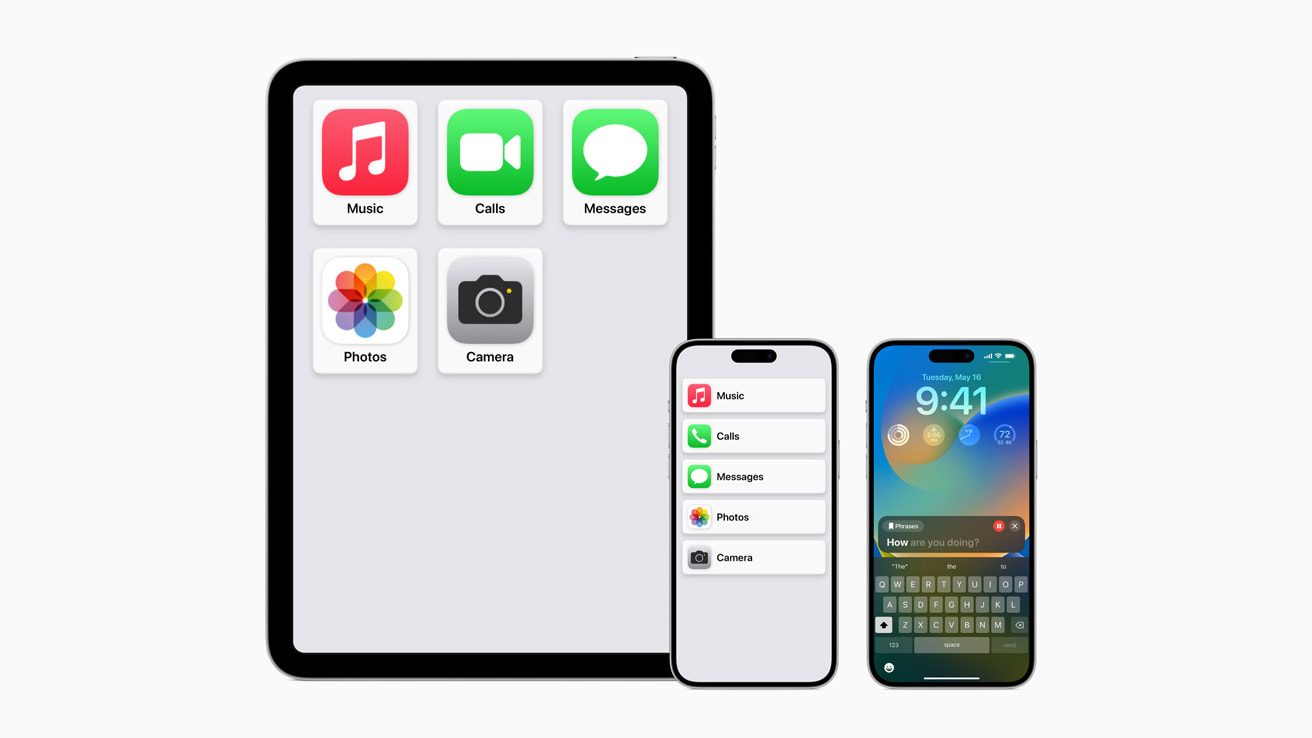
Apple has partnered with India’s second-largest telecom provider, Bharti Airtel, to expand its content streaming services in the country. The collaboration will offer free access to Apple Music and Apple TV+ to millions of Airtel’s customers, boosting Apple’s presence in the rapidly growing Indian digital market. This strategy marks a shift in focus for Apple, which has primarily been emphasising manufacturing in India as part of its effort to diversify production beyond China.
Apple Music will soon be available to premium users of Airtel’s Wynk music app, which is set to close, while Apple TV+ will be included in packages for postpaid customers. India’s streaming market is highly competitive, with Apple aiming to increase its footprint in both music and video services. Despite strong competition from established players like Spotify and Disney+ Hotstar, Apple hopes this partnership will help gain more subscribers.
Although Apple Music includes local Bollywood and regional-language content, its smaller library compared to rivals like Spotify may present a challenge. Apple TV+, known for its original English-language series, currently lacks the Hindi content and localised offerings that dominate the Indian market, making its growth potential uncertain.
The partnership highlights Apple’s broader ambitions for India as it seeks to increase revenue from its services. Airtel, for its part, aims to enhance customer loyalty and boost revenues by leveraging Apple’s premium content offerings, while phasing out its own Wynk platform to focus on distribution rather than content creation.
AT&T and Nokia have entered into a new agreement to develop a fibre network in the US, marking a strategic move for Nokia following a recent setback. This deal comes after AT&T awarded a major network contract to Swedish competitor Ericsson in December, a project set to cover 70% of its US wireless traffic by 2026. Despite this loss, Nokia’s new five-year fibre network deal is seen as a significant milestone and is expected to enhance broadband access for millions of Americans.
Although the financial details of the fibre deal were not disclosed, Nokia emphasised its importance in expanding broadband infrastructure and supporting AT&T’s extensive fibre network, which reached 27.8 million locations by mid-2024. The deal also aligns with US government requirements for funding compliance.
Nokia, which recently experienced a 32% drop in profit, is optimistic about growth in the fibre sector. The company is poised to benefit from a $42 billion US government initiative aimed at increasing high-speed broadband access. Additionally, Nokia’s recent acquisition of Infinera for $2.3 billion highlights its commitment to capitalising on the surge in data centre investments driven by advancements in AI.
U Mobile and China Mobile International (CMI) have signed a Memorandum of Understanding (MoU) to form a strategic partnership to advance 5G development. The collaboration will share expertise in 5G deployment, particularly for business-to-business (B2B) applications. Both companies aim to enhance the 5G ecosystem by combining resources and driving innovative solutions.
A key aspect of the partnership is the creation of cross-border 5G commercial models, which will improve roaming infrastructure and ensure seamless connectivity for international travellers. The initiative is crucial in today’s interconnected world, where reliable communication is essential.
Wong Heang Tuck, CEO of U Mobile, expressed excitement about the partnership, emphasizing its alignment with the company’s mission to accelerate 5G deployment across various sectors. By leveraging CMI’s extensive knowledge and global network, U Mobile aims to stimulate digital economies through innovative 5G applications.
Additionally, U Mobile has signed an MoU with Huawei Technologies (Malaysia) to enhance its 5G strategic roadmap. This collaboration will allow U Mobile to utilize Huawei’s expertise to improve its network capabilities and drive research and development efforts, ultimately boosting customer satisfaction and adopting 5G technology across consumer and enterprise markets.
EE (BT) has recently launched new mobile plans in the UK that support 5G Standalone (5G SA) technology, marking a significant advancement in mobile connectivity. The new plans, named All Rounder and Full Works, offer benefits over the more common 5G Non-Standalone (NSA) networks, enabling users to experience the full potential of 5G.
One of the key advantages of 5G SA is its performance enhancements, including faster speeds, ultra-low latency, and improved upload capabilities compared to NSA networks that still rely on 4G infrastructure. These improvements are essential for applications like gaming and real-time communications. Additionally, 5G SA introduces advanced features such as network slicing, which optimises resources for various applications and better support for Internet of Things (IoT) devices.
However, these new plans come at a higher price point, as EE has positioned 5G SA as an upsell feature rather than a standard offering. This strategy has drawn criticism from industry experts who advocate for simpler plans that include 5G SA by default, as the complexity can confuse consumers trying to make informed choices.
EE’s introduction of 5G SA plans follows similar launches by other major carriers like Vodafone and O2. As EE expands its 5G SA coverage in the second half of 2024, consumers can expect enhanced reliability and security, paving the way for a more robust mobile experience.
In partnership with ZTE Corporation, Orange Liberia has completed the deployment of 128 RuralPilot EcoSites across rural Liberia in just three months. The project notably enhances network coverage in underserved areas, providing essential 2G voice and 4G data services.
Each site utilises low-power wireless base station equipment operating on the 800MHz and 900MHz bands and is equipped with solar energy systems and smart lithium batteries supported by PowerPilot AI energy-saving software—this innovative infrastructure addresses transmission challenges through microwave, satellite, and 4G relay technologies.
Jean Marius YAO, CEO of Orange Liberia, highlighted the company’s commitment to improving communication services, stating that these new sites will support rural communities’ economic and social development. Zhang Guanzhen, CEO of ZTE Orange MEA Account, praised the collaboration as a big milestone despite challenges like underdeveloped infrastructure.
With this new network in place, over 580,000 subscribers in rural areas will benefit from enhanced digital, financial, and energy inclusion, marking a transformative advancement in Liberia’s telecommunications landscape.
Ericsson and Telstra have achieved a significant milestone in mobile connectivity with the launch of Ericsson’s 4th generation Radio Access Network (RAN) compute platform. The advanced technology introduces the RAN Processor 6672 in a Centralized RAN (C-RAN) configuration, offering over three times the capacity of previous models and greatly enhancing data speeds, reliability, and efficiency.
The new RAN Compute units handle critical digital signal processing tasks and achieve up to 60% lower energy consumption than traditional setups. Such efficiency supports sustainability goals while improving network performance. Additionally, the platform integrates advanced automation and AI/ML capabilities, enabling support for up to 20 times more AI models and paving the way for future technologies like 5G Advanced and 6G.
Emilio Romeo, Head of Ericsson, Australia, and New Zealand, highlighted the global importance of this deployment, noting it enhances current services and prepares the network for future innovations. Sri Amirthalingam, Telstra’s Executive for Wireless Network Engineering, emphasised that this technology will provide a superior mobile experience and support increased network capacity, setting the stage for future advancements.
PT Telekomunikasi Indonesia International (Telin) and Indosat Ooredoo Hutchison (IOH) have partnered to develop the Indonesia Cable Express System 2 (ICE System 2), enhancing Indonesia’s telecommunications infrastructure. The partnership was formalised through a Memorandum of Understanding (MOU) signed on 28 August 2024 during the BATIC 2024 event.
The ICE System 2 aims to address the growing connectivity needs at various landing points throughout Indonesia, including Jakarta, Surabaya, Balikpapan, Makassar, and Manado, while also providing links to Singapore. This project is expected to significantly improve the quality and efficiency of telecommunications services in these regions, supporting businesses and consumers in their digital endeavours.
The partnership will also focus on expanding infrastructure by connecting the Points of Presence (PoP) of both IOH and Telin with the ICE System 2, solidifying the network’s robustness and ensuring cost-efficient development.
The MOU is a foundational document for further negotiations and will lead to a definitive agreement outlining this transformative project’s specific roles, responsibilities, and technical aspects.