Google has unveiled plans to invest £5 billion (around $6.8 billion) in the UK’s AI economy over the next two years.
An announcement comes just hours before US President Donald Trump’s official visit to the country, during which economic agreements worth more than $10 billion are expected.
The investment will include establishing a new AI data centre in Waltham Cross, Hertfordshire, designed to meet growing demand for services like Google Cloud.
Alongside the facility, funds will be channelled into research and development, capital expenditure, engineering, and DeepMind’s work applying AI to science and healthcare. The project is expected to generate 8,250 annual jobs for British companies.
Google also revealed a partnership with Shell to support grid stability and contribute to the UK’s energy transition. The move highlights the economic and environmental stakes tied to AI expansion, as the UK positions itself as a hub for advanced digital technologies.
Would you like to learn more aboutAI, tech and digital diplomacy? If so, ask our Diplo chatbot!
The UK government is expanding its use of AI across prisons, probation and courts to monitor offenders, assess risk and prevent crime before it occurs under the AI Action Plan.
One key measure involves an AI violence prediction tool that uses factors like an offender’s age, past violent incidents and institutional behaviour to identify those most likely to pose risk.
These predictions will inform decisions to increase supervision or relocate prisoners in custody wings ahead of potential violence.
Another component scans seized mobile phone content to highlight secret or coded messages that may signal plotting of violent acts, intelligence operations or contraband activities.
Officials are also working to merge offender records across courts, prisons and probation to create a single digital identity for each offender.
UK authorities say the goal is to reduce reoffending and prioritise public and staff safety, while shifting resources from reactive investigations to proactive prevention. Civil liberties groups caution about privacy, bias and the risk of overreach if transparency and oversight are not built in.
Would you like to learn more about AI, tech and digital diplomacy? If so, ask our Diplo chatbot!
Jaguar Land Rover has told staff to stay at home until at least Wednesday as the company continues to recover from a cyberattack.
The hack forced JLR to shut down systems on 31 August, disrupting operations at plants in Halewood, Solihull and Wolverhampton, UK. Production was initially paused until 9 September but has now been extended for at least another week.
Business minister Sir Chris Bryant said it was too early to determine whether the attack was state-sponsored. The incident follows a wave of cyberattacks in the UK, including recent breaches at M&S, Harrods and train operator LNER.
Would you like to learn more about AI, tech and digital diplomacy? If so, ask our Diplo chatbot!
The UK’s National Cyber Security Centre has released version 4.0 of its Cyber Assessment Framework to help organisations protect essential services from rising cyber threats.
An updated CAF that provides a structured approach for assessing and improving cybersecurity and resilience across critical sectors.
Version 4.0 introduces a deeper focus on attacker methods and motivations to inform risk decisions, ensures software in essential services is developed and maintained securely, and strengthens guidance on threat detection through security monitoring and threat hunting.
AI-related cyber risks are also now covered more thoroughly throughout the framework.
The CAF primarily supports energy, healthcare, transport, digital infrastructure, and government organisations, helping them meet regulatory obligations such as the NIS Regulations.
Developed in consultation with UK cyber regulators, the framework provides clear benchmarks for assessing security outcomes relative to threat levels.
Authorities encourage system owners to adopt CAF 4.0 alongside complementary tools such as Cyber Essentials, the Cyber Resilience Audit, and Cyber Adversary Simulation services. These combined measures enhance confidence and resilience across the nation’s critical infrastructure.
Would you like to learn more aboutAI, tech and digital diplomacy? If so, ask our Diplo chatbot!
UK publishers warn that Google’s AI Overviews significantly cut website traffic, threatening fragile online revenues.
Reach, owner of the Mirror and Daily Express, said readers often settle for the AI summary instead of visiting its sites. DMG Media told regulators that click-through rates had fallen by up to 89% since the rollout.
Publishers argue that they provide accurate reporting that fuels Google’s search results, yet they see no financial return when users no longer click through. Concerns are growing over Google’s conversational AI Mode, which displays even fewer links.
Google insists that search traffic has remained stable year-on-year and claims that AI overviews offer users more opportunities to find quality links. Still, a coalition of publishers has filed a complaint with the UK Competition and Markets Authority, alleging misuse of their content.
Would you like to learn more about AI, tech and digital diplomacy? If so, ask our Diplo chatbot!
The company stated there is currently ‘no evidence’ that any customer data has been compromised and assured it is working at pace to restore systems in a controlled manner.
The incident disrupted output at key UK plants, including Halewood and Solihull, led to operational bottlenecks such as halted vehicle registrations, and impacted a peak retail period following the release of ’75’ number plates.
A Telegram group named Scattered Lapsus$ Hunters, a conflation of known hacking collectives, claimed responsibility, posting what appeared to be internal logs. Cybersecurity experts caution that such claims should be viewed sceptically, as attribution via Telegram may be misleading.
Would you like to learn more about AI, tech and digital diplomacy? If so, ask our Diplo chatbot!
Cyber experts are warning that Bluetooth-enabled adult toys create openings for stalking, blackmail and assault, due to weak security in companion apps and device firmware. UK-commissioned research outlined risks such as interception, account takeover and unsafe heat profiles.
Officials urged better protection across consumer IoT, advising updates, strong authentication and clear support lifecycles. Guidance applies to connected toys alongside other smart devices in the home.
Security researchers and regulators have long flagged poor encryption and lax authentication in intimate tech. At the same time, recent disclosures showed major brands patching flaws that exposed emails and allowed remote account control.
Industry figures argue for stricter standards and transparency on data handling, noting that stigma can depress reporting and aid repeat exploitation. Specialist groups recommend buying only from vendors that document encryption and update policies.
Would you like to learn more about AI, tech and digital diplomacy? If so, ask our Diplo chatbot!
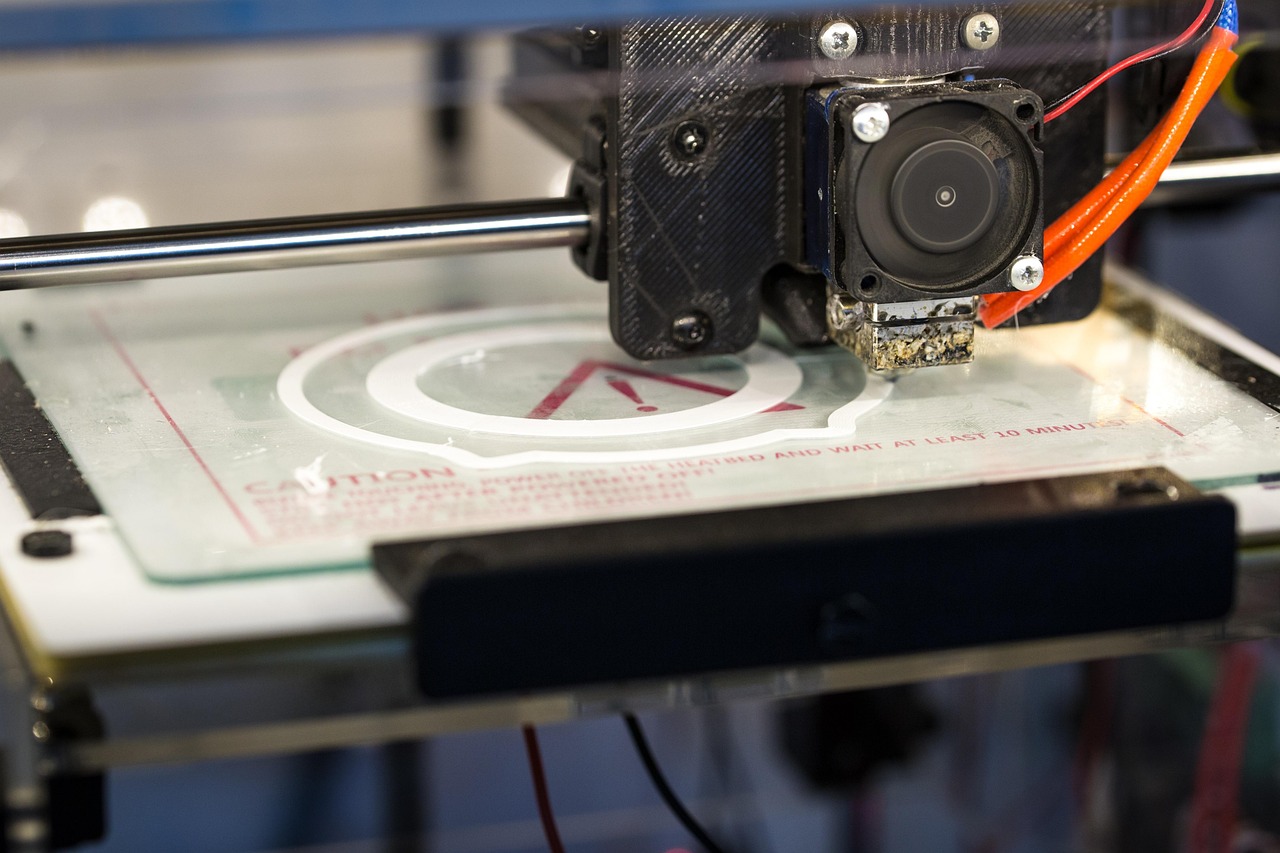
Exeter technology firm Rapid Fusion has introduced an AI-powered print assistant to enhance its robotic additive manufacturing systems. Known as Bob, the system has been in development for eight months and is now being rolled out to clients.
The AI aims to simplify machine operation, provide greater control and reduce downtime through predictive maintenance.
It is compatible with the company’s Apollo, Zeus and Medusa models, including the first UK large-format hybrid 3D gantry printer.
Rapid Fusion’s chief technology officer, Martin Jewell, said the system represents a breakthrough in making complex 3D printing more accessible. A standard version will be released in early 2026, while select partners and universities will act as super users to refine future updates.
Would you like to learn more about AI, tech and digital diplomacy? If so, ask our Diplo chatbot!
Microsoft, Accenture, and Avanade are deepening their 25-year partnership to bring AI into some of the UK’s most vital sectors, including healthcare and finance. NHS England is piloting AI-powered tools to streamline patient services and cut down on time-consuming administrative tasks, while Nationwide Building Society is deploying machine learning to improve customer services, speed up mortgage approvals, and enhance fraud detection.
The three companies have different responsibilities in tackling the challenges of enterprise AI. Microsoft provides the Azure cloud platform and pre-built AI models, Accenture contributes sector-specific expertise and governance frameworks, and Avanade integrates the technology into existing systems and workflows. That structure helps organisations move beyond experimental AI pilots and scale solutions reliably in highly regulated industries.
Unlike consumer applications, enterprise AI must meet strict compliance requirements, especially concerning sensitive patient data or financial transactions. The partnership emphasises embedding AI directly into day-to-day operations rather than treating it as an add-on, reducing disruption for staff and ensuring systems work seamlessly once live.
With regulators tightening oversight, the alliance highlights responsible AI as a key focus. By prioritising transparency, security, and ethical use, Microsoft, Accenture, and Avanade are positioning their collaboration as a blueprint for how AI can be adopted across critical institutions without compromising trust or reliability.
Would you like to learn more aboutAI, tech and digital diplomacy? If so, ask our Diplo chatbot!
The United Kingdom has unveiled a strategy to grow its digital economy to £1 trillion by harnessing AI, quantum computing, and cybersecurity. The plan emphasises public-private partnerships, training, and international collaboration to tackle skills shortages and infrastructure gaps.
The initiative builds on the UK tech sector’s £1.2 trillion valuation, with regional hubs in cities such as Bristol and Manchester fuelling expansion in emerging technologies. Experts, however, warn that outdated systems and talent deficits could stall progress unless workforce development accelerates.
AI is central to the plan, with applications spanning healthcare and finance. Quantum computing also features, with investments in research and cybersecurity aimed at strengthening resilience against supply disruptions and future threats.
The government highlights sustainability as a priority, promoting renewable energy and circular economies to ensure digital growth aligns with environmental goals. Regional investment in blockchain, agri-tech, and micro-factories is expected to create jobs and diversify innovation-driven growth.
By pursuing these initiatives, the UK aims to establish itself as a leading global tech player alongside the US and China. Ethical frameworks and adaptive strategies will be key to maintaining public trust and competitiveness.
Would you like to learn more about AI, tech, and digital diplomacy? If so, ask our Diplo chatbot!