Microsoft has confirmed it does not allow employees to use the DeepSeek app, citing data security and propaganda concerns.
Speaking at a Senate hearing, company president Brad Smith explained the decision stems from fears that data shared with DeepSeek could end up on Chinese servers and be exposed to state surveillance laws.
Although DeepSeek is open source and widely available, Microsoft has chosen not to list the app in its own store.
Smith warned that DeepSeek’s answers may be influenced by Chinese government censorship and propaganda, and its privacy policy confirms data is stored in China, making it subject to local intelligence regulations.
Interestingly, Microsoft still offers DeepSeek’s R1 model via its Azure cloud service. The company argued this is a different matter, as customers can host the model on their servers instead of relying on DeepSeek’s infrastructure.
Even so, Smith admitted Microsoft had to alter the model to remove ‘harmful side effects,’ although no technical details were provided.
While Microsoft blocks DeepSeek’s app for internal use, it hasn’t imposed a blanket ban on all chatbot competitors. Apps like Perplexity are available in the Windows store, unlike those from Google.
The stance against DeepSeek marks a rare public move by Microsoft as the tech industry navigates rising tensions over AI tools with foreign links.
Would you like to learn more aboutAI, tech and digital diplomacy? If so, ask our Diplo chatbot!
LockBit, one of the most notorious ransomware groups of recent years, has suffered a significant breach of its dark web platform. Its admin and affiliate panels were defaced and replaced with a message linking to a leaked MySQL database, seemingly exposing sensitive operational details.
The message mocked the gang with the line ‘Don’t do crime CRIME IS BAD xoxo from Prague,’ raising suspicions of a rival hacker or vigilante group behind the attack.
The leaked database, first flagged by a threat actor known as Rey, contains 20 tables revealing details about LockBit’s affiliate network, tactics, and operations. Among them are nearly 60,000 Bitcoin addresses, payload information tied to specific targets, and thousands of extortion chat messages.
A ‘users’ table lists 75 affiliate and admin identities, many with passwords stored in plain text—some comically weak, like ‘Weekendlover69.’
While a LockBit spokesperson confirmed the breach via Tox chat, they insisted no private keys were exposed and that losses were minimal. However, the attack echoes a recent breach of the Everest ransomware site, suggesting the same actor may be responsible.
Combined with past law enforcement actions—such as Operation Cronos, which dismantled parts of LockBit’s infrastructure in 2024—the new leak could harm the group’s credibility with affiliates.
LockBit has long operated under a ransomware-as-a-service model, providing malware to affiliates in exchange for a cut of ransom profits. It has targeted both Linux and Windows systems, used double extortion tactics, and accounted for a large share of global ransomware attacks in 2022.
Despite ongoing pressure from authorities, the group has continued its operations—though this latest breach could prove harder to recover from.
Would you like to learn more aboutAI, tech and digital diplomacy? If so, ask our Diplo chatbot!
Google has released a new report outlining how it is using AI to better protect users from online scams across its platforms.
The company says AI is now actively fighting scams in Chrome, Search and Android, with new tools able to detect and neutralise threats more effectively than before.
At the heart of these efforts is Gemini Nano, Google’s on-device AI model, which has been integrated into Chrome to help identify phishing and fraudulent websites.
The report claims the upgraded systems can now detect 20 times more harmful websites, many of which aim to deceive users by creating a false sense of urgency or offering fake promotions. These scams often involve phishing, cryptocurrency fraud, clone websites and misleading subscriptions.
Search has also seen major improvements. Google’s AI-powered classifiers are now better at spotting scam-related content before users encounter it. For example, the company says it has reduced scams involving fake airline customer service agents by over 80 per cent, thanks to its enhanced detection tools.
Meanwhile, Android users are beginning to see stronger safeguards as well. Chrome on Android now warns users about suspicious website notifications, offering the choice to unsubscribe or review them safely.
Google has confirmed plans to extend these protections even further in the coming months, aiming to cover a broader range of online threats.
Would you like to learn more aboutAI, tech and digital diplomacy? If so, ask our Diplo chatbot!
OpenAI has announced that enterprise and educational customers in India using ChatGPT can now store their data locally instead of relying on servers abroad.
The move, aimed at complying with India’s upcoming data localisation rules under the Digital Personal Data Protection Act, allows conversations, uploads, and prompts to remain within the country. Similar options are now available in Japan, Singapore, and South Korea.
Data stored under this new residency option will be encrypted and kept secure, according to the company. OpenAI clarified it will not use this data for training its models unless customers choose to share it.
The change may also influence a copyright infringement case against OpenAI in India, where the jurisdiction was previously questioned due to foreign server locations.
Alongside this update, OpenAI has unveiled a broader international initiative, called OpenAI for Countries, as part of the US-led $500 billion Stargate project.
The plan involves building AI infrastructure in partner countries instead of centralising development, allowing nations to create localised versions of ChatGPT tailored to their languages and services.
OpenAI says the goal is to help democracies develop AI on their own terms instead of adopting centralised, authoritarian systems.
The company and the US government will co-invest in local data centres and AI models to strengthen economic growth and digital sovereignty across the globe.
Would you like to learn more aboutAI, tech and digital diplomacy? If so, ask our Diplo chatbot!
Nearly 60,000 Bitcoin addresses linked to LockBit’s ransomware operations have been exposed following a major breach of the group’s dark web affiliate panel.
The leak, which included a MySQL database dump, was shared publicly online and could assist blockchain analysts in tracing LockBit’s financial activity instead of leaving such transactions untracked.
Despite the scale of the breach, no private keys were leaked. A LockBit representative reportedly confirmed the incident in a message, stating that no sensitive access data was compromised.
However, the exposed database included 20 tables, such as one labelled ‘builds’ that contained details about ransomware created by affiliates and their targeted companies.
Another table, ‘chats,’ revealed over 4,400 messages from negotiations between victims and LockBit operators, offering a rare glimpse into the inner workings of ransomware extortion tactics.
Analysts believe the hack may be connected to a separate breach of the Everest ransomware site, as both featured identical messages, hinting at a possible link.
The incident has again underscored the central role of cryptocurrency in the ransomware economy. Each victim is typically given a unique address for payments, making tracking difficult.
Instead of remaining hidden, these addresses now give law enforcement and blockchain experts a chance to trace payments and potentially link them to previously unidentified actors.
Would you like to learn more aboutAI, tech and digital diplomacy? If so, ask our Diplo chatbot!
FutureHouse, a nonprofit backed by Eric Schmidt, has introduced Finch, an AI tool designed to assist biological research. Finch analyses biology data and research papers, generating figures and insights much like a first-year graduate student might.
FutureHouse aims to automate aspects of scientific discovery, though no significant breakthroughs have yet been reported.
Despite optimism from tech leaders, many scientists doubt AI’s current value in guiding complex research.
Finch, while promising, can still make errors, prompting FutureHouse to recruit bioinformaticians and computational biologists to help refine the tool. The platform remains in closed beta as development continues.
The biotech AI market is expanding, yet previous ventures have suffered clinical trial setbacks. Finch represents a cautious step forward, balancing potential with careful human oversight. Interested experts are invited to participate in its ongoing evaluation.
Would you like to learn more about AI, tech and digital diplomacy? If so, ask our Diplo chatbot!
Meta has secured a major legal victory against Israeli surveillance company NSO Group, with a California jury awarding $168 million in damages.
The ruling concludes a six-year legal battle over the unlawful deployment of NSO’s Pegasus spyware, which targeted journalists, human rights activists, and other individuals through a vulnerability in WhatsApp.
The verdict includes $444,719 in compensatory damages and $167.3 million in punitive damages.
Meta hailed the decision as a milestone for privacy, calling it ‘the first victory against the development and use of illegal spyware that threatens the safety and privacy of everyone’. NSO, meanwhile, said it would review the outcome and consider further legal steps, including an appeal.
The case, launched by WhatsApp in 2019, exposed the far-reaching use of Pegasus. Between 2018 and 2020, NSO generated $61.7 million in revenue from a single exploited vulnerability, with profits potentially reaching $40 million.
Court documents revealed that Pegasus was deployed against 1,223 individuals across 51 countries, with the highest number of victims in Mexico, India, Bahrain, Morocco, and Pakistan. Spain, where officials were targeted in 2022, ranked as the highest Western democracy on the list.
While NSO has long maintained that its spyware is sold exclusively to governments for counterterrorism purposes, the data highlighted its extensive use in authoritarian and semi-authoritarian regimes.
A former NSO employee testified that the company attempted to sell Pegasus to United States police forces, though those efforts were unsuccessful.
Beyond the financial penalty, the ruling exposed NSO’s internal operations. The company runs a 140-person research team with a $50 million budget dedicated to discovering smartphone vulnerabilities. Clients have included Saudi Arabia, Mexico, and Uzbekistan.
However, the firm’s conduct drew harsh criticism from Judge Phyllis Hamilton, who accused NSO of withholding evidence and ignoring court orders. Israeli officials reportedly intervened last year to prevent sensitive documents from reaching the US courts.
Privacy advocates welcomed the decision. Natalia Krapiva, a senior lawyer at Access Now, said it sends a strong message to the spyware industry. ‘This will hopefully show spyware companies that there will be consequences if you are careless, if you are brazen, and if you act as NSO did in these cases,’ she said.
Microsoft is bringing more AI to Windows 11 with a new AI assistant built into the Settings app. This smart agent can adjust system settings like mouse precision, help users navigate the interface, and even troubleshoot problems—all by request.
With the user’s permission, it can also make changes automatically instead of relying on manual adjustments.
The AI assistant will first roll out to testers in the Windows Insider programme on Snapdragon-powered Copilot+ PCs, followed by support for x86-based systems.
Although Microsoft has not confirmed a release date for the general public, this feature marks a major step in making Windows settings more intuitive and responsive.
Several other AI-powered updates are on the way, including smarter tools in File Explorer and the Snipping Tool, plus dynamic lighting in the Photos app.
Copilot will also gain a new ‘Vision’ feature, letting it see shared windows for better in-app assistance instead of being limited to text prompts alone.
Would you like to learn more aboutAI, tech and digital diplomacy? If so, ask our Diplo chatbot!
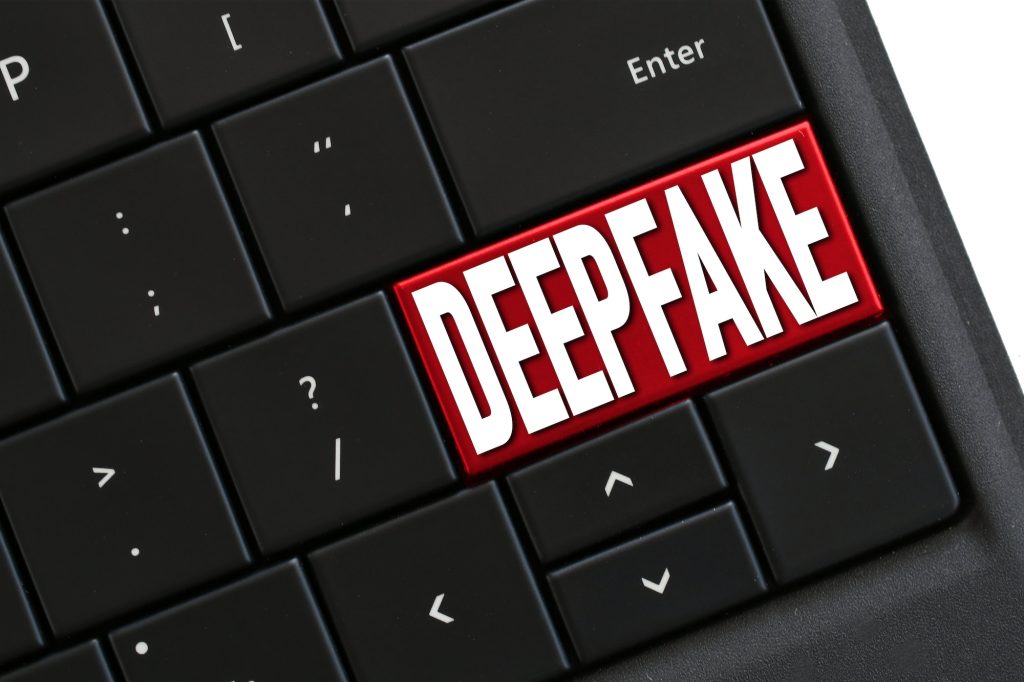
We are confronted with this phenomenon through photos, video and audio recordings that can easily confuse us and force us to question our perception of reality.
And while the public often focuses on deepfakes, at the same time we are witnessing inventions and patents emerging around the world that deserve admiration, but also spark important reflection: are we nearing, or have we already crossed, the ethical red line?
For these and many other reasons, in a world where the visual and functional differences between science fiction and reality have almost disappeared, the latest inventions come as a shock.
We are now at a point where we are facing technologies that force us to redefine what we mean by the word ‘reality’.
Neuralink: Crossing the boundary between brain and machine
Amyotrophic lateral sclerosis (ALS) is a rare neurological disease caused by damage and degeneration of motor neurons—nerve cells in the brain and spinal cord. This damage disrupts the transmission of nerve impulses to muscles via peripheral nerves, leading to a progressive loss of muscle function.
However, the Neuralink chip, developed by Elon Musk’s company, has helped one patient type with their mind and speak using their voice. This breakthrough opens the door to a new form of communication where thoughts become direct interactions.
Liquid robot from South Korea
Scenes from sci-fi films are becoming reality, and in this case (thankfully), a liquid robot has a noble purpose—to assist in rescue missions and be applied in medicine.
Currently in the early prototype stage, it has been demonstrated in labs through a collaboration between MIT and Korean research institutes.
ULS exoskeleton as support for elderly care
Healthcare workers and caregivers in China have had their work greatly simplified thanks to the ULS Robotics exoskeleton, weighing only five kilograms but enabling users to lift up to 30 kilograms.
This represents a leap forward in caring for people with limited mobility, while also increasing safety and efficiency. Commercial prototypes have been tested in hospitals and industrial environments.
Another example from China that has been in use for several years. Robots equipped with AI perform precise crop spraying. The system analyses pests and targets them without the need for human presence, reducing potential health risks.
The application has become standardised, with expectations for further expansion and improvement in the near future.
The stretchable battery of the future
Researchers in Sweden have developed a flexible battery that can double in length without losing energy, making it ideal for wearable technologies.
Although not yet commercially available, it has been covered in scientific journals. The aim is for it to become a key component in bendable devices, smart clothing and medical implants.
Volonaut Airbike: A sci-fi vehicle takes off
When it comes to innovation, the Volonaut Airbike hits the mark perfectly. Designed to resemble a single-seat speeder bike from Star Wars, it represents a giant leap toward personal air travel.
Functional prototypes exist, but testing remains limited due to high production costs and regulatory hurdles related to traffic laws. Nevertheless, the Polish company behind it remains committed to this idea, and it will be exciting to follow its progress.
NEO robot: The humanoid household assistant
A Norwegian company has been developing a humanoid robot capable of performing household tasks, including gardening chores like collecting and bagging leaves or grass.
These are among the first serious steps toward domestic humanoid assistants. Currently functioning in demo mode, the robot has received backing from OpenAI.
Lenovo Yoga Solar: The laptop that loves sunlight
If you find yourself without a charger but with access to direct sunlight, this laptop will do everything it can to keep you powered. Using solar energy, 20 minutes of charging in sunlight provides around one hour of video playback.
Perfect for ecologists and digital nomads. Although not yet commercially available, it has been showcased at several major tech expos.
https://www.youtube.com/watch?v=px1iEW600Pk
What comes next: The need for smart regulation
As technology races ahead, regulation must catch up. From neurotech to autonomous robots, each innovation raises new questions about privacy, accountability, and ethics.
Governments and tech developers alike must collaborate to ensure that these inventions remain tools for good, not risks to society.
So, what is real and what is generated?
This question will only become harder to answer as time goes on. But on the other hand, if the technological revolution continues to head in a useful and positive direction, perhaps there is little to fear.
The true dilemma in this era of rapid innovation may not be about the tools themselves, but about the fundamental question: Is technology shaping us, or do we still shape it?
Would you like to learn more about AI, tech and digital diplomacy? If so, ask our Diplo chatbot!
Microsoft has announced that its Authenticator app will stop supporting the saving of new passwords from 1 June, with autofill features to be removed in July. By August, users will no longer have access to any passwords stored in the app.
The decision marks a shift in Microsoft’s focus from app-based password management to browser-based solutions, particularly via Microsoft Edge.
The company recommends that users move their saved passwords to a dedicated password manager or the Edge browser immediately.
Instead of continuing to develop Authenticator as a full password manager, Microsoft is encouraging users to adopt passkeys—digital credentials that offer stronger security.
Passkeys use cryptographic keys stored locally on devices, making them much harder to steal or guess compared to traditional passwords.
Microsoft insists this change is part of a broader push to phase out outdated password systems in favour of safer, faster authentication methods.
Security experts support this move but caution users to take immediate action to prevent losing access to important logins.
Microsoft itself admits that Authenticator was never a proper password manager in the traditional sense, and that dedicated apps such as 1Password or Apple’s built-in password tools provide better options for storing credentials securely.
Users should ensure they export or migrate their stored information well before the August cutoff.
A change like this also reflects Microsoft’s alignment with industry trends, alongside Apple and Google, to accelerate the adoption of passkeys.
The company argues that with attackers increasingly exploiting weak or reused passwords, replacing them altogether with newer technology is not just advisable—it’s essential.
Would you like to learn more about AI, tech and digital diplomacy? If so, ask our Diplo chatbot!