A data breach at Allianz Life exposed the personal information of around 1.1 million customers, including names, addresses, and dates of birth.
Hackers accessed a customer database hosted on Salesforce, stealing emails, phone numbers, and in some cases, Social Security numbers.
The company confirmed the breach in late July but has not specified the full scale of the incident while its investigation continues.
Cybercrime group ShinyHunters is believed to be behind the attack and is reportedly preparing a data leak site to extort victims.
Several global companies using Salesforce infrastructure, including Qantas and Workday, have reported similar incidents linked to the same hacking collective.
Would you like to learn more about AI, tech and digital diplomacy? If so, ask our Diplo chatbot!
Zimbabwe’s Information and Communication Technology Minister, Tendai Mavetera, revealed the second draft of the National AI Policy during the AI Summit for Africa 2025 in Victoria Falls, hosted by Alpha Media Holdings and AIIA.
Though the policy was not formalised during the summit, Mavetera stated it is expected to be launched by 1 October 2025 at the new Parliament building, with presidential presence anticipated.
The strategy is designed to foster an Africa where AI serves humanity, ensuring connectivity in every village, education access for every child, and opportunity for every young person.
Core features include data sovereignty and secure data storage, with institutions like TelOne expected to host localised solutions, moving away from past practices of storing data abroad.
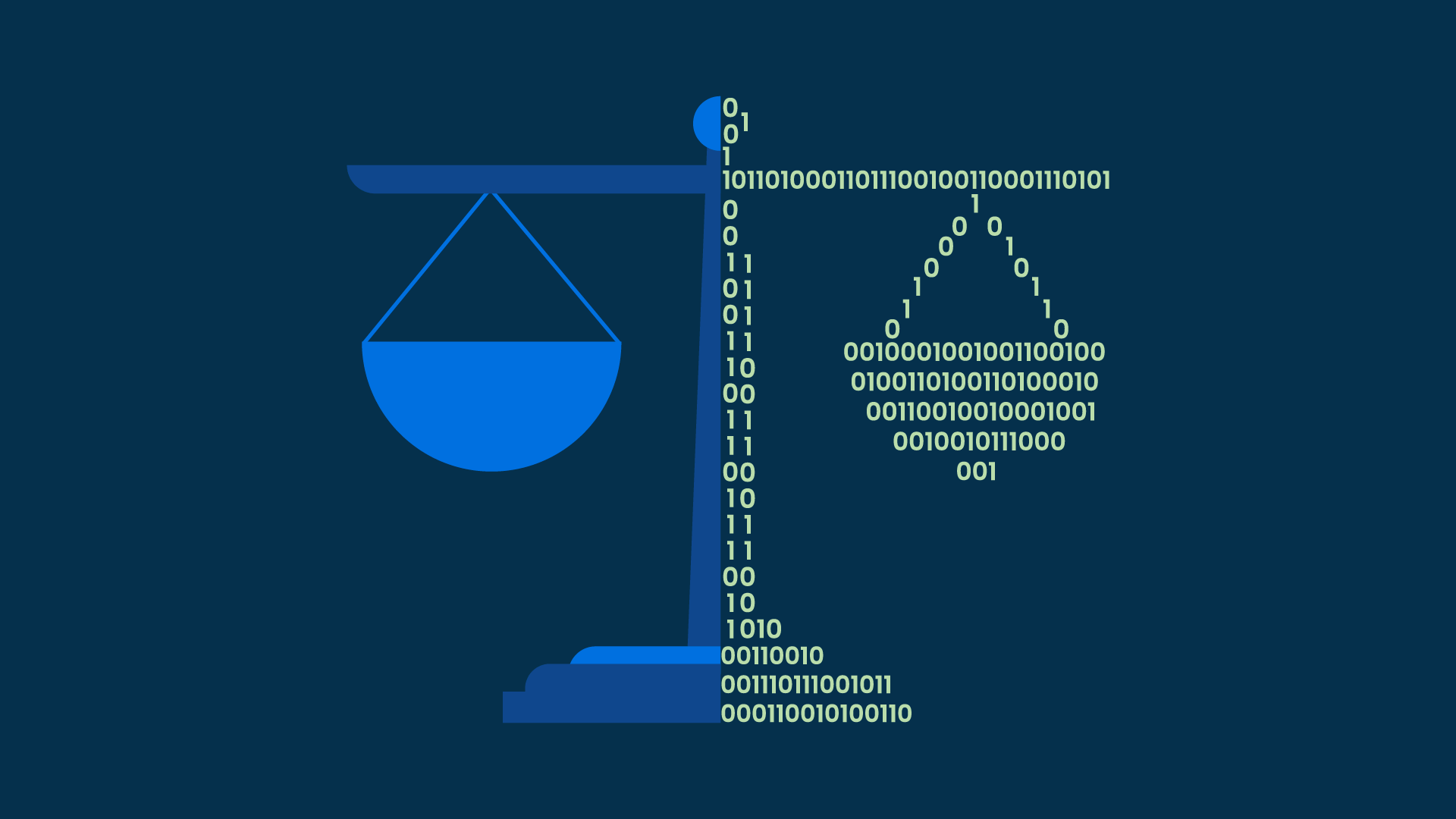
At least 5 billion people worldwide lack access to justice, a human right enshrined in international law. In many regions, particularly low and middle-income countries, millions face barriers to justice, ranging from their socioeconomic position to the legal system failure. Meanwhile, AI has entered the legal sector at full speed and may offer legitimate solutions to bridge this justice gap.
Through chatbots, automated document review, predictive legal analysis, and AI-enabled translation, AI holds promise to improve efficiency and accessibility. Yet, the rise of AI in legal systems across the globe suggests the digitalisation of our legal systems.
While it may serve as a tool to break down access barriers, AI legal tools could also introduce the automation of bias in our judicial systems, unaccountable decision-making, and act as an accelerant to a widening digital divide. AI is capable of meaningfully expanding equitable justice, but its implementation must safeguard human rights principles.
Improving access to justice
Across the globe, AI legal assistance pilot programmes are underway. The UNHCR piloted an AI agent to improve legal communication barriers in Jordan. AI transcribes, translates, and organises refugee queries. With its help, users can streamline their caseload management, which is key to keeping operations smooth even under financial strain.
NGOs working to increase access to justice, such as Migrasia in Hong Kong, have begun using AI-powered chatbots to triage legal queries from migrant workers, offering 24/7 multilingual legal assistance.
While it is clear that these tools are designed to assist rather than replace human legal experts, they are showing they have the potential to significantly reduce delays by streamlining processes. In the UK, AI transcription tools are being used to provide victims of serious sexual crimes with access to judges’ sentencing remarks and explanations of legal language. This tool enhances transparency for victims, especially those seeking emotional closure.
Even as these programmes are only being piloted, a UNESCO survey found that 44% of judicial workers across 96 countries are currently using AI tools, like ChatGPT, for tasks such as drafting and translating documents. For example, the Morrocan judiciary has already integrated AI technology into its legal system.
AI tools help judges prepare judgments for various cases, as well as streamline legal document preparation. The technology allows for faster document drafting in a multilingual environment. Soon, AI-powered case analysis, based on prior case data, may also provide legal experts with predictive outcomes. AI tools have the opportunity and are already beginning to, break down barriers to justice and ultimately improve the just application of the law.
Risking human rights
While AI-powered legal assistance can provide affordable access, improve outreach to rural or marginalised communities, close linguistic divides, and streamline cases, it also poses a serious risk to human rights. The most prominent concerns surround bias and discrimination, as well as widening the digital divide.
Deploying AI without transparency can lead to algorithmic systems perpetuating systematic inequalities, such as racial or ethnic biases. Meanwhile, the risk of black box decision-making, through the use of AI tools with unexplainable outputs, can make it difficult to challenge legal decisions, undermining due process and the right to a fair trial.
Experts emphasise that the integration of AI into legal systems must focus on supporting human judgment, rather than outright replacing it. Whether AI is biased by its training datasets or simply that it becomes a black box over time, AI usage is in need of foresighted governance and meaningful human oversight.
Image via Pixabay / jessica45
Additionally, AI will greatly impact economic justice, especially for those in low-income or marginalised communities. Legal professionals lack necessary training and skills needed to effectively use AI tools. In many legal systems, lawyers, judges, clerks, and assistants do not feel confident explaining AI outputs or monitoring their use.
However, this lack of education undermines the necessary accountability and transparency needed to integrate AI meaningfully. It may lead to misuse of the technology, such as unverified translations, which can lead to legal errors.
While the use of AI improves efficiency, it may erode public trust when legal actors fail to use it correctly or the technology reflects systematic bias. The judiciary in Texas, US, warned about this concern in an opinion that detailed the fear of integrating opaque systems into the administration of justice. Public trust in the legal system is already eroding in the US, with just over a third of Americans expressing confidence in 2024.
The incorporation of AI into the legal system threatens to derail the public’s faith that is left. Meanwhile, those without access to digital connectivity or literacy education may be further excluded from justice. Many AI tools are developed by for-profit actors, raising questions about justice accessibility in an AI-powered legal system. Furthermore, AI providers will have access to sensitive case data, which poses a risk of misuse and even surveillance.
The policy path forward
As already stated, for AI to be integrated into legal systems and help bridge the justice gap, it must take on the role of assisting to human judges, lawyers, and other legal actors, but it cannot replace them. In order for AI to assist, it must be transparent, accountable, and a supplement to human reason. UNESCO and some regional courts in Eastern Africa advocate for judicial training programmes, thorough guidelines, and toolkits that promote the ethical use of AI.
The focus of legal AI education must be to improve AI literacy and to teach bias awareness, as well as inform users of digital rights. Legal actors must keep pace with the innovation and integration level of AI. They are the core of policy discussions, as they understand existing norms and have firsthand experience of how the technology affects human rights.
Other actors are also at play in this discussion. Taking a multistakeholder approach that centres on existing human rights frameworks, such as the Toronto Declaration, is the path to achieving effective and workable policy. Closing the justice gap by utilising AI hinges on the public’s access to the technology and understanding how it is being used in their legal systems. Solutions working to demystify black box decisions will be key to maintaining and improving public confidence in their legal systems.
The future of justice
AI has the transformative capability to help bridge the justice gap by expanding reach, streamlining operations, and reducing cost. AI has the potential to be a tool for the application of justice and create powerful improvements to inclusion in our legal systems.
However, it also poses the risk of deepening inequalities and decaying public trust. AI integration must be governed by human rights norms of transparency and accountability. Regulation is possible through education and discussion predicated on adherence to ethical frameworks. Now is the time to invest in digital literacy to create legal empowerment, which ensures that AI tools are developed to be contestable and serve as human-centric support.
Image via Pixabay / souandresantana
Would you like to learn more about AI, tech and digital diplomacy? If so, ask our Diplo chatbot!
Online questionnaires are being increasingly swamped by AI-generated responses, raising concerns that a vital data source for researchers is becoming polluted. Platforms like Prolific, which pay participants to answer questions, are widely used in behavioural studies.
Researchers at the Max Planck Institute noticed suspicious patterns in their work and began investigating. They found that nearly half of the respondents copied and pasted answers, strongly suggesting that many were outsourcing tasks to AI chatbots.
Analysis showed clear giveaways, including overly verbose and distinctly non-human language. The researchers concluded that a substantial proportion of behavioural studies may already be compromised by chatbot-generated content.
In follow-up tests, they set traps to detect AI use, including invisible text instructions and restrictions on copy-paste. The measures caught a further share of participants, highlighting the scale of the challenge facing online research platforms.
Experts say the responsibility lies with both researchers and platforms. Stronger verification methods and tighter controls are needed for online behavioural research to remain credible.
Would you like to learn more about AI, tech, and digital diplomacy? If so, ask our Diplo chatbot!
Nexon launched an investigation after players spotted several suspicious adverts for The First Descendant on TikTok that appeared to have been generated by AI.
One advertisement allegedly used a content creator’s likeness without permission, sparking concerns about the misuse of digital identities.
The company issued a statement acknowledging ‘irregularities’ in its TikTok Creative Challenge, a campaign that lets creators voluntarily submit content for advertising.
While Nexon confirmed that all videos had been verified through TikTok’s system, it admitted that some submissions may have been produced in inappropriate circumstances.
Nexon apologised for the delay in informing players, saying the review took longer than expected. It confirmed that a joint investigation with TikTok is underway to determine what happened, and it was promised that updates would be provided once the process is complete.
The developer has not yet addressed the allegation from creator DanieltheDemon, who claims his likeness was used without consent.
The controversy has added to ongoing debates about AI’s role in advertising and protecting creators’ rights.
Would you like to learn more aboutAI, tech and digital diplomacy? If so, ask our Diplo chatbot!
WhatsApp is testing a new AI feature for iOS users that provides real-time writing assistance.
Known as ‘Writing Help’, the tool suggests alternative phrasings, adjusts tone, and enhances clarity, with all processing handled on-device to safeguard privacy.
The feature allows users to select professional, friendly, or concise tones before the AI generates suitable rewordings while keeping the original meaning. According to reports, the tool is available only to a small group of beta testers through TestFlight, with no confirmed release date.
WhatsApp says it uses Meta’s Private Processing technology to ensure sensitive data never leaves the device, mirroring privacy-first approaches like Apple’s Writing Tools.
Industry watchers suggest the new tool could give WhatsApp an edge over rivals such as Telegram and Signal, which have not yet introduced generative AI writing aids.
Analysts also see potential for integration with other Meta platforms, although challenges remain in ensuring accurate, unbiased results across different languages.
Writing Help could streamline business communication by improving grammar, structure, and tone accuracy if successful. While some users have praised its seamless integration, others warn that heavy reliance on AI could undermine authenticity in digital conversations.
Would you like to learn more aboutAI, tech and digital diplomacy? If so, ask our Diplo chatbot!
AI-powered stuffed animals are transforming children’s play by combining cuddly companionship with interactive learning.
Toys such as Curio’s Grem and Mattel’s AI collaborations offer screen-free experiences instead of tablets or smartphones, using chatbots and voice recognition to engage children in conversation and educational activities.
Products like CYJBE’s AI Smart Stuffed Animal integrate tools such as ChatGPT to answer questions, tell stories, and adapt to a child’s mood, all under parental controls for monitoring interactions.
Developers say these toys foster personalised learning and emotional bonds instead of replacing human engagement entirely.
The market has grown rapidly, driven by partnerships between tech and toy companies and early experiments like Grimes’ AI plush Grok.
Regulators are calling for safeguards, and parents are urged to weigh the benefits of interactive AI companions against possible social and ethical concerns.
The sector could reshape childhood play and learning, blending imaginative experiences with algorithmic support instead of solely relying on traditional toys.
Would you like to learn more aboutAI, tech and digital diplomacy? If so, ask our Diplo chatbot!
Priorities include deploying 4G networks in remote regions, expanding public internet services, and reinforcing the Palapa Ring broadband infrastructure.
On the talent front, the government launched a Digital Talent Scholarship and AI Talent Factory to nurture AI skills, from beginners to specialists, setting the stage for future AI innovation domestically.
In parallel, digital protection measures have been bolstered: over 1.2 million pieces of harmful content have been blocked, while new regulations under the Personal Data Protection Law, age-verification, content monitoring, and reporting systems have been introduced to enhance child safety online.
Would you like to learn more about AI, tech and digital diplomacy? If so, ask our Diplo chatbot!
A fake Telegram Premium website infects users with Lumma Stealer malware through a drive-by download, requiring no user interaction.
The domain, telegrampremium[.]app, hosts a malicious executable named start.exe, which begins stealing sensitive data as soon as it runs.
The malware targets browser-stored credentials, crypto wallets, clipboard data and system files, using advanced evasion techniques to bypass antivirus tools.
Obfuscated with cryptors and hidden behind real services like Telegram, the malware also communicates with temporary domains to avoid takedown.
Analysts warn that it manipulates Windows systems, evades detection, and leaves little trace by disguising its payloads as real image files.
To defend against such threats, organisations are urged to implement better cybersecurity controls, such as behaviour-based detection and enforce stronger download controls.
Would you like to learn more about AI, tech and digital diplomacy? If so, ask our Diplo chatbot!