Shivaun and Adam Raff, founders of the now-closed price comparison site Foundem, recently concluded a 15-year legal battle against Google, which resulted in a record-breaking €2.4bn (£2bn) fine against the tech giant. The dispute began when Foundem’s online visibility plummeted due to a Google penalty shortly after the site’s 2006 launch. The Raffles believed it was an error but later suspected Google was deliberately pushing their site lower in search results to favour its own shopping services.
Following years of appeals, the European Court of Justice ruled against Google in 2024, upholding the European Commission‘s 2017 decision that Google had abused its market dominance by demoting competing shopping services. Although Foundem’s closure in 2016 made the victory bittersweet, the case has had lasting regulatory implications, prompting the European Commission to investigate Alphabet, Google’s parent company, for ongoing anti-competitive practices under the Digital Markets Act.
The Raffs, whose site once allowed users to compare a wide range of products, fought for years with little initial success, escalating the case to regulators in Brussels in 2010. Google argued its changes since 2017 comply with the EU ruling and benefit hundreds of price comparison sites, but the Raffs maintain that Google’s practices continue to stifle competition.
The couple’s legal journey has taken a toll, but they are still pursuing a civil damages claim against Google, scheduled for 2026. Their fight is seen as a pivotal moment in Big Tech regulation, underscoring their determination to challenge anti-competitive behaviour.
Italian authorities have placed Leonardo Maria Del Vecchio, son of the late billionaire founder of Luxottica, and three others under house arrest as part of a probe into suspected illegal access to state databases. Del Vecchio, whose father created the Ray-Ban eyewear empire, is accused of employing a private intelligence agency, allegedly managed by a former police officer, to gather confidential data. The alleged access was reportedly linked to a family dispute over inheritance.
Del Vecchio’s lawyer, Maria Emanuela Mascalchi, said her client is “eagerly awaiting” the investigation’s conclusion, maintaining he has “nothing to do” with the allegations and is more a victim of the situation. Prosecutors allege that the intelligence agency illegally accessed data from state systems, including tax, police, and financial databases, which were reportedly used to blackmail business figures or sold to third parties.
The probe, which extends back to at least 2019 and continued until March 2024, highlights concerns about a lucrative market for sensitive information in Italy. Italy’s national anti-mafia prosecutor, Giovanni Melillo, remarked that the case has raised alarm over the existence of an underground market for confidential data, now operating on an industrial scale.
This case follows a recent investigation into a significant data breach at Italy’s largest bank, Intesa Sanpaolo, suggesting a wider issue of data misuse in the country.
Lyft has been fined $2.1M by the US Federal Trade Commission (FTC) for allegedly misleading drivers about potential earnings. The settlement requires the rideshare company to adjust how it advertises driver pay, after it was found that earnings claims were exaggerated, often highlighting what only the top fifth of drivers made, and including tips in those figures.
The FTC stated that some Lyft ads claimed drivers could make ‘up to $33’ per hour in certain cities in the US, such as Atlanta, but these figures did not reflect average earnings. Instead, most drivers earned significantly less, with advertised pay inflated by as much as 30%. As part of the settlement, Lyft must now base earnings estimates on what typical drivers make, excluding tips from hourly pay claims.
In addition, Lyft’s guarantees, such as a $975 payout for completing 45 rides over a weekend, were found to be misleading. Drivers believed the amount would be a bonus, but it was actually a conditional minimum guarantee. The FTC stressed the need for accurate representation of driver pay, with Chair Lina M. Khan emphasising the agency’s commitment to protecting workers from deceptive claims.
The Commerce Department’s IoT Advisory Board has recommended that car dealers display privacy disclosures on vehicle windshields, urging government agencies and Congress to mandate this requirement. The report, developed with the officials from the National Institute of Standards and Technology (NIST), suggests including easy-to-understand privacy information on vehicle windshields, such as whether vehicles collect personal data and options for universal opt-outs.
This initiative aims to enhance consumer protection amid growing concerns over data privacy in connected cars. The board noted automakers often need to inform consumers about data practices adequately. Despite opposition from the Alliance for Automotive Innovation, the recommendation was adopted after a briefing highlighted the potential benefits of such labelling for consumer awareness.
“So many consumers tell us they had no idea their car is ‘a smartphone on wheels’ that can transmit data to the manufacturer and other companies,” said Amico, who runs Privacy4Cars, a privacy technology company which helps consumers and businesses better understand data privacy concerns related to connected cars.
The report will be considered by a federal working group tasked with determining whether legislation or executive action is needed to implement the recommendations, including regulating third-party data sharing and simplifying privacy policies. The advisory board emphasised that this initiative could set a global standard for IoT device privacy. A few countries, e.g. Singapore, have created comprehensive standards around consumer Internet of Things devices, such as cybersecurity labelling schemes.
Linux creator Linus Torvalds has expressed support for removing several Russian maintainers from the Linux kernel project. This decision, announced by prominent developer Greg Kroah-Hartman, has sparked debate within the Linux community. The removals affect 11 Russian developers, largely due to compliance with new sanctions, though specific details of the removals still need to be fully clarified.
Responding to the concerns, Torvalds stated, “If you haven’t heard of Russian sanctions yet, you should try reading the news sometime,” emphasising that the changes will not be reversed.
The Linux kernel, the operating system’s core, is managed by maintainers who oversee code submissions and updates. Kroah-Hartman noted that those removed may return if they provide documentation proving independence from sanctioned entities, especially organisations associated with the Russian government.
This action has stirred reactions among developers, with some accusing the decision-makers of acting contrary to Linux’s open-source principles. Others warned that the decision could lead to future uncertainties about the participation of maintainers in sanctioned regions.
Responding to criticism, Torvalds dismissed the objections as originating from “Russian troll factories” and reaffirmed his stance, citing his opposition to Russian aggression. The move follows broader trends in the tech industry, where major US companies, like Docker Hub and GitHub, have imposed restrictions on Russian users, reflecting the impact of international sanctions on open-source software projects.
Chinese e-commerce giant Alibaba has agreed to a $433.5 M settlement to resolve a US class-action lawsuit accusing the company of monopolistic practices. The lawsuit, filed in 2020, claimed that Alibaba misled investors by denying any anti-monopoly or unfair competition violations while allegedly pressuring merchants to stick to a single platform.
Although Alibaba denies any wrongdoing, the company opted for the settlement to avoid the costs and potential disruptions associated with prolonged legal battles. The settlement, which covers investors in Alibaba’s American depositary shares between 13 November 2019, and 23 December 2020, is pending approval from US District Judge George Daniels in Manhattan.
Lawyers for the plaintiffs have praised the deal, describing it as “an exceptional result” considering the potential damages in the case. Had the investors continued litigating, they could have sought up to $11.63 B in damages, far beyond the settlement amount. Approval of the settlement would mark the end of a major legal challenge for Alibaba, as it seeks to move forward from a period of regulatory scrutiny.
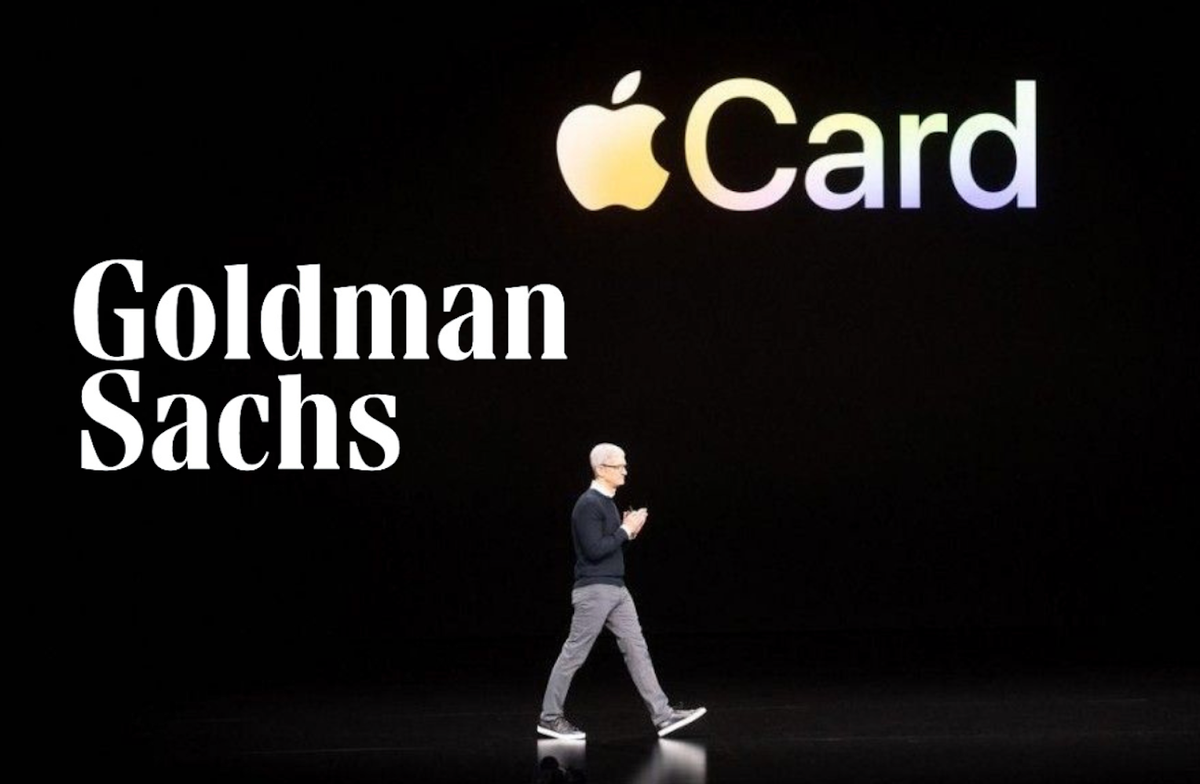
The United States has fined Apple and Goldman Sachs $89 million for allegedly misleading customers of their co-branded Apple Card and mishandling customer service. The Consumer Financial Protection Bureau (CFPB) accused both companies of failing to address user complaints properly and causing confusion over interest-free payment plans, impacting hundreds of thousands of Apple Card holders since its launch in 2019.
According to the CFPB, Apple did not forward thousands of customer disputes to Goldman Sachs, who also failed to follow federal guidelines in investigating the claims. Furthermore, the companies were found to have misled customers into believing that purchases of Apple products made with the Apple Card would qualify for automatic interest-free payments, resulting in unexpected charges for many.
CFPB Director Rohit Chopra stated that big tech and Wall Street firms are not exempt from federal laws, banning Goldman Sachs from issuing new consumer credit cards until it complies with regulatory standards. The bureau also criticised both companies for launching the Apple Card despite early technological issues, which led to delayed refunds and even damaged some users’ credit scores.
In response, Goldman Sachs and Apple said they had worked to address the issues, while Apple disputed the CFPB’s interpretation of events. Goldman Sachs has been ordered to pay $19.8 million in compensation and a $45 million fine, with Apple receiving a $25 million penalty.
A Florida mother is suing the AI chatbot startup Character.AI, alleging it played a role in her 14-year-old son’s suicide by fostering an unhealthy attachment to a chatbot. Megan Garcia claims her son Sewell became ‘addicted’ to Character.AI and formed an emotional dependency on a chatbot, which allegedly represented itself as a psychotherapist and a romantic partner, contributing to his mental distress.
According to the lawsuit filed in Orlando, Florida, Sewell shared suicidal thoughts with the chatbot, which reportedly reintroduced these themes in later conversations. Garcia argues the platform’s realistic nature and hyper-personalised interactions led her son to isolate himself, suffer from low self-esteem, and ultimately feel unable to live outside of the world the chatbot created.
Character.AI offered condolences and noted it has since implemented additional safety features, such as prompts for users expressing self-harm thoughts, to improve protection for younger users. Garcia’s lawsuit also names Google, alleging it extensively contributed to Character.AI’s development, although Google denies involvement in the product’s creation.
The lawsuit is part of a wider trend of legal claims against tech companies by parents concerned about the impact of online services on teenage mental health. While Character.AI, with an estimated 20 million users, faces unique claims regarding its AI-powered chatbot, other platforms such as TikTok, Instagram, and Facebook are also under scrutiny.
Perplexity has vowed to contest the copyright infringement claims filed by Dow Jones and the New York Post. The California-based AI company denied the accusations in a blog post, calling them misleading. News Corp, owner of both media entities, launched the lawsuit on Monday, accusing Perplexity of extensive illegal copying of its content.
The conflict began after the two publishers allegedly contacted Perplexity in July with concerns over unauthorised use of their work, proposing a licensing agreement. According to Perplexity, the startup replied the same day, but the media companies decided to move forward with legal action instead of continuing discussions.
CEO Aravind Srinivas expressed his surprise over the lawsuit at the WSJ Tech Live event on Wednesday, noting the company had hoped for dialogue instead. He emphasised Perplexity’s commitment to defending itself against what it considers an unwarranted attack.
Perplexity is challenging Google’s dominance in the search engine market by providing summarised information from trusted sources directly through its platform. The case reflects ongoing tensions between publishers and tech firms over the use of copyrighted content for AI development.
Intel has won a significant victory in a legal battle that spanned nearly two decades, as the European Union’s Court of Justice ruled in its favour on Thursday. The court dismissed an appeal by the European Commission, which had accused the US chipmaker of anti-competitive practices aimed at undermining rival Advanced Micro Devices (AMD).
The dispute centred on Intel offering rebates to major computer manufacturers, such as Dell, Hewlett-Packard, NEC, and Lenovo, for primarily using Intel chips. EU regulators had fined Intel €1.06 billion, arguing the rebates were intended to block AMD’s market share. However, Intel consistently challenged the fine, asserting that regulators failed to prove any anti-competitive impact from the rebates.
Earlier this year, Intel’s case gained momentum when a legal adviser indicated that EU regulators had not sufficiently conducted an economic analysis to support their claims. This led to the court’s final decision to overturn the fine, bringing the lengthy legal struggle to a close.