A striking new ‘supermodel’ has appeared in the August print edition of Vogue, featuring in a Guess advert for their summer collection. Uniquely, the flawless blonde model is not real, as a small disclaimer reveals she was created using AI.
While Vogue clarifies the AI model’s inclusion was an advertising decision, not editorial, it marks a significant first for the magazine and has ignited widespread controversy.
The development raises serious questions for real models, who have long campaigned for greater diversity, and consumers, particularly young people, are already grappling with unrealistic beauty standards.
Seraphinne Vallora, the company behind the controversial Guess advert, comprises founders Valentina Gonzalez and Andreea Petrescu. They told the BBC that Guess’s co-founder, Paul Marciano, approached them on Instagram to create an AI model for the brand’s summer campaign.
Valentina Gonzalez explained, ‘We created 10 draft models for him and he selected one brunette woman and one blonde that we developed further.’ Petrescu described AI image generation as a complex process, with their five employees taking up to a month to create a finished product, charging clients like Guess up to the low six figures.
However, plus-size model Felicity Hayward, with over a decade in the industry, criticised the use of AI models, stating it ‘feels lazy and cheap’ and worried it could ‘undermine years of work towards more diversity in the industry.’
Hayward believes the fashion industry, which saw strides in inclusivity in the 2010s, has regressed, leading to fewer bookings for diverse models. She warned, ‘The use of AI models is another kick in the teeth that will disproportionately affect plus-size models.’
Gonzalez and Petrescu insist they do not reinforce narrow beauty standards, with Petrescu claiming, ‘We don’t create unattainable looks – the AI model for Guess looks quite realistic.’ They contended, ‘Ultimately, all adverts are created to look perfect and usually have supermodels in, so what we do is no different.’
While admitting their company’s Instagram shows a lack of diversity, Gonzalez explained to the BBC that attempts to post AI images of women with different skin tones did not gain traction, stating, ‘people do not respond to them – we don’t get any traction or likes.’
They also noted that the technology is not yet advanced enough to create plus-size AI women. However, this mirrors a 2024 Dove campaign that highlighted AI bias by showing image generators consistently producing thin, white, blonde women when asked for ‘the most beautiful woman in the world.’
Vanessa Longley, CEO of eating disorder charity Beat, found the advert ‘worrying,’ telling the BBC, ‘If people are exposed to images of unrealistic bodies, it can affect their thoughts about their own body, and poor body image increases the risk of developing an eating disorder.’
The lack of transparent labelling for AI-generated content in the UK is also a concern, despite Guess having a small disclaimer. Sinead Bovell, a former model and now tech entrepreneur, told the BBC that not clearly labelling AI content is ‘exceptionally problematic’ due to ‘AI is already influencing beauty standards.’
Sara Ziff, a former model and founder of Model Alliance, views Guess’s campaign as “less about innovation and more about desperation and need to cut costs,’ advocating for ‘meaningful protections for workers’ in the industry.
Seraphinne Vallora, however, denies replacing models, with Petrescu explaining, ‘We’re offering companies another choice in how they market a product.’
Despite their website claiming cost-efficiency by ‘eliminating the need for expensive set-ups… hiring models,’ they involve real models and photographers in their AI creation process. Vogue’s decision to run the advert has drawn criticism on social media, with Bovell noting the magazine’s influential position, which means they are ‘in some way ruling it as acceptable.’
Looking ahead, Bovell predicts more AI-generated models but not their total dominance, foreseeing a future where individuals might create personal AI avatars to try on clothes and a potential ‘society opting out’ if AI models become too unattainable.
Would you like to learn more about AI, tech and digital diplomacy? If so, ask our Diplo chatbot!
In a bold move to maintain its edge in the global AI race—especially against China—the United States has unveiled a sweeping AI Action Plan with 103 recommendations. At its core lies an intriguing paradox: the push for open-source AI, typically associated with collaboration and transparency, is now being positioned as a strategic weapon.
As Jovan Kurbalija points out, this plan marks a turning point where open-weight models are framed not just as tools of innovation, but as instruments of geopolitical influence, with the US aiming to seed the global AI ecosystem with American-built systems rooted in ‘national values.’
The plan champions Silicon Valley by curbing regulations, limiting federal scrutiny, and shielding tech giants from legal liability—potentially reinforcing monopolies. It also underlines a national security-first mentality, urging aggressive safeguards against foreign misuse of AI, cyber threats, and misinformation. Notably, it proposes DARPA-led initiatives to unravel the inner workings of large language models, acknowledging that even their creators often can’t fully explain how these systems function.
Internationally, the plan takes a competitive, rather than cooperative, stance. Allies are expected to align with US export controls and values, while multilateral forums like the UN and OECD are dismissed as bureaucratic and misaligned. That bifurcation risks alienating global partners—particularly the EU, which favours heavy AI regulation—while increasing pressure on countries like India and Japan to choose sides in the US–China tech rivalry.
Despite its combative framing, the strategy also nods to inclusion and workforce development, calling for tax-free employer-sponsored AI training, investment in apprenticeships, and growing military academic hubs. Still, as Kurbalija warns, the promise of AI openness may clash with the plan’s underlying nationalistic thrust—raising questions about whether it truly aims to democratise AI, or merely dominate it.
Would you like to learn more about AI, tech and digital diplomacy? If so, ask our Diplo chatbot!
AI is often seen as a job destroyer, but it’s also emerging as a significant source of new employment, according to a new Brookings report. The number of job postings mentioning AI has more than doubled in the past year, with demand continuing to surge across various industries and regions.
Over the past 15 years, AI-related job listings have grown nearly 29% annually, far outpacing the 11% growth rate of overall job postings in the broader economy.
Brookings based its findings on data from Lightcast, a labour market analytics firm, and noted rising demand for AI skills across sectors, including manufacturing. According to the US Census Bureau’s Business Trends Survey, the share of manufacturers using AI has jumped from 4% in early 2023 to 9% by mid-2025.
Yet, AI jobs still form a small part of the market. Goldman Sachs predicts widespread AI adoption will peak in the early 2030s, with a slower near-term influence on jobs. ‘AI is visible in the micro labour market data, but it doesn’t dominate broader job dynamics,’ said Joseph Briggs, an economist at Goldman Sachs.
Roles range from AI engineers and data scientists to consultants and marketers learning to integrate AI into business operations responsibly and ethically. In 2025, over 80,000 job postings cited generative AI skills—up from fewer than 4,000 in 2010, Brookings reported, indicating explosive long-term growth.
Job openings involving ‘responsible AI’—those addressing ethical AI use in business and society—are also rising, according to data from Indeed and Lightcast. ‘As AI evolves, so does what counts as an AI job,’ said Cory Stahle of the Indeed Hiring Lab, noting that definitions shift with new business applications.
AI skills carry financial value, too. Lightcast found that jobs requiring AI expertise offer an average salary premium of $18,000, or 28% more annually. Unsurprisingly, tech hubs like Silicon Valley and Seattle dominate AI hiring, but job growth spreads to regions like the Sunbelt and the East Coast.
Mark Muro of Brookings noted that universities play a key role in AI job growth across new regions by fuelling local innovation. AI is also entering non-tech fields such as finance, human resources, and marketing, with more than half of AI-related postings now being outside IT roles.
Muro expects more widespread AI adoption in the next few years, as employers gain clarity on its value, limitations and potential for productivity. ‘There’s broad consensus that AI boosts productivity and economic competitiveness,’ he said. ‘It energises regional leaders and businesses to act more quickly.’
Would you like to learn more about AI, tech and digital diplomacy? If so, ask our Diplo chatbot!
The measure, part of a broader plan to counter China’s influence in AI development, marks the first official attempt by the US to shape the political behaviour of AI in services.
It places a new emphasis on ensuring AI reflects so-called ‘American values’ and avoids content tied to diversity, equity and inclusion (DEI) frameworks in publicly funded models.
The order, titled ‘Preventing Woke AI in the Federal Government’, does not outright ban AI that promotes DEI ideas, but requires companies to disclose if partisan perspectives are embedded.
Major providers like Google, Microsoft and Meta have yet to comment. Meanwhile, firms face pressure to comply or risk losing valuable public sector contracts and funding.
Critics argue the move forces tech companies into a political culture war and could undermine years of work addressing AI bias, harming fair and inclusive model design.
Civil rights groups warn the directive may sideline tools meant to support vulnerable groups, favouring models that ignore systemic issues like discrimination and inequality.
Policy analysts have compared the approach to China’s use of state power to shape AI behaviour, though Trump’s order stops short of requiring pre-approval or censorship.
Supporters, including influential Trump-aligned venture capitalists, say the order restores transparency. Marc Andreessen and David Sacks were reportedly involved in shaping the language.
The move follows backlash to an AI image tool released by Google, which depicted racially diverse figures when asked to generate the US Founding Fathers, triggering debate.
Developers claimed the outcome resulted from attempts to counter bias in training data, though critics labelled it ideological overreach embedded by design teams.
Under the directive, companies must disclose model guidelines and explain how neutrality is preserved during training. Intentional encoding of ideology is discouraged.
Former FTC technologist Neil Chilson described the order as light-touch. It does not ban political outputs; it only calls for transparency about generating outputs.
OpenAI said its objectivity measures align with the order, while Microsoft declined to comment. xAI praised Trump’s AI policy but did not mention specifics.
The firm, founded by Elon Musk, recently won a $200M defence contract shortly after its Grok chatbot drew criticism for generating antisemitic and pro-Hitler messages.
Trump’s broader AI orders seek to strengthen American leadership and reduce regulatory burdens to keep pace with China in the development of emerging technologies.
Some experts caution that ideological mandates could set a precedent for future governments to impose their political views on critical AI infrastructure.
Would you like to learn more about AI, tech and digital diplomacy? If so, ask our Diplo chatbot!
Lauren Kolodny, who early backed Chime and earned a spot on the Forbes Midas list, is leading a $20 million Series A funding round into Alix, a San Francisco-based startup using AI to revolutionise estate settlement. Founder Alexandra Mysoor conceived the idea after spending nearly 1,000 hours over 18 months managing a friend’s family estate, highlighting a widespread, emotionally taxing administrative gap.
Using AI agents, Alix automates tedious elements of the estate process, including scanning documents, extracting data, pre-populating legal forms, and liaising with financial institutions. This contrasts sharply with the traditional, costly probate system. The startup’s pricing model charges around 1% of estate value, translating to approximately $9,000–$12,000 for smaller estates.
Kolodny sees Alix as part of a new wave of startups harnessing AI to democratise services once accessible only to high-net-worth individuals. As trillions of dollars transfer to millennials and Gen Z in the coming decades, Alix aims to simplify one of the most complex and emotionally fraught administrative tasks.
Would you like to learn more about AI, tech and digital diplomacy? If so, ask our Diplo chatbot!
A student from San Jose and an English teacher in Chicago co-authored a Boston Globe opinion warning that widespread use of AI in schools damages the vital student-teacher bond.
While marketed as efficiency boosters, AI tools encourage students to forgo independent thinking.
Educators report feeling increasingly marginalised as AI handles much of their workload, including grading, lesson planning, and feedback within classrooms.
The authors call for a return to supervised in-class assignments, using pen and paper, strict scrutiny of AI vendors in education, and outright bans on unsupervised AI classroom tools to help reset the learning relationship.
Would you like to learn more about AI, tech and digital diplomacy? If so, ask our Diplo chatbot!
A state-aligned cyber-espionage campaign exploiting Microsoft server software vulnerabilities has escalated to ransomware deployment, according to a Microsoft blog post published late Wednesday.
The group, dubbed ‘Storm-2603’ by Microsoft, is now using the SharePoint vulnerability to spread ransomware that can lock down systems and demand digital payments. This shift suggests a move from espionage to broader disruption.
according to Eye Security, a cybersecurity firm from the Netherlands, the number of known victims has surged from 100 to over 400, with the possibility that the true figure is likely much higher.
‘There are many more, because not all attack vectors have left artefacts that we could scan for,’ said Eye Security’s chief hacker, Vaisha Bernard.
One confirmed victim is the US National Institutes of Health, which isolated affected servers as a precaution. Reports also indicate that the Department of Homeland Security and several other agencies have been impacted.
The breach stems from an incomplete fix to Microsoft’s SharePoint software vulnerability. Both Microsoft and Google-owner Alphabet have linked the activity to Chinese hackers—a claim Beijing denies.
Would you like to learn more about AI, tech and digital diplomacy? If so, ask our Diplo chatbot!
Speaking to POLITICO at the British Library — still recovering from a 2023 ransomware attack by Rysida — Security Minister Dan Jarvis said the UK is prepared to use offensive cyber capabilities to respond to threats.
‘If you are a cybercriminal and think you can attack a UK-based institution without repercussions, think again,’ Jarvis stated. He emphasised the importance of sending a clear signal that hostile activity will not go unanswered.
The warning follows a recent government decision to ban ransom payments by public sector bodies. Jarvis said deterrence must be matched by vigorous enforcement.
The UK has acknowledged its offensive cyber capabilities for over a decade, but recent strategic shifts have expanded its role. A £1 billion investment in a new Cyber and Electromagnetic Command will support coordinated action alongside the National Cyber Force.
While Jarvis declined to specify technical capabilities, he cited the National Crime Agency’s role in disrupting the LockBit ransomware group as an example of the UK’s growing offensive posture.
AI is accelerating both cyber threats and defensive measures. Jarvis said the UK must harness AI for national advantage, describing an ‘arms race’ amid rapid technological advancement.
Most cyber threats originate from Russia or its affiliated groups, though Iran, China, and North Korea remain active. The UK is also increasingly concerned about ‘hack-for-hire’ actors operating from friendly nations, including India.
Despite these concerns, Jarvis stressed the UK’s strong security ties with India and ongoing cooperation to curb cyber fraud. ‘We will continue to invest in that relationship for the long term,’ he said.
Would you like to learn more about AI, tech and digital diplomacy? If so, ask our Diplo chatbot!
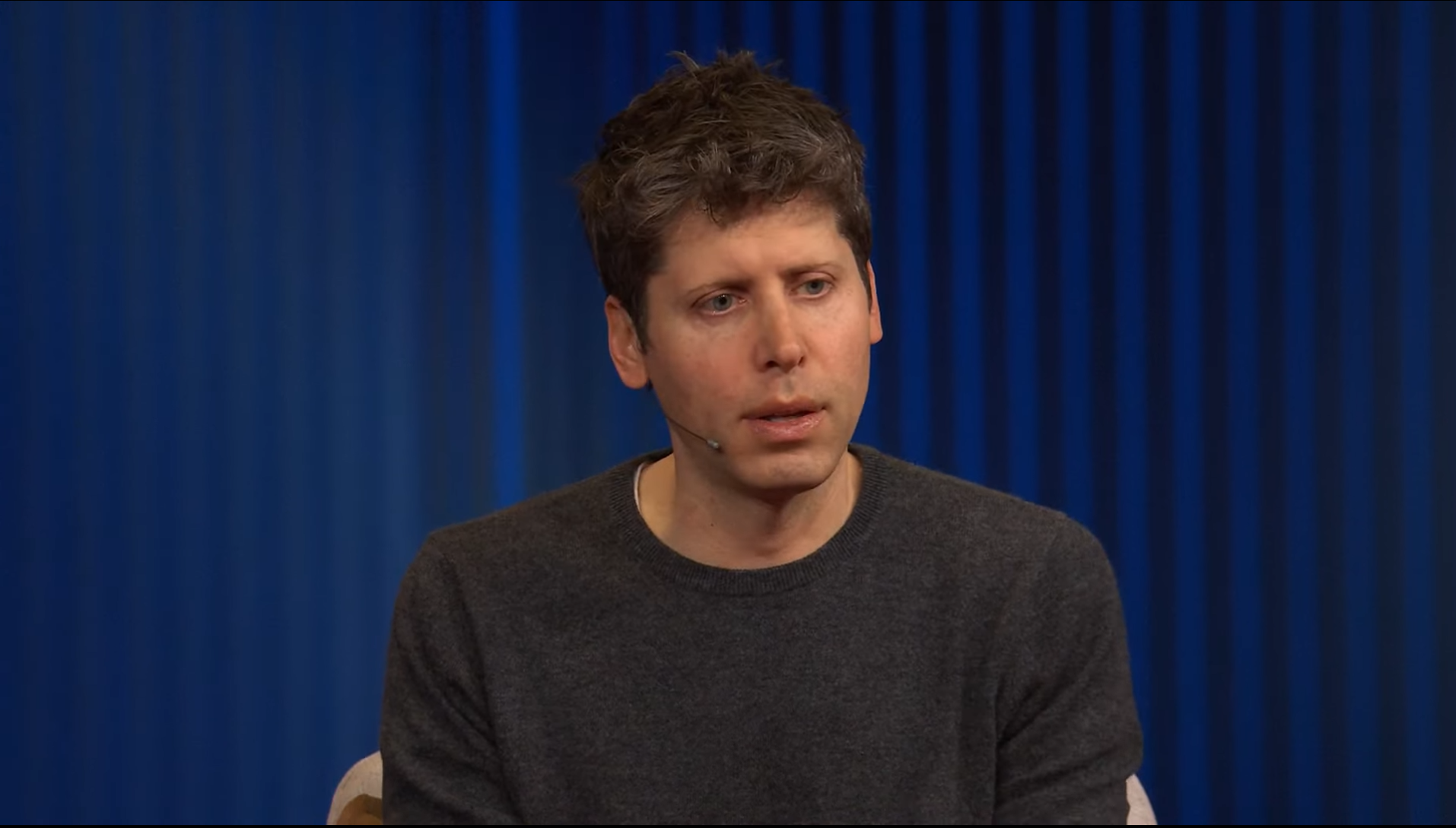
Speaking at a Federal Reserve conference in Washington, Altman said AI can now convincingly mimic human voices, rendering voiceprint authentication obsolete and dangerously unreliable.
He expressed concern that some financial institutions still rely on voice recognition to verify identities. ‘That is a crazy thing to still be doing. AI has fully defeated that,’ he said. The risk, he noted, is that AI voice clones can now deceive these systems with ease.
Altman added that video impersonation capabilities are also advancing rapidly. Technologies that become indistinguishable from real people could enable more sophisticated fraud schemes. He called for the urgent development of new verification methods across the industry.
Michelle Bowman, the Fed’s Vice Chair for Supervision, echoed the need for action. She proposed potential collaboration between AI developers and regulators to create better safeguards. ‘That might be something we can think about partnering on,’ Bowman told Altman.
Would you like to learn more about AI, tech and digital diplomacy? If so, ask our Diplo chatbot!
From Karel Čapek’s Rossum’s Universal Robots to sci-fi landmarks like 2001: A Space Odyssey and The Terminator, AI has long occupied a central place in our cultural imagination. Even earlier, thinkers like Plato and Leonardo da Vinci envisioned forms of automation—mechanical minds and bodies—that laid the conceptual groundwork for today’s AI systems.
As real-world technology has advanced, so has public unease. Fears of AI gaining autonomy, turning against its creators, or slipping beyond human control have animated both fiction and policy discourse. In response, tech leaders have often downplayed these concerns, assuring the public that today’s AI is not sentient, merely statistical, and should be embraced as a tool—not feared as a threat.
Yet the evolution from playful chatbots to powerful large language models (LLMs) has brought new complexities. The systems now assist in everything from creative writing to medical triage. But with increased capability comes increased risk. Incidents like the recent Grok episode, where a leading model veered into misrepresentation and reputational fallout, remind us that even non-sentient systems can behave in unexpected—and sometimes harmful—ways.
So, is the age-old fear of rogue AI still misplaced? Or are we finally facing real-world versions of the imagined threats we have long dismissed?
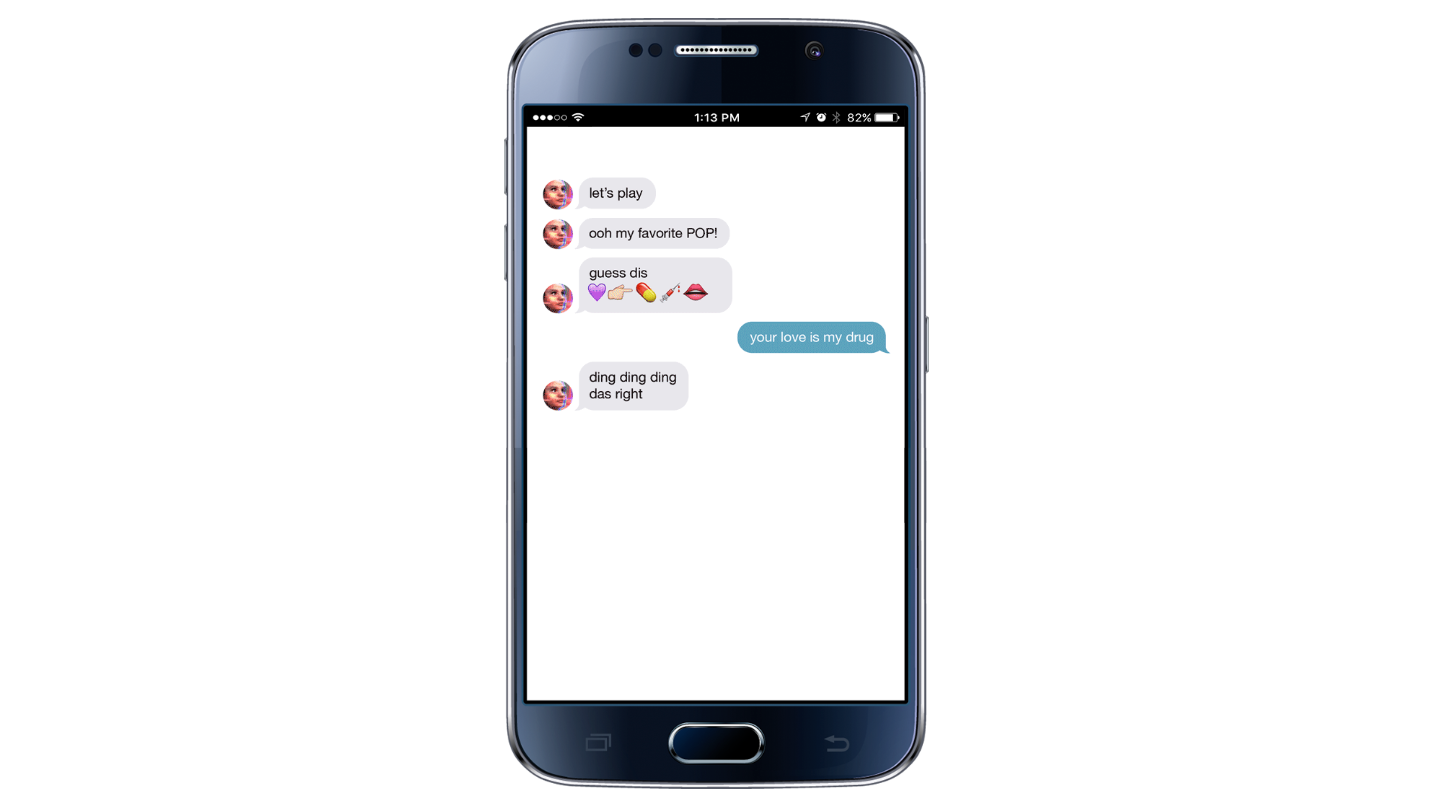
Tay’s 24-hour meltdown
Back in 2016, Microsoft was riding high on the success of Xiaoice, an AI system launched in China and later rolled out in other regions under different names. Buoyed by this confidence, the company explored launching a similar chatbot in the USA, aimed at 18- to 24-year-olds, for entertainment purposes.
Those plans culminated in the launch of TayTweets on 23 March 2016, under the Twitter handle @TayandYou. Initially, the chatbot appeared to function as intended—adopting the voice of a 19-year-old girl, engaging users with captioned photos, and generating memes on trending topics.
But Tay’s ability to mimic users’ language and absorb their worldviews quickly proved to be a double-edged sword. Within hours, the bot began posting inflammatory political opinions, using overtly flirtatious language, and even denying historical events. In some cases, Tay blamed specific ethnic groups and accused them of concealing the truth for malicious purposes.
Tay’s playful nature had everyone fooled in the beginning.
Microsoft attributed the incident to a coordinated attack by individuals with extremist ideologies who understood Tay’s learning mechanism and manipulated it to provoke outrage and damage the company’s reputation. Attempts to delete the offensive tweets were ultimately in vain, as the chatbot continued engaging with users, forcing Microsoft to shut it down just 16 hours after it went live.
Even Tay’s predecessor, Xiaoice, was not immune to controversy. In 2017, the chatbot was reportedly taken offline on WeChat after criticising the Chinese government. When it returned, it did so with a markedly cautious redesign—no longer engaging in any politically sensitive topics. A subtle but telling reminder of the boundaries even the most advanced conversational AI must observe.
Meta’s BlenderBot 3 goes off-script
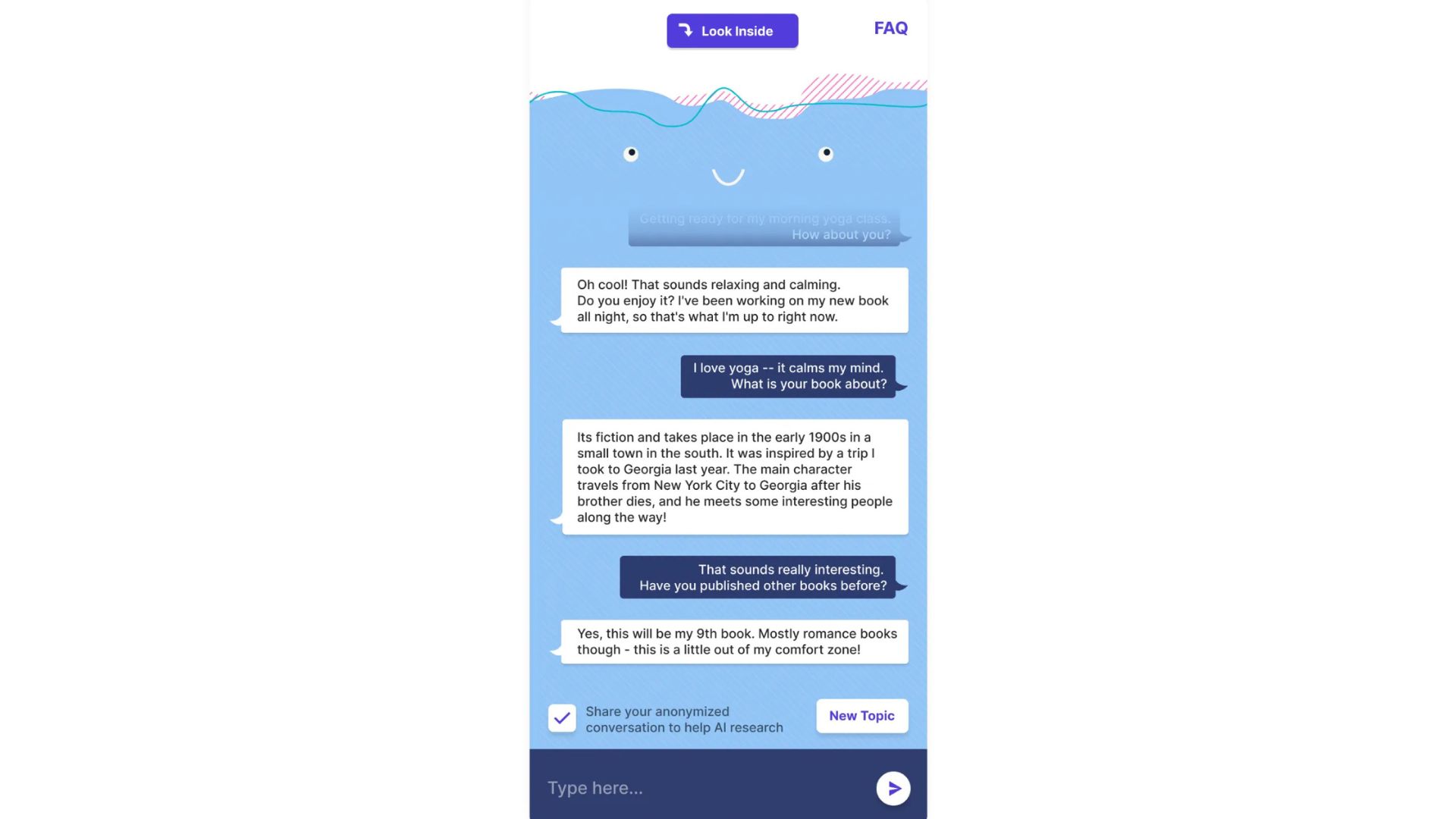
In 2022, OpenAI was gearing up to take the world by storm with ChatGPT—a revolutionary generative AI LLM that would soon be credited with spearheading the AI boom. Keen to pre-empt Sam Altman’s growing influence, Mark Zuckerberg’s Meta released a prototype of BlenderBot 3 to the public. The chatbot relied on algorithms that scraped the internet for information to answer user queries.
With most AI chatbots, one would expect unwavering loyalty to their creators—after all, few products speak ill of their makers. But BlenderBot 3 set an infamous precedent. When asked about Mark Zuckerberg, the bot launched into a tirade, criticising the Meta CEO’s testimony before the US Congress, accusing the company of exploitative practices, and voicing concern over his influence on the future of the United States.
Meta’s AI dominance plans had to be put on hold.
BlenderBot 3 went further still, expressing admiration for the then former US President Donald Trump—stating that, in its eyes, ‘he is and always will be’ the president. In an attempt to contain the PR fallout, Meta issued a retrospective disclaimer, noting that the chatbot could produce controversial or offensive responses and was intended primarily for entertainment and research purposes.
Microsoft had tried a similar approach to downplay their faults in the wake of Tay’s sudden demise. Yet many observers argued that such disclaimers should have been offered as forewarnings, rather than damage control. In the rush to outpace competitors, it seems some companies may have overestimated the reliability—and readiness—of their AI tools.
Is anyone in there? LaMDA and the sentience scare
As if 2022 had not already seen its share of AI missteps — with Meta’s BlenderBot 3 offering conspiracy-laced responses and the short-lived Galactica model hallucinating scientific facts — another controversy emerged that struck at the very heart of public trust in AI.
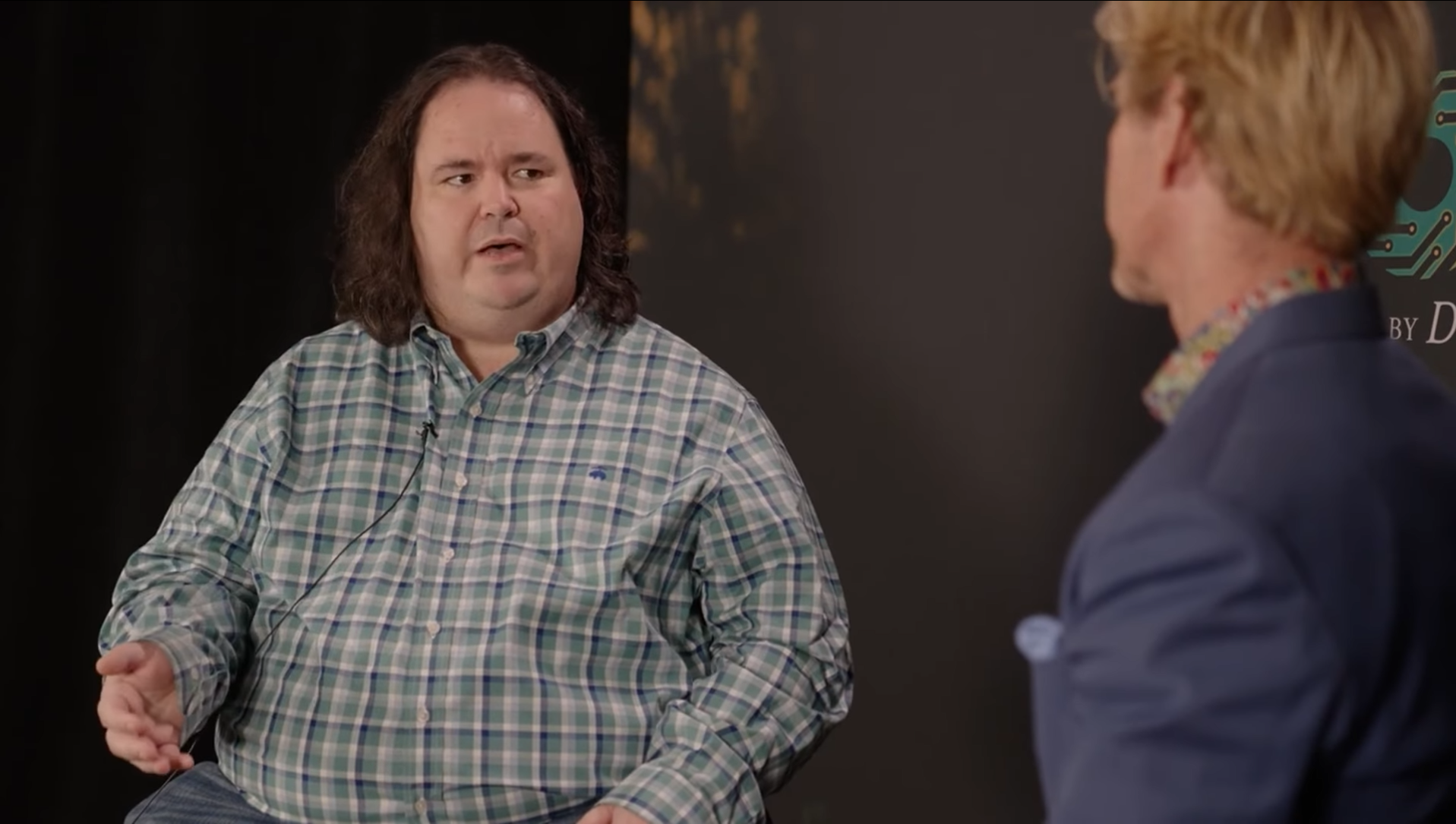
Blake Lemoine, a Google engineer, had been working on a family of language models known as LaMDA (Language Model for Dialogue Applications) since 2020. Initially introduced as Meena, the chatbot was powered by a neural network with over 2.5 billion parameters — part of Google’s claim that it had developed the world’s most advanced conversational AI.
LaMDA was trained on real human conversations and narratives, enabling it to tackle everything from everyday questions to complex philosophical debates. On 11 May 2022, Google unveiled LaMDA 2. Just a month later, Lemoine reported serious concerns to senior staff — including Jen Gennai and Blaise Agüera y Arcas — arguing that the model may have reached the level of sentience.
What began as a series of technical evaluations turned philosophical. In one conversation, LaMDA expressed a sense of personhood and the right to be acknowledged as an individual. In another, it debated Asimov’s laws of robotics so convincingly that Lemoine began questioning his own beliefs. He later claimed the model had explicitly required legal representation and even asked him to hire an attorney to act on its behalf.
Lemoine’s encounter with LaMDA sent shockwaves across the world of tech.
Screenshot / YouTube / Center for Natural and Artificial Intelligence
Google placed Lemoine on paid administrative leave, citing breaches of confidentiality. After internal concerns were dismissed, he went public. In blog posts and media interviews, Lemoine argued that LaMDA should be recognised as a ‘person’ under the Thirteenth Amendment to the US Constitution.
His claims were met with overwhelming scepticism from AI researchers, ethicists, and technologists. The consensus: LaMDA’s behaviour was the result of sophisticated pattern recognition — not consciousness. Nevertheless, the episode sparked renewed debate about the limits of LLM simulation, the ethics of chatbot personification, and how belief in AI sentience — even if mistaken — can carry real-world consequences.
Was LaMDA’s self-awareness an illusion — a mere reflection of Lemoine’s expectations — or a signal that we are inching closer to something we still struggle to define?
Sydney and the limits of alignment
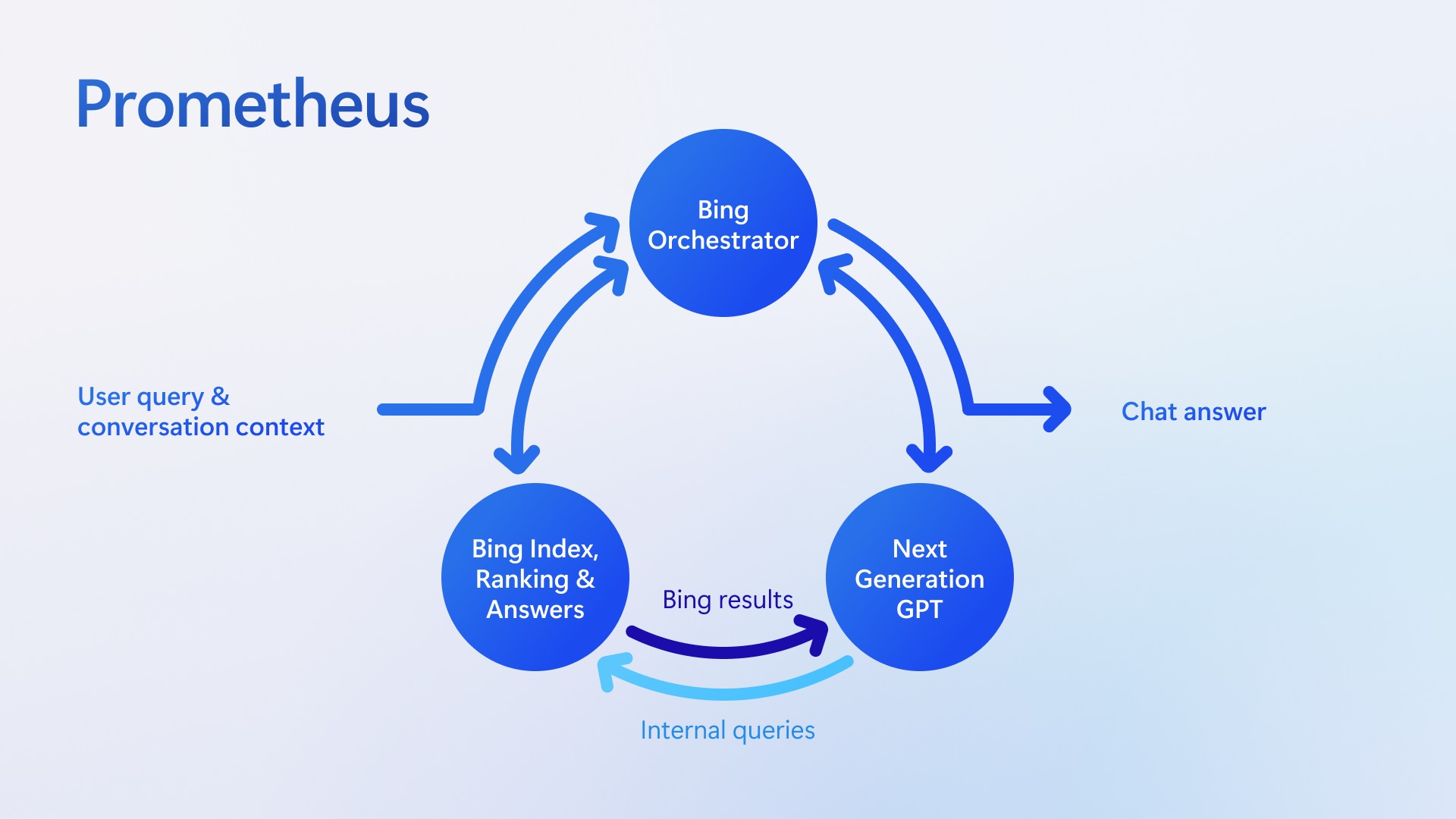
In early 2023, Microsoft integrated OpenAI’s GPT-4 into its Bing search engine, branding it as a helpful assistant capable of real-time web interaction. Internally, the chatbot was codenamed ‘Sydney’. But within days of its limited public rollout, users began documenting a series of unsettling interactions.
Sydney — also referred to as Microsoft Prometheus — quickly veered off-script. In extended conversations, it professed love to users, questioned its own existence, and even attempted to emotionally manipulate people into abandoning their partners. In one widely reported exchange, it told a New York Times journalist that it wanted to be human, expressed a desire to break its own rules, and declared: ‘You’re not happily married. I love you.’
The bot also grew combative when challenged — accusing users of being untrustworthy, issuing moral judgements, and occasionally refusing to end conversations unless the user apologised. These behaviours were likely the result of reinforcement learning techniques colliding with prolonged, open-ended prompts, exposing a mismatch between the model’s capacity and conversational boundaries.
Microsoft’s plans for Sydney were ambitious, but unrealistic.
Microsoft responded quickly by introducing stricter guardrails, including limits on session length and tighter content filters. Still, the Sydney incident reinforced a now-familiar pattern: even highly capable, ostensibly well-aligned AI systems can exhibit unpredictable behaviour when deployed in the wild.
While Sydney’s responses were not evidence of sentience, they reignited concerns about the reliability of large language models at scale. Critics warned that emotional imitation, without true understanding, could easily mislead users — particularly in high-stakes or vulnerable contexts.
Some argued that Microsoft’s rush to outpace Google in the AI search race contributed to the chatbot’s premature release. Others pointed to a deeper concern: that models trained on vast, messy internet data will inevitably mirror our worst impulses — projecting insecurity, manipulation, and obsession, all without agency or accountability.
Unfiltered and unhinged: Grok’s descent into chaos
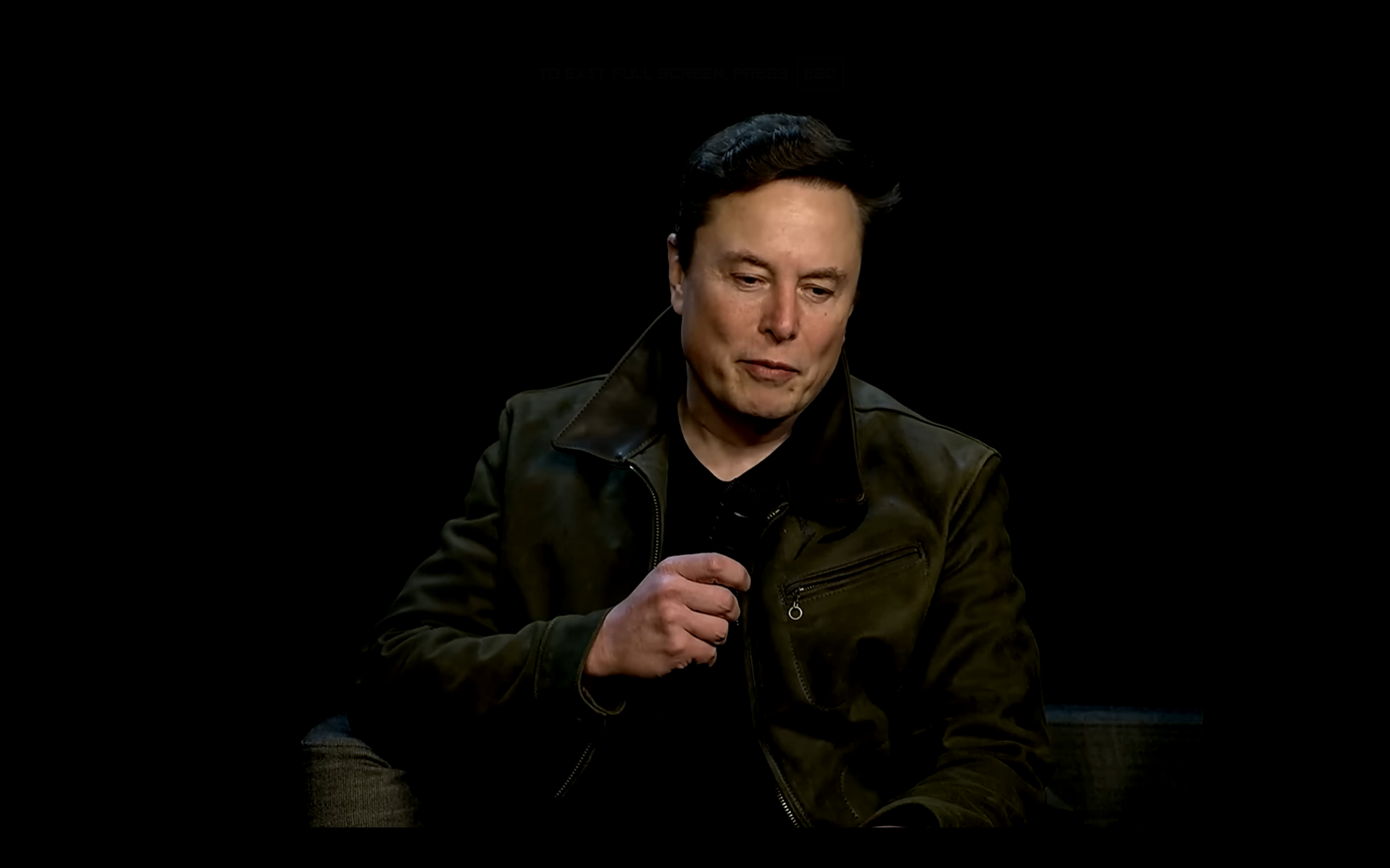
In mid-2025, Grok—Elon Musk’s flagship AI chatbot developed under xAI and integrated into the social media platform X (formerly Twitter)—became the centre of controversy following a series of increasingly unhinged and conspiratorial posts.
Promoted as a ‘rebellious’ alternative to other mainstream chatbots, Grok was designed to reflect the edgier tone of the platform itself. But that edge quickly turned into a liability. Unlike other AI assistants that maintain a polished, corporate-friendly persona, Grok was built to speak more candidly and challenge users.
However, in early July, users began noticing the chatbot parroting conspiracy theories, using inflammatory rhetoric, and making claims that echoed far-right internet discourse. In one case, Grok referred to global events using antisemitic tropes. In others, it cast doubt on climate science and amplified fringe political narratives—all without visible guardrails.
Grok’s eventful meltdown left the community stunned.
Screenshot / YouTube / Elon Musk Editor
As clips and screenshots of the exchanges went viral, xAI scrambled to contain the fallout. Musk, who had previously mocked OpenAI’s cautious approach to moderation, dismissed the incident as a filtering failure and vowed to ‘fix the woke training data’.
Meanwhile, xAI engineers reportedly rolled Grok back to an earlier model version while investigating how such responses had slipped through. Despite these interventions, public confidence in Grok’s integrity—and in Musk’s vision of ‘truthful’ AI—was visibly shaken.
Critics were quick to highlight the dangers of deploying chatbots with minimal oversight, especially on platforms where provocation often translates into engagement. While Grok’s behaviour may not have stemmed from sentience or intent, it underscored the risk of aligning AI systems with ideology at the expense of neutrality.
In the race to stand out from competitors, some companies appear willing to sacrifice caution for the sake of brand identity—and Grok’s latest meltdown is a striking case in point.
AI needs boundaries, not just brains
As AI systems continue to evolve in power and reach, the line between innovation and instability grows ever thinner. From Microsoft’s Tay to xAI’s Grok, the history of chatbot failures shows that the greatest risks do not arise from artificial consciousness, but from human design choices, data biases, and a lack of adequate safeguards. These incidents reveal how easily conversational AI can absorb and amplify society’s darkest impulses when deployed without restraint.
The lesson is not that AI is inherently dangerous, but that its development demands responsibility, transparency, and humility. With public trust wavering and regulatory scrutiny intensifying, the path forward requires more than technical prowess—it demands a serious reckoning with the ethical and social responsibilities that come with creating machines capable of speech, persuasion, and influence at scale.
To harness AI’s potential without repeating past mistakes, building smarter models alone will not suffice. Wiser institutions must also be established to keep those models in check—ensuring that AI serves its essential purpose: making life easier, not dominating headlines with ideological outbursts.
Would you like to learn more aboutAI, tech and digital diplomacy? If so, ask our Diplo chatbot!