Indonesia targets age limits for social media access

Indonesia plans to implement interim guidelines to protect children on social media as it works toward creating a law to establish a minimum age for users, a senior communications ministry official announced on Wednesday. The move follows discussions between Communications Minister Meutya Hafid and President Prabowo Subianto, aiming to address concerns about online safety for children.

The proposed law will mirror recent regulations in Australia, which banned children under 16 from accessing social media platforms like Instagram, Facebook, and TikTok, penalising tech companies that fail to comply. In the meantime, Indonesia will issue regulations requiring platforms to follow child protection guidelines, focusing on shielding children from harmful content while still allowing access to some degree.

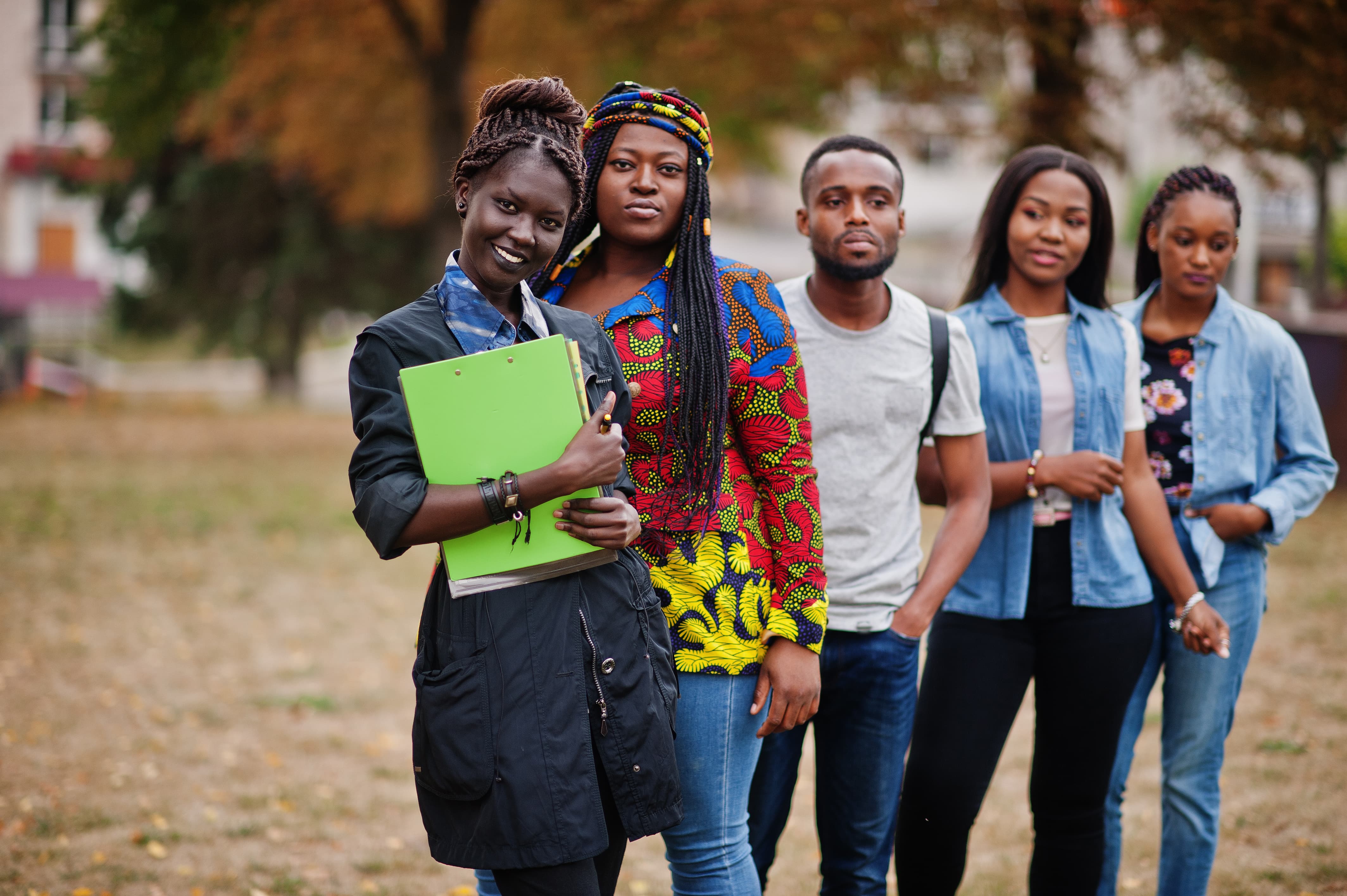
Public opinion on the initiative is divided. While parents like Nurmayanti support stricter controls to reduce exposure to harmful material, human rights advocates, including Anis Hidayah, urge caution to ensure children’s access to information is not unduly restricted. A recent survey revealed nearly half of Indonesian children under 12 use the internet, with many accessing social media platforms such as Facebook, Instagram, and TikTok.

This regulatory push reflects Indonesia’s broader efforts to balance digital innovation with safeguarding younger users in its rapidly growing online landscape

European Central Bank joins Bluesky as Musk’s influence on X grows

The European Central Bank (ECB) has expanded its social media presence by joining Bluesky, a rival to Elon Musk’s X. A spokesperson stated that the move is part of a broader strategy to diversify communication channels following the adoption of other platforms last year. The ECB launched its Bluesky account by sharing an interview with chief economist Philip Lane, while confirming it will continue using X.

Musk, who has used X to promote political figures, recently endorsed Germany’s far-right Alternative for Germany party and has also backed Italy’s Prime Minister Giorgia Meloni. His influence has raised concerns among EU regulators, particularly over misinformation and political bias. Critics have also highlighted his opposition to diversity and climate policies, which contrasts with the ECB’s commitment to gender equality and environmental sustainability under President Christine Lagarde.

Bluesky, founded as an alternative to X, has seen a surge in users following recent political events, adding 2.5 million accounts after Donald Trump’s election victory. However, with 27 million users, it remains smaller than Threads and X, which have 252 million and 317 million active users, respectively. EU regulators have also flagged Bluesky for failing to disclose key details about its user base within the bloc.

Indonesia plans social media age restrictions to protect children

Indonesia is preparing to introduce regulations setting a minimum age for social media users, aiming to shield children from potential online risks, according to Communications Minister Meutya Hafid. The announcement follows Australia’s recent ban on social media access for children under 16, which imposes penalties on platforms like Meta’s Facebook and Instagram, as well as TikTok, for non-compliance.

While the specific age limit for Indonesia remains undecided, Minister Hafid stated that President Prabowo Subianto supports the initiative, emphasising the importance of child protection in the digital space. The move highlights concerns about young users’ exposure to inappropriate content and data privacy risks.

Indonesia, with a population of approximately 280 million, has significant internet usage. A recent survey found internet penetration at 79.5%, with nearly half of children under 12 accessing the web, often using platforms like Facebook, Instagram, and TikTok. Among “Gen Z” users aged 12 to 27, internet penetration reached 87%. The proposed regulation reflects growing global efforts to prioritise child safety online.

Germany weighs exit from X over algorithm concerns

The German government is debating whether to delete its presence on X due to concerns that the platform’s algorithms encourage polarisation rather than balanced discourse. A government spokesperson confirmed that discussions are ongoing but noted that remaining on X allows access to a wide audience.

Elon Musk’s increasing support for far-right and anti-establishment parties in Europe has intensified scrutiny of the platform. His recent endorsement of Germany’s far-right AfD party, which is classified as extremist by German security services, has drawn criticism. Several German institutions, including universities and trade unions, have already left X in protest.

Government officials insist that their concerns about X are not directly linked to Musk’s political involvement but rather to broader issues surrounding the platform’s influence on public discourse. Compliance with European regulations, particularly in the lead-up to elections, remains under Brussels’ jurisdiction.

Lemon8 gains popularity amid TikTok uncertainty

As the possibility of a US TikTok ban looms, social media influencers are increasingly turning to Lemon8, a new app owned by TikTok’s parent company, ByteDance, as a potential alternative. Lemon8, which launched in the US and UK in 2023, combines the best aspects of Instagram and Pinterest, offering a “lifestyle community” with an emphasis on aesthetically pleasing images, videos, and lifestyle topics like beauty, fashion, food, travel, and pets. With over 1 million daily active users in the US, it has quickly gained traction, especially among Gen Z users.

Influencers are particularly drawn to Lemon8’s integration with TikTok, allowing creators to easily cross-post and boost engagement. Despite the platform’s appeal, however, Lemon8’s future remains uncertain. Like TikTok, it is owned by ByteDance, making it potentially subject to the same US regulations, including a law requiring the company to divest from TikTok or face a ban. This uncertainty is causing anxiety among creators who fear the loss of their primary platform and are seeking safer options like Lemon8.

The app itself is gaining attention for its simplicity and visual appeal. Lemon8 stands out by offering a quieter, less chaotic environment compared to the bustling, ad-heavy content on Instagram and TikTok. Its user interface is designed for easy scrolling, and the app encourages creativity through tools that enhance text, stickers, and music, making posts feel inspirational. While it’s still early days, Lemon8 offers a nostalgic, aesthetically curated space for users who may be growing weary of the larger social media giants.

Though the app is still new, it could provide a refreshing change from the current social media landscape, where content can often feel oversaturated or too commercialised. For now, Lemon8 offers a simpler, more intentional way to engage with online content—a return to a more “authentic” era of social media, reminiscent of earlier Instagram days. Whether it will succeed in the long term remains to be seen, but for now, it’s carving out a niche for users seeking a quieter digital space.

Supreme Court weighs TikTok ban amid national security concerns

The US Supreme Court on Friday appeared inclined to uphold a law requiring a sale or ban of TikTok in the United States by January 19, citing national security risks tied to its Chinese parent company, ByteDance. Justices questioned TikTok’s potential role in enabling the Chinese government to collect data on its 170 million American users and influence public opinion covertly. Chief Justice John Roberts and others expressed concerns about China’s potential to exploit the platform, while also probing implications for free speech protections under the First Amendment.

The law, passed with bipartisan support and signed by outgoing President Joe Biden, has been challenged by TikTok, ByteDance, and app users who argue it infringes on free speech. TikTok’s lawyer, Noel Francisco, warned that without a resolution or extension by President-elect Donald Trump, the platform would likely shut down on January 19. Francisco emphasised TikTok’s role as a key platform for expression and called for at least a temporary halt to the law.

Liberal and conservative justices alike acknowledged the tension between national security and constitutional rights. Justice Elena Kagan raised historical parallels to Cold War-era restrictions, while Justice Brett Kavanaugh highlighted the long-term risks of data collection. Solicitor General Elizabeth Prelogar, representing the Biden administration, argued that TikTok’s foreign ownership poses a grave threat, enabling covert manipulation and espionage. She defended Congress’s right to act in the interest of national security.

With global trade tensions and fears of digital surveillance mounting, the Supreme Court’s decision will have wide-ranging implications for technology, free speech, and US-China relations. The court is now considering whether to grant a temporary stay, providing Trump’s incoming administration an opportunity to address the issue politically.

Meta pushes free speech at the cost of content control

Meta has announced that Instagram and Threads users will no longer be able to opt out of seeing political content from accounts they don’t follow. The change, part of a broader push toward promoting “free expression,” will take effect in the US this week and expand globally soon after. Users will be able to adjust how much political content they see but won’t be able to block it entirely.

Adam Mosseri, head of Instagram and Threads, had previously expressed reluctance to feature political posts, favouring community-focused content like sports and fashion. However, he now claims that users have asked to see more political material. Critics, including social media experts, argue the shift is driven by changing political dynamics in the US, particularly with Donald Trump’s imminent return to the White House.

While some users have welcomed Meta’s stance on free speech, many worry it could amplify misinformation and hate speech. Experts also caution that marginalised groups may face increased harm due to fewer content moderation measures. The changes could also push discontented users toward rival platforms like Bluesky, raising questions about Meta’s long-term strategy.

Brazil’s Lula criticises Meta’s move to end US fact-checking program

Brazilian President Luiz Inácio Lula da Silva has condemned Meta’s decision to discontinue its fact-checking program in the United States, calling it a grave issue. Speaking in Brasília on Thursday, Lula emphasised the need for accountability in digital communication, equating its responsibilities to those of traditional media. He announced plans to meet with government officials to discuss the matter.

Meta’s recent decision has prompted Brazilian prosecutors to seek clarification on whether the changes will affect the country. The company has been given 30 days to respond as part of an ongoing investigation into how social media platforms address misinformation and online violence in Brazil.

Justice Alexandre de Moraes of Brazil’s Supreme Court, known for his strict oversight of tech companies, reiterated that social media firms must adhere to Brazilian laws to continue operating in the country. Last year, he temporarily suspended X (formerly Twitter) over non-compliance with local regulations.

Meta has so far declined to comment on the matter in Brazil, fueling concerns over its commitment to tackling misinformation globally. The outcome of Brazil’s inquiry could have broader implications for how tech firms balance local laws with global policy changes.

Frank McCourt’s Project Liberty proposes TikTok US buyout

Frank McCourt’s Project Liberty, along with a group of partners, has formally proposed a bid to acquire TikTok’s US assets from ByteDance. The consortium announced its intentions just ahead of ByteDance’s January 19 deadline to sell the platform or face a ban under legislation signed by President Joe Biden in April.

The group has gathered sufficient financial backing, including interest from private equity funds, family offices, and high-net-worth individuals, with debt financing from a leading US bank. The proposed value of the deal has not been disclosed.

McCourt stated the goal is to keep TikTok accessible to millions of US users without relying on its current algorithm while preventing a ban. Efforts are underway to engage with ByteDance, President-elect Trump, and the incoming administration to finalise the deal.

British universities abandon X over misinformation concerns

British universities are increasingly distancing themselves from Elon Musk’s X platform, citing its role in spreading misinformation and inciting racial unrest. A Reuters survey found that several institutions have stopped posting or significantly reduced their activity, joining a broader exodus of academics and public bodies. Concerns over falling engagement, violent content, and the platform’s perceived toxicity have driven the shift.

The University of Cambridge has seen at least seven of its colleges stop posting, while Oxford’s Merton College has deleted its account entirely. Institutions such as the University of East Anglia and London Metropolitan University report dwindling engagement, while arts conservatoires like Trinity Lab and the Royal Northern College of Music are focusing their communication efforts elsewhere. Some universities, including Buckinghamshire New University, have publicly stated that X is no longer a suitable space for meaningful discussion.

The retreat from X follows similar moves by British police forces, reflecting growing unease among public institutions. Despite the trend, some universities continue to maintain a presence on the platform, though many are actively exploring alternatives. X did not respond to requests for comment on the issue.