Russian brokerage Finam is set to launch structured notes linked to BlackRock’s iShares Bitcoin Trust ETF (IBIT), providing qualified investors in Russia with exposure to Bitcoin ETFs. The new investment product, available from 17 February, will be one of the first IBIT-based structured notes with a six-month maturity period.
The IBIT bond will be denominated in Russian roubles, with returns calculated in dollar equivalents based on the Bank of Russia’s exchange rate. Investors stand to earn up to 20% in returns if the ETF price at maturity exceeds the initial launch price by at least one basis point. The minimum investment is 200,000 roubles ($2,200), and the brokerage will charge a 1% commission.
Finam’s move comes amid regulatory uncertainty in Russia. While there is no explicit ban on crypto ETFs as underlying assets for structured bonds, the legal framework remains ambiguous. The country has, however, been warming to Bitcoin, with the Finance Minister confirming in December 2024 that Russian legislation permits foreign trade using Bitcoin and other digital financial assets.
For more information on these topics, visit diplomacy.edu.
A federal judge in Washington, DC has temporarily halted the US Securities and Exchange Commission’s lawsuit against Binance. The 60-day pause comes after both the SEC and the cryptocurrency exchange requested time to explore a resolution, citing the potential impact of a newly created SEC task force.
The task force, launched last month, focuses on reviewing cryptocurrency regulations and is led by Commissioner Hester Peirce, known for her pro-crypto stance.
The initiative may pave the way for progress in resolving the case, which accused Binance of inflating trading volumes, misusing customer funds, and misleading investors.
The lawsuit, filed in June 2023, targeted Binance and its founder Changpeng Zhao for alleged regulatory violations. The exchange has denied wrongdoing but continues to face scrutiny from US regulators.
A potential leadership change at the SEC could also influence the case. Paul Atkins, nominated by Donald Trump to lead the agency, is seen as supportive of the cryptocurrency industry. He would replace Gary Gensler, who has taken a stricter approach to crypto regulation.
For more information on these topics, visit diplomacy.edu.
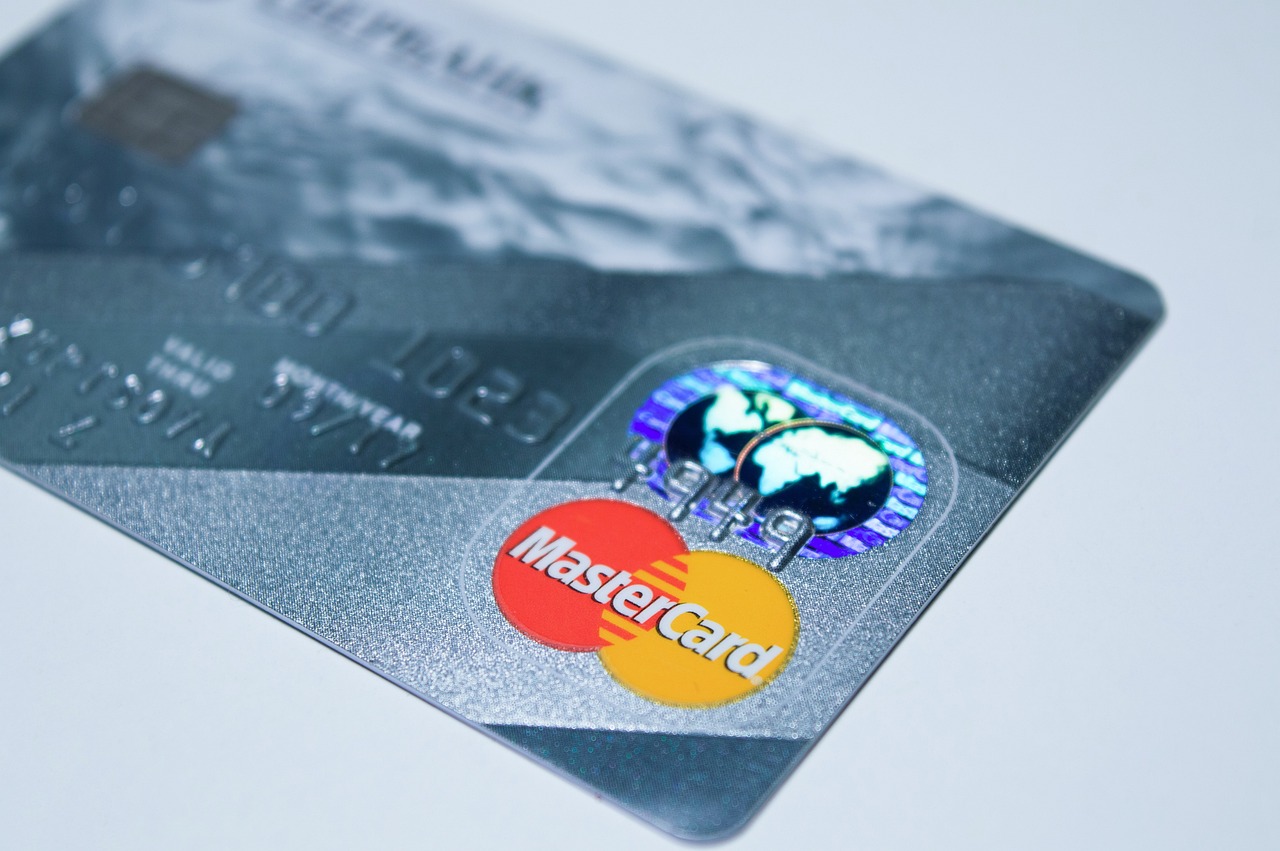
Mastercard has tokenised 30% of its transactions in 2024, marking a significant step in its efforts to innovate the payments ecosystem. The company highlighted its commitment to supporting blockchain and digital currencies, working alongside various crypto players to allow consumers to buy and spend crypto on cards where Mastercard is accepted.
The payment giant also acknowledged the growing competition from stablecoins and other cryptocurrencies, which it views as potential disruptors of traditional finance. Mastercard stated that digital currencies could challenge existing payment products by offering benefits such as accessibility, efficiency, and immutability, especially as regulatory frameworks continue to develop.
In addition to its blockchain efforts, Mastercard reported $28.2 billion in net revenue for 2024, a 12% increase from the previous year. The company’s recognition of stablecoins and crypto as serious competitors reflects the shifting landscape of the global payments market.
Stablecoins saw significant volume growth in 2024, with transfer volumes exceeding $27.6 trillion, surpassing the combined volumes of Visa and Mastercard. While bots have contributed to the spike, experts assert that their use enhances market efficiency rather than diminishing the volume.
For more information on these topics, visit diplomacy.edu.
South Korea is set to gradually lift its ban on corporate cryptocurrency trading, according to the latest announcement from the Financial Services Commission. The phased approach will begin with law enforcement agencies, non-profits, universities and school corporations being permitted to sell Bitcoin and Ethereum for the purpose of cashing out in the first half of the year.
In the second phase, listed companies and corporations will be allowed to buy and sell digital assets under a pilot programme. The expansion, expected in the latter half of the year, will be regulated under South Korea’s Capital Markets Act, providing a structured framework for professional investors.
The ban, imposed in 2017 to tackle speculation and financial crime, is being eased following the implementation of the Virtual Asset User Protection Act. Authorities argue that stronger safeguards now allow for regulated institutional participation, aligning with global trends where businesses are increasingly integrating digital assets.
To ensure a smooth transition, the Financial Services Commission will form a task force in collaboration with banks, regulators and crypto exchanges. The group will develop internal control standards and trading guidelines, ensuring South Korea’s corporate sector can engage in digital assets securely and transparently.
For more information on these topics, visit diplomacy.edu.
Michigan has introduced a bill to create a strategic cryptocurrency reserve, joining 19 other US states exploring similar initiatives. The proposal, put forward by Representatives Bryan Posthumus and Ron Robinson, would allow up to 10% of the state’s general and economic stabilisation funds to be invested in digital assets.
The bill grants the state treasurer authority to manage crypto holdings using secure custody solutions or regulated investment products. It also permits lending cryptocurrency to generate additional returns, provided it does not increase financial risk. Additionally, any crypto tax payments must be converted into fiat currency before being allocated to state funds.
Michigan’s proposal follows a similar bill in Texas and reflects a growing trend amongst states to embrace digital assets. The move builds on Michigan’s previous crypto investments, including its significant holdings in Bitcoin and Ethereum exchange-traded funds.
For more information on these topics, visit diplomacy.edu.
Coinbase is making fresh efforts to relaunch its services in India after its failed attempt in 2022. The US-based crypto exchange is reportedly in discussions with Indian regulators, including the Financial Intelligence Unit, in a bid to secure approval for its operations.
The exchange first launched in India in April 2022, introducing support for the UPI payment system. However, within days, the National Payments Corporation of India declined to back its services, and regulatory pressures forced Coinbase to halt operations. In 2023, the company further restricted access by disabling new user sign-ups for Indian customers.
Despite past obstacles, Coinbase is now looking to return under proper regulatory oversight. Its comeback could provide an alternative for traders following the collapse of WazirX, while its investments in local platforms like CoinSwitch and CoinDCX may also support its efforts.
India’s crypto market faces challenges, including a 30% tax on digital asset earnings and a 1% levy on transactions, which have slowed growth. However, with Coinbase preparing for a fresh push, the exchange could play a key role in reviving trading activity in the country.
For more information on these topics, visit diplomacy.edu.
Federal Reserve Governor Christopher Waller has called for a regulatory framework allowing both banks and non-banks to issue stablecoins. Speaking at a conference in San Francisco, he stressed that a well-defined approach is essential for stablecoins to reach their full potential and expand the global influence of the US dollar.
Waller highlighted the need for regulations that directly and fully address stablecoin risks, ensuring they can be integrated into the financial system. His views align with those of Fed Chair Jerome Powell, who previously voiced strong support for developing a stablecoin framework in the US.
Efforts to regulate stablecoins are gaining momentum in Congress, with both Republican and Democratic lawmakers proposing oversight measures. Recent bills from Rep. Maxine Waters and Rep. French Hill take different approaches to stablecoin supervision, reflecting an ongoing debate over whether the Federal Reserve or the Office of the Comptroller of the Currency should take the lead.
As stablecoins continue to grow in importance, clear regulations could shape their role in the broader financial system. With policymakers actively working on proposals, the future of stablecoin oversight remains a key issue in Washington.
For more information on these topics, visit diplomacy.edu.
A New York senator has introduced a bill to create a task force dedicated to studying the impact of cryptocurrencies in the state. The proposed legislation, known as the New York State Cryptocurrency and Blockchain Study Act, aims to assess how digital currencies affect tax revenues, energy consumption, and regulatory policies.
If approved, the task force will consist of 17 members and will analyse key aspects of the crypto industry, including the number of digital currencies traded, the exchanges operating in New York, and how the state’s regulations compare to other jurisdictions. The group will also evaluate the environmental impact of cryptocurrency mining and recommend measures to enhance transparency and consumer protection.
The bill is still in its early stages and must pass committee review before moving to a full vote. New York has long been a major hub for crypto, but its strict BitLicense requirements have faced criticism for being too restrictive. As more US states explore crypto regulations, the outcome of this bill could shape the future of digital assets in New York.
For more information on these topics, visit diplomacy.edu.
Zach Witkoff, co-founder of the Trump-affiliated crypto project World Liberty Financial, had his X account hacked on Wednesday. The hacker used the account to promote a fake memecoin project involving Barron Trump, claiming that the news would soon be confirmed by the Trump family.
World Liberty Financial quickly confirmed the hack, urging users to ignore the fraudulent Barron Trump project. This incident is part of a wider trend of crypto scams, as Ivanka Trump also warned earlier this year about a fake memecoin using her likeness to defraud investors.
World Liberty Financial, a decentralised finance project, launched its own token, WLFI, in October 2024. Despite these security issues, the project continues to operate with the Trump family’s name associated with its team.
For more information on these topics, visit diplomacy.edu.
A Chicago family and their nanny were kidnapped for five days in October by armed men demanding a ransom in cryptocurrency. The kidnappers stole $15 million in digital assets, including Bitcoin and Ether, and forced the victims to transfer funds from their crypto accounts before releasing them.
The incident began when one of the suspects pretended to be at the door to fix a damaged garage, only to overpower the family with a gun. The victims were then transported to an Airbnb and later to another location, where they were threatened with death unless they complied with the kidnappers’ demands.
FBI agents were able to track the suspects using surveillance footage and forensic evidence. The investigation led to six arrests, with one suspect, Zehuan Wei, apprehended while trying to re-enter the US in January. The remaining suspects are believed to have fled to China.
This case highlights the growing trend of crypto-related kidnappings, as criminals target individuals with access to digital currencies. Recently, other high-profile kidnappings for cryptocurrency ransom have also made headlines, including the abduction of a Ledger co-founder and a Toronto CEO.
For more information on these topics, visit diplomacy.edu.