Indian Railways has deployed an AI powered Rail Robocop at Visakhapatnam Railway Station in India to strengthen passenger security. The system is designed to patrol platforms and monitor crowds in Visakhapatnam.
The robot, named ASC Arjun, uses facial recognition to compare live images with a database of known criminals in India. Officials said the system recently identified a suspect during routine surveillance in Visakhapatnam.
Once a match was detected, the AI system sent an instant alert to the Railway Protection Force CCTV control room in Visakhapatnam. Officers were able to respond quickly using the automated notification.
Authorities in India say the Rail Robocop will support human staff rather than replace them. Similar AI deployments are expected at other major railway stations in India following trials in Visakhapatnam.
Would you like to learn more about AI, tech and digital diplomacy? If so, ask our Diplo chatbot!
Cape Town is preparing to introduce AI-assisted cameras to monitor motorists for cellphone use and seatbelt violations. Approval is awaited from the National Director of Public Prosecutions before the technology can be fully deployed.
Similar systems have been in operation in Australia for several years, where drivers face fines and demerit points for offences. Authorities report a noticeable decline in illegal phone use, showing that AI can effectively influence driver behaviour.
The cameras allow law enforcement to focus on other priorities instead of constantly monitoring mobile phone offences. Each AI-detected violation is reviewed by a human before fines are issued, adding a layer of accuracy and transparency.
Motorists retain the right to request camera images if they believe fines were unfairly applied. The Australian model demonstrates that combining technology with human oversight can improve road safety while maintaining accountability for drivers.
Would you like to learn more about AI, tech, and digital diplomacy? If so, ask our Diplo chatbot!
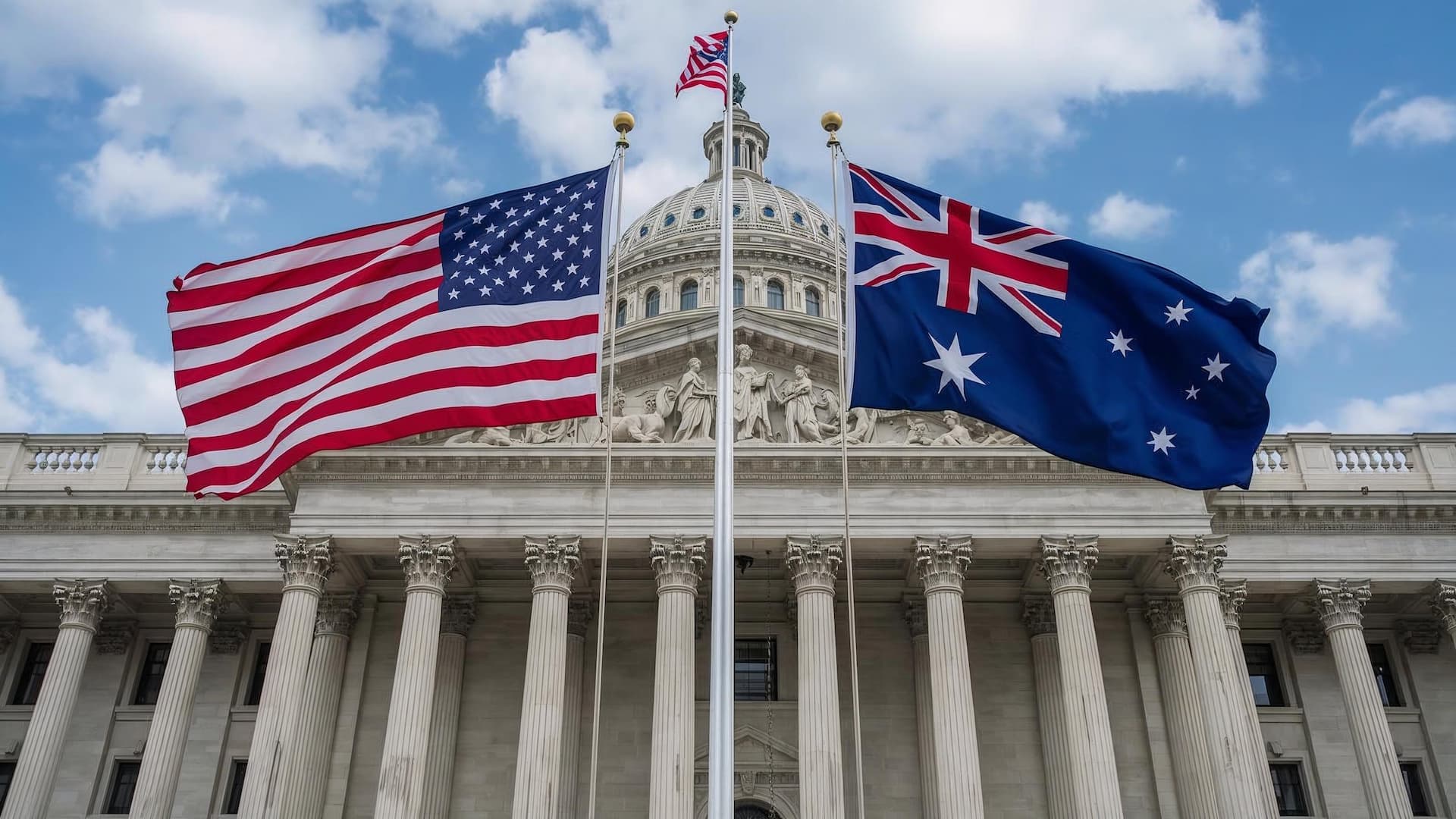
Reports suggest Australia may expand biometric and identity data sharing with US authorities through border security and visa negotiations, granting enforcement agencies broader access to sensitive personal information.
Information reportedly covered includes passport numbers, dates of birth, facial images, fingerprints, and criminal or immigration records. Such access could allow US authorities to query Australian-held databases directly, bypassing traditional legal cooperation procedures.
No official treaty text or confirmation has been released by either government, and responses have remained general, avoiding details about the Enhanced Border Security Partnership negotiations. The absence of transparency has raised concerns among privacy advocates and legal commentators.
Australia and the United States already cooperate through established frameworks such as the Visa Waiver Program, Migration 5 agreements, and the CLOUD Act. Existing mechanisms involve structured, case-by-case data sharing with legal oversight rather than unrestricted database access.
Analysts note that confirmed arrangements differ significantly from claims of open biometric access, though expanding security vetting requirements continue to increase cross-border data flows. Debate is growing over privacy, sovereignty, and the long-term implications of deeper information sharing.
Would you like to learn more about AI, tech, and digital diplomacy? If so, ask our Diplo chatbot!
TikTok has largely recovered from a brief decline in daily active users following its US ownership change, when a group of American investors assumed control of domestic operations. Usage fell temporarily as uncertainty spread among users. Competing video apps saw short-term gains during the disruption.
Data from Similarweb shows TikTok’s US daily active users dropped to between 86 and 88 million after the transition, compared with a typical average of around 92 million. Activity has since rebounded to more than 90 million. Many users who experimented with alternatives have returned.
Platforms rivalling TikTok, including UpScrolled and Skylight Social, experienced rapid but limited growth. UpScrolled peaked at 138,500 daily users before falling back to roughly 68,000. Skylight Social reached 81,200 daily users, then declined to around 56,300.
User concerns were driven less by ownership itself and more by fears around platform changes. An updated privacy policy allowing precise GPS tracking triggered backlash, alongside confusion over language referencing sensitive personal data. Some interpreted the changes as increased surveillance.
A multi-day data centre outage disrupted search, likes, and in-app messaging, resulting in user frustration. Some users attributed the glitches to possible censorship or platform instability. Once services were restored, activity stabilised, and concerns eased.
Would you like to learn more about AI, tech, and digital diplomacy? If so, ask our Diplo chatbot!
Zoom is repositioning hybrid offices as intelligent work environments through Zoom Spaces, its AI-first workplace platform for collaboration and space management that gives IT teams centralised oversight while providing employees with consistent tools for meetings, scheduling, and in-office coordination.
New agentic AI features extend Zoom Spaces beyond room booking into proactive workplace assistance. Workspace Reservation now recommends optimal meeting spaces during overlaps, while upcoming voice commands for Zoom Rooms will enable hands-free meeting control and task capture.
Zoom says intelligent offices reduce friction caused by inconsistent technology, double bookings, and disconnected tools. By unifying scheduling and collaboration experiences, the platform aims to streamline movement between remote and in-person work.
The company is also expanding its ecosystem, allowing organisations to run Zoom Meetings on Cisco Rooms and integrate professional production tools through partners such as Vizrt. The strategy focuses on flexibility while maintaining consistent user experiences.
Additional upgrades include premium media capabilities for high-frame-rate video and improved mobile Workspace Reservation features. Zoom says these enhancements position Zoom Spaces as a next-generation hybrid workplace platform built around adaptive AI collaboration.
Would you like to learn more about AI, tech, and digital diplomacy? If so, ask our Diplo chatbot!
Artificial intelligence is transforming car design by generating rapid concept images and exploring new ideas in seconds. Designers can test colours, materials, and forms faster than with traditional sketches.
AI excels at designing components, creating mood boards, and supporting research, yet it struggles with originality. Industry leaders emphasise that developing entirely new models still requires human imagination and creativity.
Many manufacturers have developed internal AI systems trained on their own designs to protect intellectual property. These tools help designers experiment with combinations they might not have considered, offering fresh perspectives while keeping confidential data secure.
While AI is unlikely to replace human designers, it has become an essential tool for staying competitive. By combining computational speed with creative vision, design teams can enhance efficiency, inspire innovation, and explore ideas beyond traditional limits.
Would you like to learn more about AI, tech, and digital diplomacy? If so, ask our Diplo chatbot!
Electronic Arts has entered a multi year partnership with Stability AI to develop generative AI tools for game creation. The collaboration will support franchises such as The Sims, Battlefield and Madden NFL.
The company said the partnership centres on customised AI models that give developers more control over creative processes. Electronic Arts invested in Stability AI during its latest funding round in October.
Executives at Electronic Arts said concerns about job losses are understandable across the gaming industry. The company views AI as a way to enhance specific tasks and create new roles rather than replace staff.
Stability AI said similar technologies have historically increased demand for skilled workers. Electronic Arts added that active involvement in AI development helps the industry adapt rather than react to disruption.
Would you like to learn more about AI, tech and digital diplomacy? If so, ask our Diplo chatbot!
The Geneva Engage initiative, launched in 2016 by the Geneva Internet Platform under DiploFoundation with the support of the Republic and Canton of Geneva, continues to track how International Geneva connects with audiences worldwide. Through research and annual awards, it assesses how Geneva-based actors communicate on global policy issues ranging from development and human rights to health, the environment, and digital governance.
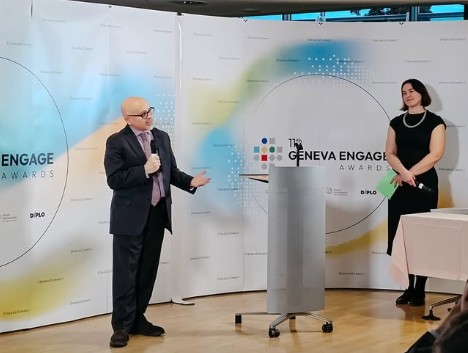
The 11th edition of the Geneva Engage Awards was held on 3 February 2026 at the World Meteorological Organization building, and it came at a moment of significant change in how people access information. Under the theme ‘Back to basics in the AI era’, the event explored how International Geneva can remain a trusted source as users increasingly rely on AI assistants rather than traditional searches, websites, and reports.
Each year, the Geneva Engage Awards recognise excellence in digital outreach across three main categories: international organisations, non-governmental organisations, and permanent representations. The evaluation focuses on how effectively these actors use digital tools to engage global audiences, build trust, and remain visible in an evolving information ecosystem.
The methodology combines quantitative analysis across three areas, social media outreach, web relevancy, and web accessibility. Performance is measured using engagement data from social media platforms, the visibility and relevance of web content in global search results, and accessibility standards that assess how usable and inclusive websites are for diverse audiences.
Together, this year’s results highlight how digital trust, accessibility, and relevance are becoming central to diplomacy in an AI-driven information landscape.
Would you like to learn more about AI, tech and digital diplomacy? If so, ask our Diplo chatbot!
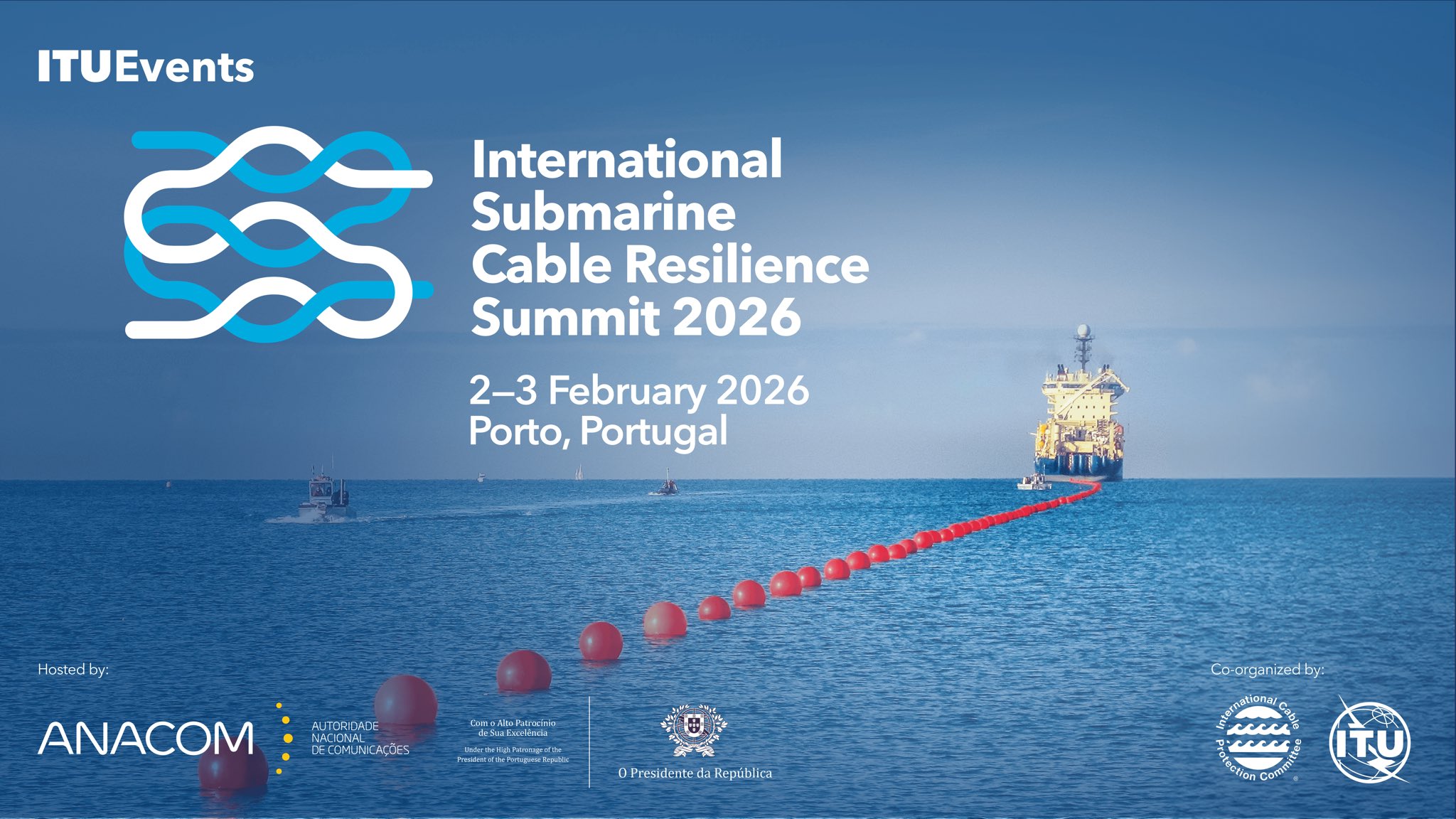
The International Submarine Cable Resilience Summit concluded in Porto with a strong call for proactive action to protect the infrastructure that underpins global digital connectivity. Hosted by Portugal’s regulator Anacom and co-chaired by Professor Sandra Maximiano and Nigerian Minister of Communications Bosun Tijani, the summit brought together more than 350 participants from over 70 countries, spanning governments, industry, and international organisations, including the ITU and the International Cable Protection Committee.
ITU Deputy Secretary-General Thomas Lamanauskas framed the summit as a milestone in a broader global effort, noting that ITU members have designated this period as a ‘year of resilience,’ with submarine cables at its core. He described the Porto meeting as the culmination of two years of work following the first summit in Abuja, marking a shift from reacting to cable failures toward systematically strengthening resilience before disruptions occur.
Concrete progress was reported through three working groups that have been active since the Abuja summit, focusing on repair procedures and permitting, risk mitigation, and connectivity for underserved regions.
John Wrottesley of the ICPC credited the close involvement of governments alongside technical experts for producing recommendations that are both realistic and implementable, saying this collaboration injected new momentum into the process.
A central theme of the closing session was the recognition that resilience starts long before cables are damaged. Lamanauskas stressed that adequate protection depends on planning, routing, monitoring, and marine awareness, rather than relying solely on faster repairs after incidents.
Wrottesley reinforced this point from an industry perspective, arguing that well-designed cables and streamlined administrative processes are just as critical as ships and technology when outages occur.
The speakers also highlighted the importance of continuous coordination between governments and operators, including round-the-clock communication frameworks to enable rapid response. Investment was another key issue, with participants stressing that resilience requires sustained funding not only for new systems, but also for existing cables, repair ships, and coverage gaps that still leave some regions highly exposed.
The declaration emphasises inclusion, capacity development, and long-term cooperation, particularly for small island states, least developed countries, and landlocked nations.
As the summit closed, Wrottesley underlined that the real test lies in implementation, with working groups set to continue their work through mid-2026. The Porto Declaration was adopted by acclamation, signalling broad agreement that protecting submarine cables requires sustained collaboration to keep global connectivity open, reliable, and resilient.
Would you like to learn more about AI, tech and digital diplomacy? If so, ask our Diplo chatbot!
Nvidia’s plans to export its H200 AI chips to China remain pending nearly two months after US President Donald Trump approved. A national security review is still underway before licences can be issued to Chinese customers.
Chinese companies have delayed new H200 orders while awaiting clarity on licence approvals and potential conditions, according to people familiar with the discussions. The uncertainty has slowed anticipated demand and affected production planning across Nvidia’s supply chain.
In January, the US Commerce Department eased H200 export restrictions to China but required licence applications to be reviewed by the departments of State, Defence, and Energy.
Commerce has completed its analysis, but inter-agency discussions continue, with the US State Department seeking additional safeguards.
The export framework, which also applies to AMD, introduces conditions related to shipment allocation, testing, and end-use reporting. Until the review process concludes, Nvidia and prospective Chinese buyers remain unable to proceed with confirmed transactions.
Would you like to learn more about AI, tech and digital diplomacy? If so, ask our Diplo chatbot!