Apple is quietly developing its own AI-powered ‘answer engine‘ as part of a push to compete in the growing intelligent search field. The initiative is led by a new team called ‘Answers, Knowledge, and Information’.
The project aims to create a system that can respond to user questions by pulling from web-based content.
The tool may be launched as a standalone app or integrated into existing Apple platforms such as Siri and Safari. Although Apple has added ChatGPT support to Siri, plans for a more advanced, personalised AI assistant have faced repeated delays.
Apple is hiring engineers with search expertise, signalling a long-term plan to reshape how users access information across its products.
The company may also need to revise its longstanding search partnership with Google following the tech giant’s antitrust defeat, further pushing Apple towards building its solution.
Would you like to learn more about AI, tech and digital diplomacy? If so, ask our Diplo chatbot!
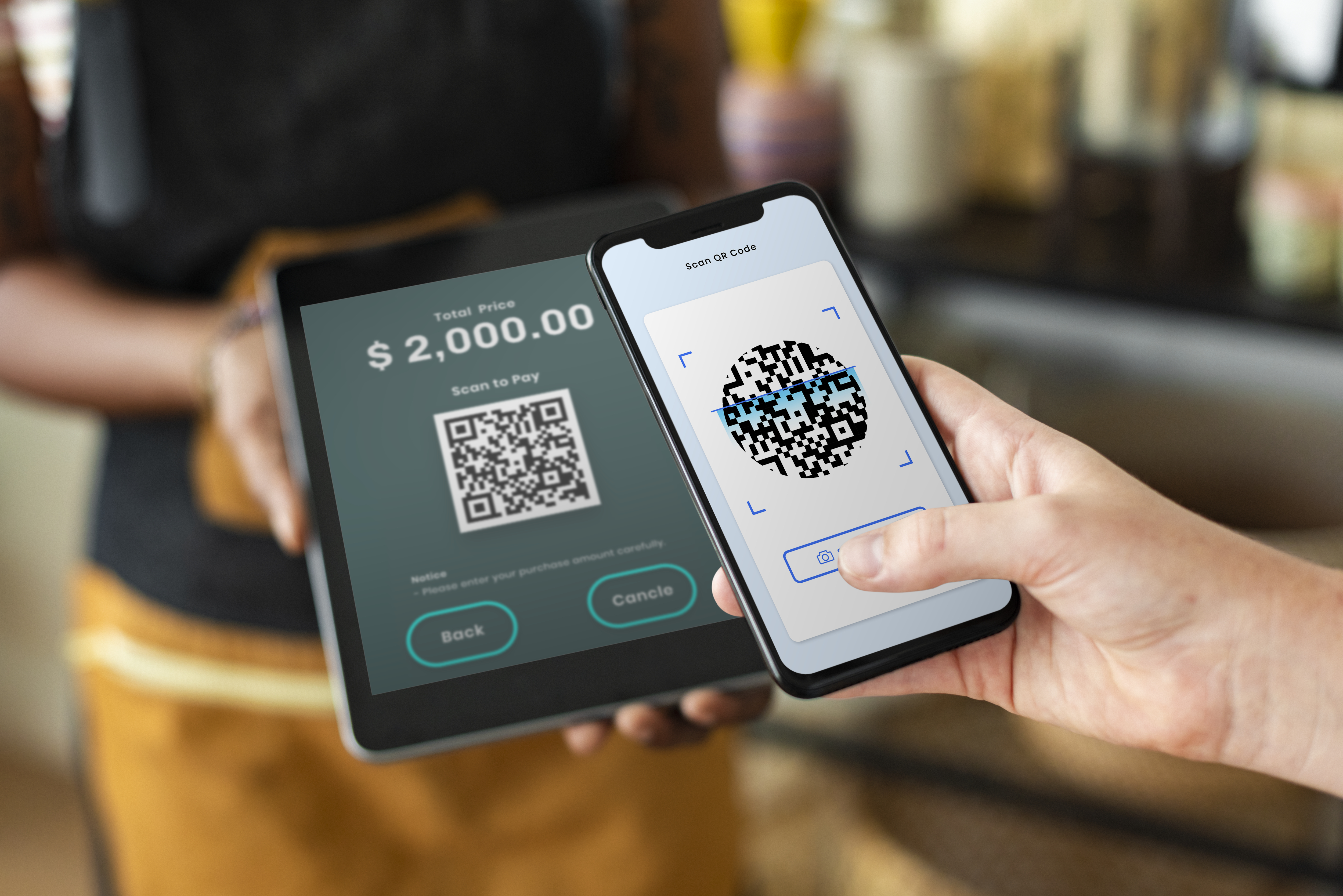
The FBI has issued a public warning about a rising scam involving QR codes placed on packages delivered to people who never ordered them.
According to the agency, these codes can lead recipients to malicious websites or prompt them to install harmful software, potentially exposing sensitive personal and financial data.
The scheme is a variation of the so-called brushing scam, in which online sellers send unordered items and use recipients’ names to post fake product reviews. In the new version, QR codes are added to the packaging, increasing the risk of fraud by directing users to deceptive websites.
While not as widespread as other fraud attempts, the FBI urges caution. The agency recommends avoiding QR codes from unknown sources, especially those attached to unrequested deliveries.
It also advised consumers to pay close attention to the web address that appears before tapping on any QR code link.
Authorities have noted broader misuse of QR codes, including cases where criminals place fake codes over legitimate ones in public spaces.
In one recent incident, scammers used QR stickers on parking meters in New York to redirect people to third-party payment pages requesting card details.
Would you like to learn more aboutAI, tech and digital diplomacy? If so, ask our Diplo chatbot!
Mark Zuckerberg is boldly pushing to replace the smartphone with smartglasses powered by superintelligent AI. The Meta CEO described a future where wearable devices replace phones, using sight and sound to assist users throughout the day.
Meta is heavily investing, offering up to $100 million to attract top AI talent. Zuckerberg’s idea of ‘personal superintelligence’ merges AI and hardware to offer personalised help and build an Apple-style ecosystem under Meta’s control.
The company’s smartglasses already feature cameras, microphones and speakers, and future models could include built-in screens and AI-generated interfaces.
Other major players are also chasing the next computing shift. Amazon is acquiring a startup that builds AI wearables, while OpenAI’s Sam Altman and former Apple designer Jony Ive are working on a new physical AI device.
These efforts all point to a changing landscape in which mobile screens might no longer dominate.
Apple CEO Tim Cook responded by defending the iPhone’s central role in modern life, though he acknowledged complementary technologies may emerge. While Apple remains dominant, Meta’s advances signal that the competition to define the next computing platform is wide open.
Would you like to learn more about AI, tech and digital diplomacy? If so, ask our Diplo chatbot!
UK Justice Secretary Shabana Mahmood has rolled out an AI-driven violence prediction tool across prisons and probation services. One system evaluates inmates’ profiles, factoring in age, past behaviour, and gang ties, to flag those likely to become violent. Matching prisoners to tighter supervision or relocation aims to reduce attacks on staff and fellow inmates.
Another feature actively scans content from seized mobile phones. AI algorithms sift through over 33,000 devices and 8.6 million messages, detecting coded language tied to contraband, violence, or escape plans. When suspicious content is flagged, staff receive alerts for preventive action.
Rising prison violence and self-harm underscore the urgency of such interventions. Assaults on staff recently reached over 10,500 a year, the highest on record, while self-harm incidents reached nearly 78,000. Overcrowding and drug infiltration have intensified operational challenges.
Analysts compare the approach to ‘pre‑crime’ models, drawing parallels with sci-fi narratives, raising concerns around civil liberties. Without robust governance, predictive tools may replicate biases or punish potential rather than actual behaviour. Transparency, independent audit, and appeals processes are essential to uphold inmate rights.
Would you like to learn more about AI, tech and digital diplomacy? If so, ask our Diplo chatbot!
Long-standing dominance over Android app distribution has been declared illegal by the Ninth Circuit Court of Appeals, reinforcing a prior jury verdict in favour of Epic Games. Google now faces an injunction that compels it to allow rival app stores and alternative billing systems inside the Google Play Store ecosystem for a three-year period ending November 2027.
A technical committee jointly selected by Epic and Google will oversee sensitive implementation tasks, including granting competitors approved access to Google’s expansive app catalogue while ensuring minimal security risk. The order also requires that developers not be tied to Google’s billing system for in-app purchases.
Market analysts warn that reduced dependency on Play Store exclusivity and the option to use alternative payment processors could cut Google’s app revenue by as much as $1 to $1.5 billion annually. Despite brand recognition, developers and consumers may shift toward lower-cost alternatives competing on platform flexibility.
While the ruling aims to restore competition, Google maintains it is appealing and has requested additional delays to avoid rapid structural changes. Proponents, including Microsoft, regulators, and Epic Games, hail the decision as a landmark step toward fairer mobile market access.
Would you like to learn more about AI, tech and digital diplomacy? If so, ask our Diplo chatbot!
Microsoft Research released a comprehensive AI impact assessment, ranking 80 occupations by exposure to generative AI tools such as Copilot and ChatGPT. Roles heavily involved in language, writing, client communication, and routine digital tasks showed the highest AI overlap. Notable examples include translators, historians, customer service agents, political scientists, and data scientists.
By contrast, jobs requiring hands-on work, empathy, real-time physical or emotional engagement, such as nurses, phlebotomists, construction trades, embalmers, and housekeeping staff, were classified as low risk under current AI capabilities. Experts suggest that these kinds of positions remain essential because they involve physical presence, human interaction, and complex real-time decision making.
Although certain professions scored high for AI exposure, Microsoft and independent analysts emphasise that most jobs won’t disappear entirely. Instead, generative AI tools are expected to augment workflows, creating hybrid roles where human judgement and oversight remain critical, especially in sectors such as financial services, healthcare, and creative industries.
Would you like to learn more about AI, tech and digital diplomacy? If so, ask our Diplo chatbot!
The US Securities and Exchange Commission has introduced ‘Project Crypto,’ a Commission-wide effort to update securities regulations and establish America as the world’s leading crypto market.
The announcement was made by SEC Chair Paul Atkins at the America First Policy Institute in Washington D.C. on 31 July. Atkins highlighted the rapid evolution of financial markets and stressed the need for the US to take a proactive role in the crypto revolution.
Project Crypto builds on recommendations from the President’s Working Group on Digital Asset Markets, focusing on clear rules for crypto custody, trading, and distribution.
The initiative marks a significant change in SEC policy, moving away from the strict enforcement tactics of the previous administration under Gary Gensler. Recent months saw the SEC drop lawsuits and ease probes, signalling support for innovation and urging crypto firms back to the US.
Would you like to learn more about AI, tech and digital diplomacy? If so, ask our Diplo chatbot!
TON, the blockchain natively embedded in Telegram’s app, is emerging as the most practical path to mainstream crypto adoption. With over 900 million users on Telegram and more than 150 million TON accounts created, the platform is delivering Web3 features through a familiar, app-like experience.
Unlike Ethereum or Solana, which require external wallets and technical knowledge, TON integrates features like tipping, staking, and gaming directly into Telegram. Mini apps like Notcoin and Catizen let users access blockchain without dealing with wallets or gas fees.
TON currently processes around 2 million daily transactions and may reach over 10 million daily users by 2027. Growing user fatigue with complex blockchain makes TON’s simple, mobile-first design ready to lead the next adoption wave.
Would you like to learn more about AI, tech and digital diplomacy? If so, ask our Diplo chatbot!
July witnessed a significant surge in cybersecurity mergers and acquisitions (M&A), spearheaded by Palo Alto Networks’ announcement of its definitive agreement to acquire identity security firm CyberArk for an estimated $25 billion.
The transaction, set to be the second-largest cybersecurity acquisition on record, signals Palo Alto’s strategic entry into identity security.
Beyond this significant deal, Palo Alto Networks also completed its purchase of AI security specialist Protect AI. The month saw widespread activity across the sector, including LevelBlue’s acquisition of Trustwave to create the industry’s largest pureplay managed security services provider.
Zurich Insurance Group, Signicat, Limerston Capital, Darktrace, Orange Cyberdefense, SecurityBridge, Commvault, and Axonius all announced or finalised strategic cybersecurity acquisitions.
The deals highlight a strong market focus on AI security, identity management, and expanding service capabilities across various regions.
Would you like to learn more about AI, tech and digital diplomacy? If so, ask our Diplo chatbot!
Amazon is exploring ways to insert ads into conversations with its AI assistant Alexa+, according to CEO Andy Jassy. Speaking during the company’s latest earnings call, he described the feature as a potential tool for product discovery and future revenue.
Alexa+ is Amazon’s upgraded digital assistant designed to support more natural, multi-step conversations using generative AI. It is already available to millions of users through Prime subscriptions or as a standalone service.
Jassy said longer interactions open the door for embedded advertising, although the approach has not yet been fully developed. Industry observers see this as part of a wider trend, with companies like Google and OpenAI also weighing ad-based business models.
Alexa+ has received mixed reviews so far, with delays in feature delivery and technical challenges like hallucinations raising concerns. Privacy advocates have warned that ad targeting within personal conversations may worry users, given the data involved.
Would you like to learn more about AI, tech and digital diplomacy? If so, ask our Diplo chatbot!