Doctors, researchers and technology leaders will work together to accelerate the safe adoption of AI in the NHS, under a new commission launched by the Medicines and Healthcare products Regulatory Agency (MHRA).
The body will draft recommendations to modernise healthcare regulation, ensuring patients gain faster access to innovations while maintaining safety and public trust.
MHRA stressed that clear rules are vital as AI spreads across healthcare, already helping to diagnose conditions such as lung cancer and strokes in hospitals across the UK.
Backed by ministers, the initiative aims to position Britain as a global hub for health tech investment. Companies including Google and Microsoft will join clinicians, academics, and patient advocates to advise on the framework, expected to be published next year.
A commission that will also review the regulatory barriers slowing adoption of tools such as AI-driven note-taking systems, which early trials suggest can significantly boost efficiency in clinical care.
Officials say the framework will provide much-needed clarity for AI in radiology, pathology, and virtual care, supporting the digital transformation of NHS.
MHRA chief executive Lawrence Tallon called the commission a ‘cultural shift’ in regulation. At the same time, Technology Secretary Liz Kendall said it will ensure patients benefit from life-saving technologies ‘quickly and safely’.
Would you like to learn more aboutAI, tech and digital diplomacy? If so, ask our Diplo chatbot!
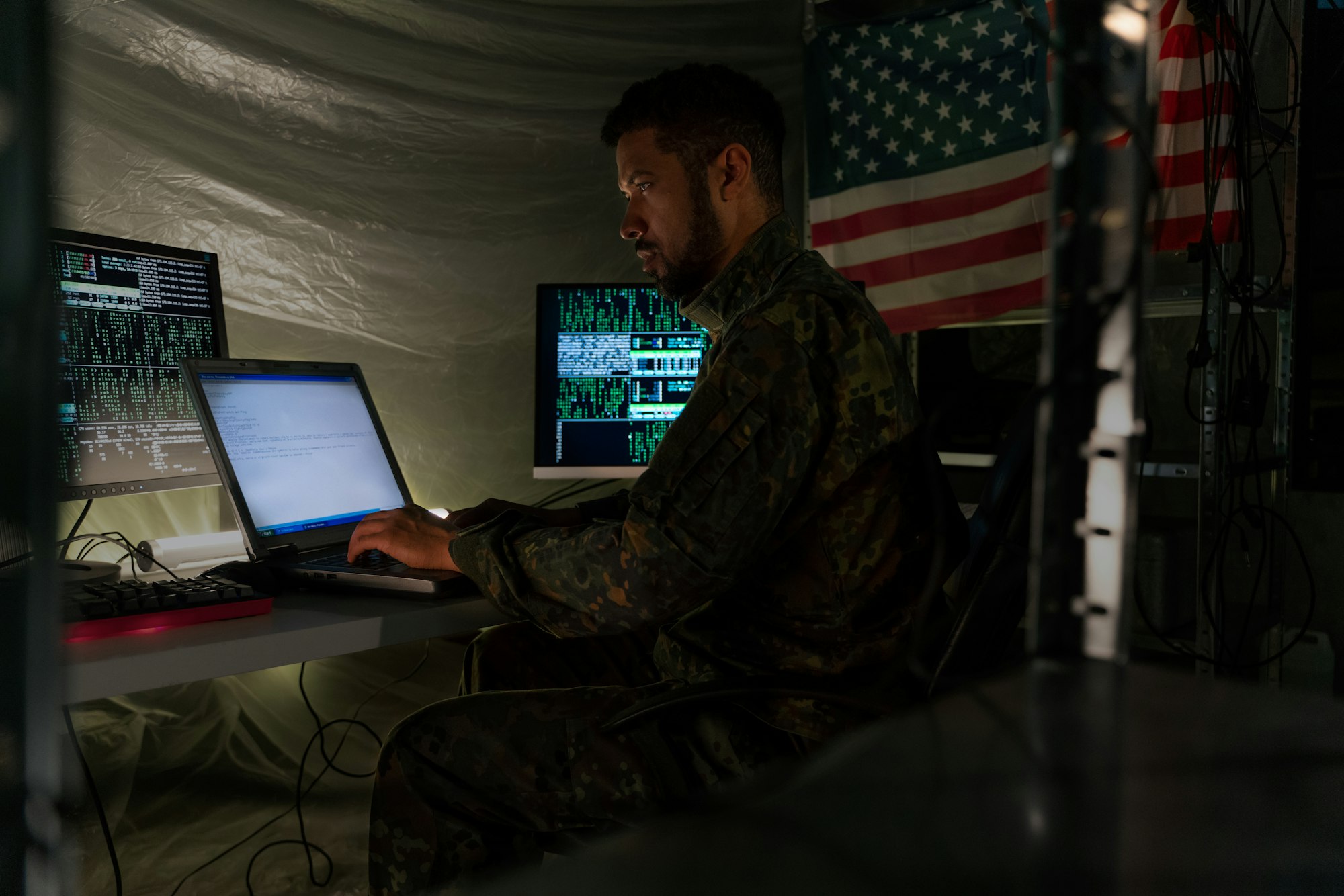
The US Department of War has unveiled a new Cybersecurity Risk Management Construct (CSRMC), a framework designed to deliver real-time cyber defence and strengthen the military’s digital resilience.
A model that replaces outdated checklist-driven processes with automated, continuously monitored systems capable of adapting to rapidly evolving threats.
The CSRMC shifts from static, compliance-heavy assessments to dynamic and operationally relevant defence. Its five-phase lifecycle embeds cybersecurity into system design, testing, deployment, and operations, ensuring digital systems remain hardened and actively defended throughout use.
Continuous monitoring and automated authorisation replace periodic reviews, giving commanders real-time visibility of risks.
Built on ten core principles, including automation, DevSecOps, cyber survivability, and threat-informed testing, the framework represents a cultural change in military cybersecurity.
It seeks to cut duplication through enterprise services, accelerate secure capability delivery, and enable defence systems to survive in contested environments.
According to acting CIO Kattie Arrington, the construct is intended to institutionalise resilience across all domains, from land and sea to space and cyberspace. The goal is to provide US forces with the technological edge to counter increasingly sophisticated adversaries.
Would you like to learn more aboutAI, tech and digital diplomacy? If so, ask our Diplo chatbot!
The UK’s ministers are considering an unprecedented intervention after a cyberattack forced Jaguar Land Rover to halt production, leaving thousands of suppliers exposed to collapse.
A late August hack shut down JLR’s IT networks and forced the suspension of its UK factories. Industry experts estimate losses of more than £50m a week, with full operations unlikely to restart until October or later.
JLR, owned by India’s Tata Motors, had not finalised cyber insurance before the breach, which left it particularly vulnerable.
Officials are weighing whether to buy and stockpile car parts from smaller firms that depend on JLR, though logistical difficulties make the plan complex. Government-backed loans are also under discussion.
Cybersecurity agencies, including the National Cyber Security Centre and the National Crime Agency, are now supporting the investigation.
The attack is part of a wider pattern of major breaches targeting UK institutions and retailers, with a group calling itself Scattered Lapsus$ Hunters claiming responsibility.
A growing threat that highlights how the country’s critical industries remain exposed to sophisticated cybercriminals, raising questions about resilience and the need for stronger digital defences.
Would you like to learn more aboutAI, tech and digital diplomacy? If so, ask our Diplo chatbot!
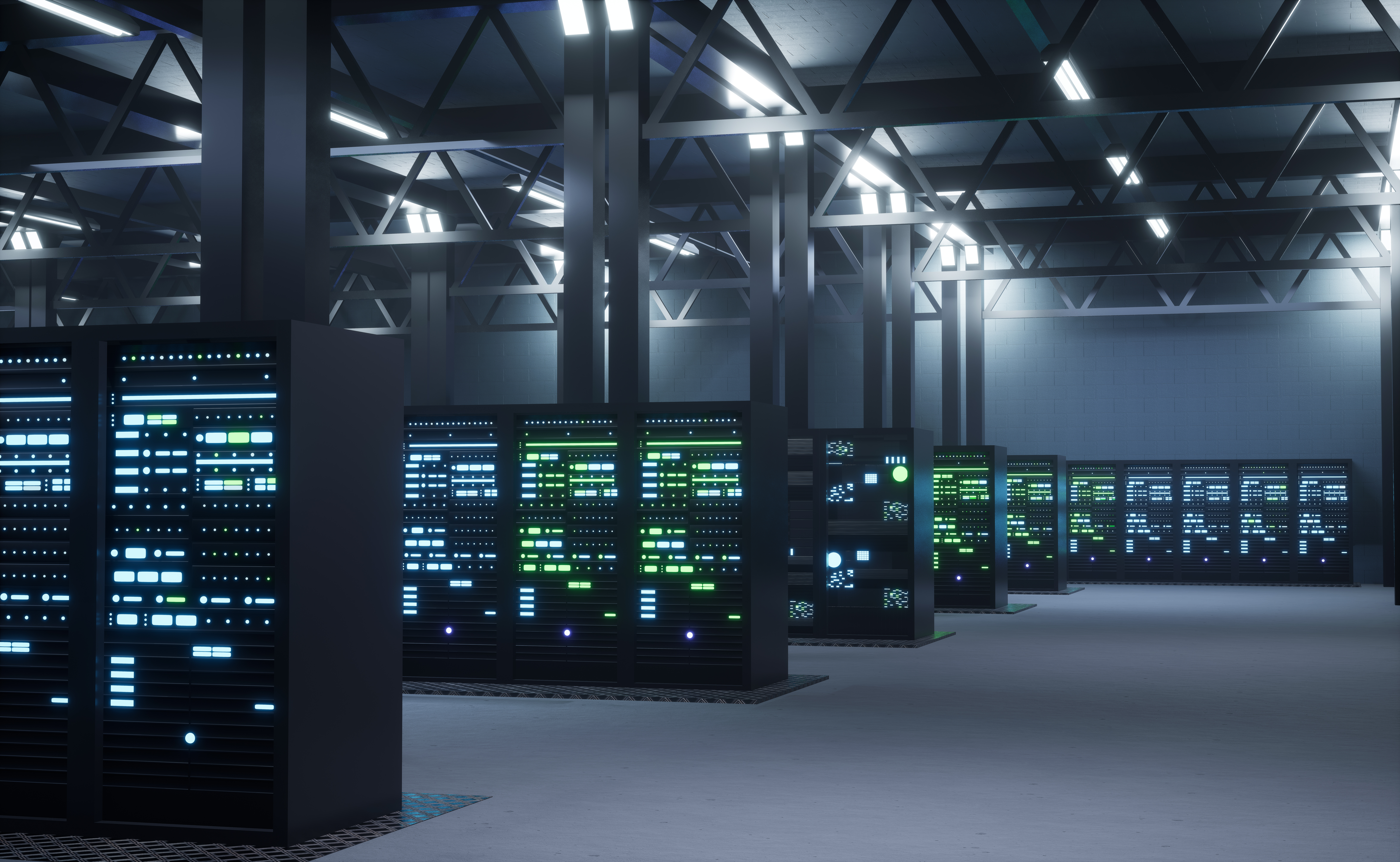
OpenAI, Oracle, and SoftBank are expanding their Stargate AI infrastructure with five new US data centre sites. The addition brings nearly 7 gigawatts of capacity and $400 billion in investment, putting the partners on track to meet the $500 billion, 10-gigawatt commitment by 2025.
Three of the new sites- located in Shackelford County, Texas; Doña Ana County, New Mexico; and a forthcoming Midwest location, are expected to deliver over 5.5 gigawatts of capacity. These developments are expected to create over 25,000 onsite jobs and tens of thousands more nationwide.
A potential 600-megawatt expansion near the flagship site in Abilene, Texas, is also under consideration.
The remaining two sites, in Lordstown, Ohio, and Milam County, Texas, will scale to 1.5 gigawatts over 18 months. SoftBank and SB Energy are providing advanced design and infrastructure to enable faster, more scalable, and cost-efficient AI compute.
The new sites follow a rigorous nationwide selection process involving over 300 proposals from more than 30 states. Early workloads at the Abilene flagship site are already advancing next-generation AI research, supported by Oracle Cloud Infrastructure and NVIDIA GB200 racks.
The expansion underscores the partners’ commitment to building the physical infrastructure necessary for AI breakthroughs and long-term US leadership in AI.
Would you like to learn more about AI, tech and digital diplomacy? If so, ask our Diplo chatbot!
The US Cybersecurity and Infrastructure Security Agency (CISA) has published lessons from its response to a federal agency breach.
Hackers exploited an unpatched vulnerability in GeoServer software, gaining access to multiple systems. CISA noted that the flaw had been disclosed weeks earlier and added to its Known Exploited Vulnerabilities catalogue, but the agency had not patched it in time.
Investigators also found that incident response plans were outdated and had not been tested. The lack of clear procedures delayed third-party support and restricted access to vital security tools during the investigation.
CISA added that endpoint detection alerts were not continuously reviewed and some US public-facing systems had no protection, leaving attackers free to install web shells and move laterally through the network.
The agency urged all organisations to prioritise patching, maintain and rehearse incident response plans, and ensure comprehensive logging to strengthen resilience against future cybersecurity attacks.
Would you like to learn more about AI, tech and digital diplomacy? If so, ask our Diplo chatbot!
Avocado Consulting urges Australian organisations to boost software supply chain security after a high-alert warning from the Australian Cyber Security Centre (ACSC). The alert flagged threats, including social engineering, stolen tokens, and manipulated software packages.
Dennis Baltazar of Avocado Consulting said attackers combine social engineering with living-off-the-land techniques, making attacks appear routine. He warned that secrets left across systems can turn small slips into major breaches.
Baltazar advised immediate audits to find unmanaged privileged accounts and non-human identities. He urged embedding security into workflows by using short-lived credentials, policy-as-code, and default secret detection to reduce incidents and increase development speed for users in Australia.
Avocado Consulting advises organisations to eliminate secrets from code and pipelines, rotate tokens frequently, and validate every software dependency by default using version pinning, integrity checks, and provenance verification. Monitoring CI/CD activity for anomalies can also help detect attacks early.
Failing to act could expose cryptographic keys, facilitate privilege escalation, and result in reputational and operational damage. Avocado Consulting states that secure development practices must become the default, with automated scanning and push protection integrated into the software development lifecycle.
Would you like to learn more about AI, tech and digital diplomacy? If so, ask our Diplo chatbot!
A 40-year-old man has been arrested in West Sussex in connection with a cyberattack that caused major disruption across several European airports, including London’s Heathrow. The arrest was confirmed by the UK’s National Crime Agency (NCA), which is leading the investigation.
The incident targeted Collins Aerospace, a key provider of airline baggage and check-in software. The attack triggered system failures that forced staff at multiple airports to revert to manual check-in processes, resulting in hundreds of flight delays and frustration for passengers.
The NCA described the case as being in its early stages, with inquiries ongoing into the scale of the attack and the suspect’s potential role. Authorities have not yet confirmed whether others may be involved or what the broader motives behind the cyber-attack were.
Would you like to learn more aboutAI, tech and digital diplomacy? If so, ask our Diplo chatbot!
Officials want to know how these companies detect fraudulent content and what safeguards they use to prevent scams. For app stores, the focus is on fake financial applications imitating legitimate banking or trading services.
For Booking.com, attention is paid to fraudulent accommodation listings, while Bing and Google Search face scrutiny over links and ads, leading to scam websites.
The Commission asked platforms how they verify business identities under ‘Know Your Business Customer’ rules to prevent harm from suspicious actors. Companies must also share details of their ad repositories, enabling regulators and researchers to spot fraudulent ads and patterns.
By taking these steps, the Commission aims to ensure that actions under the DSA complement broader consumer protection measures already in force across the European Union.
Would you like to learn more about AI, tech and digital diplomacy? If so, ask our Diplo chatbot!
A collaboration between OpenAI, Oracle, and SoftBank has announced five new data centres under the Stargate initiative, a $500 billion plan to expand US AI computing infrastructure.
The latest sites bring total planned capacity to nearly 7 gigawatts, with over $400 billion already committed, putting the project ahead of schedule to meet its 2025 target of 10 gigawatts.
Oracle will lead three projects in Texas, New Mexico and the Midwest, adding over 5.5 gigawatts of capacity and creating more than 25,000 jobs.
SoftBank will develop facilities in Ohio and Texas, expected to scale to 1.5 gigawatts within 18 months. SB Energy, its affiliate, will provide rapid-build infrastructure for the Texas site.
The companies described the expansion as a step toward faster deployment and greater cost efficiency, making high-performance computing more widely accessible.
Site selection followed a nationwide review of more than 300 proposals, with further projects under evaluation, suggesting investment could surpass the original commitment.
OpenAI CEO Sam Altman stressed that compute power is key to unlocking AI’s promise, while Oracle and SoftBank leaders highlighted scalable infrastructure and energy expertise as central to the initiative. With Stargate, the partners aim to anchor the next wave of AI innovation on US soil.
Would you like to learn more aboutAI, tech and digital diplomacy? If so, ask our Diplo chatbot!
Meta will provide its Llama AI model to key European institutions, NATO, and several allied countries as part of efforts to strengthen national security capabilities.
The company confirmed that France, Germany, Italy, Japan, South Korea, and the EU will gain access to the open-source model. US defence and security agencies and partners in Australia, Canada, New Zealand, and the UK already use Llama.
Meta stated that the aim is to ensure democratic allies have the most advanced AI tools for decision-making, mission planning, and operational efficiency.
Although its terms bar use for direct military or espionage applications, the company emphasised that supporting allied defence strategies is in the interest of nations.
The move highlights the strategic importance of AI models in global security. Meta has positioned Llama as a counterweight to other countries’ developments, after allegations that researchers adapted earlier versions of the model for military purposes.
Would you like to learn more aboutAI, tech and digital diplomacy? If so, ask our Diplo chatbot!