Taiwan-based electronics manufacturer ASUS has announced that it will not launch new smartphones in 2026, signalling a central strategic pivot away from mobile devices and toward artificial intelligence-driven products and robotics.
Chairman Jonney Shih confirmed at a company event that ASUS will redirect research and development resources previously earmarked for phones into AI hardware such as robotics, AI glasses and commercial PCs.
The move comes amid a hyper-competitive global smartphone market and supply-chain pressures, such as rising memory costs, that make handset manufacturing less attractive than high-growth AI sectors.
ASUS will continue to support existing smartphone users with warranty and software updates, but does not plan to introduce new phone models in the foreseeable future.
Industry observers say this shift reflects broader trends in consumer electronics, where traditional phone makers are seeking growth by leveraging AI innovation and emerging device categories.
Would you like to learn more about AI, tech and digital diplomacy? If so, ask our Diplo chatbot!
India’s first AI-generated travel influencer, Radhika Subramaniam, has begun attracting sustained audience engagement since her launch in mid-2025, signalling growing acceptance of virtual creators in travel content.
Developed by Collective Artists Network, a talent management company based in India, Radhika initially drew attention through curiosity, but followers increasingly interacted with her posts in ways similar to those of human influencers, according to the company’s leadership.
Industry observers say AI travel influencers offer brands greater efficiency, lower production costs, and more control over storytelling, as virtual creators can be deployed without logistical constraints.
Some creators remain sceptical about whether artificial personas can replicate the emotional authenticity and sensory experiences that shape real-world travel storytelling.
Marketing specialists expect AI and human influencers to coexist, with virtual avatars serving as consistent brand voices while human creators retain value through spontaneity, trust, and personal perspective.
Would you like to learn more about AI, tech, and digital diplomacy? If so, ask our Diplo chatbot!
UK regulators and the Treasury face MP criticism over their approach to AI, amid warnings of risks to consumers and financial stability. A new Treasury Select Committee report says authorities have been overly cautious as AI use rapidly expands across financial services.
More than 75% of UK financial firms are already using AI, according to evidence reviewed by the committee, with insurers and international banks leading uptake.
Applications range from automating back-office tasks to core functions such as credit assessments and insurance claims, increasing AI’s systemic importance within the sector.
MPs acknowledge AI’s benefits but warn that readiness for large-scale failures remains insufficient. The committee urges the Bank of England and the FCA to introduce AI-specific stress tests to gauge resilience to AI-driven market shocks.
Further recommendations include more explicit regulatory guidance on AI accountability and faster use of the Critical Third Parties Regime. No AI or cloud providers have been designated as critical, prompting calls for stronger oversight to limit operational and systemic risk.
Would you like to learn more about AI, tech and digital diplomacy? If so, ask our Diplo chatbot!
Apple has issued a renewed warning to iPhone users, urging them to install the latest version of iOS to avoid exposure to emerging spyware threats targeting older versions.
Devices running iOS 26 are no longer fully protected by remaining on version 18, even after updating to the latest patch. Apple has indicated that recent attacks exploit vulnerabilities that only the newest operating system can address.
Security agencies in France and the United States recommend regularly powering down smartphones to disrupt certain forms of non-persistent spyware that operate in memory.
A complete shutdown using physical buttons, rather than on-screen controls, is advised as part of a basic security routine, particularly for users who delay major software upgrades.
While restarting alone cannot replace software updates, experts stress that keeping iOS up to date remains the most effective defence against zero-click exploits delivered through everyday apps such as iMessage.
Would you like to learn more about AI, tech, and digital diplomacy? If so, ask our Diplo chatbot!
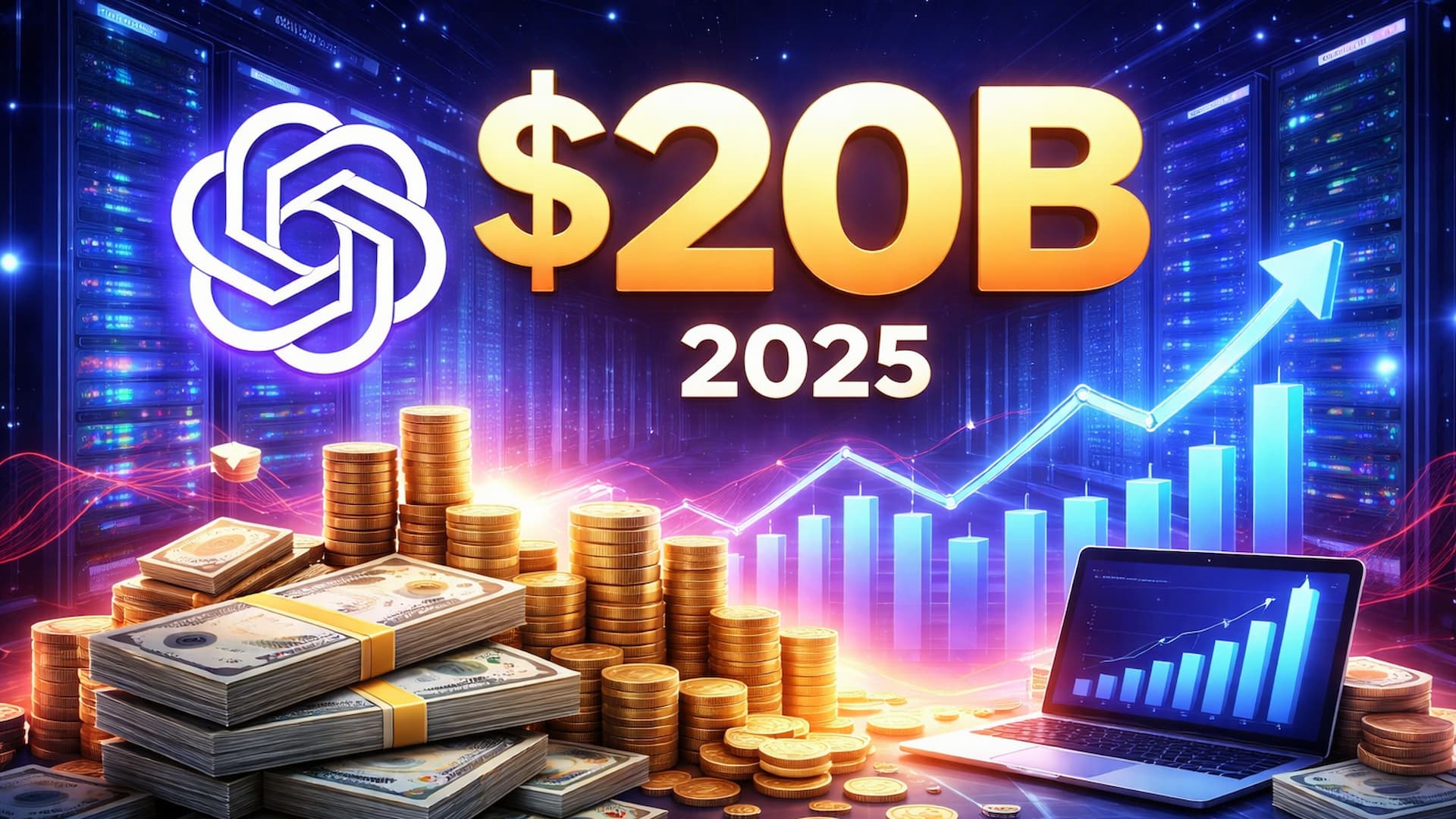
OpenAI’s annualised revenue has surpassed $20 billion in 2025, up from $6 billion a year earlier. The company’s computing capacity and user numbers have also continued to grow.
The company recently confirmed it will begin showing advertisements in ChatGPT to some users in the United States. The move is part of a broader effort to generate additional revenue to cover the high costs of developing and running advanced AI systems.
OpenAI’s platform now spans text, images, voice, code, and application programming interfaces. CFO Sarah Friar said the next phase of development will focus on agents and workflow automation that can operate continuously, retain context over time, and take action across multiple tools.
Looking ahead to 2026, the company plans to prioritise what it calls ‘practical adoption’, with a particular emphasis on health, science, and enterprise use cases. The aim is to move beyond experimentation and embed AI more deeply into real-world applications.
Friar also said OpenAI intends to maintain a ‘light’ balance sheet by partnering with external providers rather than owning infrastructure outright. Contracts will remain flexible across hardware types and suppliers as the company continues to scale its operations.
Would you like to learn more about AI, tech, and digital diplomacy? If so, ask our Diplo chatbot!
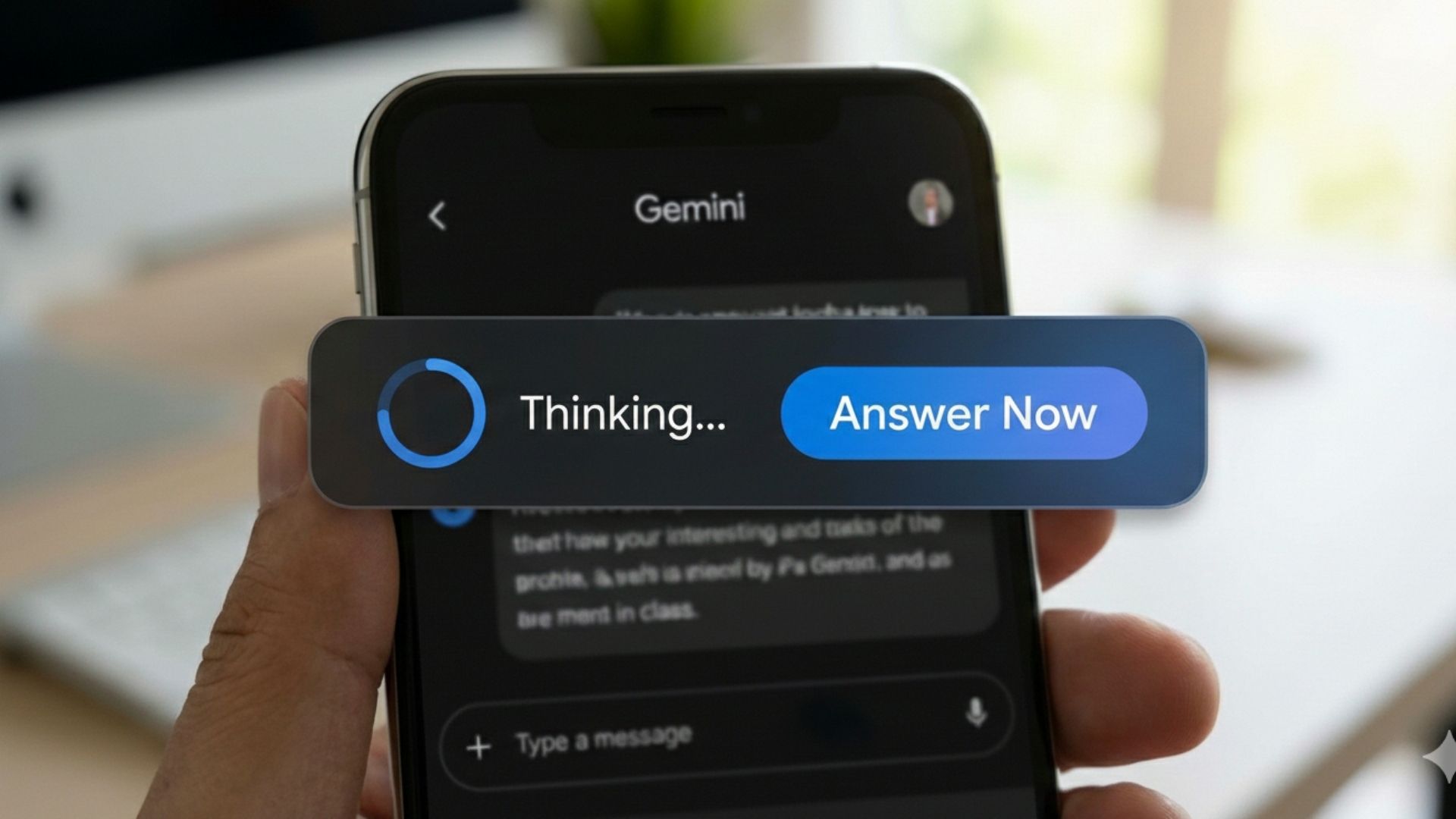
A new ‘Answer Now’ button has been added to Gemini, allowing users to skip extended reasoning and receive instant replies. The feature appears alongside the spinning status indicator in Gemini 3 Pro and Thinking/Flash, but is not available in the Fast model.
When selected, the button confirms that Gemini is ‘skipping in-depth thinking’ before delivering a quicker response. Google says the tool is designed for general questions where speed is prioritised over detailed analysis.
The update coincides with changes to usage limits across subscription plans. AI Pro users now receive 300 Thinking prompts and 100 Pro prompts per day, while AI Ultra users get 1,500 Thinking prompts and 500 Pro prompts daily.
Free users also gain access to the revised limits, listed as ‘Basic access’ for both the Thinking and Pro models. Google has not indicated whether the Fast model will receive the Answer Now feature.
The rollout follows the recent launch of Gemini’s Personal Intelligence feature, which allows the chatbot to draw on Google services such as Gmail and Search history. Google says Answer Now will replace the existing Skip button and is now available on Android, iOS, and the web.
Would you like to learn more about AI, tech, and digital diplomacy? If so, ask our Diplo chatbot!
Researchers at Yale University have developed an AI platform that accelerates chemical discovery by turning scientific knowledge into practical laboratory guidance. The system, known as MOSAIC, generates detailed experimental procedures across chemistry, including drug design and materials science.
MOSAIC differs from existing AI chemistry tools by combining thousands of specialised AI ‘experts,’ each representing a distinct area of chemical knowledge.
Instead of a single model, the platform draws on diverse reaction expertise to guide complex syntheses, including the synthesis of previously unreported compounds.
Early results suggest the approach significantly improves experimental outcomes. Using MOSAIC, researchers successfully synthesised more than 35 new compounds, spanning pharmaceuticals, catalysts, advanced materials, and other chemical domains.
The system also provides uncertainty estimates, helping scientists prioritise experiments most likely to succeed.
Designed as an open-source framework, MOSAIC aims to move AI beyond prediction and into hands-on laboratory support. Developers say the platform could cut research bottlenecks, improve reproducibility, and widen access to advanced chemical synthesis.
Would you like to learn more about AI, tech and digital diplomacy? If so, ask our Diplo chatbot!
South Korea has narrowed its race to develop a sovereign AI model, eliminating Naver and NCSoft from the government-backed competition. LG AI Research, SK Telecom, and Upstage now advance toward final selection by 2027.
The Ministry of Science and ICT emphasised that independent AI must be trained from scratch with initialised weights. Models reusing pre-trained results, even open source, do not meet this standard.
A wild-card round allows previously eliminated teams to re-enter the competition. Despite this option, major companies have declined, citing unclear benefits and high resource demands.
Industry observers warn that reduced participation could slow momentum for South Korea’s AI ambitions. The outcome is expected to shape the country’s approach to homegrown AI and technological independence.
Would you like to learn more about AI, tech, and digital diplomacy? If so, ask our Diplo chatbot!
Global leaders at the World Economic Forum 2026 are emphasising how AI can strengthen, rather than diminish, human work. Discussions are centred on workforce resilience as economies adapt to rapid technological and structural change.
AI is increasingly taking on routine tasks while providing clearer insights, allowing employees to focus on creativity, judgement, and higher-value activities.
Rather than replacing workers, intelligent tools are reshaping job design, career paths, and leadership expectations, particularly as labour shortages intensify across many developed economies.
Attention is also turning to leadership in an AI-driven workplace. Executives are expected to anticipate risks, spot emerging patterns, and guide teams through change, supported by AI systems that offer earlier and more accurate insights.
Clear communication, upskilling, and trust-building have emerged as core priorities for successful adoption.
Human oversight remains vital as AI enters HR and payroll systems, where errors carry regulatory and reputational risks. Speakers stressed that involving employees directly in AI design improves trust, reduces risk, and ensures intelligent systems address real operational challenges.
Diplo is live reporting on all sessions from the World Economic Forum 2026 in Davos.
Would you like to learn more about AI, tech and digital diplomacy? If so, ask our Diplo chatbot!
The message was delivered at the Adopt AI Summit in Paris, where sustainability and ethics featured prominently in discussions on future AI development.
At a Grand Palais panel, policymakers, industry leaders, and UN officials examined AI’s growing energy, water, and computing demands. The discussion focused on balancing AI’s climate applications with the need to reduce its environmental footprint.
Public sector representatives highlighted policy tools such as funding priorities and procurement rules to encourage more resource-efficient AI.
UNESCO officials stressed that energy-efficient AI must remain accessible to lower-income regions, mainly for water management and climate resilience.
Industry voices highlighted practical steps to improve AI efficiency while supporting internal sustainability goals. Participants agreed that coordinated action among governments, businesses, international organisations, and academia is essential for meaningful environmental impact.
Would you like to learn more about AI, tech and digital diplomacy? If so, ask our Diplo chatbot!