
Google Doppl, the new AI app, turns outfit photos into try-on videos

Google has unveiled Doppl, a new AI-powered app that lets users create short videos of themselves wearing any outfit they choose.

Instead of relying on imagination or guesswork, Doppl allows people to upload full-body photos and apply outfits seen on social media, thrift shops, or friends, creating animated try-ons that bring static images to life.

The app builds on Google’s earlier virtual try-on tools integrated with its Shopping Graph. Doppl pushes things further by transforming still photos into motion videos, showing how clothes flow and fit in movement.

Users can upload their full-body image or choose an AI model to preview outfits. However, Google warns that the fit and details might not always be accurate at an early stage.

Doppl is currently only available in the US for Android and iOS users aged 18 or older. While Google encourages sharing videos with friends and followers, the tool raises concerns about misuse, such as generating content using photos of others.

Google’s policy requires disclosure if someone impersonates another person, but the company admits that some abuse may occur. To address the issue, Doppl content will include invisible watermarks for tracking.

In its privacy notice, Google confirmed that user uploads and generated videos will be used to improve AI technologies and services. However, data will be anonymised and separated from user accounts before any human review is allowed.

Would you like to learn more about AI, tech and digital diplomacy? If so, ask our Diplo chatbot!

Dutch government to build AI plant with €70 million pledge

The Dutch government has pledged €70 million to build a new AI facility in Groningen to establish a European hub for AI research and development.

A consortium of Dutch organisations will manage the plant and focus on healthcare, agriculture, defence and energy applications.

The government is also seeking an additional €70 million in EU co-financing and has welcomed a separate €60 million contribution from the Groningen regional administration.

The plant is expected to be commissioned in 2026 and reach operation by early 2027 if funding is secured.

Minister of Economic Affairs Vincent Karremans emphasised the need to develop domestic AI capacity, warning that dependence on foreign technologies could threaten national competitiveness and digital independence.

‘Those who do not develop the technology themselves depend on others, ’ Karremans said on the government’s website.

European countries have grown increasingly concerned over their reliance on AI technologies developed by US companies.

The Groningen initiative marks a broader effort by the EU to build its own AI infrastructure instead of leaving strategic control in foreign hands.

Would you like to learn more about AI, tech and digital diplomacy? If so, ask our Diplo chatbot!
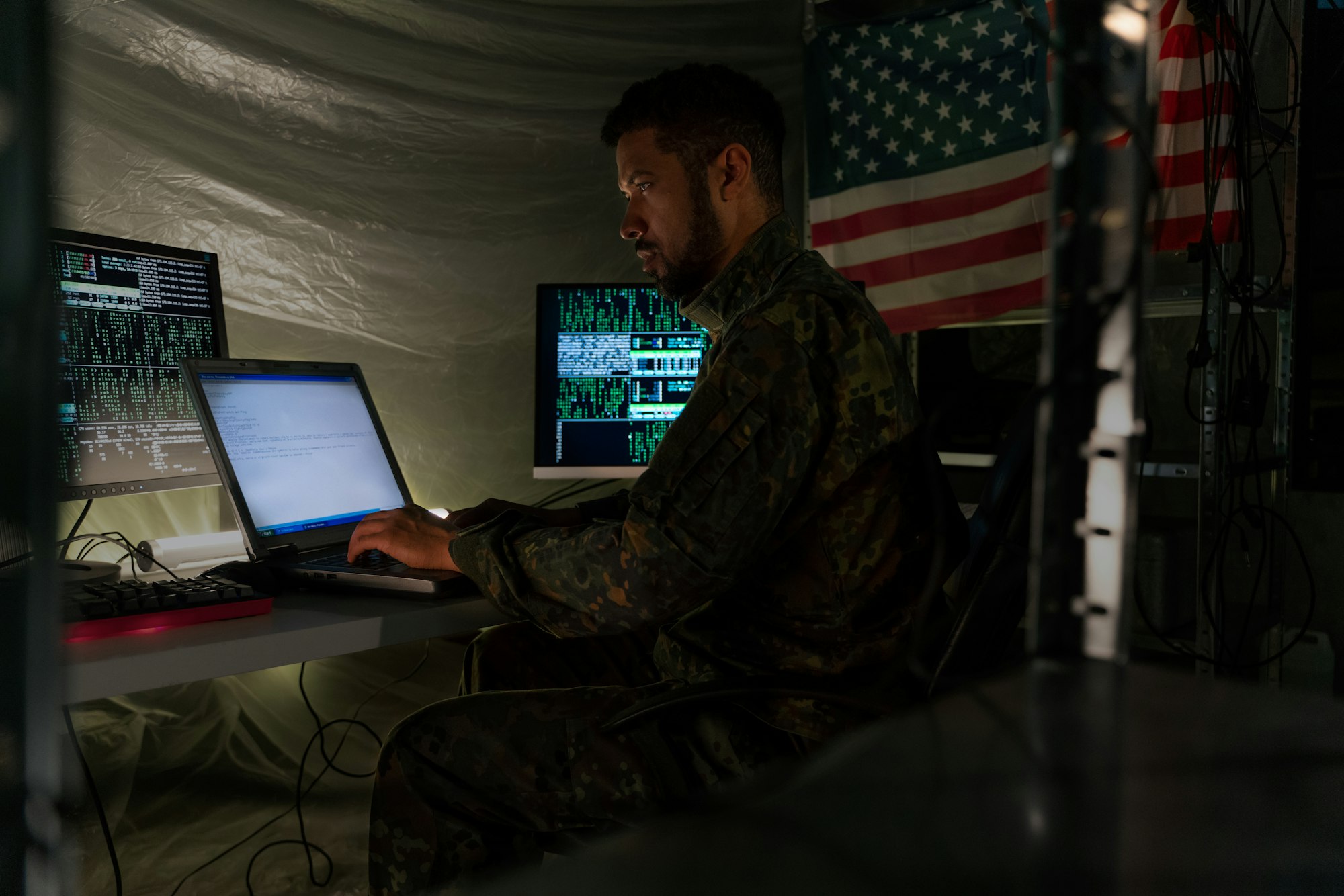
Gartner warns that more than 40 percent of agentic AI projects could be cancelled by 2027

More than 40% of agentic AI projects will likely be cancelled by the end of 2027 due to rising costs, limited business value, and poor risk control, according to research firm Gartner.

These cancellations are expected as many early-stage initiatives remain trapped in hype, often misapplied and far from ready for real-world deployment.

Gartner analyst Anushree Verma warned that most agentic AI efforts are still at the proof-of-concept stage. Instead of focusing on scalable production, many companies have been distracted by experimental use cases, underestimating the cost and complexity of full-scale implementation.

A recent poll by Gartner found that only 19% of organisations had made significant investments in agentic AI, while 31% were undecided or waiting.

Much of the current hype is fuelled by vendors engaging in ‘agent washing’ — marketing existing tools like chatbots or RPA under a new agentic label without offering true agentic capabilities.

Out of thousands of vendors, Gartner believes only around 130 offer legitimate agentic solutions. Verma noted that most agentic models today lack the intelligence to deliver strong returns or follow complex instructions independently.

Still, agentic AI holds long-term promise. Gartner expects 15% of daily workplace decisions to be handled autonomously by 2028, up from zero in 2024. Moreover, one-third of enterprise applications will include agentic capabilities by then.

However, to succeed, organisations must reimagine workflows from the ground up, focusing on enterprise-wide productivity instead of isolated task automation.

Would you like to learn more about AI, tech and digital diplomacy? If so, ask our Diplo chatbot!

Path forward for global digital cooperation debated at IGF 2025

At the 20th Internet Governance Forum (IGF) in Lillestrøm, Norway, policymakers, civil society, and digital stakeholders gathered to chart the future of global internet governance through the WSIS+20 review. With a high-level UN General Assembly meeting scheduled for December, co-facilitators from Kenya and Albania emphasised the need to update the World Summit on the Information Society (WSIS) framework while preserving its original, people-centred vision.

They underscored the importance of inclusive consultations, highlighting a new multistakeholder sounding board and upcoming joint sessions to enhance dialogue between governments and broader communities. The conversation revolved around the evolving digital landscape and how WSIS can adapt to emerging technologies like AI, data governance, and digital public infrastructure.

While some participants favoured WSIS as the primary global framework, others advocated for closer synergy with the Global Digital Compact (GDC), stressing the importance of coordination to avoid institutional duplication. Despite varied views, there was widespread consensus that the existing WSIS action lines, being technology-neutral, can remain relevant by accommodating new innovations.

Speakers from the government, private sector, and civil society reiterated the call to permanently secure the IGF’s mandate, praising its unique ability to foster open, inclusive dialogue without the pressure of binding negotiations. They pointed to IGF’s historical success in boosting internet connectivity and called for more tangible outputs to influence policymaking.

National-level participation, especially from developing countries, women, youth, and marginalised communities, was identified as crucial for meaningful engagement.

The session ended on a hopeful note, with participants expressing a shared commitment to a more inclusive and equitable digital future. As the December deadline looms, the global community faces the task of turning shared principles into concrete action, ensuring digital governance mechanisms remain cooperative, adaptable, and genuinely representative of all voices.

Track all key moments from the Internet Governance Forum 2025 on our dedicated IGF page.

Digital rights under threat: Global majority communities call for inclusive solutions at IGF 2025

At the Internet Governance Forum 2025 in Lillestrøm, Norway, a pivotal session hosted by Oxfam’s RECIPE Project shed light on the escalating digital rights challenges facing communities across the Global majority. Representatives from Vietnam, Bolivia, Cambodia, Somalia, and Palestine presented sobering findings based on research with over 1,000 respondents across nine countries.

Despite the diversity of regions, speakers echoed similar concerns: digital literacy is dangerously low, access to safe and inclusive online spaces remains unequal, and legal protections for digital rights are often absent or underdeveloped.

The human cost of digital inequality was made clear from Bolivia to Palestine. In Bolivia, over three-quarters of respondents had experienced digital security incidents, and many reported targeted violence linked to their roles as human rights defenders.

In Somalia, where internet penetration is high, only a fraction understands how to protect their personal data. Palestine, meanwhile, faces systematic digital discrimination, marked by unequal infrastructure access and advanced surveillance technologies used against its population, exacerbated by ongoing occupation and political instability.

Yet amidst these challenges, the forum underscored a strong sense of resilience and innovation. Civil society organisations from Cambodia and Bolivia showcased bottom-up approaches, such as peer-led digital security training and feminist digital safety networks, which help communities protect themselves and influence policy.

Vietnam emphasised the need for genuine participation in policymaking, rather than formalistic consultations, as a path to more equitable digital governance. The session concluded with a shared call to action: digital governance must prioritise human rights and meaningful participation from the ground up.

Speakers and audience members highlighted the urgent need for multistakeholder cooperation—spanning civil society, government, and the tech industry—to counter misinformation and protect freedom of expression, especially in the face of expanding surveillance and online harm. As one participant from Zambia noted, digital safety must not come at the expense of digital freedom; the two must evolve together.

Track all key moments from the Internet Governance Forum 2025 on our dedicated IGF page.

How can technical standards bridge or broaden the digital divide?

At the Internet Governance Forum 2025 in Lillestrøm, Norway, the Freedom Online Coalition convened a diverse panel to explore how technical standards shape global connectivity and inclusion. The session, moderated by Laura O’Brien, Senior International Counsel at Access Now, highlighted how open and interoperable standards can empower underserved communities.

Divine Agbeti, Director General of the Cybersecurity Authority of Ghana, shared how mobile money systems helped bring over 80% of Ghana’s adult population into the digital financial fold—an example of how shared standards translate into real-world impact, especially across Africa. However, the conversation quickly turned to the systemic barriers that exclude many from the standard-setting process itself.

ICANN’s At-Large Advisory Committee member emphasised challenges like high membership fees, lack of transparency, English-only proceedings, and complex technical jargon.

Stephanie Borg Psaila, Director of Digital Policy at Diplo, presented detailed research mapping these hurdles across bodies like ITU, ICANN, and IETF, and called for reforms such as multilingual interpretation, hybrid meeting formats, and adjusted membership models to enable broader civil society participation.

Stephanie Borg Psaila

Security and infrastructure governance also featured prominently. Rose Payne, Policy and Advocacy Lead at Global Partners Digital, spotlighted the role of technical standards in safeguarding subsea cables—which carry 95–99% of transnational data—but also pointed to the limitations of technical solutions when facing geopolitical threats.

She underscored the urgency of updating international legal frameworks like UNCLOS and fostering cooperation between governments, the private sector, and civil society. Alex Walden, Global Head of Human Rights at Google, also reaffirmed the private sector’s role in investing in global connectivity while advocating for human rights-based frameworks and inclusive multistakeholder participation.

While the session closed on a constructive note, tensions emerged during the Q&A. Technical community members like Colin Perkins (University of Glasgow) and Harold, a technologist and civil society advocate, challenged the panel’s framing, arguing that distinctions between technical and civil society actors are often artificial and counterproductive.

Panellists responded diplomatically, acknowledging the need for more nuanced engagement and mutual understanding. Despite differing views, the forum concluded with shared commitments: dismantling barriers to participation, building cross-sectoral capacity, and grounding technical governance in international human rights from the outset.

Track all key moments from the Internet Governance Forum 2025 on our dedicated IGF page.

YouTube adds AI search results for travel, shopping and more

YouTube is launching a new AI-powered search feature that mirrors Google’s AI Overviews, aiming to improve how users discover content on the platform.

The update introduces an ‘AI-powered search results carousel’ when YouTube users search for shopping, travel, or local activities.

The carousel offers a collection of video thumbnails and an AI-generated summary highlighting the key topics related to the search. For example, someone searching for ‘best beaches in Hawaii’ might see curated clips of snorkelling locations, volcanic coastlines, and planning tips — all surfaced by the AI.

Currently, the feature is available only to YouTube Premium users in the US. However, the platform plans to expand its conversational AI tool — which provides deeper insights, suggestions, and video summaries — to non-Premium users in the US soon.

That tool was first launched in 2023 to help users better understand content while watching.

YouTube is doubling down on AI features to keep users engaged and make content discovery more intuitive, especially in categories involving planning and decision-making.

Would you like to learn more about AI, tech and digital diplomacy? If so, ask our Diplo chatbot!

DeepSeek struggles to launch R2 amid NVIDIA chip shortage

The launch of DeepSeek’s next-generation AI model, R2, is expected to face delays due to a shortage of NVIDIA H20 chips in China.

These chips, designed specifically for the Chinese market following US export restrictions, are essential for running DeepSeek’s highly optimised models.

The ban on H20 shipments in April has triggered widespread concern among cloud providers about the scalability of R2, especially if it outperforms existing open-source models.

CEO Liang Wenfeng has reportedly held back the model’s release, expressing dissatisfaction with its current performance.

Engineers continue refining R2, but the lack of compatible hardware poses a deeper challenge. DeepSeek’s reliance on NVIDIA architecture makes switching to Chinese chips inefficient, as the models are tightly built for NVIDIA’s software and hardware ecosystem.

Some Chinese firms have begun using workarounds by flying engineers to Malaysia, where NVIDIA chips are still available in local data centres.

After training their models abroad, teams return to China with trained systems. Others rely on gaming GPUs like the RTX 5090, which are easier to access via grey markets despite restrictions.

While Chinese tech giants ordered 1.2 million H20 chips earlier in 2025 to meet demand sparked by R1’s success, inventory is still unlikely to support a full R2 rollout.

Companies outside China may launch R2 more easily without facing the same export hurdles.

Would you like to learn more about AI, tech and digital diplomacy? If so, ask our Diplo chatbot!

Hawaiian Airlines confirms flights are safe despite cyberattack

Hawaiian Airlines has reported a cyberattack that affected parts of its IT infrastructure, though the carrier confirmed all flights remain unaffected and are operating as scheduled.

Now part of the Alaska Air Group, the airline stated it is actively working with authorities and cybersecurity experts to investigate and resolve the incident.

In a statement, the airline stressed that the safety and security of passengers and staff remain its highest priority. It has taken steps to protect its systems, restoring affected services while continuing full operations. No disruption to passenger travel has been reported.

The exact nature of the attack has not been disclosed, and no group has claimed responsibility so far. The Federal Aviation Administration (FAA) confirmed it monitors the situation closely and remains in contact with the airline. It added that there has been no impact on flight safety.

Cyberattacks in aviation are becoming increasingly common due to the sector’s heavy reliance on complex digital systems. Earlier incidents this year included cyberattacks on WestJet and Japan Airlines, which caused operational disruptions but did not compromise passenger data.

Would you like to learn more about AI, tech and digital diplomacy? If so, ask our Diplo chatbot!

BT report shows rise in cyber attacks on UK small firms

A BT report has found that 42% of small businesses in the UK suffered a cyberattack in the past year. The study also revealed that 67% of medium-sized firms were targeted, while many lacked basic security measures or staff training.

Phishing was named the most common threat, hitting 85% of businesses in the UK, and ransomware incidents have more than doubled. BT’s new training programme aims to help SMEs take practical steps to reduce risks, covering topics like AI threats, account takeovers and QR code scams.

Tris Morgan from BT highlighted that SMEs face serious risks from cyber attacks, which could threaten their survival. He stressed that security is a necessary foundation and can be achieved without vast resources.

The report follows wider warnings on AI-enabled cyber threats, with other studies showing that few firms feel prepared for these risks. BT’s training is part of its mission to help businesses grow confidently despite digital dangers.

Would you like to learn more about AI, tech and digital diplomacy? If so, ask our Diplo chatbot!