Finding equilibrium in children’s use of social media
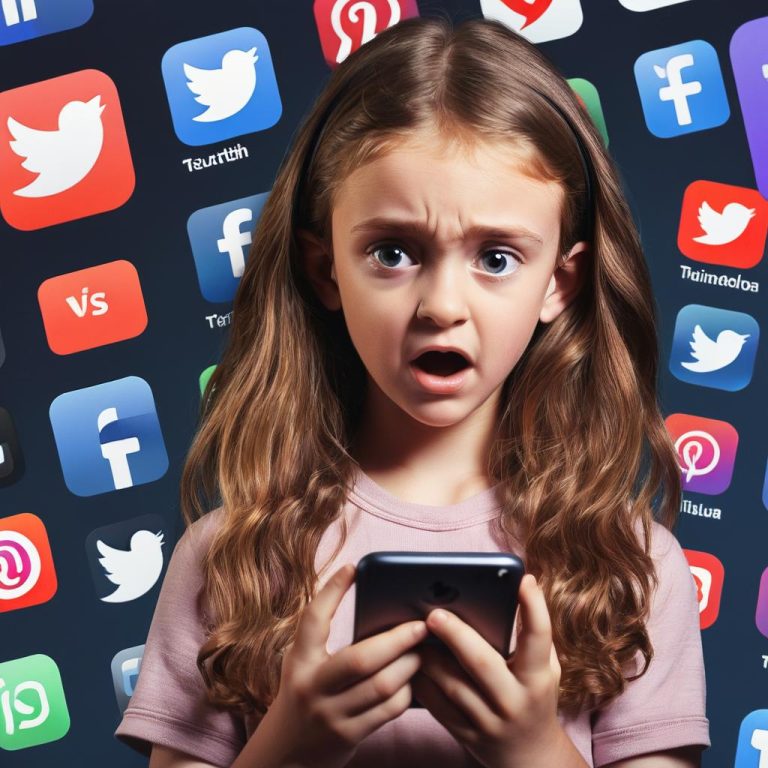
Social media has become a defining part of modern childhood. Platforms like Instagram, TikTok, Snapchat and YouTube offer connection, entertainment and information at an unprecedented scale.
Yet concerns have grown about their impact on children’s mental health, education, privacy and safety. Governments, parents and civil society increasingly debate whether children should access these spaces freely, with restrictions, or not at all.
The discussion is no longer abstract. Across the world, policymakers are moving beyond voluntary codes to legal requirements, some proposing age thresholds or even outright bans for minors.
Supporters argue that children face psychological harm and exploitation online, while critics caution that heavy restrictions can undermine rights, fail to solve root problems and create new risks.
The global conversation is now at a turning point, where choices about social media regulation will shape the next generation’s digital environment.
Why social media is both a lifeline and a threat for youth
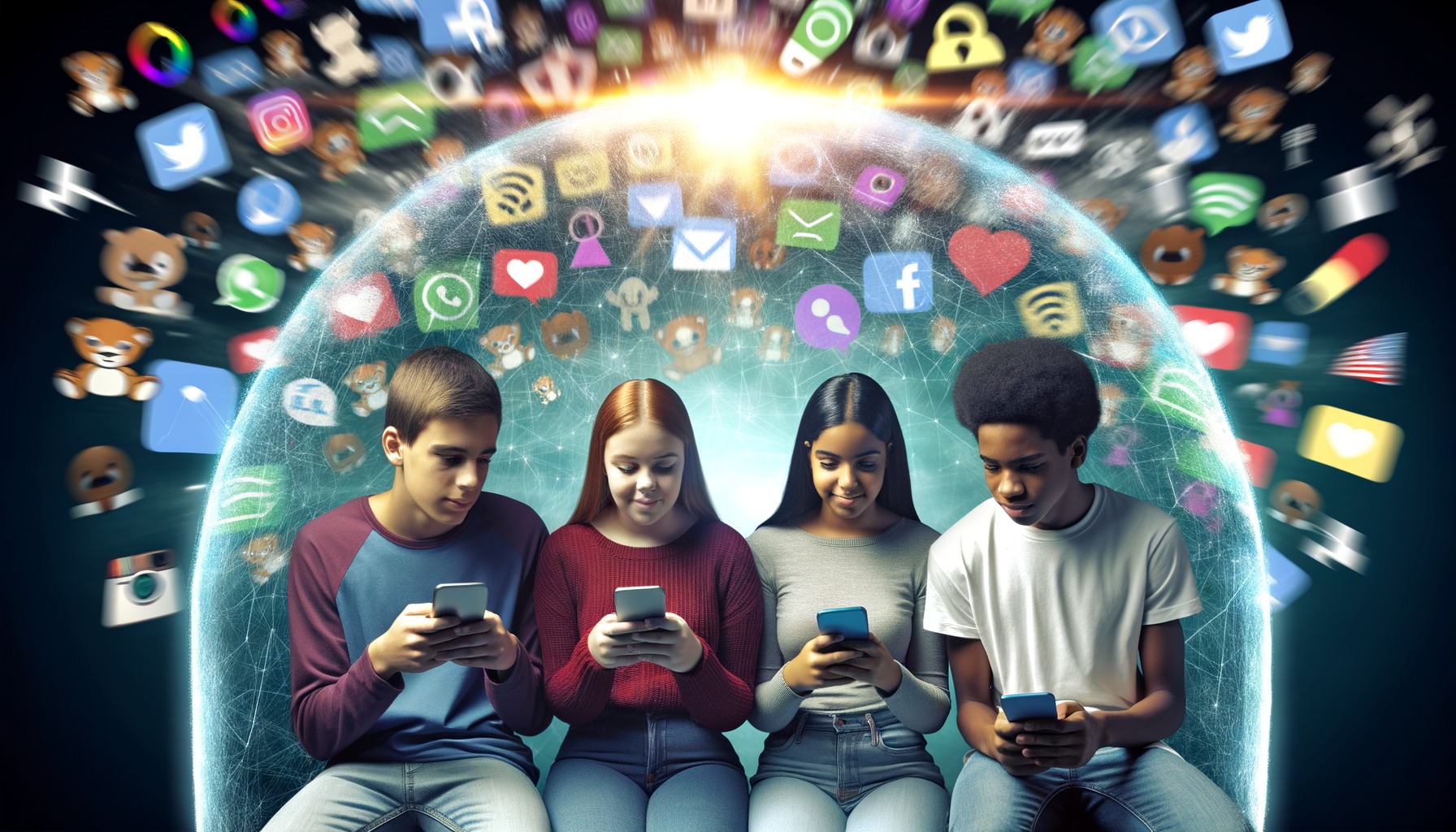
The influence of social media on children is double-edged. On the one side, these platforms enable creativity, allow marginalised voices to be heard, and provide educational content. During the pandemic, digital networks offered a lifeline of social interaction when schools were closed.
Children and teens can build communities around shared interests, learn new skills, and sometimes even gain economic opportunities through digital platforms.
On the other side, research has linked heavy use of social media with increased rates of anxiety, depression, disrupted sleep and body image issues among young users. Recommendation algorithms often push sensational or harmful content, reinforcing vulnerabilities rather than mitigating them.
Cyberbullying, exposure to adult material, and risks of predatory contact are persistent challenges. Instead of strengthening resilience, platforms often prioritise engagement metrics that exploit children’s attention and emotional responses.
The scale of the issue is enormous. Billions of children around the world hold smartphones before the age of 12. With digital life inseparable from daily routines, even well-meaning parents struggle to set boundaries.
Governments face pressure to intervene, but approaches vary widely, reflecting different cultural norms, levels of trust in technology firms, and political attitudes toward child protection.
The Australian approach
Australia is at the forefront of regulation. In recent years, the country has passed strong online safety laws, led by its eSafety Commissioner. These rules include mandatory age verification for certain online services and obligations for platforms to design products with child safety in mind.
Most notably, Australia has signalled its willingness to explore outright bans on general social media access for children under 16. The government has pointed to mounting evidence of harm, from cyberbullying to mental health concerns, and has emphasised the need for early intervention.
Instead of leaving responsibility entirely to parents, the state argues that platforms themselves must redesign the way they serve children.
Critics highlight several problems. Age verification requires identity checks, which can endanger privacy and create surveillance risks. Bans may also drive children to use less-regulated spaces or fake their ages, undermining the intended protections.
Others argue that focusing only on prohibition overlooks the need for broader digital literacy education. Yet Australia’s regulatory leadership has sparked a wider debate, prompting other countries to reconsider their own approaches.
Greece’s strong position
Last week, Greece reignited the global debate with its own strong position on restricting youth access to social media.
Speaking at the United Nations General Assembly during an event hosted by Australia on digital child safety, PM Kyriakos Mitsotakis said his government was prepared to consider banning social media for children under 16.
Mitsotakis warned that societies are conducting the ‘largest uncontrolled experiment on children’s minds’ by allowing unrestricted access to social media platforms. He cautioned that while the long-term effects of the experiment remain uncertain, they are unlikely to be positive.
Additionally, the prime minister pointed to domestic initiatives already underway, such as the ban on mobile phones in schools, which he claimed has already transformed the educational experience.
Mitsotakis acknowledged the difficulties of enforcing such regulations but insisted that complexity cannot be an excuse for inaction.
Across the whole world, similar conversations are gaining traction. Let’s review some of them.
National initiatives across the globe
UK
The UK introduced its Online Safety Act in 2023, one of the most comprehensive frameworks for regulating online platforms. Under the law, companies must assess risks to children and demonstrate how they mitigate harms.
Age assurance is required for certain services, including those hosting pornography or content promoting suicide or self-harm. While not an outright ban, the framework places a heavy responsibility on platforms to restrict harmful material and tailor their products to younger users.
EU
The EU has not introduced a specific social media ban, but its Digital Services Act requires major platforms to conduct systemic risk assessments, including risks to minors.
However, the European Commission has signalled that it may support stricter measures on youth access to social media, keeping the option of a bloc-wide ban under review.
Commission President Ursula von der Leyen has recently endorsed the idea of a ‘digital majority age’ and pledged to gather experts by year’s end to consider possible actions.
The Commission has pointed to the Digital Services Act as a strong baseline but argued that evolving risks demand continued vigilance.
Companies must show regulators how algorithms affect young people and must offer transparency about their moderation practices.
In parallel, several EU states are piloting age verification measures for access to certain platforms. France, for example, has debated requiring parental consent for children under 15 to use social media.
USA
The USA lacks a single nationwide law, but several states are acting independently, although there are some issues with the Supreme Court and the First Amendment.
Florida, Texas, Utah, and Arkansas have passed laws requiring parental consent for minors to access social media, while others are considering restrictions.
The federal government has debated child online safety legislation, although political divides have slowed progress. Instead of a ban, American initiatives often blend parental rights, consumer protection, and platform accountability.
Canada
The Canadian government has introduced Bill C-63, the Online Harms Act, aiming to strengthen online child protection and limit the spread of harmful content.
Justice Minister Arif Virani said the legislation would ensure platforms take greater responsibility for reducing risks and preventing the amplification of content that incites hate, violence, or self-harm.
The framework would apply to platforms, including livestreaming and adult content services.
They would be obliged to remove material that sexually exploits children or shares intimate content without consent, while also adopting safety measures to limit exposure to harmful content such as bullying, terrorism, and extremist propaganda.
However, the legislation also does not impose a complete social media ban for minors.
China
China’s cyberspace regulator has proposed restrictions on children’s smartphone use. The draft rules limit use to a maximum of two hours daily for those under 18, with stricter limits for younger age groups.
The Cyberspace Administration of China (CAC) said devices should include ‘minor mode’ programmes, blocking internet access for children between 10 p.m. and 6 a.m.
Teenagers aged 16 to 18 would be allowed two hours a day, those between eight and 16 just one hour, and those under eight years old only eight minutes.
It is important to add that parents could opt out of the restrictions if they wish.
India
In January, India proposed new rules to tighten controls on children’s access to social media, sparking a debate over parental empowerment and privacy risks.
The draft rules required parental consent before minors can create accounts on social media, e-commerce, or gaming platforms.
Verification would rely on identity documents or age data already held by providers.
Supporters argue the measures will give parents greater oversight and protect children from risks such as cyberbullying, harmful content, and online exploitation.
Singapore
PM Lawrence Wong has warned of the risks of excessive screen time while stressing that children must also be empowered to use technology responsibly. The ultimate goal is the right balance between safety and digital literacy.
In addition, researchers suggest schools should not ban devices out of fear but teach children how to manage them, likening digital literacy to learning how to swim safely. Such a strategy highlights that no single solution fits all societies.
Balancing rights and risks
Bans and restrictions raise fundamental rights issues. Children have the right to access information, to express themselves, and to participate in culture and society.
Overly strict bans can exclude them from opportunities that their peers elsewhere enjoy. Critics argue that bans may create inequalities between children whose families find workarounds and those who comply.
At the same time, the rights to health, safety and privacy must also be protected. The difficulty lies in striking a balance. Advocates of stronger regulation argue that platforms have failed to self-regulate effectively, and that states must step in.
Opponents argue that bans may create unintended harms and encourage authoritarian tendencies, with governments using child safety as a pretext for broader control of online spaces.
Instead of choosing one path, some propose hybrid approaches: stronger rules for design and data collection, combined with investment in education and digital resilience. Such approaches aim to prepare children to navigate online risks while making platforms less exploitative.
The future of social media and child protection
Looking forward, the global landscape is unlikely to converge on a single model. Some countries will favour bans and strict controls, others will emphasise parental empowerment, and still others will prioritise platform accountability.
What is clear is that the status quo is no longer acceptable to policymakers or to many parents.
Technological solutions will also evolve. Advances in privacy-preserving age verification may ease some concerns, although sceptics warn that surveillance risks will remain. At the same time, platforms may voluntarily redesign products for younger audiences, either to comply with regulations or to preserve trust.
Ultimately, the challenge is not whether to regulate, but how. Instead of focusing solely on prohibition, governments and societies may need to build layered protections: legal safeguards, technological checks, educational investments and cultural change.
If these can align, children may inherit a safer digital world that still allows them to learn, connect and create. If they cannot, the risks of exclusion or exploitation will remain unresolved.
In conclusion, the debate over banning or restricting social media for children reflects broader tensions between freedom, safety, privacy, and responsibility. Around the globe, governments are experimenting with different balances of control and empowerment.
Australia, as we have already shown, represents one of the boldest approaches, while others, from the UK and Greece to China and Singapore, are testing different variations.
What unites them is the recognition that children cannot simply be left alone in a digital ecosystem designed for profit rather than protection.
The next decade will determine whether societies can craft a sustainable balance, where technology serves the needs of the young instead of exploiting them.
In the end, it is our duty as human beings and responsible citizens.
Would you like to learn more about AI, tech and digital diplomacy? If so, ask our Diplo chatbot!