Tech giants Google and Nvidia are increasing their focus on AI in India. The companies made the announcement following a meeting with Prime Minister Narendra Modi during his recent US visit, signalling plans for deeper involvement in AI development across the country.
Nvidia CEO Jensen Huang commended Prime Minister Modi’s keen interest in AI and its potential to transform industries. Huang also recognised growing tech talent and startup ecosystem, which he views as vital to AI innovation and development. Nvidia has formed various partnerships in India to help scale AI capabilities.
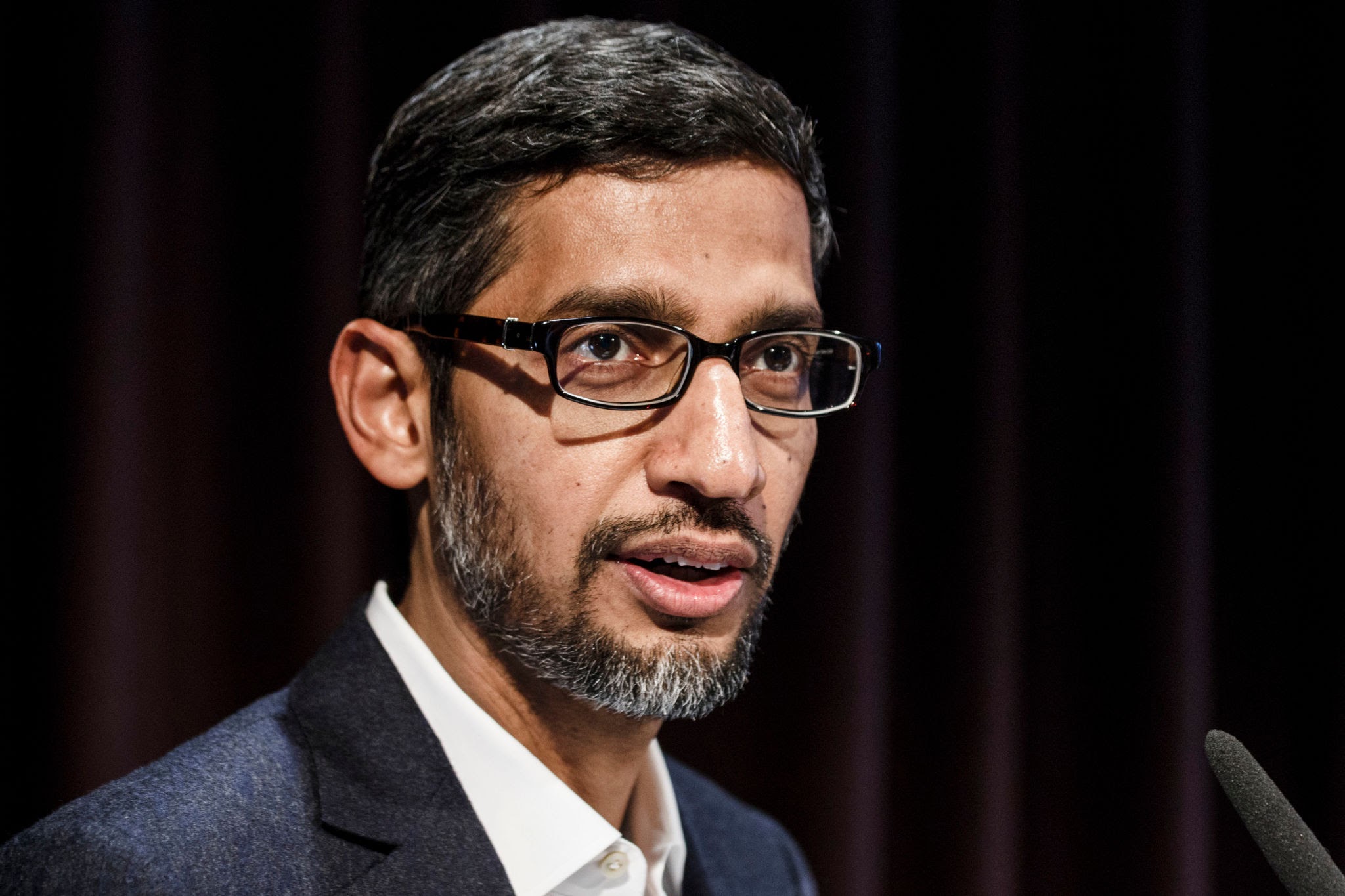
Google CEO Sundar Pichai emphasised the Prime Minister’s push for India to adopt AI across sectors, including healthcare, education, and agriculture. Pichai confirmed Google’s intention to continue robust investments in AI to help further India’s digital transformation and ensure AI benefits the wider population.
Both Google and Nvidia are committed to supporting India’s technological growth, recognising its pivotal role in shaping the future of AI globally. Their collaboration with the Indian government aims to boost innovation and provide advanced AI solutions for various industries.
Speaking at the UN Summit of the Future 2024, Google CEO Sundar Pichai described AI as the most transformative technology yet and announced a $120 million Global AI Opportunity Fund. The fund would provide AI education and training worldwide through partnerships with local NGOs and nonprofits.
Pichai highlighted four key areas where AI can contribute to sustainable development: language accessibility, scientific discovery, climate disaster alerts, and economic progress. He stressed the importance of harnessing AI for global advancement while addressing its risks.
He also warned of the potential for an ‘AI divide,’ where some regions may need to catch up in access to the technology. To combat this, Pichai called for smart global regulations that mitigate harm without promoting national protectionism, which could limit the benefits of AI.
Although Pichai did not mention the environmental impacts of AI, he emphasised the need for balanced regulation to ensure equal access and opportunities for AI development worldwide.
Generative AI is significantly more energy-intensive than traditional search engines, according to researcher Sasha Luccioni, who has raised concerns about the environmental impact of the technology. Generating new information requires vast computing power and energy, particularly for models like ChatGPT, which rely on extensive data training.
The AI and cryptocurrency sectors consumed nearly 460 terawatt hours of electricity in 2022, around two percent of global production, according to the International Energy Agency. Luccioni, a leading expert on AI’s climate impact, has developed tools to quantify the carbon footprint of AI technologies, helping developers make informed decisions.
Efforts to mitigate the environmental consequences of AI are underway. Luccioni is working on a certification system to rate the energy efficiency of AI models, aiming to encourage more sustainable practices. Transparency from tech giants like Google and OpenAI is essential, as their greenhouse gas emissions have surged due to AI development.
The solution, Luccioni argues, lies in a combination of government legislation, increased transparency, and better public understanding of AI’s limitations and environmental costs. She advocates for ‘energy sobriety’ by using AI tools more judiciously and making environmentally conscious decisions.
Google has announced it will redesign its plans for a $200 million data centre in Santiago, Chile, after concerns were raised about its environmental impact. The company will start the project from scratch following a ruling by a local environmental court, which partially reversed a 2020 permit and called for a reassessment in light of climate change.
Originally approved in 2020, the project faced backlash from residents and officials due to fears over its effects on Santiago’s drought-stricken aquifer. Data centres require significant amounts of water for cooling, an issue of concern given Chile’s ongoing drought for over a decade.
Google has informed Chile‘s environmental regulator that it will not proceed with its original plans for the Cerrillos neighbourhood. Instead, the tech giant plans to introduce a new proposal that incorporates air-cooling technology to mitigate environmental concerns.
The company is expected to submit a fresh application, addressing local concerns and aiming to reduce the project’s environmental footprint, as it continues to work on its data centre plans in Santiago.
Google is planning to roll out new features that will enable the identification of images that have been generated or edited using AI in search results. This update will highlight such photos in the ‘About this image’ section across Google Search, Google Lens, and the Circle to Search feature on Android. In the future, this disclosure feature may also be extended to other Google platforms like YouTube.
To achieve this, Google will utilise C2PA metadata developed by the Coalition for Content Provenance and Authenticity. This metadata tracks an image’s history, including its creation and editing process. However, the adoption of C2PA standards is limited, and metadata can be altered or removed, which may impact the reliability of this identification method.
Despite the challenges, Google’s action addresses the increasing concerns about deepfakes and AI-generated content. There have been reports of a significant rise in scams involving such content, and losses related to deepfakes are expected to increase dramatically in the coming years. As public concern about deepfakes and AI-driven misinformation grows, Google’s initiative aims to provide more transparency in digital media.
Google’s advertising business has faced renewed scrutiny in the EU, with a recent proposal to sell its advertising marketplace, AdX, being rejected by European publishers. The tech giant offered the sale to resolve an antitrust investigation by the EU, which accuses Google of favouring its services. The investigation followed complaints from the European Publishers Council, and the European Commission has since charged Google with anti-competitive practices.
Publishers dismissed Google’s offer as insufficient, arguing that the sale of AdX alone would not address the broader conflicts of interest due to Google’s dominance across the entire adtech supply chain. These industry insiders suggest that more drastic measures may be needed to curb Google’s influence, but the EU has not yet demanded such extensive divestments.
Google, meanwhile, maintains that the Commission’s claims are based on a misinterpretation of the competitive nature of the advertising sector. Despite facing similar antitrust trials in the US over its advertising technology, the company continues to defend its business practices, where authorities have called for selling its Ad Manager product.
AdX, which allows publishers to auction unsold ad space to advertisers in real time, has become a key component in the ongoing investigation. The EU antitrust chief Margrethe Vestager previously suggested Google divest additional tools to resolve the issue. However, experts believe the Commission may first issue a simpler ruling to halt Google’s current practices before escalating to demands for asset sales.
With advertising contributing to 77% of Google’s $237.85 billion revenue in 2023, the company’s dominant position in digital advertising remains a central point of contention in the EU and globally.
Google is facing a billionaire lawsuit in London as Alphabet, its parent company, asked a tribunal to dismiss claims accusing the tech giant of abusing its dominance in the online search market. The lawsuit, which could amount to £7 billion ($9.3 billion), focuses on businesses’ costs when using Google’s search advertising services, which plaintiffs argue are ultimately passed on to consumers. The legal challenge is one of several targeting Google’s practices in recent years, including a similar case in Britain concerning its advertising market dominance and an ongoing antitrust trial in the United States.
Consumer rights advocate Nikki Stopford, representing the class of claimants, argues that Google’s overwhelming market presence allows it to increase costs unfairly. Her lawsuit also points to a €4.5 billion fine imposed by the European Commission in 2018 over Google’s restrictions on Android manufacturers, a decision currently being appealed. Furthermore, the lawsuit accuses Google of striking a deal with Apple to make its search engine the default on Apple’s Safari browser in exchange for a portion of mobile search ad revenues.
Google has dismissed these claims as unfounded. Its lawyer, Meredith Pickford, stated that the case is flawed, rejecting the notion that Google’s practices harmed consumers. Pickford also emphasised that Google’s agreement with Apple was legally sound and argued that the European Commission’s ruling was based on technicalities rather than substantive issues. The tribunal’s decision on whether the case will proceed to trial remains pending.
Google secured a significant victory on Wednesday, overturning a €1.49 billion ($1.66 billion) fine imposed by the European Commission in 2019. The fine, levied over antitrust violations, accused Google of abusing its dominance in online search advertising by restricting websites from using advertising brokers other than its AdSense platform. These practices, deemed illegal by the Commission, were said to have spanned from 2006 to 2016.
The General Court of Luxembourg, while agreeing with most of the European Commission’s findings, annulled the hefty fine. The judges ruled that the Commission had not fully considered all factors, particularly the duration of the unfair contractual clauses, which played a critical role in overturning the penalty. Despite the annulment, the ruling upheld many of the Commission’s assessments, but the financial punishment did not hold.
The fine was one of three that have cost Google a combined total of €8.25 billion in antitrust penalties, triggered by complaints from rivals such as Microsoft. Google noted that it had already revised the contracts in question in 2016 before the Commission’s decision.
The legal victory for Google comes just a week after it lost a separate case involving a €2.42 billion fine for unfairly promoting its price comparison service. While the battle over its advertising practices may have seen a favourable outcome, the tech giant’s ongoing legal challenges in Europe reflect the broader scrutiny facing major digital platforms across the continent.
A new task force has been launched by the White House to address the growing demands of AI infrastructure. Led by the National Economic Council and the National Security Council, the group aims to balance AI development with national security, economic, and environmental goals. Senior US officials and executives from major technology companies, including OpenAI and Google, took part in the meeting on Thursday.
The focus of the discussion was on the power requirements for advanced AI systems. Leaders explored how to meet clean energy targets and infrastructure needs, particularly in the face of increasing demand from data centres. AI has raised both hopes for efficiency gains and concerns over potential misuse, with its energy consumption being a significant challenge.
The Biden administration is pushing tech firms to invest in eco-friendly power solutions. The AI industry’s energy needs could complicate the government’s ambition to decarbonise the power grid by 2035. Representatives from major agencies, including Energy Secretary Jennifer Granholm, were part of the conversation on tackling these issues.
AI infrastructure plays a crucial role in the future of the US economy, according to OpenAI. The company emphasised the importance of expanding data centres domestically, not only to support industrial growth but also to ensure that AI’s benefits reach all corners of society.
European Commission recommendations from Mario Draghi’s report focus on transforming the telecom sector through regulatory and financial reforms. The report advocates for easing mergers and acquisitions (M&A) to enable market consolidation, expected to drive economies of scale and enhance investment capacity.
It also proposes redefining telecom markets at the EU level and standardising spectrum licensing rules to improve efficiency and competition across Europe. These changes aim to create a more robust and innovative telecom environment that can better meet the demands of the digital age.
In addition to telecom sector reforms, the European Commission report highlights the need for ‘commercial investment sharing’ to address the financial impact of high data traffic from major tech firms. It suggests that large online platforms, such as Amazon and Google, should contribute to the costs of telecom infrastructure investments. That proposal seeks to balance the burden on telecom operators with the benefits derived from these tech giants’ extensive use of their networks. By implementing this approach, the report aims to ensure that the costs of maintaining and expanding network capacity are more equitably shared.
Furthermore, the European Commission outlines strategies for advancing digital infrastructure and technology. The report calls for creating an EU-level body to develop uniform technical standards for network APIs and edge computing. It also recommends expanding high-performance computing (HPC) resources and investing in AI through public-private partnerships. These measures are designed to enhance Europe’s technological capabilities and foster innovation. Additionally, the report emphasises the need for sovereign cloud solutions and reducing dependencies on non-EU tech providers by boosting domestic production in critical areas such as semiconductors. These initiatives aim to strengthen Europe’s digital infrastructure and ensure a more resilient and competitive tech ecosystem.