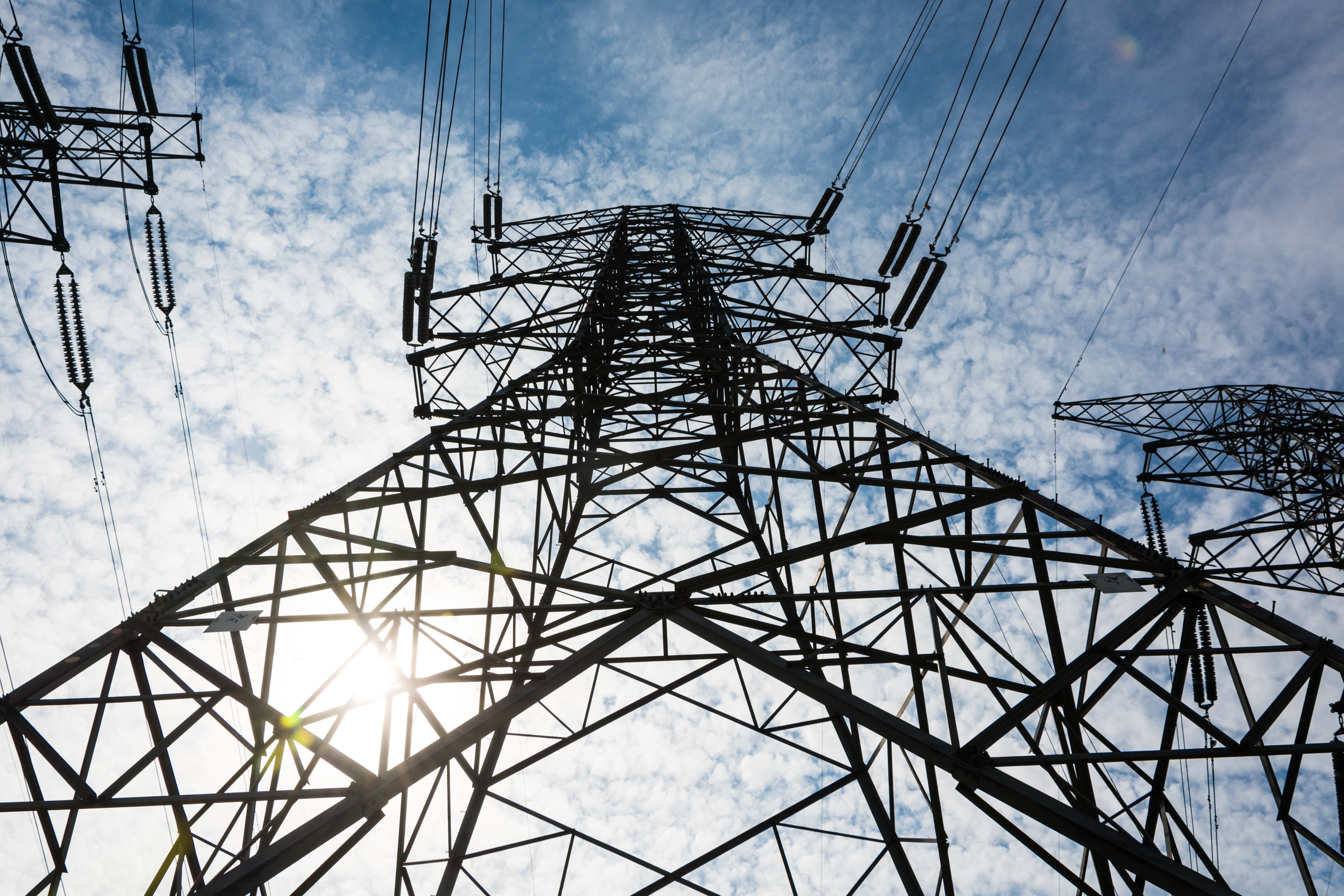
AI’s rapid growth is fuelling a surge in electricity consumption across the United States, with data centres emerging as major contributors. Analysts warn that expanding AI infrastructure is pushing up national energy demand and could drive higher electricity bills for homes and businesses.
The US hosts more than 4,000 data centres, concentrated mainly in Virginia, Texas and California. Many now operate high-performance AI systems that consume up to 30 times more electricity than traditional facilities, according to energy experts.
The International Energy Agency reported that US data centres used a record 183 terawatt-hours of electricity in 2024, about 4% of national demand. That figure could more than double by 2030, reaching 426 terawatt-hours, as companies race to expand cloud and AI capacity.
With 60% of energy use tied to servers and processing hardware, the shift toward AI-driven computing poses growing challenges for green energy infrastructure. Researchers say that without major efficiency gains, the nation’s power grid will struggle to keep pace with AI’s accelerating appetite for electricity.
Would you like to learn more about AI, tech and digital diplomacy? If so, ask our Diplo chatbot!

The US tech giant, Microsoft, has resolved a global outage affecting its Azure cloud services, which disrupted access to Office 365, Minecraft, and numerous other websites.
The company attributed the incident to a configuration change that triggered DNS issues, impacting businesses and consumers worldwide.
An outage that affected high-profile services, including Heathrow Airport, NatWest, Starbucks, and New Zealand’s police and parliament websites.
Microsoft restored access after several hours, but the event highlighted the fragility of the internet due to the concentration of cloud services among a few major providers.
Experts noted that reliance on platforms such as Azure, Amazon Web Services, and Google Cloud creates systemic risks. Even minor configuration errors can ripple across thousands of interconnected systems, affecting payment processing, government operations, and online services.
Despite the disruption, Microsoft’s swift fix mitigated long-term impact. The company reiterated the importance of robust infrastructure and contingency planning as the global economy increasingly depends on cloud computing.
Would you like to learn more about AI, tech and digital diplomacy? If so, ask our Diplo chatbot!
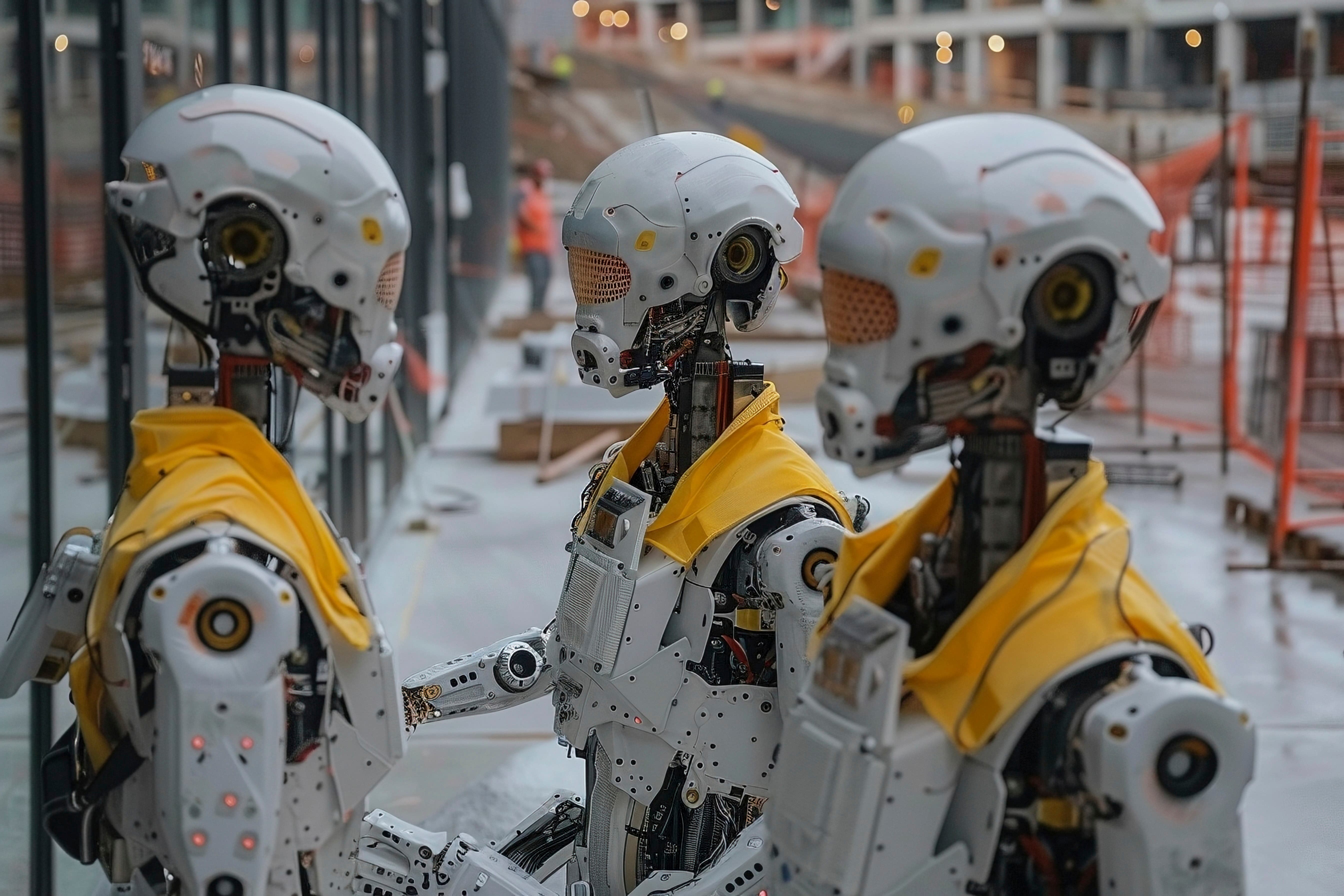
Foxconn will add humanoid robots to a new Houston plant building Nvidia AI servers from early 2026. Announced at Nvidia’s developer conference, the move deepens their partnership and positions the site as a US showcase for AI-driven manufacturing.
Humanoid systems based on Nvidia’s Isaac GR00T N are built to perceive parts, adapt on the line, and work with people. Unlike fixed industrial arms, they handle delicate assembly and switch tasks via software updates. Goals include flexible throughput, faster retooling, and fewer stoppages.
AI models are trained in simulation using digital twins and reinforcement learning to improve accuracy and safety. On the line, robots self-tune as analytics predict maintenance and balance workloads, unlocking gains across logistics, assembly, testing, and quality control.
Texas, US, offers proximity to a growing semiconductor and AI cluster, as well as policy support for domestic capacity. Foxconn also plans expansions in Wisconsin and California to meet global demand for AI servers. Scaling output should ease supply pressures around Nvidia-class compute in data centres.
Job roles will shift as routine tasks automate and oversight becomes data-driven. Human workers focus on design, line configuration, and AI supervision, with safety gates for collaboration. Analysts see a template for Industry 4.0 factories running near-continuously with rapid changeovers.
Would you like to learn more about AI, tech, and digital diplomacy? If so, ask our Diplo chatbot!
The United States and South Korea agreed on a broad science and technology memorandum to deepen alliance ties and bolster Indo-Pacific stability. The non-binding pact aims to accelerate innovation while protecting critical capabilities. Both sides cast it as groundwork for a new Golden Age of Innovation.
AI sits at the centre. Plans include pro-innovation policy alignment, trusted exports across the stack, AI-ready datasets, safety standards, and enforcement of compute protection. Joint metrology and standards work links the US Center for AI Standards and Innovation with the AI Safety Institute of South Korea.
Trusted technology leadership extends beyond AI. The memorandum outlines shared research security, capacity building for universities and industry, and joint threat analysis. Telecommunications cooperation targets interoperable 6G supply chains and coordinated standards activity with industry partners.
Quantum and basic research are priority growth areas. Participants plan interoperable quantum standards, stronger institutional partnerships, and secured supply chains. Larger projects and STEM exchanges aim to widen collaboration, supported by shared roadmaps and engagement in global consortia.
Space cooperation continues across civil and exploration programmes. Strands include Artemis contributions, a Korean cubesat rideshare on Artemis II, and Commercial Lunar Payload Services. The Korea Positioning System will be developed for maximum interoperability with GPS.
Would you like to learn more about AI, tech, and digital diplomacy? If so, ask our Diplo chatbot!

Speaking at the CNBC Technology Executive Council Summit in New York, Wikipedia founder Jimmy Wales has expressed scepticism about Elon Musk’s new AI-powered Grokipedia, suggesting that large language models cannot reliably produce accurate wiki entries.
Wales highlighted the difficulties of verifying sources and warned that AI tools can produce plausible but incorrect information, citing examples where chatbots fabricated citations and personal details.
He rejected Musk’s claims of liberal bias on Wikipedia, noting that the site prioritises reputable sources over fringe opinions. Wales emphasised that focusing on mainstream publications does not constitute political bias but preserves trust and reliability for the platform’s vast global audience.
Despite his concerns, Wales acknowledged that AI could have limited utility for Wikipedia in uncovering information within existing sources.
However, he stressed that substantial costs and potential errors prevent the site from entirely relying on generative AI, preferring careful testing before integrating new technologies.
Wales concluded that while AI may mislead the public with fake or plausible content, the Wiki community’s decades of expertise in evaluating information help safeguard accuracy. He urged continued vigilance and careful source evaluation as misinformation risks grow alongside AI capabilities.
Would you like to learn more about AI, tech and digital diplomacy? If so, ask our Diplo chatbot!
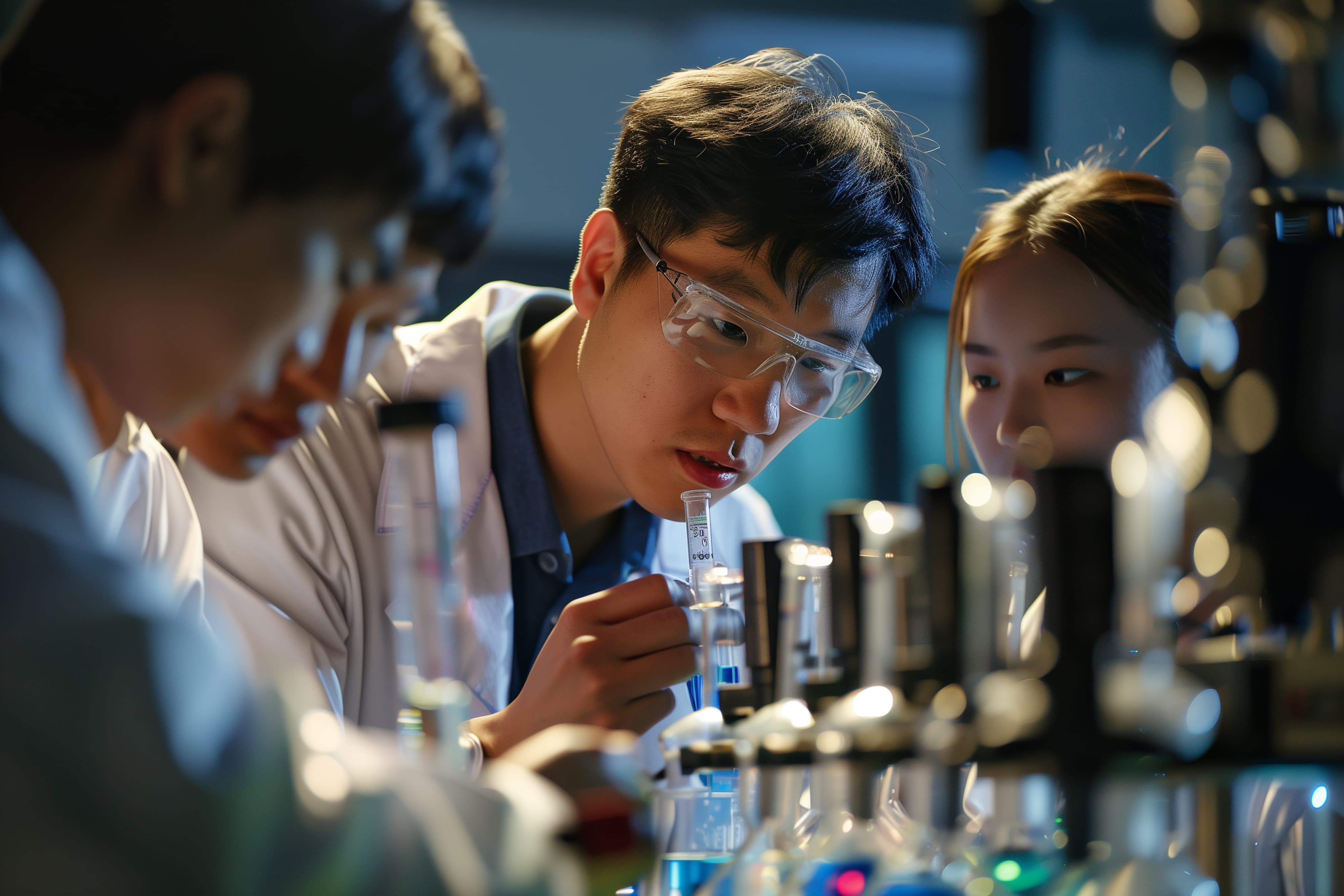
China has pledged to expand its high-tech industries over the next decade. Officials said emerging sectors such as quantum computing, hydrogen energy, nuclear fusion, and brain-computer interfaces will receive major investment and policy backing.
Development chief Zheng Shanjie told reporters that the coming decade will redefine China’s technology landscape, describing it as a ‘new scale’ of innovation. The government views breakthroughs in science and AI as key to boosting economic resilience amid a slowing property market and demographic decline.
The plan underscores Beijing’s push to rival Washington in cutting-edge technology, with billions already channelled into state-led innovation programmes. Public opinion in Beijing appears supportive, with many citizens expressing optimism that China could lead the next technological revolution.
Economists warn, however, that sustained progress will require tackling structural issues, including low domestic consumption and reduced investor confidence. Analysts said Beijing’s long-term success will depend on whether it can balance rapid growth with stable governance and transparent regulation.
Would you like to learn more about AI, tech and digital diplomacy? If so, ask our Diplo chatbot!

AI ECG analysis improved heart attack detection and reduced false alarms in a multicentre study of 1,032 suspected STEMI cases. Conducted across three primary PCI centres from January 2020 to May 2024, it points to quicker, more accurate triage, especially beyond specialist hospitals.
ST-segment elevation myocardial infarction occurs when a major coronary artery is blocked. Guideline targets call for reperfusion within 90 minutes of first medical contact. Longer delays are associated with roughly a 3-fold increase in mortality, underscoring the need for rapid, reliable activation.
The AI ECG model, trained to detect acute coronary occlusion and STEMI equivalents, analysed each patient’s initial tracing. Confirmatory angiography and biomarkers identified 601 true STEMIs and 431 false positives. AI detected 553 of 601 STEMIs, versus 427 identified by standard triage on the first ECG.
False positives fell sharply with AI. Investigators reported a 7.9 percent false-positive rate with the model, compared with 41.8 percent under standard protocols. Clinicians said earlier that more precise identification could streamline transfers from non-PCI centres and help teams reach reperfusion targets.
An editorial welcomed the gains but urged caution. The model targets acute occlusion rather than STEMI, needs prospective validation in diverse populations, and must be integrated with clear governance and human oversight.
Would you like to learn more about AI, tech, and digital diplomacy? If so, ask our Diplo chatbot!

The US tech giant, NVIDIA, has released open-source AI models and data tools across language, biology and robotics to accelerate innovation and expand access to cutting-edge research.
New model families, Nemotron, Cosmos, Isaac GR00T and Clara, are designed to empower developers to build intelligent agents and applications with enhanced reasoning and multimodal capabilities.
The company is contributing these open models and datasets to Hugging Face, further solidifying its position as a leading supporter of open research.
Nemotron models improve reasoning for digital AI agents, while Cosmos and Isaac GR00T enable physical AI and robotic systems to perform complex simulations and behaviours. Clara advances biomedical AI, allowing scientists to analyse RNA, generate 3D protein structures and enhance medical imaging.
Major industry partners, including Amazon Robotics, ServiceNow, Palantir and PayPal, are already integrating NVIDIA’s technologies to develop next-generation AI agents.
An initiative that reflects NVIDIA’s aim to create an open ecosystem that supports both enterprise and scientific innovation through accessible, transparent and responsible AI.
Would you like to learn more about AI, tech and digital diplomacy? If so, ask our Diplo chatbot!

Nokia and NVIDIA have announced a $1 billion partnership to develop an AI-powered platform that will drive the transition from 5G to 6G networks.
The collaboration will create next-generation AI-RAN systems, combining computing, sensing and connectivity to transform how the US mobile networks process data and deliver services.
However, this partnership marks a strategic step in both companies’ ambition to regain global leadership in telecommunications.
By integrating NVIDIA’s new Aerial RAN Computer and Nokia’s AI-RAN software, operators can upgrade existing networks through software updates instead of complete infrastructure replacements.
T-Mobile US will begin field tests in 2026, supported by Dell’s PowerEdge servers.
NVIDIA’s investment and collaboration with Nokia aim to strengthen the foundation for AI-native networks that can handle the rising demand from agentic, generative and physical AI applications.
These networks are expected to support future 6G use cases, including drones, autonomous vehicles and advanced augmented reality systems.
Both companies see AI-RAN as the next evolution of wireless connectivity, uniting data processing and communication at the edge for greater performance, energy efficiency and innovation.
Would you like to learn more about AI, tech and digital diplomacy? If so, ask our Diplo chatbot!

A new Focus Bari survey shows that AI is still unfamiliar territory for most Greeks.
Although more than eight in ten have heard of AI, 68 percent say they have never used it professionally. The study highlights that Greece integrates AI into its workplace more slowly than many other countries.
The survey covered 21 nations and found that 83 percent of Greeks know about AI, compared with 17 percent who do not. Only 35 percent feel well-informed, while about one in three admits to knowing little about the technology.
Similar trends appear worldwide, with Switzerland, Mexico, and Romania leading in AI awareness, while countries like Nigeria, Japan, and Australia show limited familiarity.
Globally, almost half of respondents use AI in their everyday lives, yet only one in three applies it in their work. In Greece, that gap remains wide, suggesting that AI is still seen as a distant concept rather than a professional tool.
Would you like to learn more about AI, tech and digital diplomacy? If so, ask our Diplo chatbot!
