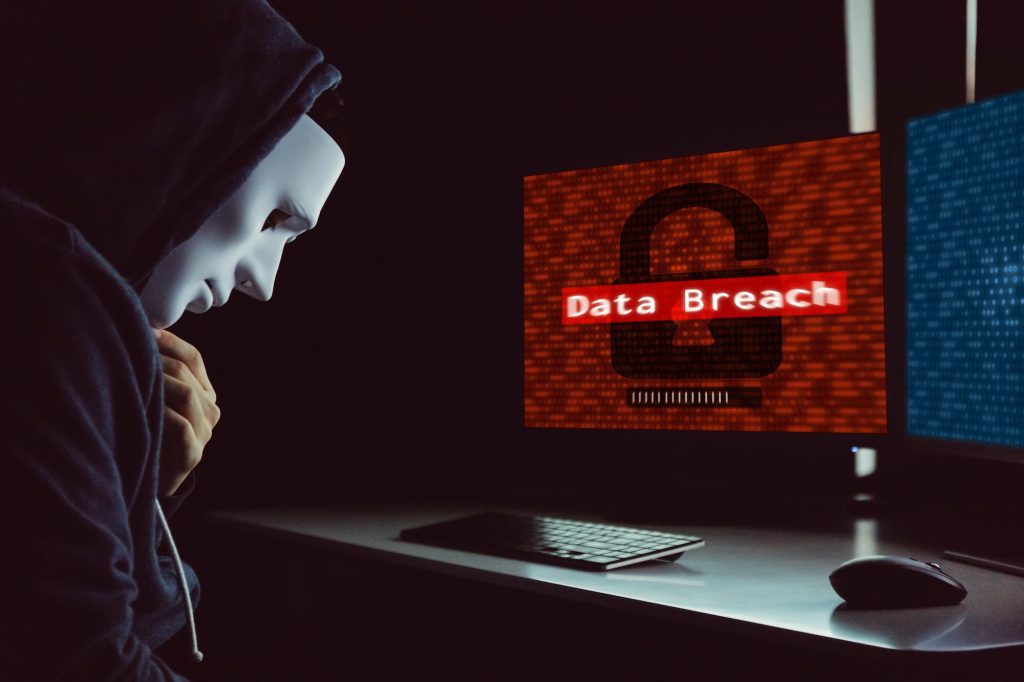
The contact details of rail passengers have been stolen in a cyberattack affecting London North Eastern Railway (LNER). The company stated that it had been notified of unauthorised access to files managed by a third-party supplier and advised customers to be vigilant against phishing attempts.
LNER stressed that no bank details, card numbers, or passwords had been compromised. The York-based operator stated that it was collaborating with cybersecurity experts and the supplier to investigate the breach and ensure necessary safeguards.
The company did not confirm the number of passengers affected. The incident comes as LNER reported revenues exceeding £1 billion, yet it continues to rely on government support since its nationalisation in 2018.
Passenger complaints rose 12.2 percent in 2025, reaching 24,015, and competition from private operators is driving losses—online ticket platforms such as Trainline direct passengers to cheaper rivals, costing LNER significant revenue.
The breach follows other attacks on UK transport services, including a 2024 incident in which the bank details of 5,000 Transport for London customers were exposed, resulting in weeks of disrupted online services.
Would you like to learn more about AI, tech, and digital diplomacy? If so, ask our Diplo chatbot!
OpenAI has taken a significant step into entertainment by backing Critterz, the first animated feature film generated with GPT models.
Human artists sketch characters and scenes, while AI transforms them into moving images. The $30 million project, expected to finish in nine months, is far cheaper and faster than traditional animation and could debut at the Cannes Film Festival in 2026.
Yet the film has triggered a fierce copyright debate in India and beyond. Under India’s Copyright Act of 1957, only human works are protected.
Legal experts argue that while AI can be used as a tool when human skill and judgement are clearly applied, autonomously generated outputs may not qualify for copyright at all.
The uncertainty carries significant risks. Producers may struggle to combat piracy or unauthorised remakes, while streaming platforms and investors could hesitate to support projects without clear ownership rights.
A recent case involving an AI tool credited as a co-author of a painting, later revoked, shows how untested the law remains.
Global approaches vary. The US and the EU require human creativity for copyright, while the UK recognises computer-generated works under certain conditions.
In India, lawyers suggest contracts provide the safest path until the law evolves, with detailed agreements on ownership, revenue sharing and disclosure of AI input.
The government has already set up an expert panel to review the Copyright Act, even as AI-driven projects and trailers rapidly gain popularity.
Would you like to learn more aboutAI, tech and digital diplomacy? If so, ask our Diplo chatbot!
Jaguar Land Rover (JLR) has confirmed that data was affected in a cyberattack that has kept its UK factories idle for more than a week. The company stated that it is contacting anyone whose data was involved, although it did not clarify whether the breach affected customers, suppliers, or internal systems.
JLR reported the incident to the Information Commissioner’s Office and immediately shut down IT systems to limit damage. Production at Midlands and Merseyside sites has been halted until at least Thursday, with staff instructed not to return before next week.
The disruption has also hit suppliers and retailers, with garages struggling to order spare parts and dealers facing delays registering vehicles. JLR said it is working around the clock to restore operations in a safe and controlled way, though the process is complex.
Responsibility for the hack has been claimed by Scattered Lapsus$ Hunters, a group linked to previous attacks on Marks & Spencer, the Co-op, and Las Vegas casinos in the UK and the US. The hackers posted alleged screenshots from JLR’s internal systems on Telegram last week.
Cybersecurity experts say the group’s claim that ransomware was deployed raises questions, as it appears to have severed ties with Russian ransomware gangs. Analysts suggest the hackers may have only stolen data or are building their own ransomware infrastructure.
Would you like to learn more about AI, tech, and digital diplomacy? If so, ask our Diplo chatbot!
Anthropic’s Claude has expanded its role as a leading AI assistant by adding advanced tools for creating and editing files. Instead of manually working with different programs, users can now describe their needs in plain language and let the AI produce or update Word, Excel, PowerPoint, and PDF files.
A feature that supports uploads of CSV and TSV data and can generate charts, graphs, or images where needed, with a 30MB size limit applying to uploads and downloads.
The real breakthrough lies in editing. Instead of opening a document or spreadsheet, users can simply type instructions such as replacing text, changing currencies, or updating job titles. Claude processes the prompt and makes all the changes in one pass, preserving the original formatting.
It positions the AI as more efficient than rivals, as Gemini can only export reports but not directly modify existing files.
The feature preview is available on web and desktop for subscribers on Max, Team, or Enterprise plans. Analysts suggest the update could reshape productivity tools, especially after reports that Microsoft has partnered with Anthropic to explore using Claude for Office 365 functions.
By removing repetitive tasks and making file handling conversational, Claude is pushing productivity software into a new phase of automation.
Would you like to learn more aboutAI, tech and digital diplomacy? If so, ask our Diplo chatbot!
Google’s learning-focused AI tool NotebookLM has gained a major update, making studying and teaching more interactive.
Instead of offering only static summaries, it now generates flashcards that condense key information into easy-to-remember notes, helping users recall knowledge more effectively.
Reports can also be transformed into quizzes with customisable topics and difficulty, which can then be shared with friends or colleagues through a simple link.
The update extends to audio learning, where NotebookLM’s podcast-style Audio Overviews are evolving with new formats. Instead of a single style, users can now create Brief, Debate, or Critique episodes, giving greater flexibility in how material is explained or discussed.
Google is also strengthening its teaching tools. A new Blog Post format offers contextual suggestions such as strategy papers or explainers, while the ability to create custom report formats allows users to design study resources tailored to their needs.
The most significant addition, however, is the Learning Guide. Acting like a personal tutor, it promotes deeper understanding by asking open-ended questions, breaking problems into smaller steps, and adapting explanations to suit each learner.
With these features, NotebookLM is moving closer to becoming a comprehensive learning assistant, offering a mix of interactive study aids and adaptable teaching methods that go beyond simple note-taking.
Would you like to learn more aboutAI, tech and digital diplomacy? If so, ask our Diplo chatbot!
Apple is rolling out Memory Integrity Enforcement on the iPhone 17 line and iPhone Air, an always-on set of protections aimed at blocking memory-safety exploits used by mercenary spyware.
MIE builds on ARM’s Enhanced Memory Tagging Extension in Apple’s A19 chips, alongside secure allocators and tag-confidentiality measures.
Older devices without the new tagging hardware also receive memory-safety upgrades. Apple says new Spectre V1 leak mitigations arrive with virtually no CPU penalty.
Comparable ideas exist elsewhere, such as Windows 11’s memory integrity (HVCI) and Android’s MTE support on Pixel 8, but Apple’s approach is enabled by default across key attack surfaces. Security reporters note the move significantly complicates spyware operations.
Would you like to learn more about AI, tech and digital diplomacy? If so, ask our Diplo chatbot!
The EU’s digital transformation and the rise of trusted digital identities
The EU, like the rest of the world, is experiencing a significant digital transformation driven by emerging technologies, with citizens, businesses, and governments increasingly relying on online services.
At the centre of the shift lies digital identity, which enables secure, verifiable, and seamless online interactions.
Digital identity has also become a cornerstone of the EU’s transition toward a secure and competitive digital economy. As societies, businesses, and governments increasingly rely on online platforms, the ability for citizens to prove who they are in a reliable, secure, and user-friendly way has gained central importance.
Without trusted digital identities, essential services ranging from healthcare and education to banking and e-commerce risk fragmentation, fraud, and inefficiency.
However, it quickly became clear that further steps were necessary to improve adoption, interoperability, and user trust.
In May 2024, the updated framework, eIDAS 2 (Regulation (EU) 2024/1183), came into force.
At its heart lies the European Digital Identity Wallet, or EDIW, a tool designed to empower EU citizens with a secure, voluntary, and interoperable way to authenticate themselves and store personal credentials.
By doing so, eIDAS 2 aims to strengthen trust, security, and cross-border services, ensuring Europe builds digital sovereignty while safeguarding fundamental rights.
Lessons from eIDAS 1 and the need for a stronger digital identity framework
Back in 2014, when the first eIDAS Regulation was adopted, its purpose was to enable the mutual recognition of electronic identification and trust services across member states.
The idea was simple (and logical) yet ambitious: a citizen of one EU country should be able to use their national digital ID to access services in another, whether it is to enrol in a university abroad or open a bank account.
The original regulation created legal certainty for electronic signatures, seals, timestamps, and website authentication, helping digital transactions gain recognition equal to their paper counterparts.
For businesses and governments, it reduced bureaucracy and built trust in digital processes, both essential for sustainable development.
Despite the achievements, significant limitations emerged. Adoption rates varied widely across member states, with only a handful, such as Estonia and Denmark, achieving robust national digital ID systems.
Others lagged due to technical, political, or budgetary issues. Interoperability across borders was inconsistent, often forcing citizens and businesses to rely on paper processes.
Stakeholders and industry associations also expressed concerns about the complexity of implementation and the absence of user-friendly solutions.
The gaps highlighted the need for a new approach. As Commission President Ursula von der Leyen emphasised in 2020, ‘every time an app or website asks us to create a new digital identity or to easily log on via a big platform, we have no idea what happens to our data in reality.’
Concerns about reliance on non-European technology providers, combined with the growing importance of secure online transactions, paved the way for eIDAS 2.
The eIDAS 2 framework and the path to interoperable digital services
Regulation (EU) 2024/1183, adopted in the spring of 2024, updates the original eIDAS to reflect new technological and social realities.
Its guiding principle is technological neutrality, ensuring that no single vendor or technology dominates and allowing member states to adopt diverse solutions provided they remain interoperable.
Among its key innovations is the expansion of qualified trust services. While the original eIDAS mainly covered signatures and seals, the new regulation broadens the scope to include services such as qualified electronic archiving, ledgers, and remote signature creation devices.
The broader approach ensures that the regulation keeps pace with emerging technologies such as distributed ledgers and cloud-based security solutions.
eIDAS 2 also strengthens compliance mechanisms. Providers of trust services and digital wallets must adhere to rigorous security and operational standards, undergo audits, and demonstrate resilience against cyber threats.
In this way, the regulation not only fosters a common European market for digital identity but also reinforces Europe’s commitment to digital sovereignty and trust.
The European Digital Identity Wallet in action
The EDIW represents the most visible and user-facing element of eIDAS 2.
Available voluntarily to all EU citizens, residents, and businesses, the wallet is designed to act as a secure application on mobile devices where users can link their national ID documents, certificates, and credentials.
For citizens, the benefits are tangible. Rather than managing numerous passwords or carrying a collection of physical documents, individuals can rely on the wallet as a single, secure tool.
It allows them to prove their identity when travelling or accessing services in another country, while offering a reliable space to store and share essential credentials such as diplomas, driving licences, or health insurance cards.
In addition, it enables signing contracts with qualified electronic signatures directly from personal devices, reducing the need for paper-based processes and making everyday interactions considerably more efficient.
For businesses, the wallet promises smoother cross-border operations. For example, banks can streamline customer onboarding through secure, interoperable identification. Professional services can verify qualifications instantly.
E-commerce platforms can reduce fraud and improve compliance with ‘Know Your Customer’ requirements.
By reducing bureaucracy and offering convenience, the wallet embodies Europe’s ambition to create a truly single digital market.
Cybersecurity and privacy in the EDIW
Cybersecurity and privacy are central to the success of the wallet. On the positive side, the system enhances security through encryption, multi-factor authentication, and controlled data sharing.
Instead of exposing unnecessary information, users can share only the attributes required, for example, confirming age without disclosing a birth date.
Yet risks remain. The most pressing concern is risk aggregation. By consolidating multiple credentials in a single wallet, the consequences of a breach could be severe, leading to fraud, identity theft, or large-scale data exposure. The system, therefore, becomes an attractive target for attackers.
To address such risks, eIDAS 2 mandates safeguards. Article 45k requires providers to maintain data integrity and chronological order in electronic ledgers, while regular audits and compliance checks ensure adherence to strict standards.
Furthermore, the regulation mandates open-source software for the wallet components, enhancing transparency and trust.
The challenge is to balance security, usability, and confidence. If the wallet is overly restrictive, citizens may resist adoption. If it is too permissive, privacy could be undermined.
The European approach aims to strike the delicate balance between trust and efficiency.
Practical implications across sectors with the EDIW
The European Digital Identity Wallet has the potential to reshape multiple sectors across the EU, and its relevance is already visible in national pilot projects as well as in existing electronic identification systems.
Public services stand to benefit most immediately. Citizens will be able to submit tax declarations, apply for social benefits, or enrol in universities abroad without needing paper-based procedures.
Healthcare is another area where digital identity is of great importance, since medical records can be transferred securely across borders.
Businesses are also likely to experience greater efficiency. Banks and financial institutions will be able to streamline compliance with the ‘Know Your Customer’ and anti-money laundering rules.
In the field of e-commerce, platforms can provide seamless authentication, which will reduce fraud and enhance customer trust.
Citizens will also enjoy greater convenience in their daily lives when signing rental contracts, proving identity while travelling, or accessing utilities and other services.
National approaches to digital identity across the EU
National experiences illustrate both diversity and progress. Let’s review some examples.
Estonia has been recognised as a pioneer, having built a robust e-Identity system over two decades. Its citizens already use secure digital ID cards, mobile ID, and smart ID applications to access almost all government services online, meaning that integration with the EDIW will be relatively smooth.
Denmark has also made significant progress with its MitID solution, which replaced NemID and is now used by millions of citizens to access both public and private services with high security standards, including biometric authentication.
Germany has introduced BundID, a central portal for accessing public administration services, and has invested in enabling the use of national ID cards via NFC-based smartphones, although adoption is still limited compared to Scandinavian countries.
Italy has taken a different route by rolling out SPID, the Public Digital Identity System, which is now used by more than thirty-five million citizens to access thousands of services. The country also supports the Electronic Identity Card, known as CIE, and both solutions are being aligned with wallet requirements.
Spain has launched Cl@ve, a platform that combines permanent passwords and electronic certificates, and has joined several wallet pilot projects funded by the European Commission to test cross-border use.
France is developing its France Identité application, which allows the use of the electronic ID card for online authentication, and the project is at the centre of the national effort to meet European standards.
The Netherlands relies on DigiD, which provides access to healthcare, taxation, and education services. Although adoption is high, the system will require enhanced security features to meet the new regulations.
Greece has made significant strides in digital identity with the introduction of the Gov.gr Wallet. The mobile application allows citizens to store digital versions of their national identity card and driving licence on smartphones, giving them the same legal validity as physical documents in the country.
These varied examples reveal a mixed landscape. Countries such as Estonia and Denmark have developed advanced and widely used systems that will integrate readily with the European framework.
Others are still building broader adoption and enhancing their infrastructure. The wallet, therefore, offers an opportunity to harmonise national approaches, bridge existing gaps, and create a coherent European ecosystem.
By building on what already exists, member states can speed up adoption and deliver benefits to citizens and businesses in a consistent and trusted way.
Risks and limitations of the EDIW
Despite the promises, the rollout of the wallet faces significant challenges, several of which have already been highlighted in our analysis.
First, data privacy remains a concern. Citizens must trust that wallet providers and national authorities will not misuse or over-collect their data, especially given existing concerns about data breaches and increased surveillance across the Union. Any breach of that trust could significantly undermine adoption.
Second, Europe’s digital infrastructure remains uneven. Countries such as Estonia and Denmark (as mentioned earlier) already operate sophisticated e-ID systems, while others fall behind. Bridging the gap requires financial and technical support, as well as political will.
Third, balancing innovation with harmonisation is not easy. While technological neutrality allows for flexibility, too much divergence risks interoperability problems. The EU must carefully monitor implementation to avoid fragmentation.
Finally, there are long-term risks of over-centralisation. By placing so much reliance on a single tool, the EU may inadvertently create systemic vulnerabilities. Ensuring redundancy and diversity in digital identity solutions will be key to resilience.
Opportunities and responsibilities in the EU’s digital identity strategy
Looking forward, the success of eIDAS 2 and the wallet will depend on careful implementation and strong governance.
Opportunities abound. Scaling the wallet across sectors, from healthcare and education to transport and finance, could solidify Europe’s position as a global leader in digital identity. By extending adoption to the private sector, the EU can create a thriving ecosystem of secure, trusted services.
Yet the initiative requires continuous oversight. Cyber threats evolve rapidly, and regulatory frameworks must adapt. Ongoing audits, updates, and refinements will be necessary to keep pace. Member states will need to share best practices and coordinate closely to ensure consistent standards.
At a broader level, the wallet represents a step toward digital sovereignty. By reducing reliance on non-European identity providers and platforms, the EU strengthens its control over the digital infrastructure underpinning its economy. In doing so, it enhances both competitiveness and resilience.
The EU’s leap toward a digitally sovereign future
In conclusion, we firmly believe that the adoption of eIDAS 2 and the rollout of the European Digital Identity Wallet mark a decisive step in Europe’s digital transformation.
By providing a secure, interoperable, and user-friendly framework, the EU has created the conditions for greater trust, efficiency, and cross-border collaboration.
The benefits are clear. Citizens gain convenience and control, businesses enjoy streamlined operations, and governments enhance security and transparency.
But we have to keep in mind that challenges remain, from uneven national infrastructures to concerns over data privacy and cybersecurity.
Ultimately, eIDAS 2 is both a legal milestone and a technological experiment. Its success will depend on building and maintaining trust, ensuring inclusivity, and adapting to emerging risks.
If the EU can meet the challenges, the European Digital Identity Wallet will not only transform the daily lives of millions of its citizens but also serve as a model for digital governance worldwide.
Would you like to learn more aboutAI, tech and digital diplomacy? If so, ask our Diplo chatbot!
Mental health experts in Iowa have warned that teenagers are increasingly turning to AI chatbots instead of seeking human connection, raising concerns about misinformation and harmful advice.
The issue comes into focus on National Suicide Prevention Day, shortly after a lawsuit against ChatGPT was filed over a teenager’s suicide.
Jessica Bartz, a therapy supervisor at Vera French Duck Creek, said young people are at a vulnerable stage of identity formation while family communication often breaks down.
She noted that some teens use chatbot tools like ChatGPT, Genius and Copilot to self-diagnose, which can reinforce inaccurate or damaging ideas.
‘Sometimes AI can validate the wrong things,’ Bartz said, stressing that algorithms only reflect the limited information users provide.
Without human guidance, young people risk misinterpreting results and worsening their struggles.
Experts recommend that parents and trusted adults engage directly with teenagers, offering empathy and open communication instead of leaving them dependent on technology.
Bartz emphasised that nothing can replace a caring person noticing warning signs and intervening to protect a child’s well-being.
Would you like to learn more aboutAI, tech and digital diplomacy? If so, ask our Diplo chatbot!
President Trump has signed an Executive Order to promote American leadership in AI exports, marking a significant policy shift. The move creates new global opportunities for US businesses but also introduces stricter compliance responsibilities.
The order establishes the American AI Exports Program, overseen by the Department of Commerce, to develop and deploy ‘full-stack’ AI export packages.
These packages cover everything from chips and cloud infrastructure to AI models and cybersecurity safeguards. Industry consortia will be invited to submit proposals, outlining hardware origins, export targets, business models, and federal support requests.
A central element of the initiative is ensuring compliance with US export control regimes. Companies must align with the Export Control Reform Act and the Export Administration Regulations, with special attention to restrictions on advanced computing chips.
New guidance warns against potential violations linked to hardware and highlights red flags for illegal diversion of sensitive technology.
Commerce stresses that participation requires robust export compliance plans and rigorous end user screening.
Legal teams are urged to review policies on AI exports, as regulators focus on preventing misuse of advanced computing systems in military or weapons programmes abroad.
Would you like to learn more aboutAI, tech and digital diplomacy? If so, ask our Diplo chatbot!
UK-based chip designer Arm introduced Lumex, a next-generation chip design explicitly designed to power AI on smartphones, smartwatches, and next-generation PCs.
Arm, whose processor architecture underpins devices from Apple and Nvidia, described Lumex as its most advanced platform yet for real-time AI assistance, communication and on-device personalisation.
Arm’s senior vice-president Chris Bergey said consumers now expect instant, private, seamless AI features instead of gradual improvements.
The Lumex platform combines performance, privacy, and efficiency, allowing partners to use the design as delivered or configure it to their own requirements.
A brand that is part of a broader naming structure includes Neoverse for infrastructure, Niva for PCs, Zena for automotive, and Orbis for the internet of things.
Meanwhile, Arm is reportedly preparing to manufacture its chips, having recruited Amazon’s Rami Sinno, who helped build Trainium and Inferentia, to strengthen its in-house ambitions.
These moves mark a significant moment for Arm, as the company seeks to expand its influence in the AI hardware space and reduce reliance on licensing alone.
With the rise of generative AI, the push for high-performance chips designed around on-device intelligence is becoming central to the future of mobile technology.
Would you like to learn more aboutAI, tech and digital diplomacy? If so, ask our Diplo chatbot!