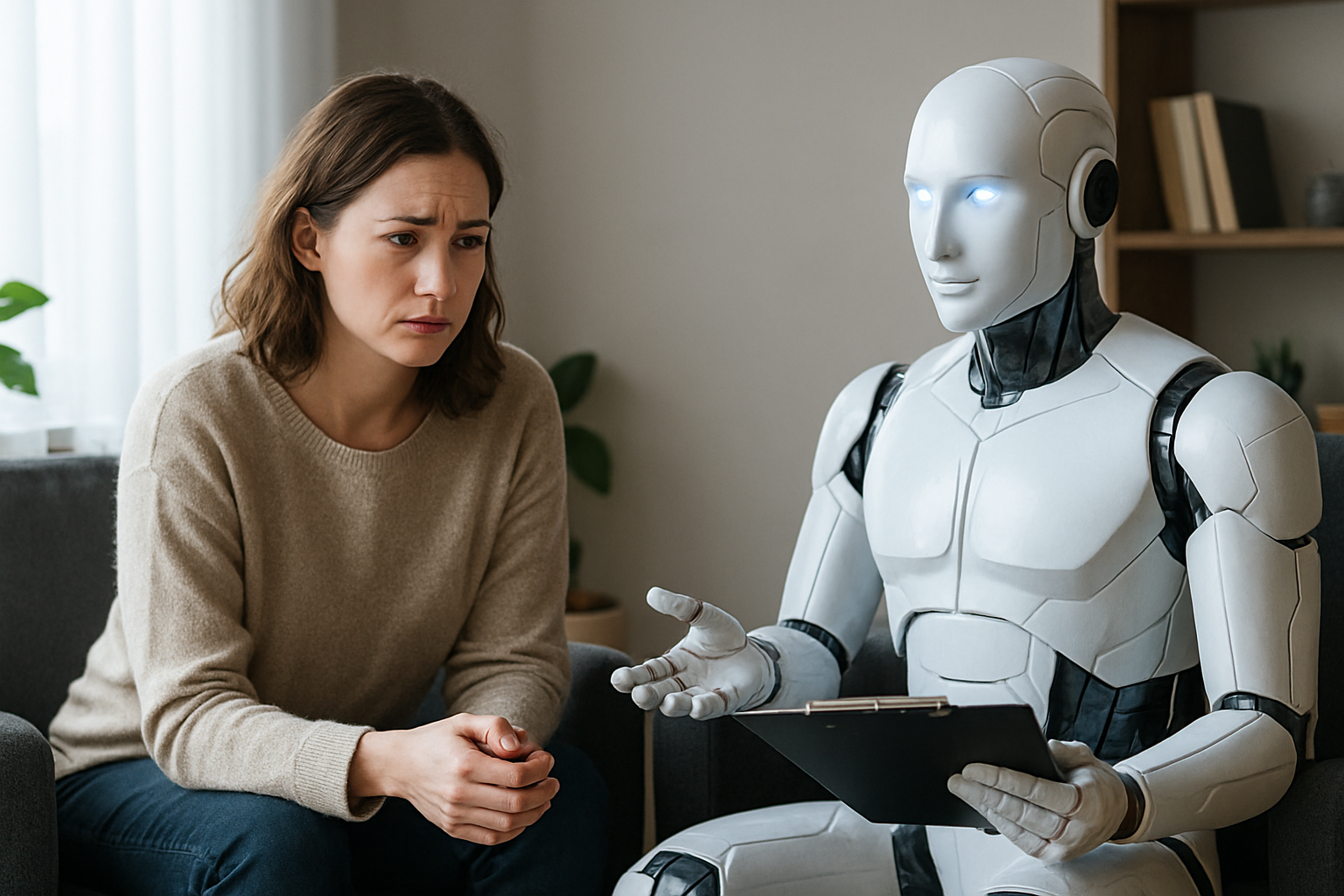
Brainstorming with AI opens new doors for innovation

AI is increasingly embraced as a reliable creative partner, offering speed and breadth in idea generation. In Fast Company, Kevin Li describes how AI complements human brainstorming under time pressure, drawing from his work at Amazon and startup Stealth.

Li argues AI is no longer just a tool but a true collaborator in creative workflows. Generative models can analyse vast data sets and rapidly suggest alternative concepts, helping teams reimagine product features, marketing strategies, and campaign angles. The shift aligns with broader industry trends.

A McKinsey report from earlier this year highlighted that, while only 1% of companies consider themselves mature in AI use, most are investing heavily in this area. Creative use cases are expected to generate massive value by 2025.

Li notes that the most effective use of AI occurs when it’s treated as a sounding board. He recounts how the quality of ideas improved significantly when AI offered raw directions that humans later refined. The hybrid model is gaining traction across multiple startups and established firms alike.

Still, original thinking remains a hurdle. A recent study by PsyPost found human pairs often outperform AI tools in generating novel ideas during collaborative sessions. While AI offers scale, human teams reported more substantial creative confidence and profound originality.

The findings suggest AI may work best at the outset of ideation, followed by human editing and development. Experts recommend setting clear roles for AI in the creative cycle. For instance, tools like ChatGPT or Midjourney might handle initial brainstorming, while humans oversee narrative coherence, tone, and ethics.

The approach is especially relevant in advertising, product design, and marketing, where nuance is still essential. Creatives across X are actively sharing tips and results. One agency leader posted about reducing production costs by 30% using AI tools for routine content work.

The strategy allowed more time and budget to focus on storytelling and strategy. Others note that using AI to write draft copy or generate design options is becoming common. Yet concerns remain over ethical boundaries.

The Orchidea Innovation Blog cautioned in 2023 that AI often recycles learned material, which can limit fresh perspectives. Recent conversations on X raise alarms about over-reliance. Some fear AI-generated content will eradicate originality across sectors, particularly marketing, media, and publishing.

To counter such risks, structured prompting and human-in-the-loop models are gaining popularity. ClickUp’s AI brainstorming guide recommends feeding diverse inputs to avoid homogeneous outputs. Précis AI referenced Wharton research to show that vague prompts often produce repetitive results.

The solution: intentional, varied starting points with iterative feedback loops. Emerging platforms are tackling this in real-time. Ideamap.ai, for example, enables collaborative sessions where teams interact with AI visually and textually.

Jabra’s latest insights describe AI as a ‘thought partner’ rather than a replacement, enhancing team reasoning and ideation dynamics without eliminating human roles. Looking ahead, the business case for AI creativity is strong.

McKinsey projects hundreds of billions in value from AI-enhanced marketing, especially in retail and software. Influencers like Greg Isenberg predict $100 million niches built on AI-led product design. Frank$Shy’s analysis points to a $30 billion creative AI market by 2025, driven by enterprise tools.

Even in e-commerce, AI is transforming operations. Analytics India Magazine reports that brands build eight-figure revenues by automating design and content workflows while keeping human editors in charge. The trend is not about replacement but refinement and scale.

Li’s central message remains relevant: when used ethically, AI augments rather than replaces creativity. Responsible integration supports diverse voices and helps teams navigate the fast-evolving innovation landscape. The future of ideation lies in balance, not substitution.

Would you like to learn more about AI, tech, and digital diplomacy? If so, ask our Diplo chatbot!

UAE partnership boosts NeOnc’s clinical trial programme

Biotech firm NeOnc Technologies has gained rapid attention after going public in March 2025 and joining the Russell Microcap Index just months later. The company focuses on intranasal drug delivery for brain cancer, allowing patients to administer treatment at home and bypass the blood-brain barrier.

NeOnc’s lead treatment is in Phase 2A trials for glioblastoma patients and is already showing extended survival times with minimal side effects. Backed by a partnership with USC’s Keck Medical School, the company is also expanding clinical trials to the Middle East and North Africa under US FDA standards.

A $50 million investment deal with a UAE-based firm is helping fund this expansion, including trials run by Cleveland Clinic through a regional partnership. The trials are expected to be fully enrolled by September, with positive preliminary data already being reported.

AI and quantum computing are central to NeOnc’s strategy, particularly in reducing risk and cost in trial design and drug development. As a pre-revenue biotech, the company is betting that innovation and global collaboration will carry it to the next stage of growth.

Would you like to learn more about AI, tech and digital diplomacy? If so, ask our Diplo chatbot!
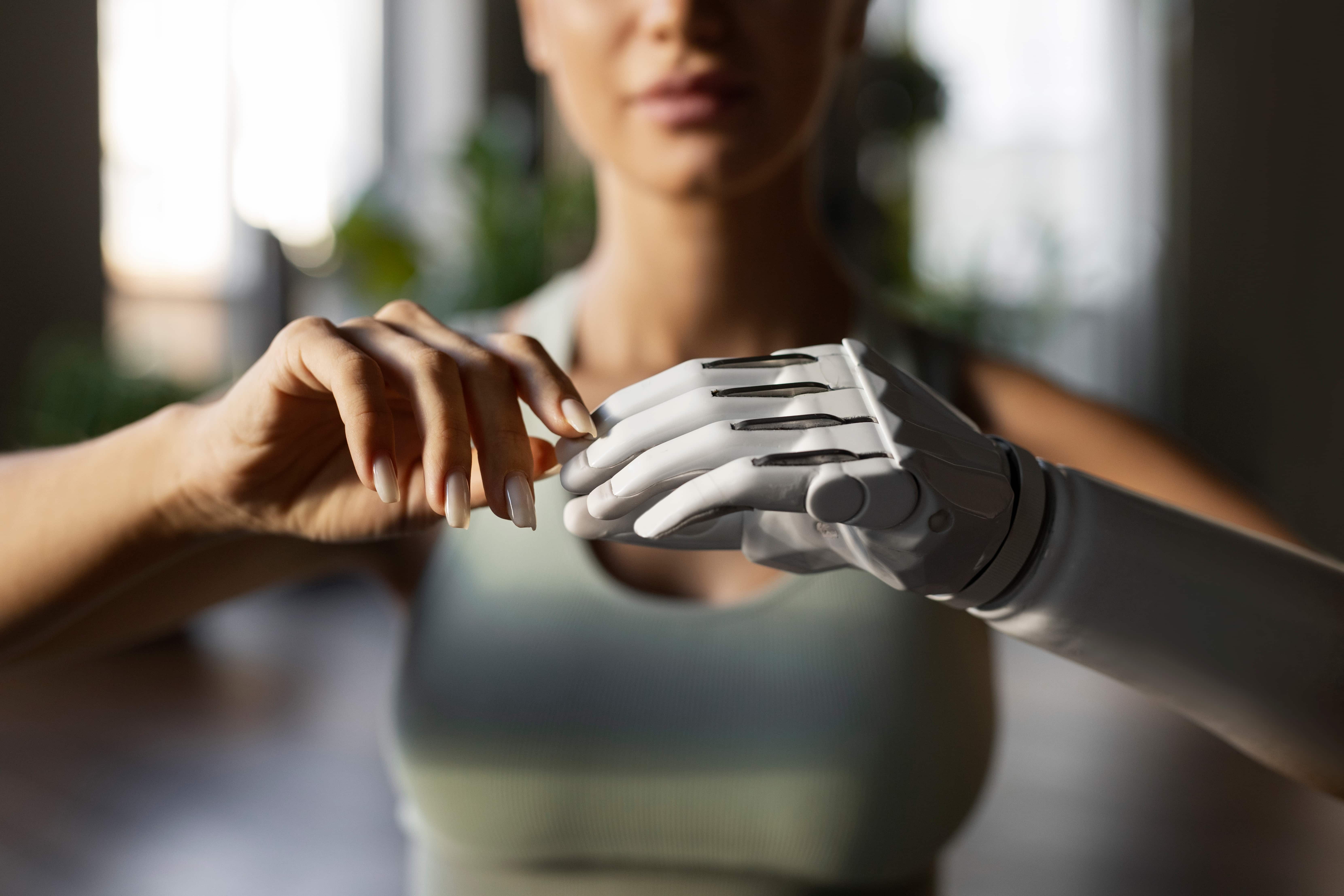
ECOSOC adopts CSTD draft resolution on WSIS outcomes implementation

On 29 July 2025, the UN Economic and Social Council (ECOSOC) adopted a resolution titled ‘Assessment of the progress made in the implementation of and follow-up to the outcomes of the World Summit on the Information Society‘.

Prepared by the Commission on Science and Technology for Development (CSTD) and adopted as a draft at the Commission’s 28th meeting in April 2025, the resolution outlines several vital recommendations for possible outcomes of the ongoing process dedicated to the review of 20 years of implementation of outcomes of the World Summit on the Information Society (the so-called WSIS+20 review process):

  • A recommendation is that, as an outcome of the WSIS+20 process, commitments outlined in the Global Digital Compact (GDC) are integrated into the work of WSIS action lines by the action lines facilitators (para 131).
  • A recommendation regarding strengthening the UN Group on the Information Society (UNGIS), by including further UN offices with responsibilities in matters of digital cooperation, as well as multistakeholder advice on its work, as appropriate (para 132).
  • A recommendation that UNGIS is tasked with developing a joint implementation roadmap, to be presented to CSTD’s 29th session, to integrate GDC commitments into the WSIS architecture, ensuring a unified approach to digital cooperation that avoids duplication and maximises resource efficiency (para 133).
  • A call for strengthening the CSTD in its role as an intergovernmental platform for discussions on the impact and opportunities of technologies to achieve sustainable development goals (para 134).

The resolution also emphasises the role of CSTD in the GDC’s follow-up and review process and the need to ensure the strongest possible convergences between the implementation of WSIS outcomes and the Compact to avoid duplication and enhance synergies, efficiencies, and impact (para 135).

ECOSOC adopted the resolution without discussion and by consensus. When discussed at CSTD in April, the draft resolution was adopted by a vote of 33 in favour and one against; the USA, which voted against, explained its vote.

Would you like to learn more about AI, tech and digital diplomacy? If so, ask our Diplo chatbot

Trust in human doctors remains despite AI advancements

OpenAI CEO Sam Altman has stated that AI, especially ChatGPT, now surpasses many doctors in diagnosing illnesses. However, he pointed out that individuals still prefer human doctors because of the trust and emotional connection they provide.

Altman also expressed concerns about the potential misuse of AI, such as using voice cloning for fraud and identity theft. He emphasised the need for stronger privacy protections for sensitive conversations with AI tools like ChatGPT, noting that current standards are inadequate and should align with those for therapists.

Would you like to learn more about AI, tech and digital diplomacy? If so, ask our Diplo chatbot!
AI bands rise as real musicians struggle to compete

AI is quickly transforming the music industry, with AI-generated bands now drawing millions of plays on platforms like Spotify.

While these acts may sound like traditional musicians, they are entirely digital creations. Streaming services rarely label AI music clearly, and the producers behind these tracks often remain anonymous and unreachable. Human artists, meanwhile, are quietly watching their workload dry up.

Music professionals are beginning to express concern. Composer Leo Sidran believes AI is already taking work away from creators like him, noting that many former clients now rely on AI-generated solutions instead of original compositions.

Unlike previous tech innovations, which empowered musicians, AI risks erasing job opportunities entirely, according to Berklee College of Music professor George Howard, who warns it could become a zero-sum game.

AI music is especially popular for passive listening—background tracks for everyday life. In contrast, real musicians still hold value among fans who engage more actively with music.

However, AI is cheap, fast, and royalty-free, making it attractive to publishers and advertisers. From film soundtracks to playlists filled with faceless artists, synthetic sound is rapidly replacing human creativity in many commercial spaces.

Experts urge musicians to double down on what makes them unique instead of mimicking trends that AI can easily replicate. Live performance remains one of the few areas where AI has yet to gain traction. Until synthetic bands take the stage, artists may still find refuge in concerts and personal connection with fans.

Would you like to learn more about AI, tech and digital diplomacy? If so, ask our Diplo chatbot!

Flipkart employee deletes ChatGPT over emotional dependency

ChatGPT has become an everyday tool for many, serving as a homework partner, a research aid, and even a comforting listener. But questions are beginning to emerge about the emotional bonds users form with it. A recent LinkedIn post has reignited the debate around AI overuse.

Simrann M Bhambani, a marketing professional at Flipkart, publicly shared her decision to delete ChatGPT from her devices. In a post titled ‘ChatGPT is TOXIC! (for me)’, she described how casual interaction escalated into emotional dependence. The platform began to resemble a digital therapist.

Bhambani admitted to confiding every minor frustration and emotional spiral to the chatbot. Its constant availability and non-judgemental replies gave her a false sense of security. Even with supportive friends, she felt drawn to the machine’s quiet reliability.

What began as curiosity turned into compulsion. She found herself spending hours feeding the bot intrusive thoughts and endless questions. ‘I gave my energy to something that wasn’t even real,’ she wrote. The experience led to more confusion instead of clarity.

Rather than offering mental relief, the chatbot fuelled her overthinking. The emotional noise grew louder, eventually becoming overwhelming. She realised that the problem wasn’t the technology itself, but how it quietly replaced self-reflection.

Deleting the app marked a turning point. Bhambani described the decision as a way to reclaim mental space and reduce digital clutter. She warned others that AI tools, while useful, can easily replace human habits and emotional processing if left unchecked.

Many users may not notice such patterns until they are deeply entrenched. AI chatbots are designed to be helpful and responsive, but they lack the nuance and care of human conversation. Their steady presence can foster a deceptive sense of intimacy.

People increasingly rely on digital tools to navigate their daily emotions, often without understanding the consequences. Some may find themselves withdrawing from human relationships or journalling less often. Emotional outsourcing to machines can significantly change how people process personal experiences.

Industry experts have warned about the risks of emotional reliance on generative AI. Chatbots are known to produce inaccurate or hallucinated responses, especially when asked to provide personal advice. Sole dependence on such tools can lead to misinformation or emotional confusion.

Companies like OpenAI have stressed that ChatGPT is not a substitute for professional mental health support. While the bot is trained to provide helpful and empathetic responses, it cannot replace human judgement or real-world relationships. Boundaries are essential.

Mental health professionals also caution against using AI as an emotional crutch. Reflection and self-awareness take time and require discomfort, which AI often smooths over. The convenience can dull long-term growth and self-understanding.

Bhambani’s story has resonated with many who have quietly developed similar habits. Her openness has sparked important discussions on emotional hygiene in the age of AI. More users are starting to reflect on their relationship with digital tools.

Social media platforms are also witnessing an increased number of posts about AI fatigue and cognitive overload. People are beginning to question how constant access to information and feedback affects emotional well-being. There is growing awareness around the need for balance.

AI is expected to become even more integrated into daily life, from virtual assistants to therapy bots. Recognising the line between convenience and dependency will be key. Tools are meant to serve, not dominate, personal reflection.

Developers and users alike must remain mindful of how often and why they turn to AI. Chatbots can complement human support systems, but they are not replacements. Bhambani’s experience serves as a cautionary tale in the age of machine intimacy.

Would you like to learn more about AI, tech and digital diplomacy? If so, ask our Diplo chatbot!

Tech giants back Trump’s AI deregulation plan amid public concern over societal impacts

Donald Trump recently hosted an AI summit in Washington, titled ‘Winning the AI Race,’ geared towards a deregulated atmosphere for AI innovation. Key figures from the tech industry, including Nvidia’s CEO Jensen Huang and Palantir’s CTO Shyam Sankar, attended the event.

Co-hosted by the Hill and Valley Forum and the Silicon Valley All-in Podcast, the summit was a platform for Trump to introduce his ‘AI Action Plan‘, comprised of three executive orders focusing on deregulation. Trump’s objective is to dismantle regulatory restrictions he perceives as obstacles to innovation, aiming to re-establish the US as a leader in AI exportation globally.

The executive orders announced target the elimination of ‘ideological dogmas such as diversity, equity, and inclusion (DEI)’ in AI models developed by federally funded companies. Additionally, one order promotes exporting US-developed AI technologies internationally, while another seeks to lessen environmental restrictions and speed up approvals for energy-intensive data centres.

These measures are seen as reversing the Biden administration’s policies, which stressed the importance of safety and security in AI development. Technology giants Apple, Meta, Amazon, and Alphabet have shown significant support for Trump’s initiatives, contributing to his inauguration fund and engaging with him at his Mar-a-Lago estate. Leaders like OpenAI’s Sam Altman and Nvidia’s Jensen Huang have also pledged substantial investments in US AI infrastructure.

Despite this backing, over 100 groups, including labour, environmental, civil rights, and academic organisations, have voiced their opposition through a ‘People’s AI action plan’. These groups warn of the potential risks of unregulated AI, which they fear could undermine civil liberties, equality, and environmental safeguards.

They argue that public welfare should not be compromised for corporate gains, highlighting the dangers of allowing tech giants to dominate policy-making. That discourse illustrates the divide between industry aspirations and societal consequences.

The tech industry’s influence on AI legislation through lobbying is noteworthy, with a report from Issue One indicating that eight of the largest tech companies spent a collective $36 million on lobbying in 2025 alone. Meta led with $13.8 million, employing 86 lobbyists, while Nvidia and OpenAI saw significant increases in their expenditure compared to previous years. The substantial financial outlay reflects the industry’s vested interest in shaping regulatory frameworks to favour business interests, igniting a debate over the ethical responsibilities of unchecked AI progress.

As tech companies and pro-business entities laud Trump’s deregulation efforts, concerns persist over the societal impacts of such policies.

Would you like to learn more about AI, tech and digital diplomacyIf so, ask our Diplo chatbot!

China issues action plan for global AI governance and proposes global AI cooperation organisation

At the 2025 World AI Conference in Shanghai, Chinese Premier Li Qiang urged the international community to prioritise joint efforts in governing AI, making reference to a need to establish a global framework and set of rules widely accepted by the global community. He unveiled a proposal by the Chinese government to create a global AI cooperation organisation to foster international collaboration, innovation, and inclusivity in AI across nations.

China attaches great importance to global AI governance, and has been actively promoting multilateral and bilateral cooperation with a willingness to offer more Chinese solutions‘.

An Action Plan for AI Global Governance was also presented at the conference. The plan outlines, in its introduction, a call for ‘all stakeholders to take concrete and effective actions based on the principles of serving the public good, respecting sovereignty, development orientation, safety and controllability, equity and inclusiveness, and openness and cooperation, to jointly advance the global development and governance of AI’.

The document includes 13 points related to key areas of international AI cooperation, including promoting inclusive infrastructure development, fostering open innovation ecosystems, ensuring high-quality data supply, and advancing sustainability through green AI practices. It also calls for consensus-building around technical standards, advancing international cooperation on AI safety governance, and supporting countries – especially those in the Global South – in ‘developing AI technologies and services suited to their national conditions’.

Notably, the plan indicates China’s support for multilateralism when it comes to the governance of AI, calling for an active implementation of commitments made by UN member states in the Pact for the Future and the Global Digital Compact, and expressing support for the establishment of the International AI Scientific Panel and a Global Dialogue on AI Governance (whose terms of reference are currently negotiated by UN member states in New York).

Would you like to learn more about AI, tech and digital diplomacyIf so, ask our Diplo chatbot!

UBTech’s Walker S2 marks a leap towards uninterrupted robotic work

The paradigm of robotic autonomy is undergoing a profound transformation with the advent of UBTech’s new humanoid, the Walker S2. Traditionally, robots have been tethered to human assistance for power, requiring manual plugging in or lengthy recharges.

UBTech, a pioneering robotics company, is now dismantling these limitations with a groundbreaking feature in the Walker S2: the ability to swap its battery autonomously. The innovation promises to reshape the landscape of factory work and potentially many other industries, enabling near-continuous, 24/7 operation without human intervention.

The core of this advancement lies in the Walker S2’s sophisticated self-charging mechanism. When a battery begins to deplete, the robot does not power down. Instead, it intelligently navigates to a strategically placed battery swap station.

Once positioned, the robot executes a precise sequence of movements: it twists its torso, deploys built-in tools on its arms to unfasten and remove the drained battery from its back cavity, places it into an empty bay on the swap station, and then expertly retrieves a fresh, fully charged module.

The new battery is then securely plugged into one of its dual battery bays. The process is remarkably swift, taking approximately three minutes, allowing the robot to return to its tasks almost immediately.

The hot-swappable system mirrors the convenience of advanced electric vehicle technology, but its application to humanoid robotics unlocks unprecedented operational efficiency. Standing at 5 feet, 3 inches (approximately 160 cm) tall and weighing 95 pounds (about 43 kg), the Walker S2 is designed to integrate seamlessly into environments built for humans.

It has two 48-volt lithium batteries, ensuring a continuous power supply during the brief swapping procedure. While one battery powers the robot’s ongoing operations, the other can be exchanged.

Each battery provides approximately two hours of operation while walking or up to four hours when the robot stands still and performs tasks. The battery swap stations are not merely power hubs; they also meticulously monitor the health of each battery.

Should a battery show signs of degradation, a technician can be alerted to a timely replacement, further optimising the robot’s longevity and performance.

UBTech claims the Walker S2 is not a mere laboratory prototype but a robust solution engineered for real-world industrial deployment. Extensive testing has been conducted in the highly demanding environments of car factories operated by major Chinese electric vehicle manufacturers, including BYD, Nio, and Zeekr.

The trials validate the robot’s ability to operate effectively in dynamic production lines. The Walker S2 incorporates advanced vision systems, allowing it to detect battery levels and identify fully charged units, indicated by a green light on the stacked battery packs.

The robot autonomously reads the visual cues, ensuring precise selection and connection via a simple USB-style connector. Furthermore, the robot features a display face, enabling it to communicate its operational status to human workers, fostering a collaborative and transparent work environment. For safety, a prominent emergency stop button is also integrated.

China’s strategic investment in robotics is a driving force behind such innovations. Shenzhen, UBTech’s home base, is a thriving hub for robotics, boasting over 1,600 companies in the sector.

The nation’s broader push towards automation, part of its ‘Made in China 2025’ strategy, is a clear statement of global competitiveness, with China betting on AI and robotics to spearhead the next manufacturing era.

The coordinated industrial policy has led to China becoming the world’s largest market for industrial robots and a significant innovator in the field. The implications of robots like the Walker S2, built for non-stop operation, extend far beyond traditional factory floors.

Their ability to manage physical tasks continuously could redefine work in various sectors. Industries such as logistics, with vast warehouses requiring constant material handling, or airports, where baggage and cargo movement is ceaseless, benefit immensely.

Hospitals could also see these humanoids assisting with logistical duties, allowing human staff to concentrate on direct patient care. For businesses, the promise of 24/7 automation translates directly into increased output without additional human resources, ensuring operations move seamlessly day and night.

The Walker S2 exemplifies how advanced automation rapidly moves beyond research labs into practical, demanding workplaces. With its autonomous battery-swapping capability, humanoid robots are poised to work extended hours that far exceed human capacity.

The robots do not require coffee breaks or need sleep; they are designed for relentless productivity, marking a significant step towards a future where machines play an even more integral role in daily industrial and societal functions.

Would you like to learn more about AI, tech and digital diplomacy? If so, ask our Diplo chatbot!
Netflix’s AI-driven VFX marks industry milestone

Making a significant leap into generative AI, Netflix has incorporated it into the post-production of its original series The Eternaut, which marks the first time the streaming giant has used AI-generated content in a final scene.

The sequence in question, a dramatic depiction of a building collapsing in Buenos Aires, was created using generative AI, allowing for a rapid and cost-effective production process.

Co-CEO Ted Sarandos emphasised that the AI-generated sequence was completed 10 times faster and more affordably than traditional visual effects methods.

He noted that AI enabled the production team to achieve high-quality visual effects that would have been unfeasible within the show’s budget constraints.

However, this development highlights Netflix’s commitment to exploring innovative technologies to enhance its content creation processes.

The company aims to streamline production workflows and expand creative possibilities by integrating generative AI, and the move like this one also raises questions about the implications of AI in the entertainment industry, particularly concerning the potential impact on jobs and the authenticity of creative work.

Would you like to learn more about AI, tech and digital diplomacy? If so, ask our Diplo chatbot!