Gemini has taken a major step towards expanding in Europe after securing in-principle approval from the Malta Financial Services Authority. This pre-approval moves the crypto exchange closer to offering regulated investment services across the European Union.
Once fully authorised, the Investment Firm licence will allow Gemini to provide futures and options under the EU’s MiFID II framework. Mark Jennings, Gemini’s head of Europe, highlighted growing institutional interest in crypto derivatives, calling the milestone a crucial step in delivering a top-tier platform for investors.
With Malta as its EU hub, Gemini is following other major platforms like Crypto.com and Bitpanda, which recently gained MiCA approvals. As the exchange continues its regulatory journey, reports suggest it is also considering an initial public offering.
For more information on these topics, visit diplomacy.edu.
Lam Research, a leading US-based chip toolmaker, has announced plans to invest over 100 billion rupees ($1.2 billion) in Karnataka, India. The company has signed a memorandum of understanding with the Karnataka Industrial Area Development Board to facilitate the investment, which was revealed during the ‘Invest Karnataka’ event.
The initiative aligns with India’s efforts to strengthen its semiconductor ecosystem. Prime Minister Narendra Modi’s government has introduced a $10 billion incentive programme to attract global chip firms. With semiconductor market projected to reach $63 billion by 2026 in India, the country is emerging as a significant player in the global semiconductor race.
Karnataka, home to Bengaluru, serves as a critical driver of India’s economy. Known for its contributions to IT services, software, and manufacturing exports, the state is increasingly positioning itself as a hub for high-tech investments.
India’s IT minister hailed Lam Research’s investment as a major step in the nation’s semiconductor ambitions. The announcement reflects growing confidence in the government’s vision for a robust and competitive semiconductor industry.
For more information on these topics, visit diplomacy.edu.
European data protection authorities are set to discuss Chinese AI startup DeepSeek amid growing concerns about how the company handles personal data. The European Data Protection Board will review the firm’s practices at its monthly meeting on Tuesday, following questions from several national regulators about whether European user data is being used for AI training and if it could be transferred to China.
France‘s privacy watchdog, CNIL, has already questioned DeepSeek about its AI model and any potential risks to user privacy. Ireland‘s data protection authority has also requested information, while Italy has taken a more drastic step by ordering DeepSeek to block its chatbot in the country due to unresolved concerns over its privacy policy.
The European Union is known for its strict data protection laws, with the General Data Protection Regulation (GDPR) considered one of the most comprehensive privacy frameworks globally. Authorities are now working to coordinate their approach to ensure a consistent response to DeepSeek’s activities across the region.
Salesforce has announced plans to invest $500 million in AI initiatives in Saudi Arabia as global competition for AI investment intensifies. The company will introduce Hyperforce, its cloud platform architecture developed in partnership with Amazon Web Services, to the country. The investment was revealed at LEAP 2025, Saudi Arabia’s major global tech event, which secured nearly $15 billion in new AI-related investments.
As part of the initiative, Salesforce will collaborate with major firms, including Capgemini, Deloitte, IBM, and PwC, to expand the use of its AI-driven customer service platform, Agentforce. Additionally, it will introduce Arabic language support for its AI product suite, making its technology more accessible in the region.
Salesforce recently announced plans to establish a regional headquarters in Riyadh, aligning with Saudi Arabia‘s broader push to become a major player in the AI sector. The company has also committed to upskilling 30,000 Saudi citizens by 2030, reflecting its long-term commitment to developing AI talent in the region.
Brazil’s finance minister, Fernando Haddad, has dismissed claims that the country is considering taxing US tech companies in retaliation for new American tariffs on steel imports. The report, published by Folha de S.Paulo, suggested that President Luiz Inácio Lula da Silva’s administration was weighing levies on firms such as Amazon, Meta, and Google. Haddad stated that the information was incorrect and reaffirmed that the government would only make decisions based on concrete developments.
The United States is expected to introduce new 25% tariffs on steel and aluminium imports, adding to existing trade restrictions. As one of the largest suppliers of steel to the United States, Brazil has been closely monitoring the situation. Haddad emphasised that the government would adopt a measured approach, making announcements only when appropriate to avoid misinterpretation.
Previous discussions within Brazil‘s finance ministry have explored the possibility of taxing big tech firms as part of broader fiscal policies. However, no formal decision has been made, and Haddad’s comments suggest that any future action will depend on concrete economic considerations rather than speculation.
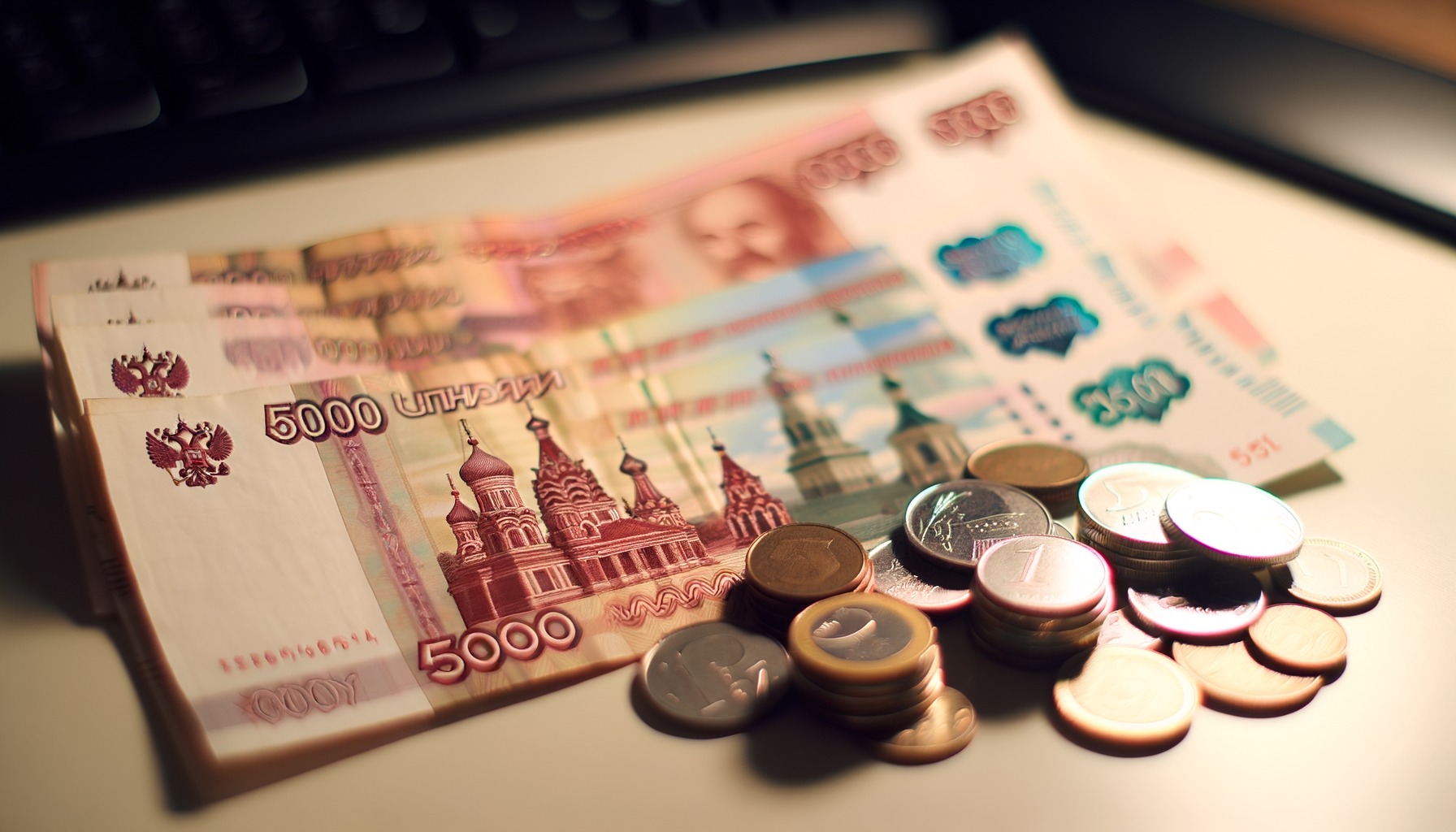
Russia is moving closer to using the digital rouble for welfare payments, with the government discussing its introduction despite concerns over adoption hurdles. Reports suggest the Central Bank, the Federal Treasury, and the Ministry of Finance are exploring ways to distribute social benefits using the country’s central bank digital currency.
The Ministry of Finance believes the digital rouble could improve efficiency and prevent fraud by ensuring funds are spent as intended. The Central Bank, however, primarily sees the CBDC as a payment tool and is continuing pilot tests with major banks. Reports indicate that a trial for social benefits could begin as early as August, alongside other budgetary operations.
Officials have also hinted at the possibility of tracking digital rouble transactions to control spending, a move reminiscent of the Soviet-era financial system. While experts acknowledge the potential benefits, they warn that widespread adoption may take time, given infrastructure gaps in rural areas and resistance to cashless payments.
For more information on these topics, visit diplomacy.edu.
AI chip startup Positron has raised $23.5 million in a bid to compete with industry leader Nvidia. The Reno-based company, which manufactures its chips in Arizona, claims its processors consume less than a third of the power of Nvidia’s high-performance H100 chips while maintaining similar capabilities. Investors in the funding round included Valor Equity Partners, Atreides Management, and Flume Ventures.
Positron’s chips are designed for AI inference, the stage where trained AI models are used rather than developed. While demand is currently higher for training chips, analysts predict that inference chips could soon become the more sought-after option as AI applications expand. This shift has led major players such as OpenAI, Google, and Meta to invest heavily in AI infrastructure, with spending expected to reach tens of billions of dollars this year.
Although Nvidia dominates roughly 80% of the AI chip market, rising costs and concerns over reliance on a single supplier have pushed major tech firms to seek alternatives. With its latest funding, Positron positions itself as a strong contender in the growing US and global AI chip industry, offering a more energy-efficient option for future AI applications.
For more information on these topics, visit diplomacy.edu
Toyota Financial Services is set to issue its first blockchain-powered security token bonds next month, marking a significant step in the company’s embrace of blockchain technology. The offering will be a 1 billion yen ($6.6 million) unsecured bond, with Daiwa Securities and Mitsubishi UFJ Bank collaborating on the project.
The token will be launched on the Progmat platform, operated by Mitsubishi UFJ. Toyota aims to strengthen its ties with individual investors by offering special benefits for token holders who also use the Toyota Wallet app. Those investing over 1 million yen will receive bonus credits in the app, adding an extra incentive.
Sales for the token will run from 20 February to 27 February, with the bond maturing on 3 March 2025. This offering is part of a broader push by Japanese companies to explore security tokens, as the government supports blockchain innovation.
For more information on these topics, visit diplomacy.edu.
Foxconn, the world’s largest contract electronics manufacturer and Apple’s main iPhone maker, is prepared to adjust its production strategies in response to new US tariffs. Chairman Young Liu stated that the company is capable of planning its manufacturing around these changes, particularly with US President Donald Trump’s recently announced 25% tariff on all imports from Mexico and Canada, which has been paused until March 4.
Liu explained that Foxconn operates factories in both the United States and Mexico and will adjust production capacities based on the impact of the tariffs. He emphasised that Foxconn has the flexibility to move its operations between countries, minimising the overall effect of the tariffs on the company. However, Liu also warned that such tariffs are detrimental to the global economy, potentially shrinking markets.
Foxconn remains committed to working with US partners to align its manufacturing strategies with President Trump’s push for more domestic production. Despite the uncertainty around the tariffs, the company is prepared to adapt as necessary.
For more information on these topics, visit diplomacy.edu.
Federal Reserve Chair Jerome Powell has confirmed that the US will not launch a central bank digital currency (CBDC) while he remains in charge. Speaking during a Senate Banking Committee meeting on 11 February, Powell assured lawmakers that under his leadership, the Fed would not issue a digital dollar, a position he has reiterated ahead of his term’s end in May 2026.
This statement came amid broader discussions on monetary policy and debanking, with Powell responding to queries from Senators, including concerns over government pressure on financial institutions to cut ties with crypto firms. The Senate hearing, focused on a semiannual monetary policy report, also touched on the Fed’s approach to crypto and digital currency in the US.
The move aligns with broader political trends, as Republican lawmakers have made preventing a digital dollar a key policy issue. In January, former President Trump issued an executive order opposing the establishment of a US digital currency, although its legal standing remains disputed.
For more information on these topics, visit diplomacy.edu.