Meme coins surge as PEPE leads the rally

Meme coins have recorded a 3.2% increase in the past 24 hours, with PEPE leading the rally. The sector’s total market cap now stands at $53.8 billion, marking a 12.2% rise over the past week.

Rebound like this one follows a period of weak sentiment in early May, as reflected in the Fear and Greed Index.

PEPE has gained 14.9% in the past seven days, currently trading at $0.000007922. Meanwhile, Dogecoin (DOGE) has delivered a 4.9% return in the last 24 hours.

PEPE’s daily trading volume has surged by 30% to $630 million. Open interest in its futures contracts has reached its highest level in nearly a month.

The meme coin appears poised to retest the $0.00000900 level after breaking out of a descending price channel. Technical indicators support a bullish outlook.

The RSI is maintaining a strong position, while the MACD histogram shows increasing momentum. With the Federal Reserve meeting now behind, market conditions appear favourable for further gains.

In parallel, MIND of Pepe (MIND), an AI-driven meme coin project, has raised $7.6 million in its presale. The token aims to leverage artificial intelligence and social media influence to enhance user engagement. Investors can acquire $MIND at a discounted rate before the next price increase in 36 hours.

For more information on these topics, visit diplomacy.edu

BlackRock launches Bitcoin ETP in Europe

BlackRock, the world’s largest asset manager, has expanded its reach into the European crypto market with the launch of the iShares Bitcoin ETP.

The product will begin trading on Germany’s Xetra exchange, Euronext Paris, and Euronext Amsterdam. However, this move follows the success of the iShares Bitcoin Trust in the US, which has amassed $48 billion since its launch in January 2024.

The iShares Bitcoin ETP is designed to cater to both institutional and qualified retail investors. BlackRock has introduced a competitive 10 basis point fee waiver for the product, reducing its expense ratio to 0.15% through the end of the year.

Once the waiver expires, the ETP will charge 0.25%, matching CoinShares’ Bitcoin ETP.

Digital asset investment products saw a significant recovery last week, with $644 million in inflows. This ended a five-week streak of outflows, signalling a positive shift for the broader crypto market.

Bitcoin products led the way, with Bitcoin ETFs benefiting from rising institutional demand. Ethereum ETFs, however, experienced outflows, highlighting shifting investor preferences.

For more information on these topics, visit diplomacy.edu

Russian hackers exploit smart home devices for crypto mining and cyberattacks

The Russian Ministry of Internal Affairs has warned citizens that hackers are infecting smart home devices with crypto mining malware.

Officials claim cybercriminals aim to create networks of compromised devices that could also be used for DDoS attacks, surveillance, and even robbery.

To mitigate risks, the ministry advises regularly changing passwords, updating firmware, and purchasing devices from reputable manufacturers.

Crypto-related fraud is also rising in Russia, with criminals posing as brokerage employees to lure victims into fake exchanges.

Prosecutors in Yakutsk are investigating a case where a resident allegedly lost $4,600 to such a scheme. Authorities have launched a criminal case and a broader inquiry into fraudulent crypto operations.

Illegal crypto mining remains a pressing issue, particularly in regions like the North Caucasus and Siberia. Moscow has enforced seasonal bans on crypto mining until 2031, aiming to conserve electricity during peak winter months.

However, officials in Irkutsk report that while 308 MW of power was freed up, the unused capacity provided no tangible benefit to consumers.

Despite concerns, some government officials argue that mining bans are improving energy reliability. Transbaikal authorities claim no legal mining operations remain in the region and have found no evidence of illegal mining activity. Industry experts remain sceptical about the overall impact of these restrictions.

For more information on these topics, visit diplomacy.edu.

Ransomware spreads through online conversion tools

The FBI’s Denver Field Office has issued a national warning over a rising cyber threat involving fake file converter websites. These sites, posing as free tools for tasks like converting documents or media formats, are secretly distributing ransomware and malware while appearing to perform legitimate functions.

According to the FBI, users are lured by services that convert files such as ‘.doc’ to ‘.pdf’ or combine image files, but the downloaded output often contains hidden malware.

A recent case revealed that a site impersonating Convertio delivered RedLine Stealer, a dangerous strain that harvests sensitive data from browsers, crypto wallets, and applications like Telegram and Discord.

Security experts have identified multiple malicious domains involved, with active incidents reported in the US, Denver area, just weeks ago.

The FBI urges the public to avoid unknown converter sites, keep antivirus software updated, and use built-in conversion features within trusted apps.

For more information on these topics, visit diplomacy.edu.

India demands $601 million from Samsung

Samsung, the largest smartphone manufacturer in India, is under pressure from the Indian government over an alleged tax evasion involving telecom equipment imports.

Authorities claim the company dodged import tariffs between 2018 and 2021 by misclassifying key components it sold to Reliance Jio.

The component in question, the ‘Remote Radio Head,’ was reportedly imported from Korea and Vietnam. While Samsung argues the part does not function as a transceiver and therefore shouldn’t be subject to import duties, Indian officials point to earlier communications from the company describing it as such.

Tax raids carried out in 2021 uncovered internal documents and emails that reportedly support the government’s case. Samsung denies any wrongdoing and insists it followed local laws, citing a disagreement over technical classification rather than deliberate fraud.

The company is now exploring legal options to contest the demand. Meanwhile, seven Samsung executives in India face additional fines totalling $81 million. Reliance Jio, the buyer of the equipment, has not issued a statement.

For more information on these topics, visit diplomacy.edu.

Litecoin joins Telegram wallet for non-US users

Litecoin is now available in Telegram’s Wallet, expanding the app’s growing cryptocurrency ecosystem. Non-US users can buy, sell, and trade LTC within the wallet, alongside Bitcoin, Toncoin, and Tether.

With Telegram boasting nearly 1 billion monthly users, the integration could boost Litecoin’s adoption. However, external transfers are currently unavailable, meaning users cannot send LTC outside the wallet at this time.

Telegram continues expanding its cryptocurrency offerings, recently announcing plans to support more tokens, including meme coins. Passive rewards for holding TON and USDT will also be introduced.

To encourage adoption, Telegram is offering fee-free Litecoin purchases for the first seven days, making it easier for users to explore the new feature.

For more information on these topics, visit diplomacy.edu

Cerebras IPO faces further delays

Cerebras Systems’ plans for a public listing remain in limbo as a national security review by the US government continues to delay the AI chipmaker’s IPO.

The review, conducted by the Committee on Foreign Investment in the United States (CFIUS), is assessing a $335 million investment from Abu Dhabi-based AI firm G42, which has faced scrutiny over its past ties to China.

While executives had hoped for a smoother process under President Trump, delays in filling key political positions have further complicated approval.

Without clarity on G42’s stake, investors remain cautious, making it difficult for Cerebras to move forward. The situation reflects a broader reality for Wall Street, as expectations of a more deal-friendly environment under Trump have yet to materialise.

Analysts suggest that instead of rolling back Biden-era policies, the administration is likely to maintain or even expand scrutiny on foreign investments, particularly those linked to China.

Instead of a setback, Cerebras remains optimistic that the deal will be approved, with plans to proceed with its IPO once clearance is granted.

The company, valued at $8 billion last year, has seen its worth nearly double since then. Meanwhile, G42 has distanced itself from Huawei and secured a national security agreement with the US in an effort to gain regulatory approval.

For more information on these topics, visit diplomacy.edu.

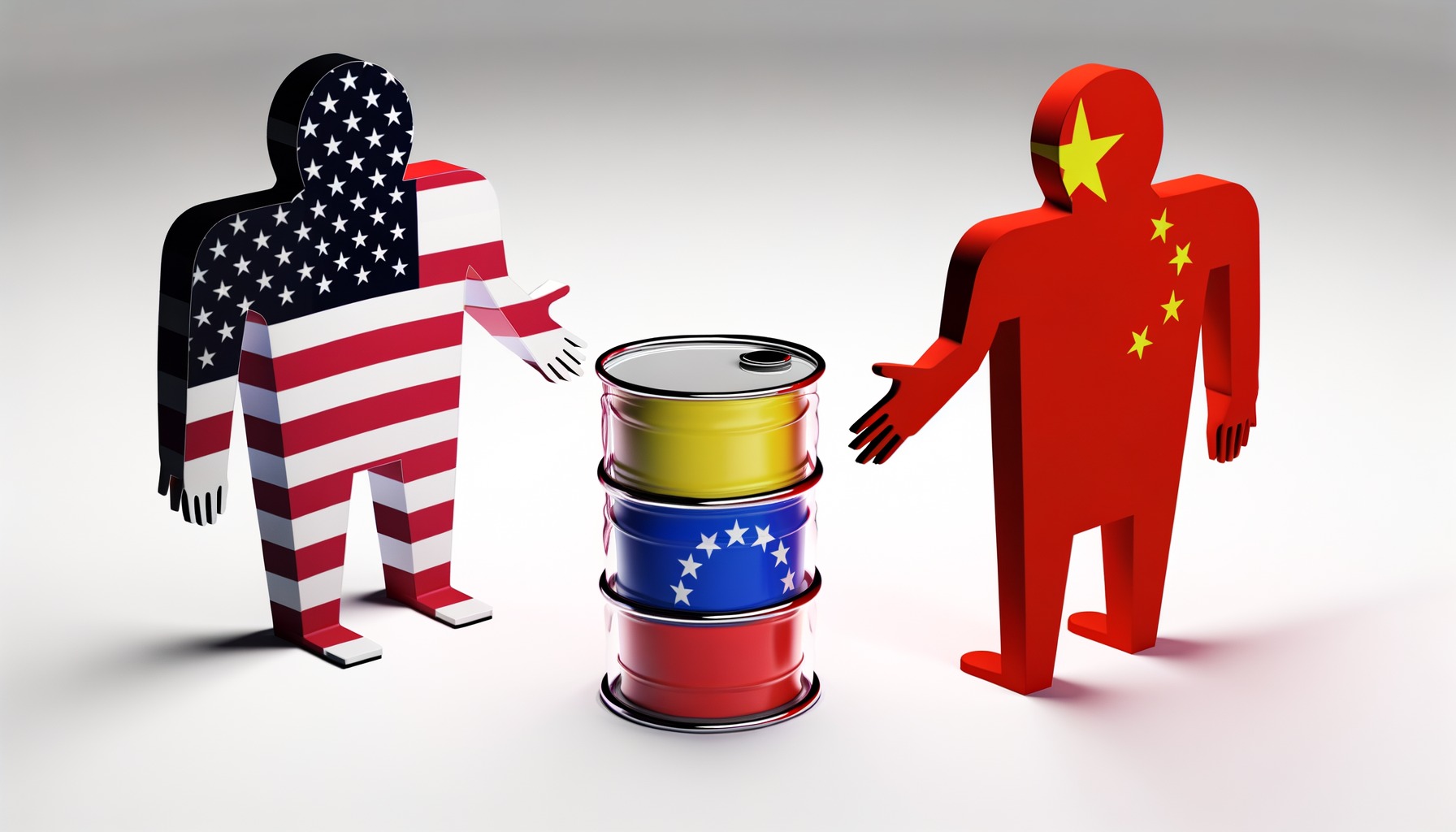
Chinese refiners hesitate as US targets Venezuela oil buyers

Chinese oil traders and refiners have temporarily halted purchases of Venezuelan crude after the United States threatened to impose 25% tariffs on countries importing from Caracas.

The sudden announcement by President Donald Trump created uncertainty in the market, leaving buyers cautious as they await further clarity on how the order will be enforced.

Venezuela’s largest oil customer, China, had been processing a significant share of its crude through independent refiners, commonly known as teapots, who now find themselves reassessing their supply strategy.

Beijing strongly opposed the US move, calling it an example of Washington’s ‘illegal unilateral sanctions’ and interference in other nations’ internal affairs. While Chinese refiners are hesitant, industry insiders suggest that purchases may resume once traders understand how to work around the restrictions.

Many teapots, reliant on cheaper crude from Venezuela amid tightening profit margins, are expected to find alternative ways to continue buying, especially if the Chinese government does not formally instruct them to stop.

The United States has ramped up pressure on Chinese imports through additional tariffs and sanctions on entities linked to oil shipments.

Some refiners affected by past US measures have already adapted, with reports indicating that certain state-linked firms continue to bring in Venezuelan crude under agreements tied to debt repayments.

Analysts believe that unless China officially restricts purchases, independent refiners will find ways to maintain their supply, despite the latest US threats.

For more information on these topics, visit diplomacy.edu.

Ticketmaster under fire for misleading Oasis ticket sales

Ticketmaster is facing scrutiny from the UK’s Competition and Markets Authority (CMA) over concerns it may have breached consumer protection laws during the recent sale of Oasis reunion tour tickets.

The CMA launched an investigation after fans complained about steep prices and a lack of transparency.

The watchdog highlighted issues with Ticketmaster’s ‘platinum’ ticket labelling, which often carried price tags more than double the standard rate.

Despite the inflated costs, the tickets did not offer better seating or added benefits. Buyers were reportedly unaware of this, leading to confusion and frustration.

Another point of concern was Ticketmaster’s handling of standing room tickets. A lower-priced category was sold off early, leaving many fans in long online queues only to be met with pricier alternatives, with little explanation provided at the time of purchase.

The CMA is now working with Ticketmaster to ensure greater clarity for consumers moving forward. It expects the platform to make changes that will help fans make better-informed decisions when buying tickets in the future.

For more information on these topics, visit diplomacy.edu.

AI physiotherapy service helps UK patients manage back pain

Lower back pain, one of the world’s leading causes of disability, has left hundreds of thousands of people in the UK stuck on long waiting lists for treatment. To address the crisis, the NHS is trialling a new solution: Flok Health, the first AI-powered physiotherapy clinic approved by the Care Quality Commission.

The app offers patients immediate access to personalised treatment plans through pre-recorded videos driven by artificial intelligence.

Created by former Olympic rower Finn Stevenson and tech expert Ric da Silva, Flok aims to treat straightforward cases that don’t require scans or hands-on intervention.

Patients interact with an AI-powered virtual physio, responding to questions that tailor the treatment pathway, with over a billion potential combinations. Unlike generative AI, Flok uses a more controlled system, eliminating the risk of fabricated medical advice.

The service has already launched in Scotland and is expanding across England, with ambitions to cover half the UK within a year. Flok is also adding treatment for conditions like hip and knee osteoarthritis, and women’s pelvic health.

While promising, the system depends on patients correctly following instructions, as the AI cannot monitor physical movements. Real physiotherapists are available to answer questions, but they do not provide live feedback during exercises.

Though effective for some, not all users find AI a perfect fit. Some, like the article’s author, prefer the hands-on guidance and posture corrections of human therapists.

Experts agree AI has potential to make healthcare more accessible and efficient, but caution that these tools must be rigorously evaluated, continuously monitored, and designed to support – not replace – clinical care.

For more information on these topics, visit diplomacy.edu.