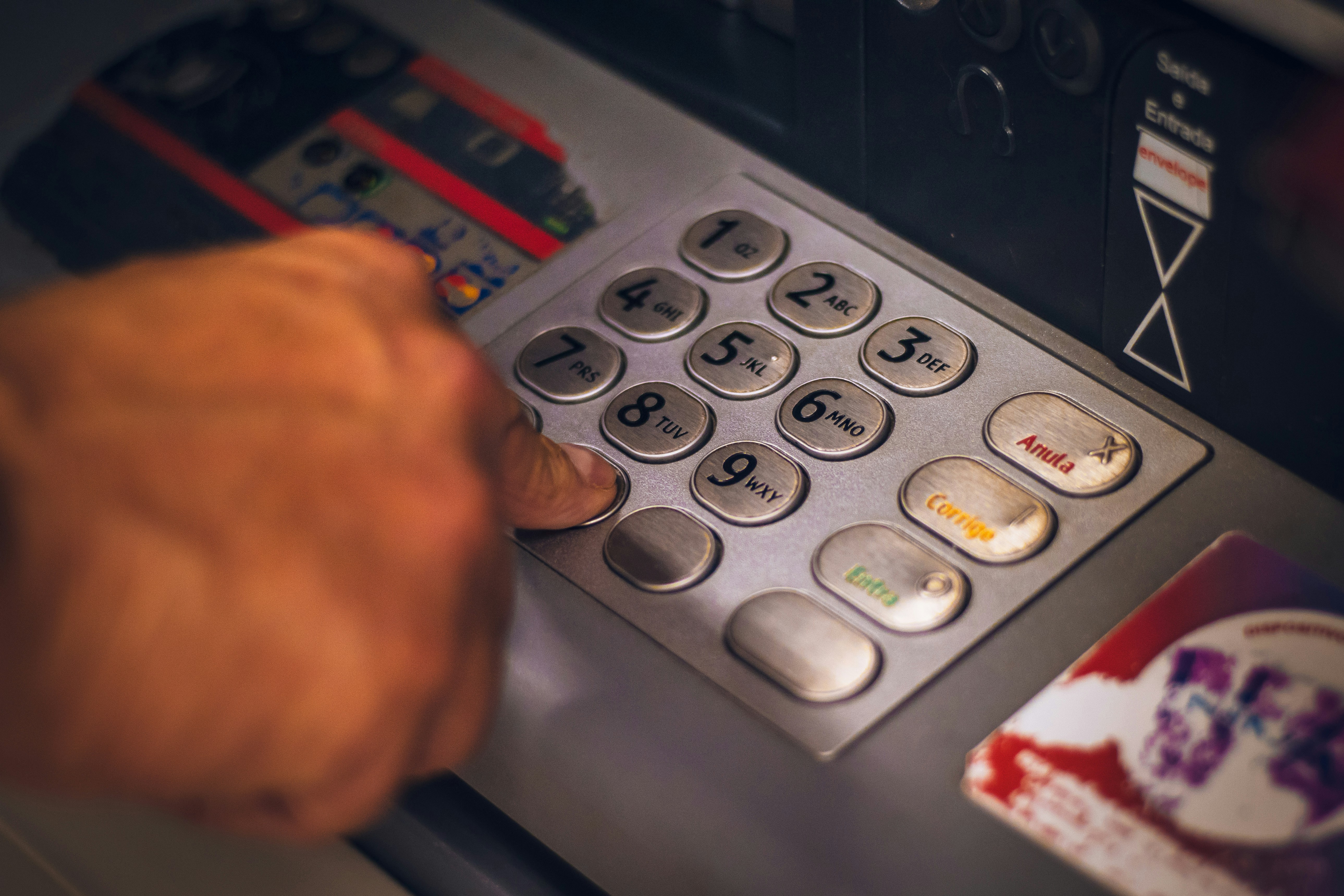
Illinois Senator Dick Durbin has introduced new legislation to tackle fraud at cryptocurrency cash machines, which have become a growing target for scammers. The Crypto ATM Fraud Prevention Act would impose transaction limits and introduce stronger consumer protections, particularly for older adults vulnerable to financial scams. The bill proposes capping new users at $2,000 per day and $10,000 over 14 days, while also requiring ATM operators to contact first-time users making transactions over $500. Victims who report fraud to the police within 30 days would be entitled to full refunds.
Durbin warned that fraudsters are using intimidation tactics to pressure victims into depositing large sums at cryptocurrency cash machines, often impersonating government officials to demand payments for fictitious fines. Reports of such scams have surged, with the Federal Trade Commission recording losses of $114 million linked to these machines in 2023 alone. A shop owner in Springfield, Illinois, even removed a crypto ATM after witnessing elderly customers making large deposits while seemingly being coerced over the phone.
Similar concerns have led several states, including Minnesota, California, and Vermont, to introduce daily transaction limits on cryptocurrency ATMs. Durbin’s bill would allow state-level regulations to remain in place as long as they are not weaker than federal standards. The proposed law would also require ATM operators to establish fraud prevention policies and submit them to the Financial Crimes Enforcement Network. Companies failing to comply could face daily fines of $10,000.
With cryptocurrency cash machines rapidly expanding across the US, lawmakers are pushing for stricter oversight to combat scams and protect consumers. If passed, Durbin’s bill could establish a nationwide framework for regulating these machines and reducing fraudulent activity.
For more information on these topics, visit diplomacy.edu.
Bybit has resumed its trading services in India after securing the necessary registration with Indian authorities, the exchange confirmed on 25 February. The move restores full access to Bybit’s platform for existing users and allows new users to gradually join the platform. The exchange had suspended several services in January due to regulatory challenges while awaiting approval from India’s Financial Intelligence Unit.
With the regulatory requirements now met, Indian users can open new trades and access all of Bybit’s platform features. This return to the Indian market comes at a time when other major exchanges, like Binance, are also vying for market share despite ongoing regulatory scrutiny. The country remains a key focus for crypto firms due to its increasing adoption and trading volumes.
However, Bybit’s recovery comes amidst a challenging period for the platform, following a massive security breach on 21 February. The $1.5 billion hack, the largest crypto heist in history, targeted Bybit’s Ethereum cold wallet. Blockchain analysts have linked the breach to North Korea’s Lazarus Group, known for its previous high-profile cybercrimes, including the Ronin and WazirX hacks.
The Lazarus Group has been involved in laundering stolen assets through decentralised protocols. North Korean hackers have already exceeded $1.34 billion in crypto thefts in 2024, and the figure continues to grow in 2025, posing a serious threat to the crypto sector.
For more information on these topics, visit diplomacy.edu.
The US financial regulator continues discussions with industry leaders over cryptocurrency regulations, with indications that enforcement actions against some companies could be dropped. The Securities and Exchange Commission (SEC) has already closed an investigation into Robinhood Crypto and is reportedly set to abandon its case against Coinbase.
According to recent filings, officials from the SEC’s cryptocurrency task force have met with representatives from multiple companies, including the Crypto Council for Innovation, infrastructure provider Zero Hash, and investment firm Paradigm Operations. Strategy executive chair Michael Saylor was also involved in discussions. Those present urged the regulator to reconsider its previous stance that many digital assets fall under its remit as financial instruments.
The task force, led by Commissioner Hester Peirce, has held similar meetings with the Blockchain Association, Jito Labs, and Multicoin Capital. While it remains unclear whether the SEC will shift its regulatory approach under acting chair Mark Uyeda, the commission has suggested that it may adopt a more flexible stance. Peirce has called for public input on a potential framework that acknowledges some cryptocurrencies may not qualify as financial instruments.
This apparent change in direction comes as the SEC remains without a permanent chair. The US Senate has yet to schedule a hearing for former commissioner Paul Atkins, who is expected to take up the role. Meanwhile, the regulator has withdrawn an appeal blocking a controversial broker-dealer rule for cryptocurrency companies, hinting at a broader move towards easing restrictions under the new administration.
For more information on these topics, visit diplomacy.edu.
The European Union has introduced its 16th package of sanctions against Russia, marking three years since the Ukraine conflict began. The measures include financial restrictions, trade bans, and stricter oversight of digital assets linked to Russian entities. A total of 83 new listings have been added, targeting individuals and organisations accused of undermining Ukraine’s sovereignty, including those involved in cryptocurrency transactions used to bypass previous sanctions.
These new restrictions extend to Belarus, adding trade controls and tighter regulations on crypto wallets and financial services. The EU has also blacklisted 74 vessels accused of circumventing oil price caps and imposed stricter controls on banks using Russia’s SPFS messaging system. Further trade limitations target companies in China, India, Kazakhstan, Türkiye, and other nations allegedly supporting Russia’s defence sector.
Beyond direct economic impact, these sanctions highlight the growing role of digital assets in geopolitical conflicts. While regulators push for greater oversight, Russia continues exploring alternative financial systems, including its digital rouble. The effectiveness of these measures remains uncertain, as decentralised networks and emerging payment systems present ongoing challenges for policymakers.
For more information on these topics, visit diplomacy.edu.
In Nagpur, India, flower shop owner Ashish Nagose is one of many young Indians turning to cryptocurrency trading as a way to supplement their income. With regulations tightening around equity derivatives in India, Nagose hopes that trading in crypto assets like Bitcoin and Ethereum can provide stability during slower months for his family-owned flower business. His efforts reflect a broader trend among young Indians who are increasingly looking to cryptocurrencies as a source of income, with the crypto market in India growing rapidly.
The surge in cryptocurrency trading volumes on Indian exchanges has been remarkable, more than doubling in the last quarter of 2024. As of now, young retail traders, particularly in smaller cities like Jaipur, Lucknow, and Pune, are driving much of the interest in crypto. Many of these individuals are seeking opportunities to earn more in a country where job growth has not kept pace with the economy. With India’s crypto market projected to grow to $15 billion by 2035, local platforms like CoinSwitch are seeing increasing numbers of users.
However, this rise in crypto interest is not without challenges. The Indian government has imposed steep taxes on crypto trading and has issued warnings about the risks and volatility of these digital assets. Despite these concerns, young traders like Sagar Neware are determined to make a living through crypto, aiming to restart their family’s business with the money they earn from trading.
The surge in crypto trading in India is also drawing attention to the need for regulatory oversight. While the government has yet to adopt comprehensive regulations for cryptocurrencies, it has warned of potential risks to macroeconomic stability. Despite the central bank’s caution, India’s young crypto enthusiasts are undeterred, continuing to learn and trade in hopes of a more prosperous future.
For more information on these topics, visit diplomacy.edu.
Crypto exchange Bybit has seen a dramatic drop in reserves, losing over $6 billion in just two days. The mass withdrawals came after a $1.4 billion exploit on 21 February, sparking panic among users. Data shows that Bybit processed $2.5 billion in withdrawals on 22 February and another $3.26 billion the following day, bringing its total assets down from $16.9 billion to $10.8 billion.
The biggest outflows were in stablecoins and Bitcoin, with users withdrawing more than $2.3 billion in USDT and over $1.5 billion in BTC. Some of these funds were reportedly transferred to Binance and over-the-counter (OTC) platforms, raising speculation over whether Bybit sold Bitcoin or used it as collateral to cover Ethereum withdrawals.
Despite the turbulence, the exchange managed to process all withdrawals without major disruptions. Bybit’s CEO, Ben Zhou, reassured users that the platform had resolved its Ethereum shortfall and maintained full backing of customer assets on a 1:1 basis. However, the incident has reignited concerns about security and liquidity in the crypto industry.
For more information on these topics, visit diplomacy.edu.
Dubai’s financial regulator has officially recognised Circle’s USDC and EURC stablecoins, marking a major milestone for digital assets in the region. The Dubai Financial Services Authority (DFSA) has approved both tokens under the new regulatory framework of the Dubai International Financial Centre (DIFC), an independent economic zone.
The DIFC, operating since 2004, enforces strict rules on digital assets, permitting only officially recognised tokens for financial services. With this approval, Circle becomes the first stablecoin issuer to receive regulatory clearance in Dubai, strengthening its presence in the global crypto market.
Circle’s success in Dubai follows recent regulatory approvals in the European Union and Canada, where the company has secured compliance with new crypto asset laws. Meanwhile, rival stablecoin issuer Tether has also expanded in the UAE, gaining approval for USDT in the Abu Dhabi Global Market in late 2024.
This recognition underlines Dubai’s growing influence in the regulated digital asset space, positioning the city as a key hub for blockchain innovation and stablecoin adoption.
For more information on these topics, visit diplomacy.edu.
Russia’s Energy Ministry claims that banning crypto mining in parts of Siberia has eased pressure on the region’s power grid. Officials reported a reduction of over 300 MW in electricity consumption since the restrictions took effect on 1 January 2025. The ministry insists this has prevented blackouts during peak winter months and has announced plans for ongoing meetings to assess the policy’s impact.
Despite government assurances, local reports suggest crypto mining remains strong in Siberia. Power provider Irkutskenergosbyt noted that household electricity usage increased by 1% in January compared to the previous year, despite milder winter temperatures. Industry analysts also estimate that Russia’s Bitcoin mining sector expanded by 7% in 2024, indicating continued activity.
Some experts argue the ban does little to curb mining operations, with many industrial-scale enterprises still running in parts of Irkutsk. While Bitcoin remains the dominant cryptocurrency for miners, there is also significant interest in Litecoin, Kaspa, Ethereum, and Monero. Meanwhile, the Energy Ministry is pushing for a national register of mining equipment to track legal operations and tackle illegal activity.
As debate over the effectiveness of the restrictions continues, Russian energy firms have approved plans that could see power allocated to mining increase significantly in the coming years. Experts remain divided on whether stricter regulations will stifle the industry or simply drive it further underground.
For more information on these topics, visit diplomacy.edu.
Following the recent security breach at Bybit, major cryptocurrency firms have joined forces to combat the attack and mitigate its impact. Bybit’s CEO, Ben Zhou, confirmed that both centralised and decentralised finance leaders, such as Orbiter and SynFutures, quickly moved to blacklist the attacker’s addresses. Chainalysis also tracked and published wallet addresses linked to the exploit.
Blockchain security companies, including SIS and Zero Shadows, intensified efforts to block malicious transactions and trace the perpetrators, while institutional traders such as TMSI and Cumberland provided support to stabilise the market. Several DeFi protocols, including Lido Finance and Solana Foundation, also extended their assistance.
Zhou praised the swift collaboration from industry players, calling it a testament to the cryptocurrency sector’s resilience. The exchange has since launched a recovery bounty programme, offering up to 10% of recovered funds. Bybit is working hard to enhance its security infrastructure following the breach.
Investigations have pointed to North Korea’s Lazarus Group as the likely culprit behind the attack, which exploited Bybit’s Ethereum multisig cold wallet. This group is also connected to other high-profile crypto hacks, including the 2022 DMM Bitcoin exchange breach.
For more information on these topics, visit diplomacy.edu.
Hackers have stolen $1.5 billion from Dubai-based cryptocurrency exchange Bybit in what is believed to be the largest digital heist in history. The attacker gained access to an Ethereum wallet during a routine transfer and moved the funds to an unknown address, sparking concerns across the cryptocurrency sector.
Bybit quickly reassured users that their funds remained secure, with chief executive Ben Zhou pledging to fully compensate affected customers. Despite this, the platform saw a surge of over 350,000 withdrawal requests, leading to potential delays. The company remains solvent, holding $20 billion in customer assets and is prepared to cover losses if necessary.
The price of Ethereum briefly dipped by nearly 4% following the breach but has since stabilised. Bybit has called upon leading cybersecurity experts to assist in recovering the stolen assets, offering a reward of up to $140 million. Speculation has emerged regarding the hackers’ identity, with reports suggesting possible links to the North Korean state-sponsored Lazarus group known for previous large-scale cryptocurrency thefts.
For more information on these topics, visit diplomacy.edu.