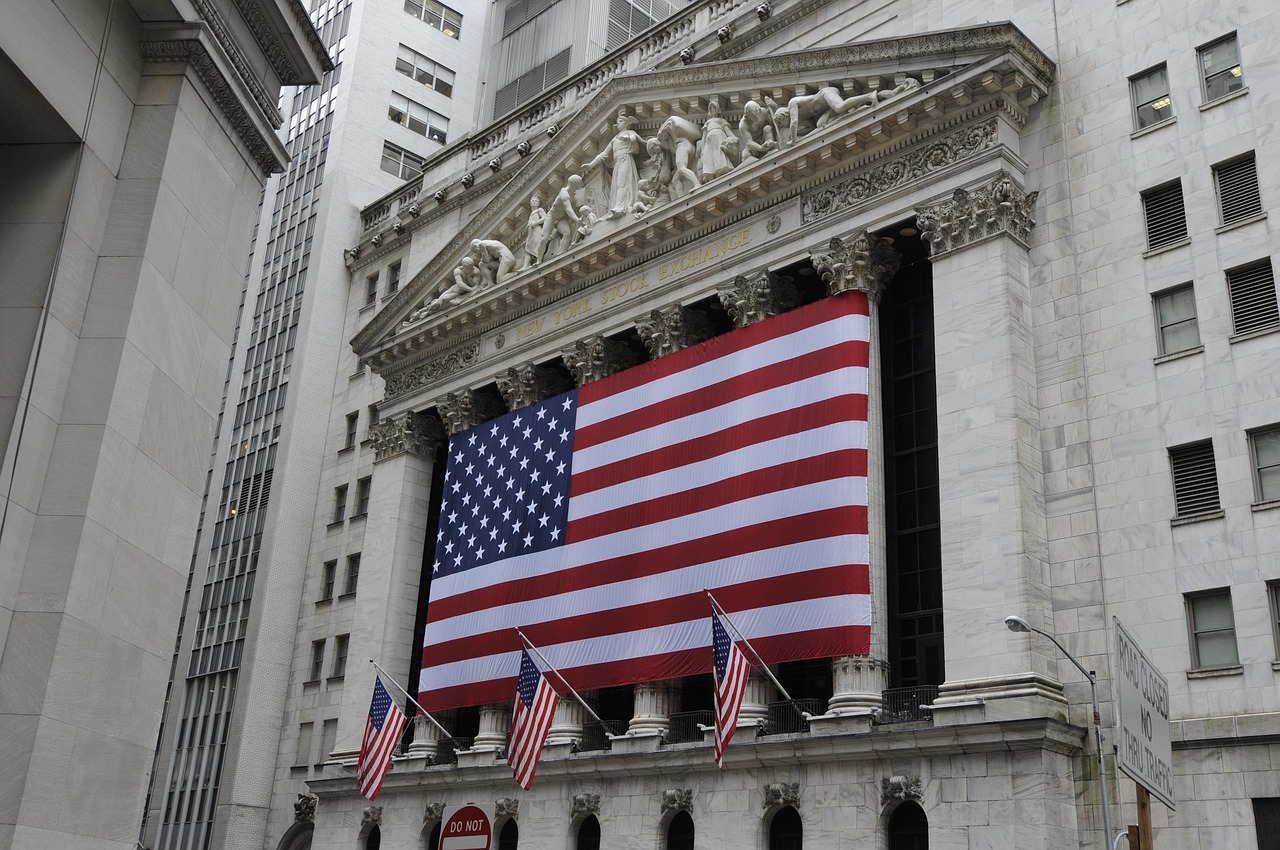
The US Securities and Exchange Commission (SEC) has decided to close its investigation into NFT marketplace OpenSea, marking a significant win for the cryptocurrency industry. OpenSea’s CEO, Devin Finzer, shared the news, calling it a victory for creators and innovators in the space. He expressed relief that the SEC would not classify NFTs as securities, as this could have hindered progress and innovation.
The move follows a similar announcement from Coinbase, where the SEC dropped its case against the exchange. The shift towards a more relaxed regulatory stance under the current administration is seen as a sign that the crypto industry may be gaining ground.
In addition to the regulatory win, OpenSea has announced a new SEA token airdrop, rewarding loyal users of its platform and Seaport protocol. Though details on the launch remain unclear, the move has excited the community. OpenSea has also launched OS2, a new multi-chain trading platform, further enhancing its services.
The SEC’s decision signals a shift in the regulatory landscape, as crypto-friendly policies seem to gain momentum under the influence of pro-crypto figures within the agency.
For more information on these topics, visit diplomacy.edu.
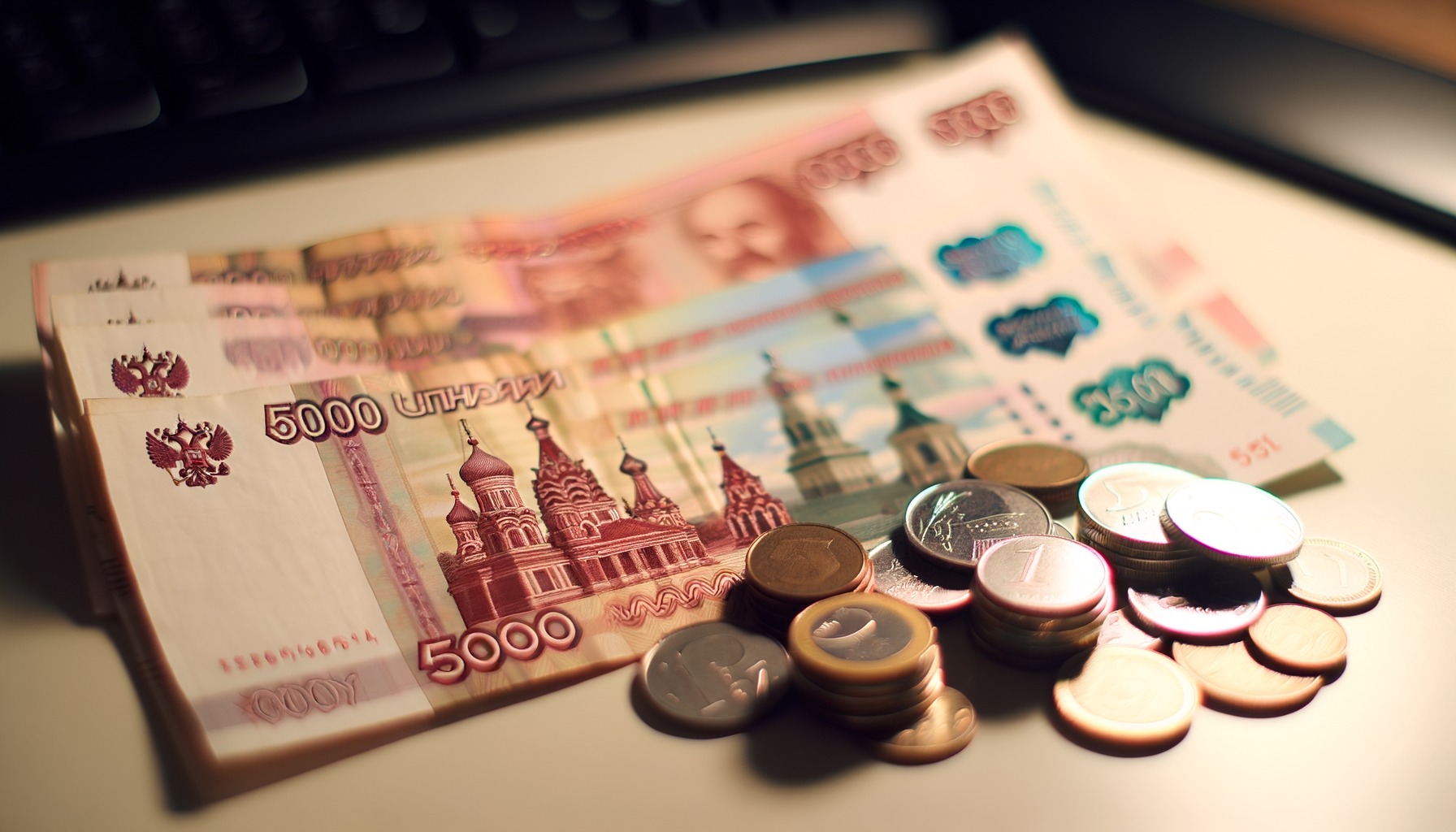
Russia’s Central Bank has launched an anti-fraud protection system for banks ahead of the planned rollout of its digital ruble (CBDC). The new measures, which came into effect on 23 February, aim to protect transactions involving the digital currency. Under the system, if a bank detects potential fraud, it can suspend a transaction for up to two days, allowing time for verification. Customers will be notified and asked to confirm the transaction before it proceeds.
The measures are primarily targeted at commercial and B2B users and are designed to reduce the risk of fraudulent activities. This builds on similar protections introduced last year for peer-to-peer transactions. The system includes a ‘cooling-off period’ to help users avoid hasty decisions that could lead to financial losses due to fraud.
Despite these efforts, concerns remain about the digital ruble’s impact on the banking sector. Some fear the CBDC could reduce liquidity for commercial banks, while others worry about its mandatory use for certain groups, such as pensioners. The Central Bank has denied these claims, asserting that the digital ruble will be voluntary for citizens.
As Russia prepares for a full digital ruble launch later this year, experts continue to question the technical and organisational challenges of mass adoption, especially for businesses and banks.
For more information on these topics, visit diplomacy.edu.
Montana’s House of Representatives recently voted 41-59 against a proposal that would have established a Bitcoin reserve in the state. House Bill No. 429 aimed to create a special revenue account for investing in digital assets, including Bitcoin, alongside precious metals and stablecoins. However, many lawmakers expressed concerns that the bill would allow the state to speculate with taxpayer funds, with some describing the proposal as too risky.
While some representatives, like Bill Mercer, opposed the bill on the grounds of financial prudence, others saw potential benefits. Representative Lee Demming argued that the state should aim to maximise returns for taxpayers, suggesting that the bill could have achieved that goal. Curtis Schomer, the bill’s sponsor, emphasised that not passing the bill would limit the state’s investment opportunities and reduce purchasing power.
Despite the proposal’s rejection, Montana is not alone in considering a Bitcoin reserve. Twenty-four states have introduced similar legislation, with Utah making the most progress. While Montana’s bill is effectively dead for now, it could be reintroduced in the future.
For more information on these topics, visit diplomacy.edu.
According to Bitcoin exchange River, Microsoft’s latest quantum computing chip, Majorana 1, could accelerate the timeline for making Bitcoin resistant to quantum threats. While the risk of a quantum attack remains distant, experts warn that preparations must begin now. The chip, launched on 19 February, is part of a growing race in quantum technology, with Google’s Willow chip also making headlines in December.
River suggests that if quantum computers reach one million qubits by 2027-2029, they could crack Bitcoin addresses in long-range attacks. Though some argue such a scenario is still decades away, River insists early action is key. The potential threat has reignited discussions on BIP-360, a proposed upgrade to strengthen Bitcoin’s defences against future quantum advancements.
Critics remain sceptical, arguing that quantum computing is still in its infancy, with major technical challenges to overcome. Some believe traditional banking systems, which hold far greater assets than Bitcoin, would be targeted first. Others see quantum developments as an opportunity, suggesting they could help fortify Bitcoin’s security rather than weaken it.
For more information on these topics, visit diplomacy.edu.
The European Central Bank is stepping up its efforts to build a blockchain-based payments system, a move which could pave the way for a digital euro. Announced on Thursday, the initiative will unfold in two phases. The first phase will involve developing a platform for settling transactions in central bank money through a link with the TARGET system, which already facilitates payments across the eurozone.
The ECB plans to explore a more integrated, long-term blockchain solution for processing central bank money transactions in the second phase. Executive Board member Piero Cipollone described the project as a step towards improving European financial markets through innovation. The ECB believes this approach could strengthen Europe’s monetary system while reducing dependence on non-European payment providers.
The push for a digital euro aligns with the ECB’s broader goal of unifying Europe’s capital markets. Since 2021, the bank has been studying how to design and distribute a central bank digital currency (CBDC). As it refines its blockchain-based system, the ECB will consult with public and private stakeholders to ensure it meets the needs of European citizens. The full timeline for implementation will be announced at a later stage.
For more information on these topics, visit diplomacy.edu.
KuCoin’s European subsidiary has applied for a Markets in Crypto-Assets (MiCA) licence in Austria, aiming to expand its services across the European Economic Area. The move aligns with the exchange’s efforts to comply with EU regulations and strengthen its position in the European market. If approved, KuCoin will operate as a regulated crypto-asset service provider, offering secure and compliant digital asset services.
The company has chosen Vienna as its regional headquarters, citing Austria’s strong regulatory framework and access to skilled professionals in the crypto and fintech sectors. KuCoin CEO BC Wong called the MiCA application a major milestone in the company’s global strategy, emphasising its commitment to compliance and transparency. Two industry veterans, Oliver Stauber and Christian Niedermüller, have been appointed to oversee KuCoin EU’s operations.
Austria has emerged as a key player in Europe’s evolving crypto landscape, attracting major exchanges due to its structured regulatory approach. The MiCA framework, set to be fully implemented by the end of 2024, provides a single licensing system for crypto firms to operate across all EEA member states. With several international exchanges securing licences, KuCoin’s application is part of a broader trend as crypto companies race to establish a foothold in the European market.
For more information on these topics, visit diplomacy.edu.
Nigeria has filed a lawsuit against cryptocurrency giant Binance, demanding $79.5 billion in damages for alleged economic losses and $2 billion in unpaid taxes. The case, brought by Nigeria’s Federal Inland Revenue Service (FIRS), claims that Binance’s unregistered operations in the country have negatively impacted its currency and evaded significant tax obligations.
The lawsuit also seeks penalties and interest on the unpaid taxes, pushing the total amount even higher.
Authorities allege that Binance played a role in destabilising Nigeria‘s naira by becoming a primary platform for local currency trading. In 2024, two Binance executives were detained as part of a broader crackdown on cryptocurrency platforms.
The FIRS argues that Binance holds a “significant economic presence” in Nigeria, making it liable for corporate income tax for 2022 and 2023, plus a 10% penalty and a 26.75% interest rate on unpaid sums.
Binance, which has stopped trading in the naira and is contesting the charges, is also facing four counts of tax evasion, including non-payment of value-added tax and aiding users in tax avoidance. Separate money laundering charges have been filed by Nigeria’s anti-corruption agency, which Binance has denied.
The exchange previously stated that it is working with Nigerian authorities to address potential historic tax issues.
For more information on these topics, visit diplomacy.edu.
The United Arab Emirates saw a sharp rise in cryptocurrency app downloads in 2024, with a total of 15 million installations recorded. According to data from AppsFlyer, this marked a 41% increase compared to the previous year, with the biggest surge occurring in December when downloads hit 2.8 million.
Analysts attribute this spike to several factors, including growing interest in digital assets and global political shifts. The US presidential election in November, won by Donald Trump, was seen as a boost for the crypto industry due to his pro-crypto stance. His launch of a meme coin in January further fuelled global interest, drawing new investors into the market.
While adoption continues to grow, retaining users has proven to be a challenge. AppsFlyer reported that aggressive marketing campaigns contributed to 60% of downloads, yet one in five crypto apps was uninstalled within 30 days. Despite this, January saw another record high, with 3.5 million downloads in the UAE alone, setting the stage for what could be a record-breaking year for the industry.
For more information on these topics, visit diplomacy.edu.
Kraken is gearing up to re-enter the Indian market after being banned in 2024 for breaching anti-money laundering regulations. The exchange is working closely with local authorities to obtain the necessary approvals and has appointed Vishesh Khurana, a prominent industry figure, to lead its expansion efforts. Kraken’s co-CEO, Arjun Sethi, is also expected to play a key role in shaping its strategy in India.
India’s Financial Intelligence Unit blacklisted Kraken and eight other offshore exchanges last year for failing to comply with anti-money laundering laws. To operate legally, exchanges must register with the FIU, adhere to Know-Your-Customer requirements, and report suspicious transactions. Some firms may also need to settle outstanding tax obligations before resuming operations. Binance and KuCoin have already secured approval, raising expectations that Kraken may soon follow suit.
Despite its global success, Kraken is under scrutiny over its ties to Dave Portnoy, the controversial founder of Barstool Sports. Portnoy has been linked to memecoin schemes and accused of market manipulation, with critics arguing his actions undermine trust in the sector. Many in the crypto community have questioned Kraken’s continued support for him, with some openly criticising the exchange for backing someone they believe is harming the industry’s reputation.
For more information on these topics, visit diplomacy.edu.
The Czech National Bank (CNB) is exploring Bitcoin’s potential as part of its reserve management strategy, according to Governor Aleš Michl. He emphasised that Bitcoin should not be dismissed outright and urged central bankers to study its underlying technology. While the CNB has not committed to buying Bitcoin, its board has approved an analysis of new asset classes, including the cryptocurrency.
Michl acknowledged Bitcoin’s extreme volatility and clarified that this initiative is not an endorsement but an effort to understand its risks and benefits. If CNB were to allocate even a small portion of its €140 billion reserves to Bitcoin, it could become the first Western central bank to invest in the asset publicly. However, sources suggest that potential exposure would be minimal, likely below 1% of total reserves.
Other European central bankers remain sceptical despite Michl’s openness to financial innovation. German central bank governor Joachim Nagel compared Bitcoin to the 17th-century tulip bubble, calling it neither safe nor liquid. European Central Bank President Christine Lagarde also dismissed Bitcoin as a reserve asset, stating that it fails to meet the ECB’s criteria for stability and transparency. However, Michl remains committed to diversifying CNB’s investments, including increasing its holdings in US stocks.
For more information on these topics, visit diplomacy.edu.