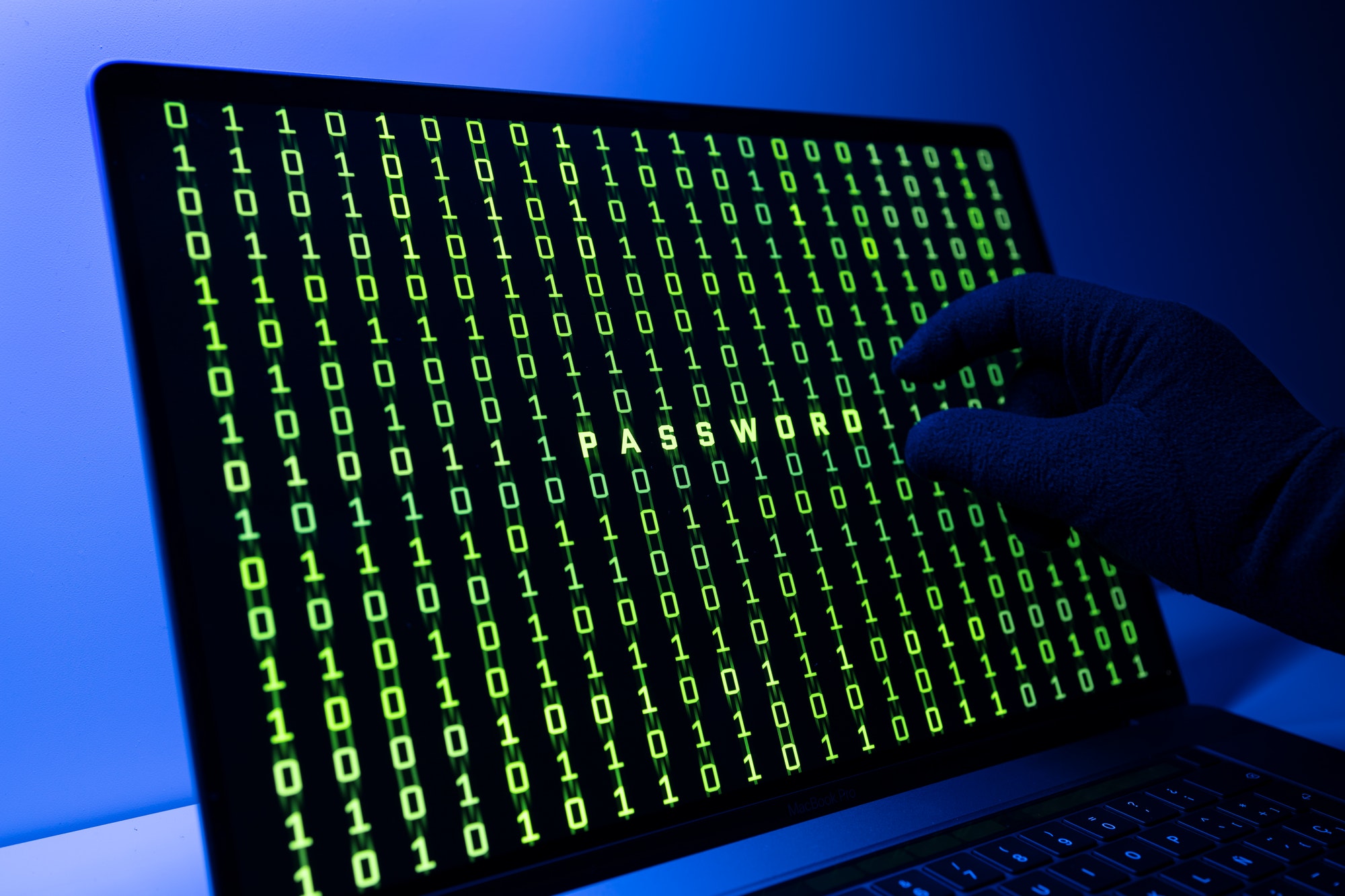
Education giant PowerSchool hit by major data leak

Education technology provider PowerSchool has suffered a major data breach, exposing the personal information of millions of students and teachers. Hackers gained access to its systems by exploiting stolen credentials, using a tool within the company’s PowerSource support portal to export sensitive data.

The stolen records include names, addresses, and potentially more sensitive details such as Social Security numbers and medical information in the US and Canada. PowerSchool, which manages academic records for over 60 million K-12 students, assured customers that not all users were affected. However, the breach has left schools scrambling to assess the damage.

PowerSchool insists the hack wasn’t due to a flaw in its software but was a result of unauthorised access using legitimate credentials. The company has engaged cybersecurity experts to investigate and taken steps to improve security, including deactivating compromised accounts and strengthening password controls.

Critics argue that PowerSchool was slow to inform customers, potentially putting students, parents, and educators at greater risk of identity theft. While PowerSchool is offering affected users credit monitoring and identity protection services, the incident has sparked calls for stricter regulations on data security in the education sector.

Supreme Court weighs TikTok ban amid national security concerns

The US Supreme Court on Friday appeared inclined to uphold a law requiring a sale or ban of TikTok in the United States by January 19, citing national security risks tied to its Chinese parent company, ByteDance. Justices questioned TikTok’s potential role in enabling the Chinese government to collect data on its 170 million American users and influence public opinion covertly. Chief Justice John Roberts and others expressed concerns about China’s potential to exploit the platform, while also probing implications for free speech protections under the First Amendment.

The law, passed with bipartisan support and signed by outgoing President Joe Biden, has been challenged by TikTok, ByteDance, and app users who argue it infringes on free speech. TikTok’s lawyer, Noel Francisco, warned that without a resolution or extension by President-elect Donald Trump, the platform would likely shut down on January 19. Francisco emphasised TikTok’s role as a key platform for expression and called for at least a temporary halt to the law.

Liberal and conservative justices alike acknowledged the tension between national security and constitutional rights. Justice Elena Kagan raised historical parallels to Cold War-era restrictions, while Justice Brett Kavanaugh highlighted the long-term risks of data collection. Solicitor General Elizabeth Prelogar, representing the Biden administration, argued that TikTok’s foreign ownership poses a grave threat, enabling covert manipulation and espionage. She defended Congress’s right to act in the interest of national security.

With global trade tensions and fears of digital surveillance mounting, the Supreme Court’s decision will have wide-ranging implications for technology, free speech, and US-China relations. The court is now considering whether to grant a temporary stay, providing Trump’s incoming administration an opportunity to address the issue politically.

Tokyo plans to expose makers of malicious AI systems

The Japanese government is considering publicly disclosing the names of developers behind malicious artificial intelligence systems as part of efforts to combat disinformation and cyberattacks. The move, aimed at ensuring accountability, follows a government panel’s recommendation that stricter legal frameworks are necessary to prevent AI misuse.

The proposed bill, expected to be submitted to parliament soon, will focus on gathering information on harmful AI activities and encouraging developers to cooperate with government investigations. However, it will stop short of imposing penalties on offenders, amid concerns that harsh measures might discourage AI innovation.

Japan’s government may also share its findings with the public if harmful AI systems cause significant damage, such as preventing access to vital public services. While the bill aims to balance innovation with public safety, questions remain about how the government will decide what constitutes a “malicious” AI system and the potential impact on freedom of expression.

Mudrex pauses crypto withdrawals until 28 January

Indian cryptocurrency exchange Mudrex has temporarily suspended crypto withdrawals, prompting a backlash from its users. The move, announced on 11 January is set to last until 28 January as the platform undergoes a compliance framework upgrade. According to co-founder and CEO Edul Patel, the suspension is necessary to prevent misuse by bad actors, with Patel emphasising the importance of a secure infrastructure in the crypto space.

Mudrex, one of the few Indian exchanges to allow crypto withdrawals, has faced criticism from the community. Trader Vivan Live urged users to withdraw their funds immediately, suggesting the platform’s motives were dubious. Another user, Aakash Athawasya, claimed that Mudrex never truly offered crypto withdrawals, accusing the platform of offering “price exposure” instead of ownership. Despite the criticism, Mudrex reported a significant surge in its user base and trading volume in recent months.

Meanwhile, India’s regulatory environment continues to impact exchanges, with Bybit announcing a temporary suspension of its services in the country due to evolving regulations. On a more positive note, CoinDCX, another Indian exchange, has launched crypto withdrawals, allowing users to withdraw crypto in exchange for disabling Indian rupee deposits.

Meta pushes free speech at the cost of content control

Meta has announced that Instagram and Threads users will no longer be able to opt out of seeing political content from accounts they don’t follow. The change, part of a broader push toward promoting “free expression,” will take effect in the US this week and expand globally soon after. Users will be able to adjust how much political content they see but won’t be able to block it entirely.

Adam Mosseri, head of Instagram and Threads, had previously expressed reluctance to feature political posts, favouring community-focused content like sports and fashion. However, he now claims that users have asked to see more political material. Critics, including social media experts, argue the shift is driven by changing political dynamics in the US, particularly with Donald Trump’s imminent return to the White House.

While some users have welcomed Meta’s stance on free speech, many worry it could amplify misinformation and hate speech. Experts also caution that marginalised groups may face increased harm due to fewer content moderation measures. The changes could also push discontented users toward rival platforms like Bluesky, raising questions about Meta’s long-term strategy.

Brazil’s Lula criticises Meta’s move to end US fact-checking program

Brazilian President Luiz Inácio Lula da Silva has condemned Meta’s decision to discontinue its fact-checking program in the United States, calling it a grave issue. Speaking in Brasília on Thursday, Lula emphasised the need for accountability in digital communication, equating its responsibilities to those of traditional media. He announced plans to meet with government officials to discuss the matter.

Meta’s recent decision has prompted Brazilian prosecutors to seek clarification on whether the changes will affect the country. The company has been given 30 days to respond as part of an ongoing investigation into how social media platforms address misinformation and online violence in Brazil.

Justice Alexandre de Moraes of Brazil’s Supreme Court, known for his strict oversight of tech companies, reiterated that social media firms must adhere to Brazilian laws to continue operating in the country. Last year, he temporarily suspended X (formerly Twitter) over non-compliance with local regulations.

Meta has so far declined to comment on the matter in Brazil, fueling concerns over its commitment to tackling misinformation globally. The outcome of Brazil’s inquiry could have broader implications for how tech firms balance local laws with global policy changes.

MiCA brings big changes for crypto in the EU

The European Union’s landmark crypto regulation, the Markets in Crypto-Assets (MiCA) framework, officially took effect on 30 December 2024, promising to streamline the industry across all 27 member states. MiCA introduces a unified rulebook to replace the fragmented national laws that previously governed the sector. Its goals include boosting transparency, reducing risks for investors, and fostering innovation in an industry often marred by scams and market instability.

Under MiCA, crypto token issuers must meet strict disclosure standards, while exchanges and wallet providers are required to register with the European Banking Authority. Stablecoins, particularly asset-referenced and electronic money tokens, face rigorous scrutiny, including reserve requirements and sustainability disclosures. However, the regulation has brought significant challenges, such as high compliance costs and operational overhauls, which could force smaller companies to relocate to less stringent jurisdictions like the UAE or UK.

Experts believe MiCA offers long-term benefits, including clarity and stability for the crypto sector, but warn that its strict demands might stifle innovation for startups. The regulation’s success will hinge on consistent enforcement across the EU and its ability to balance oversight with fostering growth. As Europe navigates this new framework, it signals a global shift, with the US also taking steps to establish itself as a crypto leader under its incoming administration.

How cybercriminals exploit email systems

Business email compromise (BEC) scams are on the rise, targeting companies through highly deceptive tactics. These scams involve cybercriminals hacking into legitimate email accounts and tricking victims into transferring large sums of money. Recently, a small business narrowly avoided a major financial loss when a scammer posed as its owner, sending fraudulent wiring instructions to the company’s bank. Quick action by the business owner and a vigilant banker prevented the funds from being transferred.

Experts warn that BEC scams rely less on technical vulnerabilities and more on exploiting trust between businesses and their partners. Hackers often gain access through phishing attacks, installing malicious software, or guessing weak passwords. Once inside an email account, they may create hidden rules to intercept or forward messages, concealing their activities until it’s too late.

To counter these threats, cybersecurity professionals recommend measures such as enabling two-factor authentication, regularly updating passwords, and monitoring email account activity for unusual changes. Businesses are also advised to verify financial transactions using secondary methods, such as phone calls, to confirm the legitimacy of requests.

With global losses from BEC scams amounting to billions, the stakes are high. By taking proactive steps to enhance security, businesses can protect themselves from falling victim to these sophisticated schemes.

Gambia to launch blockchain initiative to drive digital transformation

Gambia’s Ministry of Communications and Digital Economy (MoCDE) has partnered with the India-based Kalp Foundation to develop Gambia One, a blockchain-powered digital public infrastructure platform. The initiative aims to bridge the digital divide, empower communities, and create scalable solutions aligned with global standards.

The platform will modernise government operations, digitise critical services, and enable secure data exchange using Kalp Blockchain technology. A key focus is skilling Gambian youth in blockchain and related technologies, fostering a tech-savvy workforce and promoting sustainable growth.

The initiative also emphasises inclusivity, innovation, and transparency as cornerstones of Gambia’s digital economy strategy, positioning the country as a leader in blockchain-driven governance while serving as a global model for equitable and compliant digital transformation. Both parties have lauded the partnership for its transformative potential.

Hon. Lamin Jabbi, Minister of Communications and Digital Economy of Gambia, described the collaboration as a significant step toward building a robust and inclusive digital ecosystem. Tapan Sangal, Founder and Director of the Kalp Foundation, highlighted its scalability and alignment with ethical standards, emphasising the foundation’s commitment to empowering governments and citizens alike. The initiative underscores Gambia’s ambition to become a future-ready nation, leveraging cutting-edge technology to drive growth, foster innovation, and build a brighter, more inclusive future.

AT&T launches outage compensation scheme to regain customer trust

AT&T has introduced a new initiative offering bill credits to customers affected by network outages, aiming to rebuild trust after a series of major service disruptions in 2024. The scheme, called AT&T Guarantee, will provide automatic credits to fibre customers experiencing outages of 20 minutes or more and wireless users facing at least an hour of disruption. The move follows a nationwide service failure last February, which lasted over 12 hours and blocked millions of calls, including thousands of emergency calls to 911.

The telecom industry has faced growing scrutiny over the reliability of its networks, with rivals such as T-Mobile and Verizon also experiencing significant outages. AT&T executives acknowledged that customer dissatisfaction had led to market share losses in recent years. In response, the company has invested over $140 billion in network improvements and nearly $1 billion in customer care and operations. The new guarantee is part of a broader effort to ensure dependable connectivity and restore consumer confidence.

Despite previous challenges, AT&T has maintained strong performance in customer satisfaction rankings, topping J.D. Power’s survey for business wireless service among large enterprises for three consecutive years until 2023. The company believes the new initiative will strengthen its position in the market by demonstrating a commitment to service reliability and customer compensation when expectations are not met.