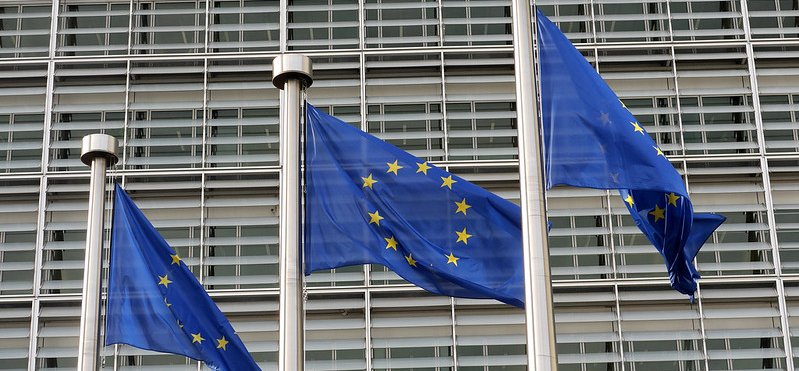
Meta faces new scrutiny over EU law compliance

Meta Platforms, the parent company of Facebook and Instagram, is once again under fire by the European Consumer Organisation (BEUC) over its ad-free subscription service. Introduced in 2023, the fee-based option offered European users the ability to opt out of personalised ads, with a subsequent price cut of 40% implemented later that year. However, BEUC claims these changes are merely superficial and fail to address deeper concerns about fairness and compliance with EU consumer and privacy laws.

BEUC’s Director General, Agustin Reyna, criticised Meta for not providing users with a fair choice, alleging that the company still pressures users into accepting its behavioural advertising system. Reyna called on consumer protection authorities and the European Commission to investigate Meta’s practices urgently, emphasising the need for decisive action to safeguard users’ rights. The consumer group also accused Meta of misleading practices, unclear terms, and failing to minimise data collection while restricting services for users who decline data processing.

In response, a Meta spokesperson defended the company’s approach, arguing that its November 2023 updates go beyond EU regulatory requirements. Despite these assurances, EU antitrust regulators have raised concerns, accusing Meta of breaching the Digital Markets Act. They claim the ad-free service forces users into a binary choice, sparking broader concerns about how the tech giant balances profit with consumer protection.

As pressure mounts, Meta faces growing scrutiny over its compliance with EU laws, with regulators weighing potential measures to address BEUC’s allegations and ensure fair treatment for European users.

Trump open to Musk acquiring TikTok

Donald Trump expressed openness to Elon Musk acquiring TikTok, should the Tesla CEO choose to pursue the purchase. The social media platform, widely popular in the US, was taken offline temporarily after a law requiring its sale by its Chinese owner ByteDance came into effect. Officials cited national security concerns, stating that Americans’ data might be at risk under Chinese control.

Reports have surfaced about early discussions between Chinese officials and Musk regarding TikTok’s US operations, though the company denied any such plans. Trump, however, supported the idea, suggesting a partial financial benefit for the United States if a sale occurred.

TikTok has contested the ban, emphasising its storage of American user data on Oracle-operated servers in the US. Content moderation for the app is also reportedly handled within the country. Critics of the ban argue it infringes on free speech, while Musk highlighted the disparity in business access between the US and China.

The controversy over TikTok’s future underscores broader tensions in US-China relations, particularly regarding data security and market fairness. With Musk’s influence and interest in tech and free speech, his potential involvement could significantly shape TikTok’s trajectory.

Investment plan may resolve Indonesia-Apple dispute

Indonesia is on the verge of resolving a dispute with Apple that has banned iPhone 16 sales. The ban, implemented last year, arose after Apple failed to meet a requirement mandating that smartphones sold locally include at least 40% Indonesian-made components.

Rosan Roeslani, Indonesia’s investment minister, expressed optimism in an interview at Davos, predicting the issue could be resolved within weeks. A proposed investment plan from Apple appears to be the key to breaking the impasse, although the tech company has not commented on the developments.

Indonesia, home to 280 million people, represents a significant market for Apple. While the company has no manufacturing facilities in the country, it has operated application developer academies since 2018, fostering local tech talent.

The outcome of the negotiations could open the door for iPhone 16 sales in the region, signalling a potential end to the year-long ban.

Coinbase is considering removing Tether stablecoin from its platform

Coinbase has stated it may remove Tether’s stablecoin from its platform, depending on how US regulations evolve under President Donald Trump. CEO Brian Armstrong mentioned that the exchange could delist the $138 billion-dollar-pegged stablecoin if US laws demand it. Armstrong suggested that future stablecoin regulations might require asset reserves to be held in Treasury bonds and subject to regular audits for customer protection.

Tether, which dominates the stablecoin market ahead of competitors like Circle’s USDC and Ripple’s Ripple USD, was previously delisted from Coinbase’s European platform due to noncompliance with the EU’s MiCA framework. Tether’s operator, which holds 80% of its reserves in Treasury bills, publishes regular financial attestations by independent accounting firm BDO Italia, addressing concerns raised after the 2022 market downturn.

Despite these updates, critics argue the attestations don’t fully substitute for audits. Tether’s adherence to potential new US regulations remains uncertain. The company mainly operates in emerging markets and plans to relocate its global headquarters to El Salvador, the first nation to legalise Bitcoin.

US FTC leader Lina Khan announces resignation

Lina Khan, a prominent advocate of strong antitrust enforcement, has announced her resignation as chair of the US Federal Trade Commission (FTC) in a memo to staff. Her departure, set to occur in the coming weeks, marks the end of a tenure that challenged numerous corporate mergers and pushed for greater accountability among powerful companies.

During her leadership, Khan spearheaded high-profile lawsuits against Amazon, launched investigations into Microsoft, and blocked major deals, including Kroger’s planned $25 billion acquisition of Albertsons. Her efforts often focused on protecting consumers and workers from potential harms posed by dominant corporations.

Khan, the youngest person to lead the FTC, first gained recognition in 2017 for her work criticising Amazon’s market practices. She argued that tech giants exploited outdated antitrust laws, allowing them to sidestep scrutiny. Her aggressive approach divided opinion, with courts striking down some of her policies, including a proposed ban on noncompete clauses.

Following Khan’s exit, the FTC faces a temporary deadlock with two Republican and two Democratic commissioners. Republican Andrew Ferguson has assumed the role of chair, and a Republican majority is expected once the Senate approves Mark Meador, a pro-enforcement nominee, to complete the five-member commission.

EU audit highlights geo-blocking issues

A new report from the European Court of Auditors (ECA) highlights progress in tackling unjustified geo-blocking in the EU but calls for stronger enforcement and expanded regulations. Geo-blocking, which restricts online access to goods and services based on nationality or location, was targeted by a 2018 regulation aimed at ensuring fairer treatment in the EU Single Market. However, the ECA found that inconsistent enforcement has left many consumers unprotected.

The report reveals significant disparities in penalties for non-compliance, ranging from minor fines of €26 in some countries to €5 million or even criminal liability in others. These gaps, combined with limited awareness among consumers and traders about available support, have undermined the regulation’s effectiveness. Key exemptions for sectors like audiovisual services—such as streaming platforms and TV distribution—are also causing frustration, with calls to broaden the regulation’s scope during its 2025 review.

Ildikó Gáll-Pelcz, the ECA member responsible for the audit, warned that geo-blocking continues to restrict consumer choices and fuel dissatisfaction. In response, the European Commission has welcomed the findings, signalling potential reforms, including stricter enforcement mechanisms and exploring ways to address challenges tied to copyright practices. The Commission has committed to factoring the report into its upcoming evaluation of the regulation.

Meta, X, Google join EU code to combat hate speech

Major tech companies, including Meta’s Facebook, Elon Musk’s X, YouTube, and TikTok, have committed to tackling online hate speech through a revised code of conduct now linked to the European Union’s Digital Services Act (DSA). Announced Monday by the European Commission, the updated agreement also includes platforms like LinkedIn, Instagram, Snapchat, and Twitch, expanding the coalition originally formed in 2016. The move reinforces the EU’s stance against illegal hate speech, both online and offline, according to EU tech commissioner Henna Virkkunen.

Under the revised code, platforms must allow not-for-profit organisations or public entities to monitor how they handle hate speech reports and ensure at least 66% of flagged cases are reviewed within 24 hours. Companies have also pledged to use automated tools to detect and reduce hateful content while disclosing how recommendation algorithms influence the spread of such material.

Additionally, participating platforms will provide detailed, country-specific data on hate speech incidents categorised by factors like race, religion, gender identity, and sexual orientation. Compliance with these measures will play a critical role in regulators’ enforcement of the DSA, a cornerstone of the EU’s strategy to combat illegal and harmful content online.

EU files WTO complaint against China’s patent practices

The European Commission has filed a complaint with the World Trade Organization (WTO) against China, accusing the country of ‘unfair and illegal’ practices regarding worldwide royalty rates for European standard essential patents (SEPs). According to the Commission, China has empowered its courts to set global royalty rates for the EU companies, particularly in the telecoms sector, without the consent of the patent holders.

The case focuses on SEPs, which are crucial for technologies like 5G, used in mobile phones. European companies such as Nokia and Ericsson hold many of these patents. The Commission claims that China’s actions force European companies to reduce their royalty rates globally, providing Chinese manufacturers with unfairly low access to European technologies.

The European Union has requested consultations with China, marking the first step in WTO dispute resolution. If a resolution is not reached within 60 days, the EU can request the formation of an adjudicating panel, which typically takes about a year to issue a final report. This case is linked to a previous EU dispute at the WTO concerning China’s anti-suit injunctions, which restrict telecom patent holders’ ability to enforce intellectual property rights in courts outside China.

Russian hackers target global officials with WhatsApp phishing campaign

Russian state-linked hackers, operating under the unit Star Blizzard, have launched a new phishing campaign targeting the WhatsApp accounts of government ministers and officials worldwide. According to Britain’s National Cyber Security Centre (NCSC), Star Blizzard, linked to Russia’s FSB spy agency, aims to undermine political trust in the UK and other similar nations.

Victims receive an email impersonating a US government official, inviting them to join a WhatsApp group. The email contains a QR code that, when scanned, links the victim’s WhatsApp account to an attacker-controlled device or WhatsApp Web, granting the hacker access to sensitive messages. Microsoft confirmed that this tactic allows hackers to exfiltrate data but did not specify whether data was successfully stolen.

The campaign has targeted individuals involved in diplomacy, defence, and Ukraine-related initiatives. This marks the latest attempt by Star Blizzard, which had previously targeted British MPs, universities, and journalists. Microsoft noted that while the campaign seemed to have wound down by November, the use of QR codes in phishing attacks, or ‘quishing,’ shows the hackers’ continued efforts to gain access to sensitive information.

WhatsApp, owned by Meta, emphasised that users should avoid scanning suspicious QR codes and should only link their accounts through official services. Experts also recommend verifying suspicious emails by contacting the sender directly through a known, trusted email address.

FTC warns of risks in big tech AI partnerships

The Federal Trade Commission (FTC) has raised concerns about the competitive risks posed by collaborations between major technology companies and developers of generative AI tools. In a staff report issued Friday, the agency pointed to partnerships such as Microsoft’s investment in OpenAI and similar alliances involving Amazon, Google, and Anthropic as potentially harmful to market competition, according to TechCrunch.

FTC Chair Lina Khan warned that these collaborations could create barriers for smaller startups, limit access to crucial AI tools, and expose sensitive information. ‘These partnerships by big tech firms can create lock-in, deprive start-ups of key AI inputs, and reveal sensitive information that undermines fair competition,’ Khan stated.

The report specifically highlights the role of cloud service providers like Microsoft, Amazon, and Google, which provide essential resources such as computing power and technical expertise to AI developers. These arrangements could restrict smaller firms’ access to these critical resources, raise business switching costs, and allow cloud providers to gain unique insights into sensitive data, potentially stifling competition.

Microsoft defended its partnership with OpenAI, emphasising its benefits to the industry. ‘This collaboration has enabled one of the most successful AI startups in the world and spurred unprecedented technology investment and innovation,’ said Rima Alaily, Microsoft’s deputy general counsel. The FTC report underscores the need to address the broader implications of big tech’s growing dominance in generative AI.