AI is increasingly reshaping European workplaces, though large-scale job losses have not yet materialised. Studies by labour bodies show that tasks change faster than roles disappear.
Policymakers and employers face pressure to expand AI skills while addressing unequal access to them. Researchers warn that the benefits and risks concentrate among already skilled workers and larger organisations.
Education systems across Europe are beginning to integrate AI literacy, including teacher training and classroom tools. Progress remains uneven between countries and regions.
Microsoft experts say workforce readiness will depend on evidence-based policy and sustained funding. Skills programmes alone may not offset broader economic and social disruption from AI adoption.
Would you like to learn more about AI, tech and digital diplomacy? If so, ask our Diplo chatbot!
Samsara has built a platform that helps companies with physical operations run more safely and efficiently. Founded in 2015 by MIT alumni John Bicket and Sanjit Biswas, the company connects workers, vehicles, and equipment through cloud-based analytics.
The platform combines sensors, AI cameras, GPS tracking, and real-time alerts to cut accidents, fuel use, and maintenance costs. Large companies across logistics, construction, manufacturing, and energy report cost savings and improved safety after adopting the system.
Samsara turns large volumes of operational data into actionable insights for frontline workers and managers. Tools like driver coaching, predictive maintenance, and route optimisation reduce risk at scale while recognising high-performing field workers.
The company is expanding its use of AI to manage weather risk, support sustainability, and enable the adoption of electric fleets. They position data-driven decision-making as central to modernising critical infrastructure worldwide.
Would you like to learn more about AI, tech and digital diplomacy? If so, ask our Diplo chatbot!
Almost all Indian companies plan to sustain AI spending even without near-term financial returns. A BCG survey shows 97 percent will keep investing, higher than the 94 percent global rate.
Corporate AI budgets in India are expected to rise to about 1.7 percent of revenue in 2026. Leaders see AI as a long-term strategic priority rather than a short-term cost.
Around 88 percent of Indian executives express confidence in AI generating positive business outcomes. That is above the global average of 82 percent, reflecting strong optimism among local decision-makers.
Despite enthusiasm, fewer Indian CEOs personally lead AI strategy than their global peers, and workforce AI skills lag international benchmarks. Analysts say talent and leadership alignment remain key as spending grows.
Would you like to learn more about AI, tech and digital diplomacy? If so, ask our Diplo chatbot!
London Mayor Sir Sadiq Khan has warned that AI could become a ‘weapon of mass destruction of jobs‘ if its impact is not managed correctly. He said urgent action is needed to prevent large-scale unemployment.
Speaking at Mansion House in the UK capital, Khan said London is particularly exposed due to the concentration of finance, professional services, and creative industries. He described the potential impact on jobs as ‘colossal’.
Khan said AI could improve public services and help tackle challenges such as cancer care and climate change. At the same time, he warned that reckless use could increase inequality and concentrate wealth and power.
Polling by City Hall suggests more than half of London workers expect AI to affect their jobs within a year. Sadiq Khan said entry-level roles may disappear fastest, limiting opportunities for young people.
The mayor announced a new task force to assess how Londoners can be supported through the transition. His office will also commission free AI training for residents.
Would you like to learn more about AI, tech, and digital diplomacy? If so, ask our Diplo chatbot!
Consumers across the US are increasingly starting everyday digital tasks with AI, rather than search engines or individual apps, according to new research tracking changes in online behaviour.
Dedicated AI platforms are becoming the first place where intent is expressed, whether users are planning travel, comparing products, seeking advice on purchases and managing budgets.
Research shows more than 60% of US adults used a standalone AI platform last year, with younger generations especially likely to begin personal tasks through conversational tools rather than traditional search.
Businesses face growing pressure to adapt as AI reshapes how decisions begin, encouraging companies to rethink marketing, commerce and customer journeys around dialogue rather than clicks.
Would you like to learn more about AI, tech, and digital diplomacy? If so, ask our Diplo chatbot!
Smoke alarms remain critical in preventing fatal house fires, according to fire safety officials. Real-life incidents show how early warnings can allow families to escape rapidly spreading blazes.
Modern fire risks are evolving, with lithium-ion batteries and e-bikes creating fast and unpredictable fires. These incidents can release toxic gases and escalate before flames are clearly visible.
Traditional smoke alarm technology continues to perform reliably despite changes in household risks. At the same time, intelligent and AI-based systems are being developed to detect danger sooner.
Reducing false alarms has become a priority, as nuisance alerts often lead people to turn off devices. Fire experts stress that a maintained, certified smoke alarm is far safer than no smoke alarm at all.
Would you like to learn more about AI, tech, and digital diplomacy? If so, ask our Diplo chatbot!
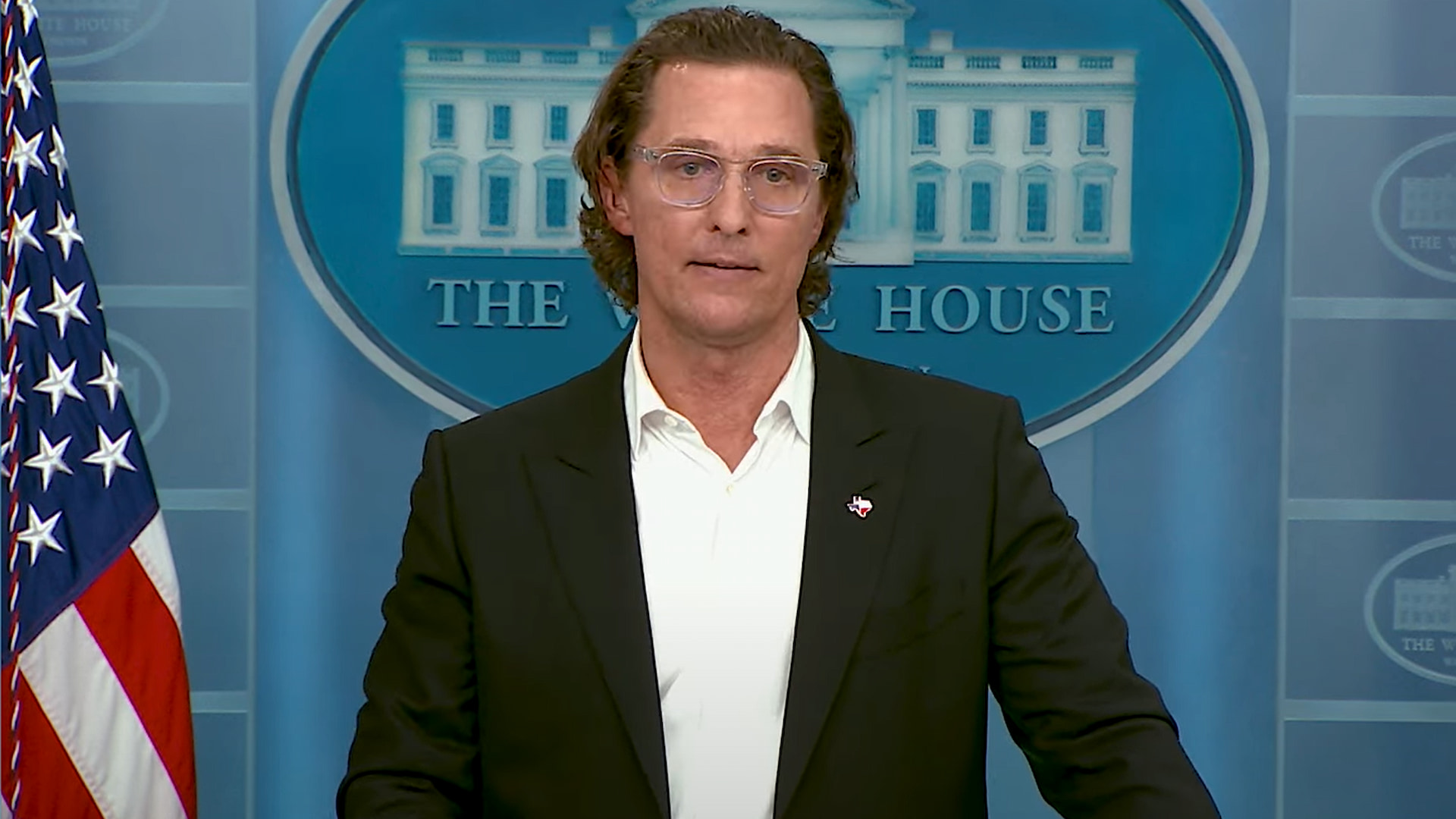
Oscar-winning actor Matthew McConaughey has trademarked his image and voice to protect them from unauthorised use by AI platforms. His lawyers say the move is intended to safeguard consent and attribution in an evolving digital environment.
Several clips, including his well-known catchphrase from Dazed and Confused, have been registered with the United States Patent and Trademark Office. Legal experts say it is the first time an actor has used trademark law to address potential AI misuse of their likeness.
McConaughey’s legal team said there is no evidence of his image being manipulated by AI so far. The trademarks are intended to act as a preventative measure against unauthorised copying or commercial use.
The actor said he wants to ensure any future use of his voice or appearance is approved. Lawyers also said the approach could help capture value created through licensed AI applications.
Concerns over deepfakes and synthetic media are growing across the entertainment industry. Other celebrities have faced unauthorised AI-generated content, prompting calls for stronger legal protections.
Would you like to learn more about AI, tech, and digital diplomacy? If so, ask our Diplo chatbot!
Claims that removing polite words from ChatGPT prompts could reduce environmental impact are misleading, experts say. Extra words add minimal processing demand compared with overall system energy use.
AI consumes power mainly because every query triggers new computation. Unlike stored digital content, each AI response requires a full processing cycle within large-scale data centres.
Those facilities rely on constant electricity, cooling and water supplies. Rising AI use is therefore increasing pressure on energy systems and local infrastructure worldwide.
Experts argue the real issue lies in how AI infrastructure is planned and regulated. Focusing on prompt wording distracts from managing AI’s long-term environmental footprint.
Would you like to learn more about AI, tech, and digital diplomacy? If so, ask our Diplo chatbot!
Presenter Kate Garraway has condemned a cruel AI-generated hoax that falsely showed her with a new boyfriend. The images appeared online shortly after the death of her husband, Derek Draper.
Fake images circulated mainly on Facebook through impersonation accounts using her name and likeness. Members of the public and even friends mistakenly believed the relationship was real.
The situation escalated when fabricated news sites began publishing false stories involving her teenage son Billy. Garraway described the experience as deeply hurtful during an already raw period.
Her comments followed renewed scrutiny of AI image tools and platform responsibility. Recent restrictions aim to limit harmful and misleading content generated using artificial intelligence.
Would you like to learn more about AI, tech, and digital diplomacy? If so, ask our Diplo chatbot!
San Francisco-based company Cloudflare has acquired Human Native, an AI data marketplace designed to connect content creators with AI developers seeking high-quality training and inference material.
A move that reflects growing pressure to establish clearer economic rules for how online content is used by AI systems.
The acquisition is intended to help creators and publishers decide whether to block AI access entirely, optimise material for machine use, or license content for payment instead of allowing uncontrolled scraping.
Cloudflare says the tools developed through Human Native will support transparent pricing and fair compensation across the AI supply chain.
Human Native, founded in 2024 and backed by UK-based investors, focuses on structuring original content so it can be discovered, accessed and purchased by AI developers through standardised channels.
The team includes researchers and engineers with experience across AI research, design platforms and financial media.
Cloudflare argues that access to reliable and ethically sourced data will shape long-term competition in AI. By integrating Human Native into its wider platform, the company aims to support a more sustainable internet economy that balances innovation with creator rights.
Would you like to learn more about AI, tech and digital diplomacy? If so, ask our Diplo chatbot!