Google enhances Gemini AI with smarter personalisation

Google has announced an update to its Gemini AI assistant, enhancing personalisation to better anticipate user needs and deliver responses that feel more like those of a personal assistant.

The feature, initially available on desktop before rolling out to mobile, allows Gemini to offer tailored recommendations, such as travel ideas, based on search history and, in the future, data from apps like Photos and YouTube.

Users can opt in to the new personalisation features, sharing details like dietary preferences or past conversations to refine responses further.

Google assures that users must explicitly grant permission for Gemini to access search history and other services, and they can disconnect at any time.

However, this level of contextual awareness could give Google an advantage over competitors like ChatGPT by leveraging its vast ecosystem of user data.

The update signals a shift in how users interact with AI, bringing it closer to traditional search while raising questions for publishers and SEO professionals.

As Gemini increasingly provides direct, personalised answers, it may reduce the need for users to visit external websites. While currently experimental, the potential for Google to push broader adoption of AI-driven personalisation could reshape digital content discovery and search behaviour in the future.

For more information on these topics, visit diplomacy.edu.

OpenAI launches responses API for AI agent development

OpenAI has unveiled new tools to help developers and businesses build AI agents, which are automated systems that can independently perform tasks. These tools are part of OpenAI’s new Responses API, allowing enterprises to create custom AI agents that can search the web, navigate websites, and scan company files, similar to OpenAI’s existing Operator product. The company plans to phase out its older Assistants API by 2026, replacing it with the new capabilities.

The Responses API provides developers with access to powerful AI models, such as GPT-4o search and GPT-4o mini search, which are designed for high factual accuracy. OpenAI claims these models can offer more reliable answers than previous versions, with GPT-4o search achieving a 90% accuracy rate. Additionally, the platform includes a file search feature to help companies quickly retrieve information from their databases. The CUA model, which automates tasks like data entry, is also available, allowing developers to automate workflows with more precision.

Despite its promise, OpenAI acknowledges that there are still challenges to address, such as AI hallucinations and occasional errors in task automation. However, the company continues to improve its models, and the introduction of the Agents SDK gives developers the tools they need to build, debug, and optimise AI agents. OpenAI’s goal is to move beyond demos and create impactful tools that will shape the future of AI in enterprise applications.

For more information on these topics, visit diplomacy.edu.

Migrants urged to use new app to self-deport under Trump policy

The Trump administration has introduced a new app that allows undocumented migrants in the US to self-deport rather than risk arrest and detention.

The United States Customs and Border Protection (CBP) app, called CBP Home, includes an option for individuals to signal their ‘intent to depart.’ Homeland Security Secretary Kristi Noem said the app gives migrants a chance to leave voluntarily and potentially return legally in the future.

Noem warned that those who do not leave will face deportation and a lifetime ban from re-entering the country. The administration has stepped up pressure on undocumented migrants, with new regulations set to take effect in April requiring them to register with the government or face fines and jail time.

The launch of CBP Home follows Trump’s decision to shut down CBP One, a Biden-era app that allowed migrants in Mexico to schedule asylum appointments. The move left thousands of migrants stranded at the border with uncertain prospects.

Trump has pledged to carry out record deportations, although his administration’s current removal numbers lag behind those recorded under President Joe Biden.

The CBP Home app marks a shift in immigration policy, aiming to encourage voluntary departures while tightening enforcement measures against those who remain illegally.

For more information on these topics, visit diplomacy.edu.

New digital health file system revolutionises medical data management in Greece

A new electronic health file system is launching on Tuesday in a preliminary form, aiming to provide doctors with an easier, safer, and more reliable way to access Greek patients’ medical histories.

The platform, expected to be fully operational by the end of the year, will store comprehensive records for every patient with a social security number (AMKA).

Once completed, the system will compile detailed medical histories, including hospital admissions, surgeries, diagnostic tests, prescriptions, vaccinations, allergies, and treatment protocols.

Upgrade like this one will significantly streamline healthcare access for both doctors and patients.

The enhanced MyHealth app will eliminate the need for patients to carry test results or verbally summarise their medical history.

It is particularly expected to benefit people with disabilities, as the entire process of claiming benefits will be handled electronically, removing the need for in-person evaluations by specialist committees.

For more information on these topics, visit diplomacy.edu.

Authors challenge Meta’s use of their books in AI training

A lawsuit filed by authors Richard Kadrey, Sarah Silverman, and Ta-Nehisi Coates against Meta has taken a significant step forward as a federal judge has ruled that the case will continue.

The authors allege that Meta used their books to train its Llama AI models without consent, violating their intellectual property rights.

They further claim that Meta intentionally removed copyright management information (CMI) from the works to conceal the alleged infringement.

Meta, however, defends its actions, arguing that the training of AI models qualifies as fair use and that the authors lack standing to sue.

Despite this, the judge allowed the lawsuit to move ahead, acknowledging that the authors’ claims suggest concrete injury, specifically regarding the removal of CMI to hide the use of copyrighted works.

While the lawsuit touches on several legal points, the judge dismissed claims related to the California Comprehensive Computer Data Access and Fraud Act, stating that there was no evidence of Meta accessing the authors’ computers or servers.

Meta’s defence team has continued to assert that the AI training practices were legally sound, though the ongoing case will likely provide more insight into the company’s stance on copyright.

The ruling adds to the growing list of copyright-related lawsuits involving AI models, including one filed by The New York Times against OpenAI. As the debate around AI and intellectual property rights intensifies, this case could set important precedents.

For more information on these topics, visit diplomacy.edu.

China expands university enrolment to boost AI talent

China’s top universities are set to expand undergraduate enrolment to develop talent in key strategic fields, particularly AI.

The move follows the rapid rise of AI startup DeepSeek, which has drawn global attention for producing advanced AI models at a fraction of the usual cost.

The company’s success, largely driven by researchers from elite institutions in China, is seen as a major step in Beijing’s efforts to boost its homegrown STEM workforce.

Peking University announced it would add 150 undergraduate spots in 2025 to focus on national strategic needs, particularly in information science, engineering, and clinical medicine.

Renmin University will expand enrolment by over 100 places, aiming to foster innovation in AI. Meanwhile, Shanghai Jiao Tong University plans to add 150 spots dedicated to emerging technologies such as integrated circuits, biomedicine, and new energy.

This expansion aligns with China’s broader strategy to strengthen its education system and technological capabilities. In January, the government introduced a national action plan to enhance education efficiency and innovation by 2035.

Additionally, authorities plan to introduce AI education in primary and secondary schools to nurture digital skills and scientific curiosity from an early age.

For more information on these topics, visit diplomacy.edu.

Reddit launches new tools to improve user engagement

Reddit has introduced new tools to help users follow community rules and track content performance, aiming to boost engagement on the platform. The update comes after a slowdown in user growth due to Google’s algorithm changes, though traffic from the search engine has since recovered.

Among the new features is a ‘rules check’ tool, currently being tested on smartphones, which helps users comply with subreddit guidelines. Additionally, a post-recovery option allows users to repost content in alternative subreddits if their original submission is removed. Reddit will also suggest subreddits based on post content and clarify posting requirements for specific communities.

The company has enhanced its post insights feature, offering detailed engagement metrics to help users refine their content. This follows Reddit’s December launch of Reddit Answers, an AI-powered search tool designed to provide curated summaries of community discussions, which is still in beta testing.

For more information on these topics, visit diplomacy.edu.

Zalando challenges EU tech rules, seeks exemption

Zalando, Europe’s leading online fashion retailer, has filed a legal challenge against the European Commission’s classification of the company under the Digital Services Act (DSA). The company argues that, unlike platforms such as Amazon and AliExpress, its business model does not fit into the “very large online platform” (VLOP) category, and it should not face the same stringent regulations.

The DSA, which came into force in 2022, requires VLOPs to take additional measures to manage harmful and illegal content or face significant fines. Zalando’s lawyer, Robert Briske, pointed out that the company operates a hybrid model, offering both its own products and those from third-party partners, making it distinct from other online platforms that purely function as marketplaces.

The European Commission contends that Zalando’s business model is similar to those of Amazon and AliExpress. The Commission’s lawyer, Liane Wildpanner, argued that Zalando is seeking to benefit from the flexibility of a hybrid model without bearing the regulatory burden of platforms like Amazon.

Zalando’s case is supported by Germany’s e-commerce association, BEVH, while other EU bodies, including the European Parliament, have sided with the Commission. The General Court is expected to deliver a ruling in the coming months.

For more information on these topics, visit diplomacy.edu.

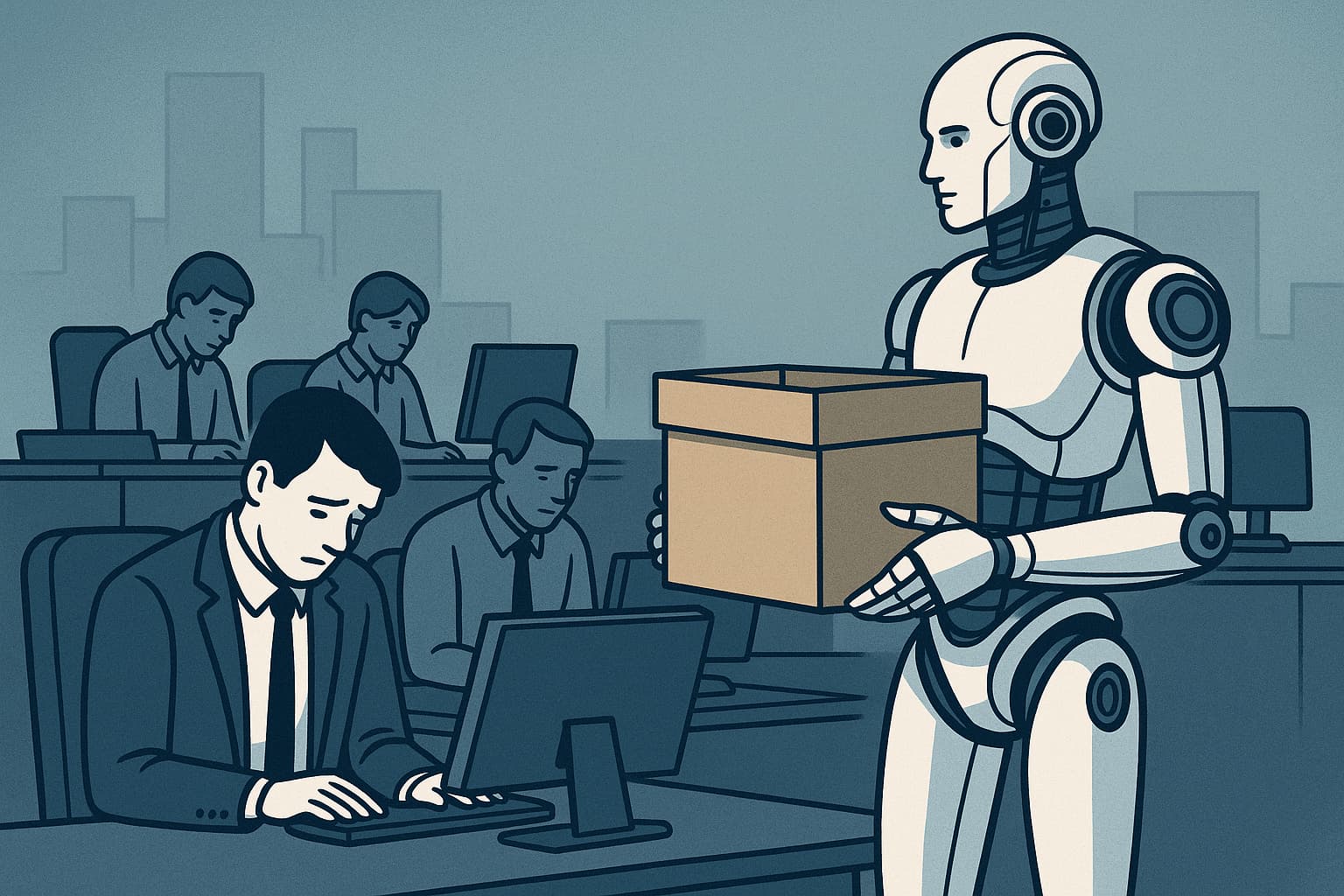
US national security threatened by large-scale federal workforce reductions

A former top National Security Agency official has warned that widespread federal job cuts could severely undermine US cybersecurity and national security.

Rob Joyce, former NSA director of cybersecurity, told a congressional committee that eliminating probationary employees would weaken the government’s ability to combat cyber threats, particularly those from China.

The remarks were made during a House Select Committee hearing on China‘s cyber operations targeting critical United States infrastructure and telecommunications.

More than 100,000 federal workers have left their jobs through early retirement or layoffs as part of President Donald Trump’s efforts to shrink government agencies, with support from billionaire advisor Elon Musk.

While national security roles were supposed to be exempt, some cybersecurity positions have still been affected.

The Department of Homeland Security’s Cybersecurity and Infrastructure Security Agency (CISA) has already cut over 130 positions, raising concerns about the government’s ability to protect critical systems.

The White House and NSA declined to comment on the impact of the job reductions.

A DHS spokesperson confirmed that the cuts are expected to save $50 million and that further reductions in ‘wasteful positions’ are being considered.

However, critics argue that the loss of skilled personnel in cybersecurity roles could leave the country more vulnerable to foreign threats.

For more information on these topics, visit diplomacy.edu.

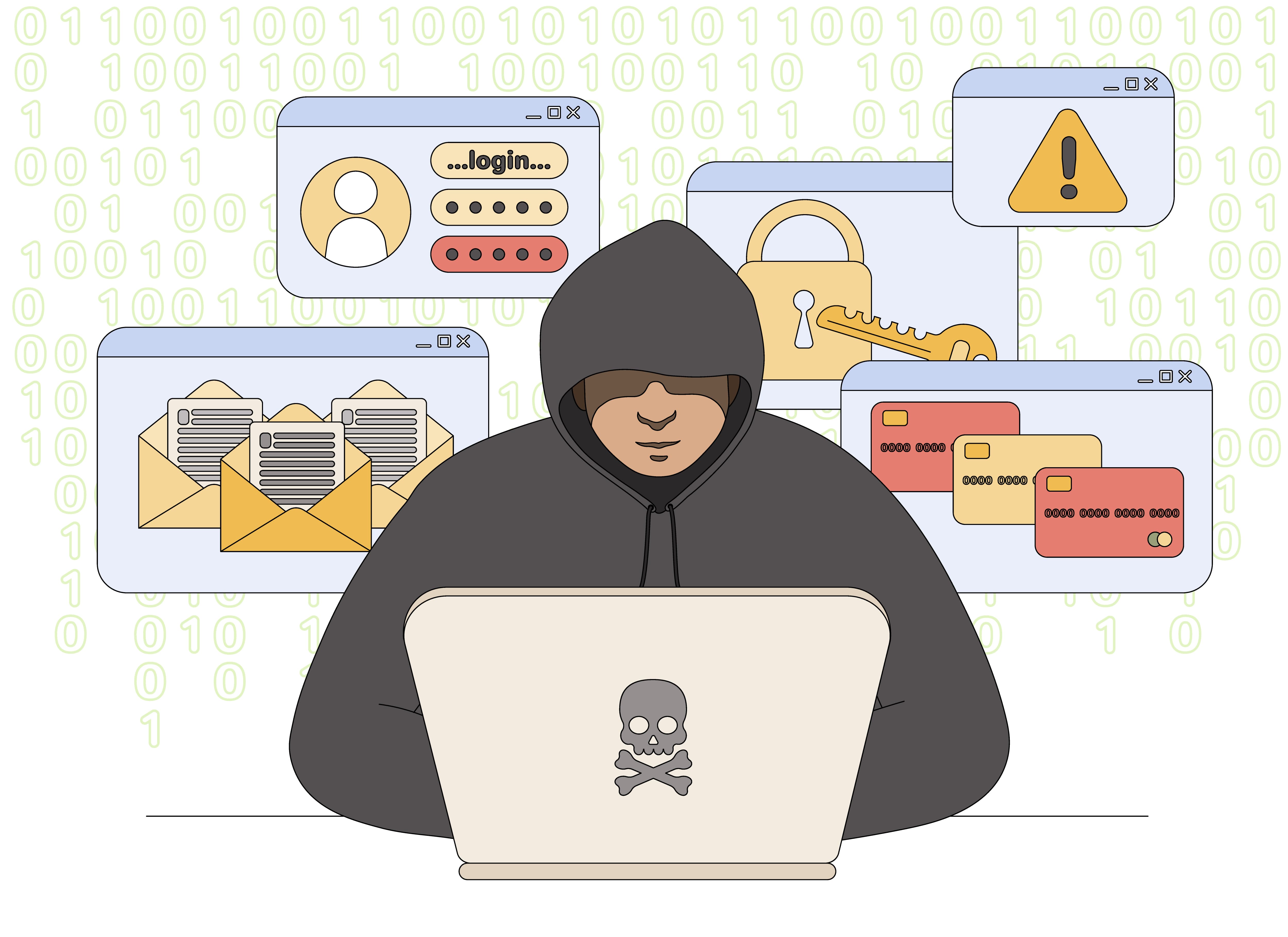
Google acknowledges AI being used for harmful content

Google has reported receiving over 250 complaints globally about its AI software being used to create deepfake terrorist content, according to Australia’s eSafety Commission.

The tech giant also acknowledged dozens of user reports alleging that its AI program, Gemini, was being exploited to generate child abuse material. Under Australian law, companies must provide regular updates on their efforts to minimise harm or risk hefty fines.

The eSafety Commission described Google’s disclosure as a ‘world-first insight’ into how AI tools may be misused to produce harmful and illegal content.

Between April 2023 and February 2024, Google received 258 reports of suspected AI-generated extremist material and 86 related to child exploitation. However, the company did not specify how many of these reports were verified.

A Google spokesperson stated that the company strictly prohibits AI-generated content related to terrorism, child abuse, and other illegal activities.

While it uses automated detection to remove AI-generated child exploitation material, the same system is not applied to extremist content.

Meanwhile, the regulator has previously fined platforms like X (formerly Twitter) and Telegram for failing to meet reporting requirements, with both companies planning to appeal.

For more information on these topics, visit diplomacy.edu.