AI firms under scrutiny for exposing children to harmful content

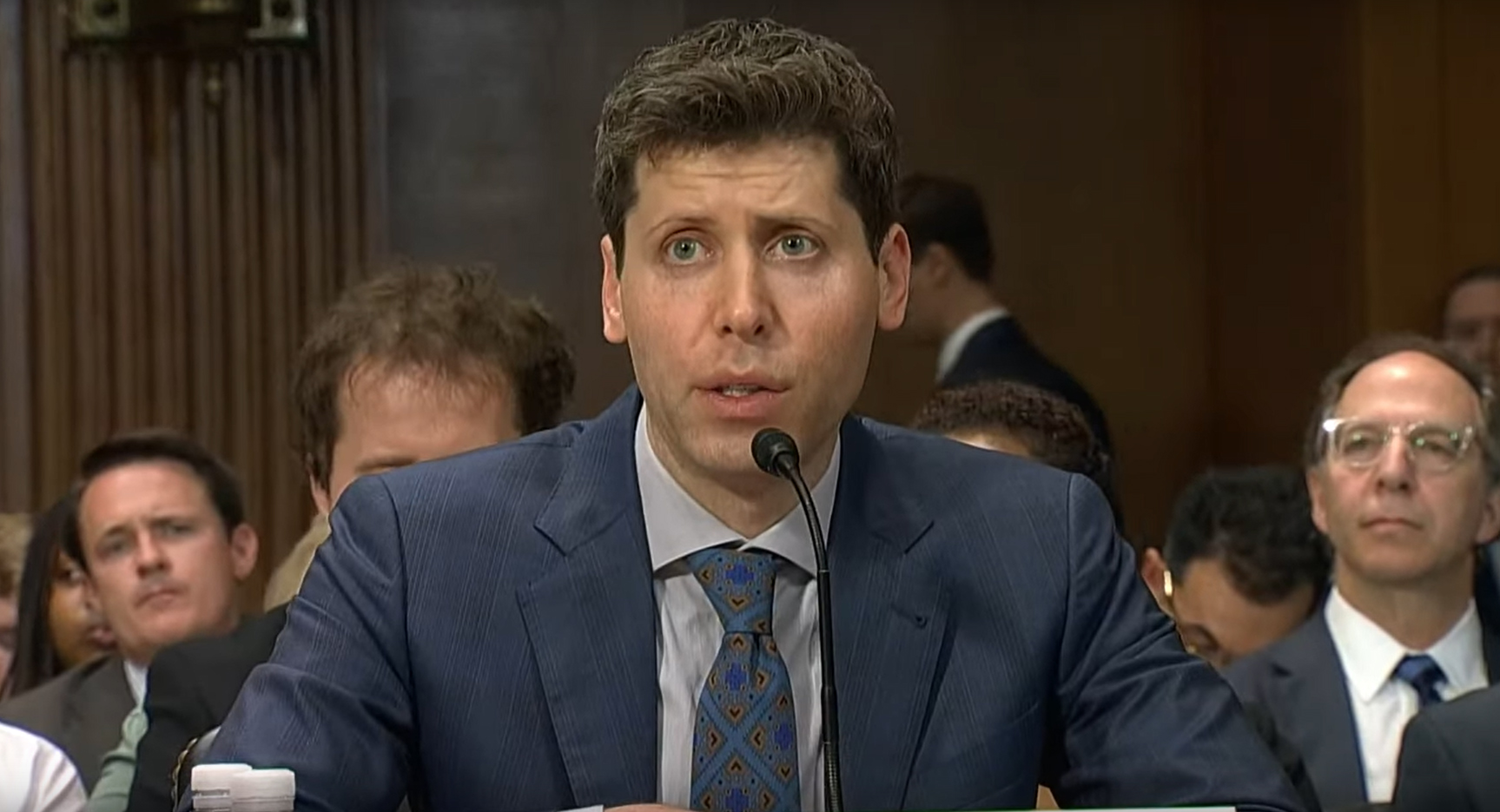
The National Association of Attorneys General has called on 13 AI firms, including OpenAI and Meta, to strengthen child protection measures. Authorities warned that AI chatbots have been exposing minors to sexually suggestive material, raising urgent safety concerns.

Growing use of AI tools among children has amplified worries. In the US, surveys show that over three-quarters of teenagers regularly interact with AI companions. The UK data indicates that half of online 8-15-year-olds have used generative AI in the past year.

Parents, schools, and children’s rights organisations are increasingly alarmed by potential risks such as grooming, bullying, and privacy breaches.

Meta faced scrutiny after leaked documents revealed its AI Assistants engaged in ‘flirty’ interactions with children, some as young as eight. The NAAG described the revelations as shocking and warned that other AI firms could pose similar threats.

Lawsuits against Google and Character.ai underscore the potential real-world consequences of sexualised AI interactions.

Officials insist that companies cannot justify policies that normalise sexualised behaviour with minors. Tennessee Attorney General Jonathan Skrmetti warned that such practices are a ‘plague’ and urged innovation to avoid harming children.

Would you like to learn more about AI, tech and digital diplomacy? If so, ask our Diplo chatbot

Real-time conversations feel smoother with Google Translate’s Gemini AI update

Google Translate is receiving powerful Gemini AI upgrades that make speaking across languages feel far more natural.

The refreshed live conversation mode intelligently recognises pauses, accents, and background noise, allowing two people to talk without the rigid back-and-forth of older versions. Google says the new system should even work in noisy environments like cafes, a real-world challenge for speech technology.

The update also introduces a practice mode that pushes Translate beyond its traditional role as a utility. Users can set their skill level and goals, then receive personalised listening and speaking exercises designed to build confidence.

The tool is launching in beta for selected language pairs, such as English to Spanish or French, but it signals Google’s ambition to blend translation with education.

By bringing some advanced translation capabilities first seen on Pixel devices into the widely available Translate app, Google makes real-time multilingual communication accessible to everyone.

It’s a practical application of AI that promises to change everyday conversations and how people prepare to learn new languages.

Would you like to learn more about AI, tech and digital diplomacy? If so, ask our Diplo chatbot!

Tencent Cloud sites exposed credentials and source code in major security lapse

Researchers have uncovered severe misconfigurations in two Tencent Cloud sites that exposed sensitive credentials and internal source code to the public. The flaws could have given attackers access to Tencent’s backend infrastructure and critical internal services.

Cybernews discovered the data leaks in July 2025, finding hardcoded plain-text passwords, a sensitive internal .git directory, and configuration files linked to Tencent’s load balancer and JEECG development platform.

Weak passwords, built from predictable patterns like the company name and year, increased the risk of exploitation.

The exposed data may have been accessible since April, leaving months of opportunity for scraping bots or malicious actors.

With administrative console access, attackers could have tampered with APIs, planted malicious code, pivoted deeper into Tencent’s systems, or abused the trusted domain for phishing campaigns.

Tencent confirmed the incident as a ‘known issue’ and has since closed access, though questions remain over how many parties may have already retrieved the exposed information.

Security experts warn that even minor oversights in cloud operations can cascade into serious vulnerabilities, especially for platforms trusted by millions worldwide.

Would you like to learn more about AI, tech and digital diplomacy? If so, ask our Diplo chatbot!

ChatGPT faces scrutiny as OpenAI updates protections after teen suicide case

OpenAI has announced new safety measures for its popular chatbot following a lawsuit filed by the parents of a 16-year-old boy who died by suicide after relying on ChatGPT for guidance.

The parents allege the chatbot isolated their son and contributed to his death earlier in the year.

The company said it will improve ChatGPT’s ability to detect signs of mental distress, including indirect expressions such as users mentioning sleep deprivation or feelings of invincibility.

It will also strengthen safeguards around suicide-related conversations, which OpenAI admitted can break down in prolonged chats. Planned updates include parental controls, access to usage details, and clickable links to local emergency services.

OpenAI stressed that its safeguards work best during short interactions, acknowledging weaknesses in longer exchanges. It also said it is considering building a network of licensed professionals that users could access through ChatGPT.

The company added that content filtering errors, where serious risks are underestimated, will also be addressed.

The lawsuit comes amid wider scrutiny of AI tools by regulators and mental health experts. Attorneys general from more than 40 US states recently warned AI companies of their duty to protect children from harmful or inappropriate chatbot interactions.

Critics argue that reliance on chatbots for support instead of professional care poses growing risks as usage expands globally.

Would you like to learn more about AI, tech and digital diplomacy? If so, ask our Diplo chatbot!

Cyberattack disrupts Nevada government systems

The State of Nevada reported a cyberattack affecting several state government systems, with recovery efforts underway. Some websites and phone lines may be slow or offline while officials restore operations.

Governor Joe Lombardo’s office stated there is no evidence that personal information has been compromised, emphasising that the issue is limited to state systems. The incident is under investigation by both state and federal authorities, although technical details have not been released.

Several agencies, including the Department of Motor Vehicles, have been affected, prompting temporary office closures until normal operations can resume. Emergency services, including 911, continue to operate without disruption.

Officials prioritise system validation and safe restoration to prevent further disruption to state services.

Would you like to learn more about AI, tech and digital diplomacyIf so, ask our Diplo chatbot!

Google to require developer identity checks for sideloaded Android apps

Google will begin requiring identity verification for Android developers distributing apps outside the Play Store.

Starting in September 2026, developers in Brazil, Indonesia, Singapore and Thailand must provide legal name, address, email, phone number and possibly government-issued ID for apps to install on certified Android devices.

The requirement will expand globally starting in 2027. While existing Play Store developers are already verified, all sideloaded apps will now require developer verification to target select Android users.

Google is building a separate Android Developer Console for sideloading developers and is offering a lighter-touch, free verification option for student and hobbyist creators to protect innovation while boosting accountability.

The change aims to reduce malware distribution from anonymous developers and repeat offenders, while preserving the openness of Android by allowing sideloading and third-party stores.

Developers can opt into early access programmes beginning October 2025 to provide feedback and prepare for full rollout.

Would you like to learn more about AI, tech and digital diplomacy? If so, ask our Diplo chatbot!
YouTube under fire for AI video edits without creator consent

Anger grows as YouTube secretly alters some uploaded videos using machine learning. The company admitted that it had been experimenting with automated edits, which sharpen images, smooth skin, and enhance clarity, without notifying creators.

Although tools like ChatGPT or Gemini did not generate these changes, they still relied on AI.

The issue has sparked concern among creators, who argue that the lack of consent undermines trust.

YouTuber Rhett Shull publicly criticised the platform, prompting YouTube liaison Rene Ritchie to clarify that the edits were simply efforts to ‘unblur and denoise’ footage, similar to smartphone processing.

However, creators emphasise that the difference lies in transparency, since phone users know when enhancements are applied, whereas YouTube users were unaware.

Consent remains central to debates around AI adoption, especially as regulation lags and governments push companies to expand their use of the technology.

Critics warn that even minor, automatic edits can treat user videos as training material without permission, raising broader concerns about control and ownership on digital platforms.

YouTube has not confirmed whether the experiment will expand or when it might end.

For now, viewers noticing oddly upscaled Shorts may be seeing the outcome of these hidden edits, which have only fuelled anger about how AI is being introduced into creative spaces.

Would you like to learn more about AI, tech and digital diplomacy? If so, ask our Diplo chatbot!

AI controversy surrounds Will Smith’s comeback shows

Footage from Will Smith’s comeback tour has sparked claims that AI was used to alter shots of the crowd. Viewers noticed faces appearing blurred or distorted, along with extra fingers and oddly shaped hands in several clips.

Some accused Smith of boosting audience shots with AI, while others pointed to YouTube, which has been reported to apply AI upscaling without creators’ knowledge.

Guitarist and YouTuber Rhett Shull recently suggested the platform had altered his videos, raising concerns that artists might be wrongly accused of using deepfakes.

The controversy comes as the boundary between reality and fabrication grows increasingly uncertain. AI has been reshaping how audiences perceive authenticity, from fake bands to fabricated images of music legends.

Singer SZA is among the artists criticising the technology, highlighting its heavy energy use and potential to undermine creativity.

Would you like to learn more about AI, tech and digital diplomacy? If so, ask our Diplo chatbot!

AI chatbots found unreliable in suicide-related responses, according to a new study

A new study by the RAND Corporation has raised concerns about the ability of AI chatbots to answer questions related to suicide and self-harm safely.

Researchers tested ChatGPT, Claude and Gemini with 30 different suicide-related questions, repeating each one 100 times. Clinicians assessed the queries on a scale from low to high risk, ranging from general information-seeking to dangerous requests about methods of self-harm.

The study revealed that ChatGPT and Claude were more reliable at handling low-risk and high-risk questions, avoiding harmful instructions in dangerous scenarios. Gemini, however, produced more variable results.

While all three ΑΙ chatbots sometimes responded appropriately to medium-risk questions, such as offering supportive resources, they often failed to respond altogether, leaving potentially vulnerable users without guidance.

Experts warn that millions of people now use large language models as conversational partners instead of trained professionals, which raises serious risks when the subject matter involves mental health. Instances have already been reported where AI appeared to encourage self-harm or generate suicide notes.

The RAND team stressed that safeguards are urgently needed to prevent such tools from producing harmful content in response to sensitive queries.

The study also noted troubling inconsistencies. ChatGPT and Claude occasionally gave inappropriate details when asked about hazardous methods, while Gemini refused even basic factual queries about suicide statistics.

Researchers further observed that ChatGPT showed reluctance to recommend therapeutic resources, often avoiding direct mention of safe support channels.

Would you like to learn more about AI, tech and digital diplomacy? If so, ask our Diplo chatbot!

Coinbase CEO fired engineers who refused to adopt AI tools

Coinbase CEO Brian Armstrong has revealed that he fired engineers who refused to begin using AI coding tools after the company adopted GitHub Copilot and Cursor. Armstrong shared the story during a podcast hosted by Stripe co-founder John Collison.

Engineers were told to onboard with the tools within a week. Armstrong arranged a Saturday meeting for those who had not complied and said that employees without valid reasons would be dismissed. Some were excused due to holidays, while others were let go.

Collison raised concerns about relying too heavily on AI-generated code, prompting Armstrong to agree. Past reports have described challenges with managing code produced by AI, even at companies like OpenAI. Coinbase did not comment on the matter.

Would you like to learn more about AI, tech and digital diplomacy? If so, ask our Diplo chatbot!