Indosat and GoTo launch the Indonesian AI language model

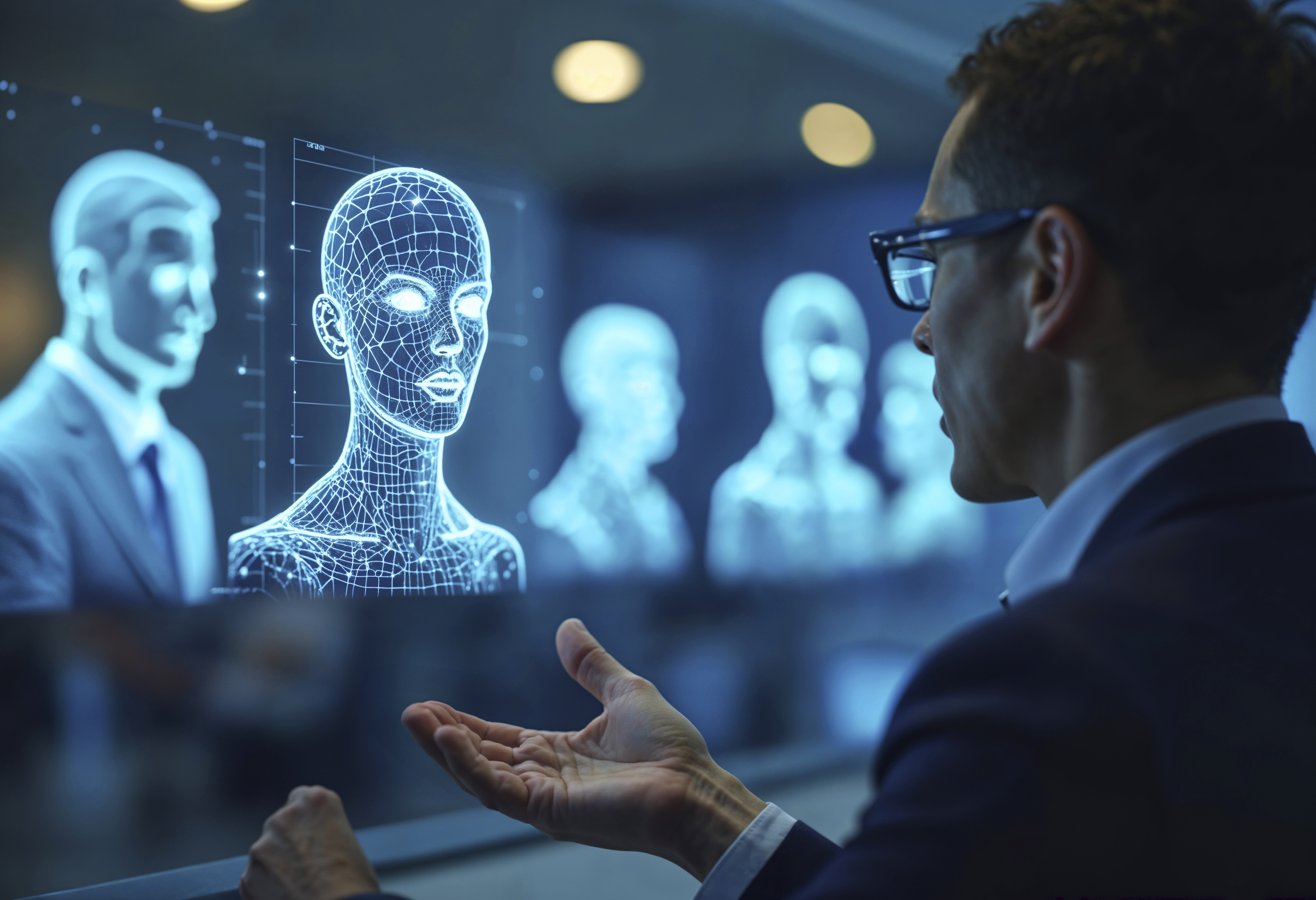
Indonesia‘s top telecom company, Indosat Ooredoo Hutchison, and tech giant GoTo Gojek Tokopedia launched Sahabat-AI, a new large language model ecosystem designed to support AI-based services in Indonesian languages. This initiative aims to empower local developers to create applications that reflect Indonesia’s diverse languages and cultural nuances.

The Sahabat-AI project is supported by AI Singapore and India’s Tech Mahindra, using Nvidia’s AI Enterprise software and the Nvidia NeMo platform for robust language processing capabilities. Contributions from universities and media groups will further tailor the model to Indonesia’s unique context.

In its initial phase, Sahabat-AI will offer 8-billion and 9-billion parameter models, highlighting Indonesia’s growing AI sector, which has already drawn significant investment interest, including a recent data centre pledge from Microsoft.

Swisscom gains approval in Vodafone Italia deal

Swisscom has moved a step closer to finalising its €8 billion acquisition of Vodafone Italia after receiving approval from Italy’s communications regulator, AGCOM. The deal, announced in March, aims to merge Vodafone Italia with Swisscom’s Fastweb subsidiary, potentially granting Swisscom a 30% share of Italy’s fixed broadband market. However, the transaction still faces scrutiny from Italy‘s antitrust authority, AGCM, which is conducting a detailed review to assess its impact on competition.

AGCM has expressed concerns that the merger could reduce competition in Italy’s already concentrated broadband market, potentially disadvantaging residential customers. In response, Swisscom has proposed several concessions, including access to Fastweb’s fiber network for competitors and protections for existing wholesale contracts.

Competitors were invited to provide feedback on these concessions by early November, and the AGCM is expected to conclude its review by mid-December. If approved, Swisscom aims to complete the acquisition by early 2025.

Strategic partnership to boost Sharjah’s digital infrastructure through advanced data centres development

Khazna, BEEAH, and the Sharjah Communication Technology Authority (SCTA) are partnering to enhance Sharjah’s digital infrastructure by developing advanced data centres. Building on a joint venture formed in 2022 between BEEAH and Khazna, SCTA is joining the effort to create Sharjah’s largest data centre, featuring a 9MW capacity, with the first phase focusing on Kalba.

That project aims to provide the necessary infrastructure to support digital transformation in Sharjah, driving innovation and enabling emerging technologies like AI and blockchain. As a result, the collaboration will advance telecommunications solutions and significantly contribute to the emirate’s broader digital growth.

In addition to fostering technological advancements, the partnership also emphasises sustainability. The project will explore eco-friendly energy solutions, such as waste-to-energy power generation, and incorporate greywater recycling systems to minimise water usage.

Moreover, energy-efficient technologies will be integrated to reduce the environmental footprint. Consequently, it will foster economic growth and technological leadership in the UAE.

European search initiative between Ecosia and Qwant aims to reduce big tech reliance

Ecosia, the Berlin-based eco-conscious search engine and Qwant, France’s privacy-focused search platform, are teaming up to build a European search index. The joint venture, named European Search Perspective (EUP), seeks to reduce reliance on tech giants like Google and Microsoft, whose search APIs have become increasingly costly. This collaboration is set to foster innovation, particularly in integrating generative AI technologies into search experiences.

Both companies currently rely on Big Tech for their search backends but are determined to develop a sustainable alternative that aligns with their unique values. EUP’s index, expected to launch in early 2025, will serve traffic in France before expanding to Germany and other European languages. The partnership will enable Qwant and Ecosia to retain their distinct user experiences while benefiting from shared resources and investment.

Privacy and data sovereignty are at the heart of the initiative. Unlike major competitors, EUP’s index won’t personalise results based on user data, maintaining a privacy-first approach. This move aligns with Europe’s growing emphasis on strategic autonomy in technology, especially as AI advances create both opportunities and risks. As the first step toward a more independent tech ecosystem, EUP represents a significant shift in Europe’s search market, challenging the dominance of US tech giants and laying the groundwork for a more diverse, innovative digital future.

Vatican enhances St. Peter’s tours with AI technology

The Vatican has introduced advanced AI-enabled services to offer virtual and enhanced access to St. Peter’s Basilica, one of the world’s most renowned Renaissance landmarks. Launched with Microsoft and heritage digitalisation firm Iconem, the new platform provides a 3D model of the basilica, developed with drones, cameras, and lasers that capture over 400,000 images. The model is now viewable through an interactive website. This innovation comes as the Catholic Church gears up for its 2025 Jubilee celebrations, expected to draw even more visitors to Rome.

With around 40,000-50,000 people visiting St. Peter’s daily, these new digital tools will allow users worldwide to virtually explore its artistic and architectural marvels. Cardinal Mauro Gambetti likened the basilica to a “starry sky,” hoping the tools would bring an “enchanting” experience to global audiences. The digital replica is also intended to aid the basilica’s future preservation and restoration.

Pope Francis expressed support for the project, highlighting the importance of ethical AI use. He noted that while AI can expand access to cultural knowledge, its application should always aim to benefit humanity.

Amazon in talks for second investment in AI startup Anthropic

Amazon is reportedly in advanced talks for a second multi-billion dollar investment in the AI startup Anthropic, building on its previous $4 billion commitment made in 2023. This new investment would not only bolster Amazon’s growing ties with Anthropic but also help enhance its strategic position in the highly competitive AI sector. Anthropic, which is using Amazon Web Services (AWS) to power its AI model training, has become a key player in the AI race.

In addition to providing financial backing, Amazon has reportedly asked Anthropic to utilise its servers, which are powered by Amazon’s custom-designed chips. However, sources note that Anthropic has a preference for using Nvidia-designed chips, which are widely recognised as the industry standard for AI processing. This dynamic highlights the ongoing competition between Amazon and Nvidia in the AI hardware space, as both tech giants vie for dominance in the rapidly expanding market.

Anthropic, founded by former OpenAI executives Dario and Daniela Amodei, has attracted significant interest from other major players in the tech industry. The startup secured a $500 million investment from Google’s parent company, Alphabet, last year, with Alphabet pledging an additional $1.5 billion over time. Despite these investments, both Amazon and Anthropic have declined to comment on the specifics of the latest talks regarding the new investment, underscoring the confidential nature of these high-stakes negotiations.

Italy expands web tax to soothe US tensions

Italy is adjusting its web tax policy, expanding it to cover smaller digital firms in an effort to address US concerns that the tax unfairly targets American tech giants. The decision, announced by Economy Minister Giancarlo Giorgetti, aims to defuse Washington’s threat of retaliatory tariffs. Italy first implemented a 3% digital service tax in 2019, focusing on large companies with annual global revenues over €750M, including giants like Meta, Google, and Amazon.

Now, under the proposed 2025 budget, Italy plans to eliminate the revenue threshold to broaden the tax’s reach to smaller companies. This change is expected to generate an additional €51.6M, supplementing the existing €400M in tax revenue. Giorgetti hopes this expansion will address US concerns over discrimination, noting that other EU countries may follow Italy’s lead.

Despite this effort, resistance remains within Italy’s government, as some coalition members argue the tax should focus exclusively on large US tech firms. As global efforts to establish a minimum digital tax remain stalled due to international disagreements, Italy’s adjustments reflect its attempt to balance international relations with economic interests.

Taiwan’s GlobalWafers expects CHIPS Act continuity under Trump

GlobalWafers has expressed optimism that the US Chips and Science Act will continue to provide strong support for chip manufacturers under the new administration. This landmark act, aimed at boosting domestic semiconductor production, offers financial incentives to encourage companies to invest in US facilities—a vital step toward securing supply chains and reducing reliance on foreign manufacturing.

In a recent statement, GlobalWafers noted that programs of this scale and duration are typically supported across different US administrations, given their importance to economic and national security. The company sees the CHIPS Act as essential for driving investments in semiconductor production and also for advancing technological innovation within the industry. They anticipate that the act’s stability under a Trump administration will allow businesses to plan long-term investments in US operations without interruption.

By fostering consistent investment in chip manufacturing, GlobalWafers believes the CHIPS Act will help ensure a robust, self-reliant US semiconductor ecosystem. The program’s continuation is seen as crucial for sustaining growth in the industry, creating jobs, and advancing the global competitiveness of the US in semiconductor technology.

Keppel partners with Mitsui Fudosan on data centre deal

Singapore’s Keppel has announced an agreement to acquire an AI-ready data centre being developed by Japan’s Mitsui Fudosan in Tokyo. The deal comes shortly after Keppel revealed plans to significantly increase its data centre funds under management, aiming to take advantage of the growing AI sector.

Mitsui Fudosan will handle the core and shell development of the facility, while Keppel’s private fund will oversee the fit-out works. The data centre is expected to be completed by 2027, with Keppel taking on the role of facility manager, which will contribute to its recurring income stream.

Keppel emphasised its ongoing partnership with Mitsui Fudosan to develop a strong pipeline of assets for its upcoming Keppel Data Centre Fund III. Financial details of the transaction have not been disclosed due to confidentiality agreements.

French football league partners with WSC Sports to revolutionise digital content strategy with AI technology

The French Ligue de Football Professionnel (LFP) and WSC Sports have partnered to revolutionise the league’s digital content strategy through AI-powered automation. WSC Sports’ platform will enable LFP to rapidly create and distribute tailored, data-driven content across various formats and platforms, including websites, apps, social media, and global broadcasts.

That will enhance fan engagement by delivering personalised content while maximising LFP’s digital assets, improving international visibility, and opening new revenue streams. The partnership also involves digitising 20 years of archived footage from Ligue 1 and Ligue 2, transforming historic moments into formats suited for modern platforms like vertical video, which will engage younger fans.

By automating content creation and distribution, LFP can scale its production efforts, expand its fanbase, and unlock new monetisation opportunities, driving financial growth. The collaboration is a significant step in LFP’s broader strategic transformation, focusing on providing a more dynamic and engaging experience for its fans.

By embracing AI and automation, LFP aims to meet the increasing demand for digital content and stay culturally relevant in a rapidly evolving media landscape. The partnership aims to strengthen fan loyalty, deliver content that exceeds expectations, and ensure that LFP’s competitions remain prominent in the global sports ecosystem.