Paris-based startup Inbolt has raised €15 million in a Series A round led by Exor Ventures, with additional support from Bpifrance and industry entrepreneurs. The company specialises in real-time robot guidance systems powered by AI. With existing investors like MIG Capital and BNP Paribas involved, Inbolt’s total funding now stands at €20 million.
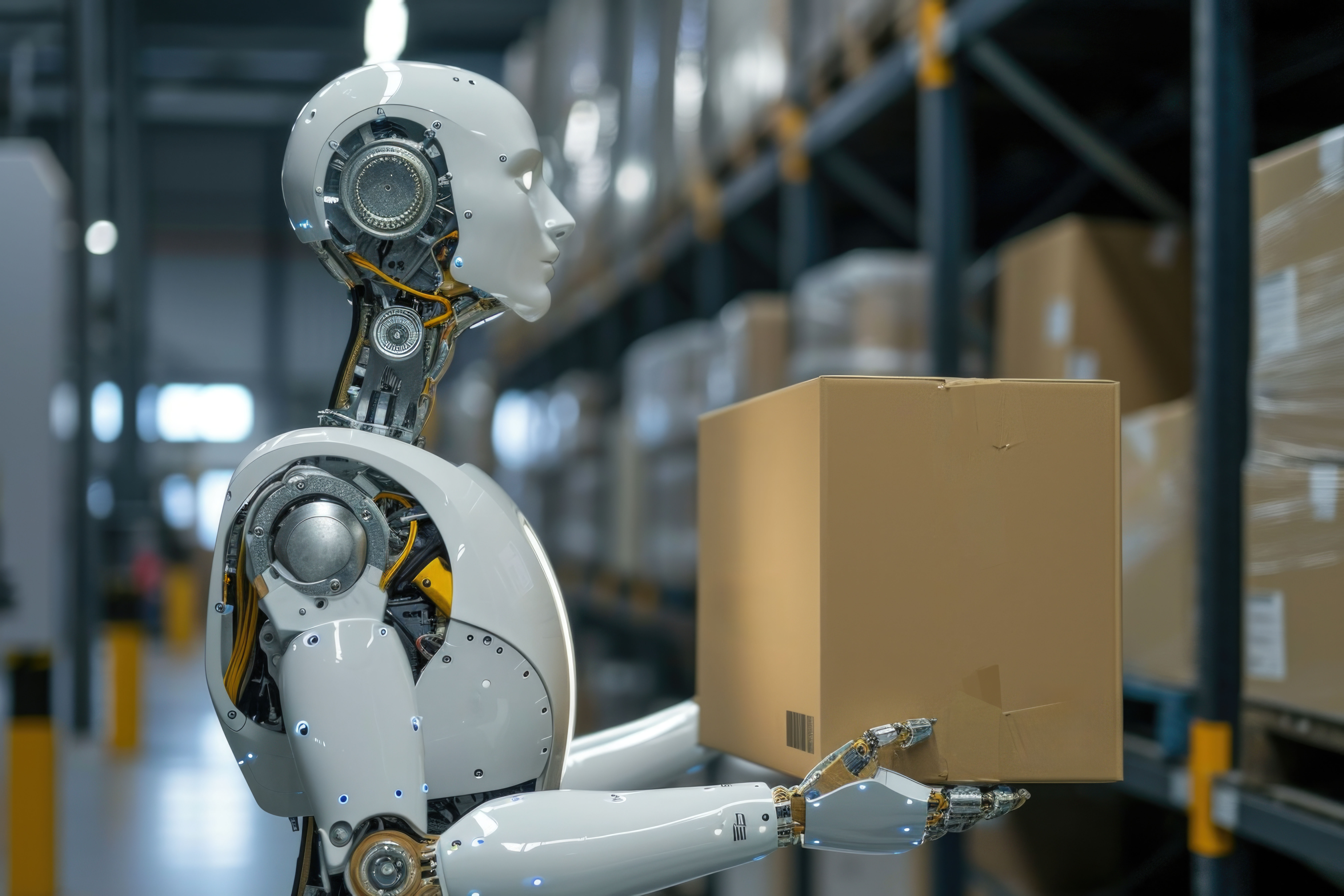
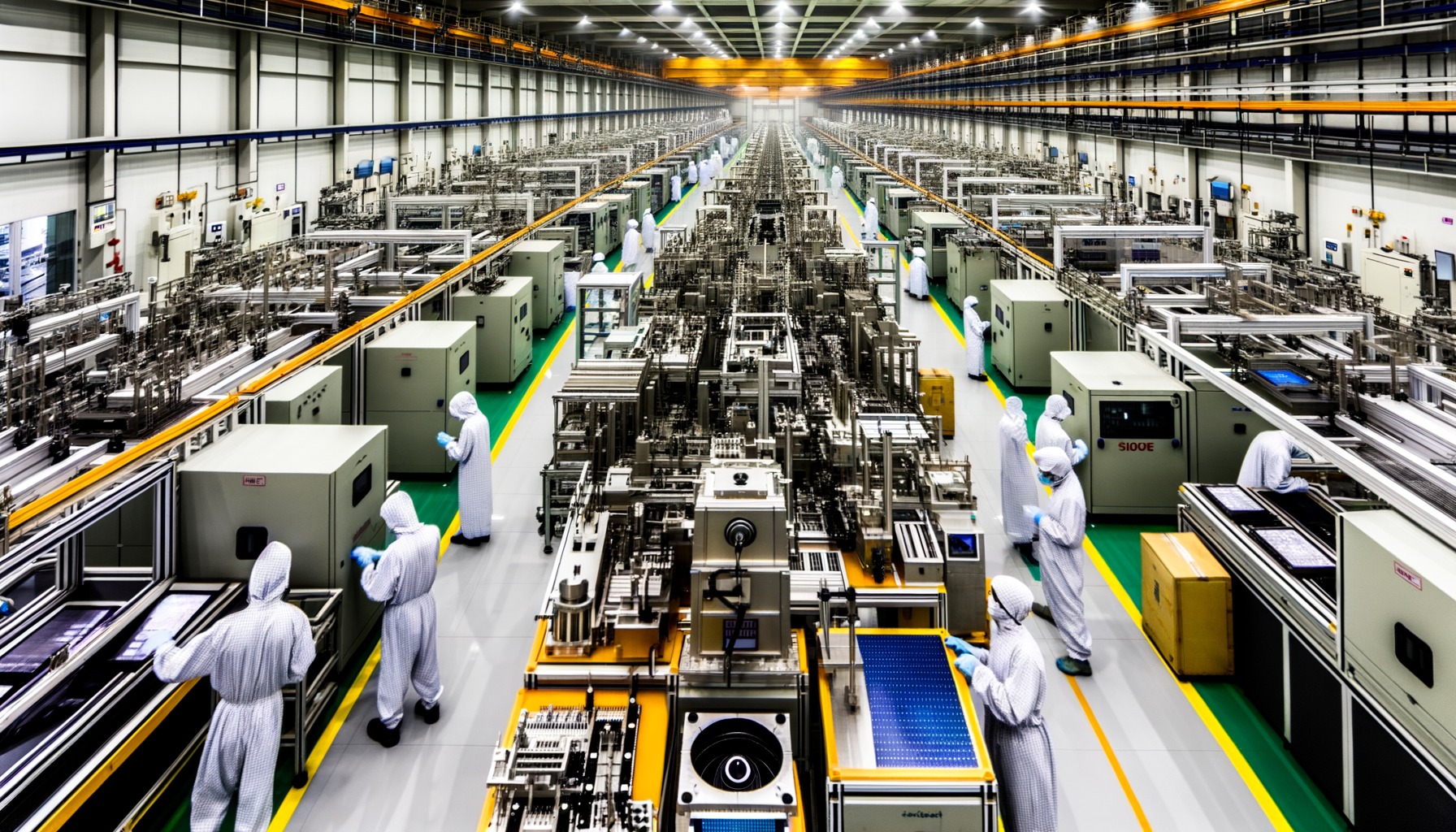
Inbolt’s 3D vision technology is designed to enhance production line efficiency, enabling robotic arms to function more accurately and at speeds 100 times faster than competitors. The company’s systems are already deployed in over 20 factories across Europe and the United States, with plans to expand into Japan and the US. Inbolt’s innovations are particularly useful for industries such as automotive and electronics.
Manufacturers face increasing pressure to automate their processes due to labour shortages and the need for improved working conditions. Inbolt’s GuideNOW solution helps meet these challenges with AI-powered 3D cameras that enable real-time robot adjustments in complex environments. Stellantis, one of Inbolt’s early clients, reportedly saved over €3.1 million in a single year using their technology.
In addition to international expansion, Inbolt will use the funding to develop new products and grow its team. With a surge in demand, the company aims to continue improving the flexibility of robotic systems for various industries.
Russian retailers have started pre-sales of Apple’s iPhone 16, despite the company’s export ban after Moscow invaded Ukraine. Leading stores M.Video-Eldorado and mobile operator MTS are the first to offer the new devices, with M.Video planning deliveries next week. However, Russian consumers face significantly higher prices, paying hundreds of dollars more than U.S. customers.
Despite Apple halting product sales and services like Apple Pay in Russia in 2022, the iPhone 16 is still available through parallel imports from countries that have not enforced sanctions, such as Turkey, Kazakhstan, and China. The Kremlin has endorsed this grey market system to keep foreign goods accessible. However, prices are much higher in Russia, with the 128GB iPhone 16 starting at 112,999 roubles ($1,225) and the 1TB iPhone 16 Pro Max priced at 249,999 roubles ($2,710), significantly more than U.S. prices.
Despite sanctions, Western technology remains highly sought after in Russia. However, the Russian government has urged officials to stop using iPhones, claiming they are compromised by Western intelligence agencies, a claim Apple denied.
Analog Devices (ADI) has entered into an agreement with India’s Tata Group to explore semiconductor manufacturing opportunities in the country. Tata Electronics, the conglomerate’s electronics manufacturing division, is investing $14 billion to build India’s first semiconductor fabrication plant in Gujarat and a chip-assembly and testing facility in Assam.
The collaboration aims to produce ADI’s semiconductor products at Tata Electronics’ facilities, boosting India’s presence in the global semiconductor industry. Prime Minister Narendra Modi’s government is pushing for the country to become a key player in semiconductor production, rivalling established hubs such as Taiwan.
As part of the deal, Tata will also integrate ADI’s semiconductor products into Tata Motors’ electric vehicles and Tejas Networks’ telecom infrastructure. However, neither company has disclosed specific details regarding the products that will be manufactured or utilised.
Several other global companies, including NXP Semiconductors and Micron, have also announced plans to invest in India’s growing semiconductor sector, further solidifying the nation’s ambitions in this critical technology area.
AI is forecast to add a cumulative $19.9 trillion to the global economy by 2030, according to a recent IDC study. This growth includes direct revenue from AI companies and investments in infrastructure. By that year, AI-related activities could contribute 3.5% to global GDP.
IDC reports AI spending will involve direct, indirect, and induced categories. Direct spending includes revenue from AI companies and their investment in hardware, while indirect spending covers the construction of data centres and related hiring. Induced spending, meanwhile, represents the broader economic impact of AI advancements.
Every dollar invested in business-related AI solutions in 2030 is expected to generate $4.60 into the global economy. However, IDC’s analysis does not cover potential changes in jobs or wages, which many believe AI adoption could affect.
A survey from IDC revealed that 48% of workers expect part of their roles to be automated within two years. While job automation is a significant concern, full automation remains rare, with only 3% expecting their jobs to be completely automated.
The International Telecommunication Union (ITU) recently hosted the Digital Skills Forum in Manama, Bahrain, addressing the pressing need for digital skills in today’s technology-driven society. With nearly 700 participants from 44 countries, the forum emphasised urgent calls to action aimed at bridging the digital skills gap that affects billions around the globe.
‘Digital skills have the power to change lives,’ asserted Doreen Bogdan-Martin, ITU Secretary-General, highlighting the union’s dedication to fostering an inclusive digital society. In response to this challenge, ITU introduced the ‘Digital Skills Toolkit 2024,’ a comprehensive resource to support policymakers and stakeholders in crafting effective national strategies to close digital skills gaps.
That toolkit seeks to empower diverse sectors, including private enterprises and academic institutions, by providing essential insights and resources within an ever-evolving technological landscape. Furthermore, the forum underscored the importance of lifelong learning and continuous upskilling, particularly in advanced fields such as AI and cybersecurity. ‘Addressing the digital skills gap requires strong partnerships and a commitment to investing in digital education,’ emphasised Cosmas Luckyson Zavazava, Director of ITU’s Telecommunication Development Bureau.
Bahrain’s leadership in promoting digital skills was prominently featured, reflecting its dedication to international cooperation and innovation. Young entrepreneurs showcased their innovative approaches to digital education, demonstrating the transformative potential of technology in shaping the future.
Generative AI is significantly more energy-intensive than traditional search engines, according to researcher Sasha Luccioni, who has raised concerns about the environmental impact of the technology. Generating new information requires vast computing power and energy, particularly for models like ChatGPT, which rely on extensive data training.
The AI and cryptocurrency sectors consumed nearly 460 terawatt hours of electricity in 2022, around two percent of global production, according to the International Energy Agency. Luccioni, a leading expert on AI’s climate impact, has developed tools to quantify the carbon footprint of AI technologies, helping developers make informed decisions.
Efforts to mitigate the environmental consequences of AI are underway. Luccioni is working on a certification system to rate the energy efficiency of AI models, aiming to encourage more sustainable practices. Transparency from tech giants like Google and OpenAI is essential, as their greenhouse gas emissions have surged due to AI development.
The solution, Luccioni argues, lies in a combination of government legislation, increased transparency, and better public understanding of AI’s limitations and environmental costs. She advocates for ‘energy sobriety’ by using AI tools more judiciously and making environmentally conscious decisions.
Samsung has rolled out its One UI 6.1.1 update for the Galaxy Tab S8 series in South Korea. The update, initially available for Galaxy smartphones, introduces new Galaxy AI features and various improvements to One UI. The software upgrade applies to the Galaxy Tab S8, S8+, and S8 Ultra, with firmware versions X700XXU8CXHB, X800XXU8CXHB, and X900XXU8CXHB, respectively.
The update is significant, with a download size of over 2.8GB. The Galaxy AI features included in the upgrade were previously seen on the Galaxy Z Flip 6 and Galaxy Z Fold 6. Besides the AI enhancements, users will also experience improved Samsung stock apps and refined One UI functionality.
Samsung tablet users in South Korea can now install the update by heading to their device settings and manually downloading the software. For Galaxy Tab S8 series owners outside South Korea, the update is expected to roll out soon across various regions.
Chinese multinational technology company, Alibaba, has intensified its push into the generative AI space by releasing new open-source AI models and text-to-video technology. The Chinese tech giant’s latest models, part of its Qwen 2.5 family, range from 0.5 to 72 billion parameters, covering fields like mathematics, coding, and supporting over 29 languages.
This marks Alibaba’s shift towards a hybrid approach, combining both open-source and proprietary AI developments, as it competes with rivals such as Baidu and OpenAI, which favor closed-source models. The newly introduced text-to-video model, part of the Tongyi Wanxiang family, positions Alibaba as a key player in the rapidly growing AI-driven content creation market.
The company’s new AI offerings aim to serve a wide range of industries, from automotive and gaming to scientific research, solidifying its role in shaping the future of AI across various sectors.
IFC and Airtel Africa have established a strategic partnership to enhance mobile connectivity across sub-Saharan Africa. With a substantial investment of $200 million, the collaboration is focused on modernising Airtel Africa’s network and expanding its infrastructure, particularly in underserved rural areas.
By targeting over 37 million subscribers, this initiative is poised to significantly impact the region’s digital landscape, improving access to essential services and creating opportunities for millions. That partnership is dedicated to tackling the critical connectivity gap in a region where approximately 600 million people still lack access to 4G mobile coverage.
Despite the heavy reliance on mobile phones for business activities, many areas remain underserved, hindering potential economic growth. By enhancing network performance and availability, IFC and Airtel Africa aim to bridge this gap, ensuring that more individuals can enjoy reliable mobile internet access.
Furthermore, the financing is structured as a sustainability-linked loan, incorporating performance metrics that align with Airtel’s sustainability goals. These include increasing smartphone adoption and promoting financial inclusion for women. Recognising the pivotal role of mobile banking in regions with limited financial infrastructure, the partnership seeks to empower women by improving their access to mobile banking solutions.
YouTube and the e-commerce platform Shopee have introduced a new online shopping service in Indonesia. This initiative aims to expand across Southeast Asia in response to increased competition from TikTok’s e-commerce ambitions. As part of this collaboration, users can now directly purchase products they see on YouTube through links to Shopee, which is owned by Sea Ltd. This service, already available in South Korea and the U.S., will soon be launched in Thailand and Vietnam.
The partnership is happening as Southeast Asia’s e-commerce market is growing rapidly, with Indonesia being a key focus due to its strong online shopping demand. Alphabet Inc.’s YouTube and Shopee will be competing with TikTok, which has strengthened its regional presence through its own shopping platform called TikTok Shop. In 2023, the TikTok service experienced significant growth and became the second-largest e-commerce platform in Southeast Asia, just behind Shopee.
YouTube executives did not provide details on the extent of the partnership but suggested that there could be future collaborations with other e-commerce platforms. The e-commerce sector in the region is expected to keep growing, having reached $114.6 billion in gross merchandise value in 2023.