Starting Saturday, all small- and medium-sized portable electronic devices sold in the EU must use USB-C ports for charging, a move aimed at reducing waste and increasing convenience for consumers. Devices like smartphones, tablets, cameras, and headphones will now share a standardised charger, eliminating the need for multiple charging cables.
The new rule follows a 2022 vote by the European Parliament and member states to phase out alternative charging methods. Consumers can also choose to opt out of receiving a charger with new devices, further cutting down on waste. Laptop manufacturers will be required to comply with similar standards starting April 28, 2026.
Anna Cavazzini, chair of the European Parliament’s Committee on the Internal Market and Consumer Protection, hailed the change as a victory for sustainability and cost savings. The measure is expected to save EU households €250 million annually and significantly reduce the waste generated by discarded chargers. The Parliament has pledged to closely monitor manufacturers as they implement the new rules.
OpenAI’s ChatGPT, Sora, and developer API experienced a significant outage on Thursday, disrupting services for over four hours. The issue began around 11 a.m. PT, with partial recovery reported by 2:05 p.m. PT. By 3:16 p.m. PT, OpenAI stated that Sora was operational, though ChatGPT users might still encounter issues accessing their chat history.
According to OpenAI’s status page, the outage was caused by one of their upstream providers, but the company did not provide further details. This marks the second major outage for OpenAI’s services in December. Two weeks ago, a similar incident attributed to a telemetry service malfunction resulted in a six-hour disruption, a notably longer downtime than usual.
Interestingly, popular platforms utilising OpenAI’s API, such as Perplexity and Siri’s Apple Intelligence integration, appeared unaffected during the outage, as confirmed by their status pages and independent testing. OpenAI is actively working to ensure full restoration of its services while addressing the root causes behind these recurring disruptions.
Jet.AI has introduced a cutting-edge AI model, ‘Ava,’ designed to revolutionise private jet bookings. Customers can communicate with Ava via phone or text to receive real-time pricing, aircraft availability, and personalised guidance. According to Jet.AI‘s founder Mike Winston, the agentic AI model offers a cost-efficient solution that enhances customer convenience while streamlining operations.
Updates to Jet.AI’s CharterGPT app accompany Ava’s launch, providing features like carbon tracking, enhanced notifications for travel updates, and deep linking for seamless access to trip details discussed with the AI. These upgrades prioritise eco-conscious decisions and user-friendly functionality.
Agentic AI, which operates autonomously to handle entire processes, is gaining momentum across industries. Intuit, for instance, plans to expand agentic AI across its platforms like TurboTax and QuickBooks through 2025, enhancing efficiency while maintaining human expert support when necessary.
Saudi Arabia’s Diriyah Gate Development Authority (DGDA) and Amazon collaborate to enhance cultural and technical engagement, focusing on enriching visitor experiences at Diriyah’s historical sites. That initiative integrates Amazon’s innovative technologies, including Alexa, to provide accessible and comprehensive cultural and historical content.
Aligned with Saudi Arabia’s Vision 2030, the collaboration aims to establish Diriyah as a global destination for culture and heritage while contributing to the tourism, cultural, and historical sectors. Additionally, the partnership supports community and economic growth by highlighting regional products, enabling local sellers to reach wider audiences through Amazon.sa, and fostering local content development.
Diriyah Gate Development Authority (DGDA) and Amazon are committed to preserving and celebrating the rich cultural heritage of Saudi Arabia. By connecting the Kingdom’s traditions and history with cutting-edge technology, they aim to create transformative experiences that resonate with visitors and strengthen Diriyah’s significance as a cultural hub on the global stage.
U Mobile and Huawei Malaysia have entered into a strategic partnership to enhance U Mobile’s 5G networks and support its strategic roadmap. The collaboration builds on an earlier partnership focused on 5G innovation and adoption for businesses, with both companies committed to advancing Malaysia’s telecommunications infrastructure.
The partnership also aims to deploy advanced hardware and software to create a high-performance second 5G network in Malaysia, leveraging Huawei’s global expertise in Radio Access Network (RAN) technologies and future technological advancements. Additionally, both parties will intensify research and development efforts to enhance customer satisfaction and drive greater 5G adoption in both consumer and enterprise markets, focusing on enterprises that require ultra-low latency and high bandwidth.
The collaboration will also explore project financing opportunities, including vendor financing and deferred payment plans, to support the development of these technologies and unlock new business opportunities.
Through this partnership, U Mobile and Huawei Malaysia are positioning themselves to meet the growing demand for 5G services across various sectors. The goal is to ensure the infrastructure can support the evolving needs of businesses and consumers alike.
By combining their strengths and expertise, the two companies aim to fast-track the growth of Malaysia’s telecom services and contribute to its digital economy, ultimately supporting the nation’s transition into a more connected and digitally advanced future.
AI became a defining feature of the 2024 Paris Olympics. Athletes benefited from AI-driven tools like chatbots for cybersecurity and systems offering 360-degree performance replays. AI also enhanced event safety with software monitoring crowd dynamics and abandoned objects, paving the way for future global events.
Outside the Olympics, AI was integrated into consumer technology. Car manufacturers such as Volkswagen and XPeng introduced AI-assisted features, transforming vehicles into adaptive companions. Volkswagen’s ChatGPT integration enhanced in-car assistance, while XPeng’s AI-defined car promised autonomous decision-making.
Flying taxis generated excitement but failed to soar as anticipated. Despite setbacks, companies like Volocopter and Hyundai showcased designs, while Joby secured a UK license, with commercial flights expected by 2025. Tesla unveiled the Cybercab, relying solely on AI for navigation, with a 2026 market launch planned.
Smartphones and smart glasses underwent significant innovation. Bendable phones by Motorola and Lenovo offered new flexibility, and Samsung’s toughened foldable displays impressed. Meta’s neural-interface glasses broke ground but raised privacy concerns, demonstrating the balance between progress and ethics in technology.
Viettel High Tech (VHT) and High Cloud Technologies (HCT) have formed a strategic partnership through a $1 million deal to supply 5G systems for the Middle Eastern market. That collaboration strengthens HCT’s position as the region’s leading telecom solutions provider and opens doors for future partnerships with other telecom operators.
Under the agreement, VHT will provide 4G and 5G base stations using Non-Standalone (NSA) technology and cloud-based core network infrastructure, showcasing its expertise in end-to-end telecom solutions. The goal is to implement these solutions, conduct 5G trials, and demonstrate the reliability and performance of VHT’s products with major telecom operators.
The following partnership is expected to enhance telecom coverage, especially in suburban and rural areas, contributing to improved education and living standards across the UAE and the broader Middle East. The collaboration also supports regional growth in sectors like education, healthcare, and business, which depend on robust digital infrastructure.
Why does it matter?
VHT’s entry into the Middle East marks a significant milestone in its technological journey, as it has been developing 4G technologies since 2017 and began 5G research in 2019.
A German court has ordered Signify, the world’s largest lighting maker, to recall and destroy certain products sold since 2017, citing patent infringement claims made by Seoul Semiconductor, a South Korean firm. The Düsseldorf court also ruled that Signify could face fines of up to €250,000 ($259,925) for each violation of the order, according to a statement from Seoul Semiconductor.
Signify, headquartered in the Netherlands and spun off from Philips in 2016, has not yet responded to requests for comment. The court ruling adds to the challenges faced by the company, which has a global reputation in the lighting industry.
Seoul Semiconductor, a leader in light-emitting diode (LED) technology, invests heavily in innovation, allocating about 10% of its revenue to research and development. The company boasts a portfolio of over 18,000 patents and has pursued legal action against multinational corporations to protect its intellectual property rights.
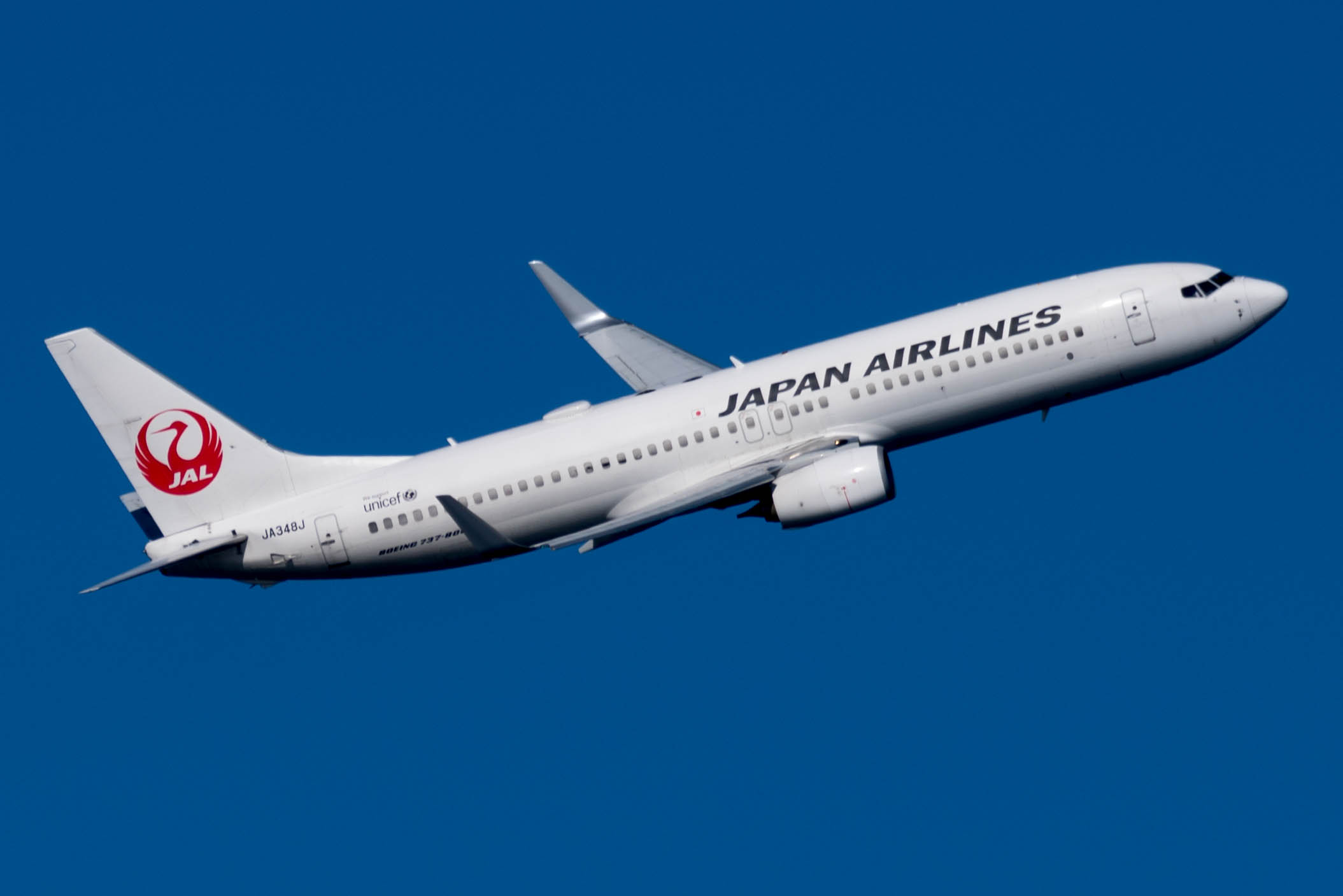
Japan Airlines (JAL) announced on Thursday that its systems have returned to normal following a cyberattack that disrupted domestic and international flights earlier in the day. The attack, which began at 7:24 a.m., caused malfunctions in internal and external systems, forcing the airline to suspend same-day ticket sales temporarily. The issue was resolved after shutting down a malfunctioning router.
JAL confirmed that no customer data was leaked and there was no damage from computer viruses. The company resumed ticket sales for flights departing on Thursday once the systems stabilised. Meanwhile, ANA Holdings, Japan’s other major airline, reported no signs of a similar attack on its operations.
The incident comes shortly after American Airlines briefly grounded all flights on Christmas Eve due to a network hardware glitch, highlighting ongoing challenges airlines face with system vulnerabilities during peak travel periods.
Google is introducing major updates to its Maps Timeline feature, shifting towards enhanced privacy by storing location history locally on users’ devices. This change means that any unbacked location history data will be automatically deleted after three months unless users take action to save it. Notifications regarding the update will provide a six-month window to back up data, urging users to preserve personal memories or valuable travel records before permanent deletion.
To save Timeline data, users can utilise Google’s export tools on their devices or through the web. This process allows users to maintain access to their past location history while ensuring it remains private and under their control. However, some users have reported unexpected deletions, emphasising the importance of regular backups to avoid data loss.
These updates are part of the US-based tech giant’s broader efforts to address privacy concerns by limiting the storage of sensitive data on its servers. While this move enhances data security, users are encouraged to take proactive steps to back up important information, explore privacy features like incognito mode, and consider additional tools such as VPNs to protect their online activity.