Balancing chaos and precision: The paradox of AI work

In a recent blog post, Jovan Kurbalija explores why working in AI often feels like living with two competing personalities. On one side is the explorer, curious, bold, and eager to experiment with new models and frameworks. That mindset thrives on quick bursts of creativity and the thrill of discovering novel possibilities.

Yet, the same field demands the opposite. The engineer’s discipline, a relentless focus on precision, validation, and endless refinement, until AI systems are impressive and reliable.

The paradox makes the search for AI talent unusually difficult. Few individuals naturally embody both restless curiosity and meticulous perfectionism.

The challenge is amplified by AI itself, which often produces plausible but uncertain outputs, requiring both tolerance for ambiguity and an insistence on accuracy. It is a balancing act between ADHD-like energy and OCD-like rigour—traits rarely found together in one professional.

The tension is visible across disciplines. Diplomats, accustomed to working with probabilities in unpredictable contexts, approach AI differently from software developers trained in deterministic systems.

Large language models blur these worlds, demanding a blend of adaptability and engineering rigour. Recognising that no single person can embody all these traits, the solution lies in carefully designed teams that combine contrasting strengths.

Kurbalija points to Diplo’s AI apprenticeship as an example of this approach. Apprentices are exposed to both the ‘sprint’ of quickly building functional AI agents and the ‘marathon’ of refining them into robust, trustworthy systems. By embracing this duality, teams can bridge the gap between rapid innovation and reliable execution, turning AI’s inherent contradictions into a source of strength.

Would you like to learn more about AI, tech and digital diplomacy? If so, ask our Diplo chatbot!

Technology and innovation define Researchers’ Night 2025 in Greece

Greece hosted the European Researchers’ Night 2025 on Friday, 26 September at the Thessaloniki Concert Hall, marking a significant celebration of science and technology.

The Centre coordinated it for Research and Technology Hellas (CERTH), which also celebrated its 25th anniversary.

Visitors experienced an extensive interactive technology exhibition featuring VR, autonomous robots and AI applications, alongside demonstrations across energy, digital systems and life sciences.

Attendees engaged directly with researchers and explored how cutting-edge research is transformed into practical innovations with societal and economic impact.

Contributions came from Aristotle University of Thessaloniki, the University of Ioannina, the International Hellenic University, the Anna Papageorgiou STEM Centre, the Hellenic Agricultural Organisation – DIMITRA, and the Astronomy Friends Association.

The event showcased CERTH’s spin-offs and technology transfer initiatives, highlighting how advanced research evolves into market-ready products and services. The ‘European Corner’ also presented EU policies and opportunities for research and innovation.

In parallel, the online ‘Chat Lab’ brought together 51 researchers for public discussions on emerging scientific issues until 3 October.

With simultaneous events in Athens, Heraklion, Patras, Larissa and Rethymno, the European Researchers’ Night once again reinforced the role of Greece in connecting frontier research with society.

Would you like to learn more about AI, tech and digital diplomacy? If so, ask our Diplo chatbot!
UK supports JLR supply chain with £1.5 billion loan guarantee

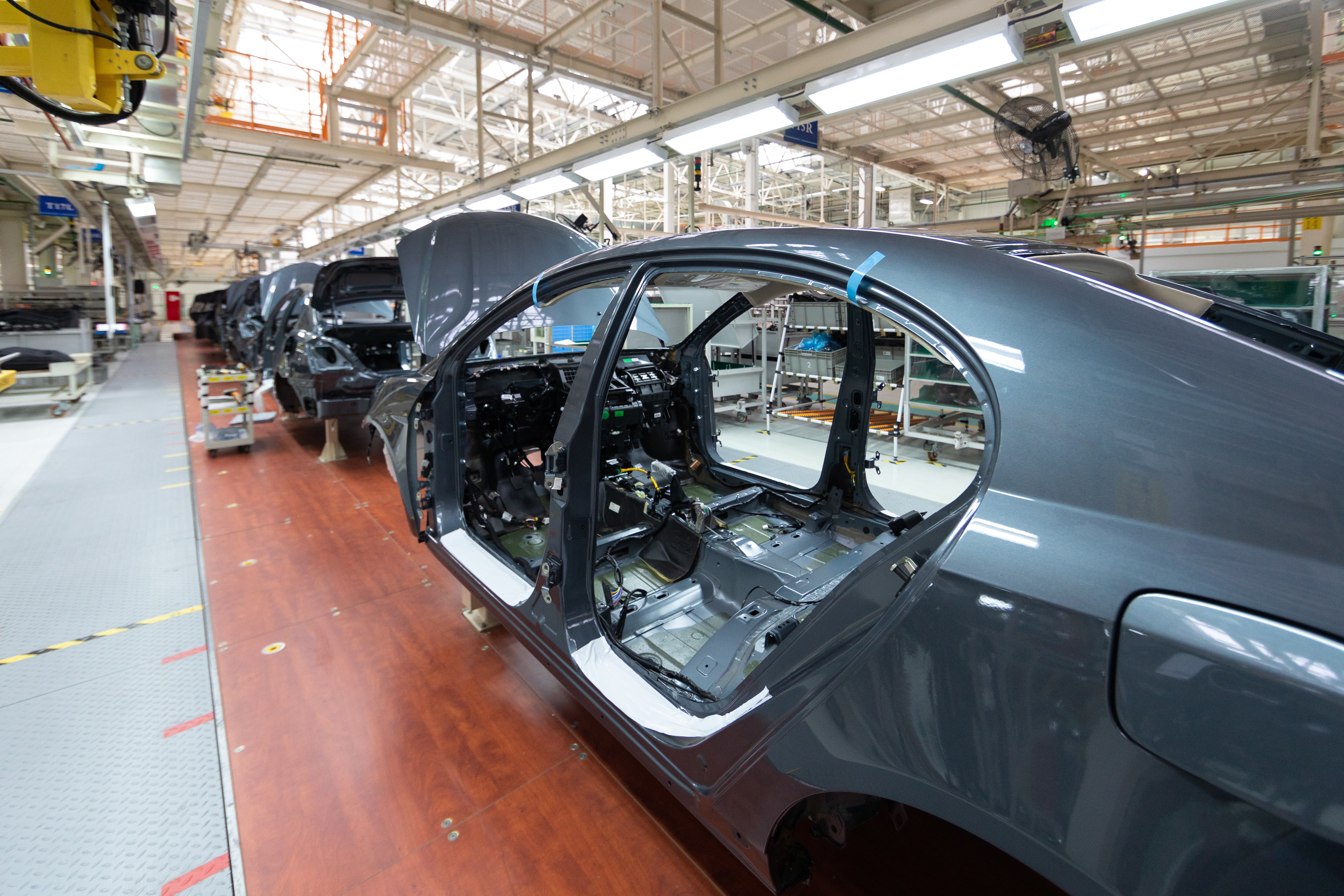
The UK Government will guarantee a £1.5 billion loan to Jaguar Land Rover (JLR) in response to the cyber-attack that forced the carmaker to halt production.

An Export Development Guarantee, administered by UK Export Finance, will back a commercial bank loan repaid over five years to stabilise JLR’s finances and protect its supply chain.

Business Secretary Peter Kyle described the attack as a strike on the UK’s automotive sector and said the guarantee would safeguard jobs across the West Midlands, Merseyside and beyond.

Chancellor Rachel Reeves called JLR a ‘jewel in the crown’ of the UK economy, stressing that the package would protect tens of thousands of jobs directly and indirectly linked to the manufacturer.

JLR employs 34,000 people in the UK and supports an automotive supply chain of 120,000 workers, many in SMEs.

The guarantee forms part of the Government’s modern Industrial Strategy, which includes backing for electric vehicle adoption, reduced energy costs for manufacturers, and multi-billion-pound commitments to research and development.

An announcement follows ministerial visits to JLR headquarters and supplier Webasto, with ministers promising to keep working with industry leaders to get production back online and strengthen Britain’s automotive resilience.

Would you like to learn more about AI, tech and digital diplomacy? If so, ask our Diplo chatbot!

Bye Bye Google AI hides unwanted AI results in Search

Google is pushing AI deeper into its services, with AI Overviews already reaching billions of users and AI Mode now added to Search. Chrome is also being rebranded as an AI-first browser.

Not all users welcome these changes. Concerns remain about accuracy, intrusive design and Google’s growing control over how information is displayed. Unlike other features, AI elements in Search cannot be turned off directly, leaving users reliant on third-party solutions.

One such solution is the new ‘Bye Bye, Google AI’ extension, which hides AI-generated results and unwanted blocks such as sponsored links, shopping sections and discussion forums.

The extension works across Chromium-based browsers, though it relies on CSS and may break when Google updates its interface.

A debate that reflects wider unease about AI in Search.

While Google claims it improves user experience, critics argue it risks spreading false information and keeping traffic within Google’s ecosystem rather than directing users to original publishers.

Would you like to learn more about AI, tech and digital diplomacy? If so, ask our Diplo chatbot!

The strategic shift toward open-source AI

The release of DeepSeek’s open-source reasoning model in January 2025, followed by the Trump administration’s July endorsement of open-source AI as a national priority, has marked a turning point in the global AI race, writes Jovan Kurbalija in his blog ‘The strategic imperative of open source AI’.

What once seemed an ideological stance is now being reframed as a matter of geostrategic necessity. Despite their historical reliance on proprietary systems, China and the United States have embraced openness as the key to competitiveness.

Kurbalija adds that history offers clear lessons that open systems tend to prevail. Just as TCP/IP defeated OSI in the 1980s and Linux outpaced costly proprietary operating systems in the 1990s, today’s open-source AI models are challenging closed platforms. Companies like Meta and DeepSeek have positioned their tools as the new foundations of innovation, while proprietary players such as OpenAI are increasingly seen as constrained by their closed architectures.

The advantages of open-source AI are not only philosophical but practical. Open models evolve faster through global collaboration, lower costs by sharing development across vast communities, and attract younger talent motivated by purpose and impact.

They are also more adaptable, making integrating into industries, education, and governance easier. Importantly, breakthroughs in efficiency show that smaller, smarter models can now rival giant proprietary systems, further broadening access.

The momentum is clear. Open-source AI is emerging as the dominant paradigm. Like the internet protocols and operating systems that shaped previous digital eras, openness is proving more ethical and strategically effective. As researchers, governments, and companies increasingly adopt this approach, open-source AI could become the backbone of the next phase of the digital world.

Would you like to learn more about AI, tech and digital diplomacy? If so, ask our Diplo chatbot!

London faces major job shifts as AI takes hold

Nearly a million jobs in London face change as AI reshapes the workplace.

New research suggests repetitive roles such as telemarketing, bookkeeping, and data entry will be among the most affected, with women at greater risk since they comprise much of the workforce in these sectors.

Analysts from LiveCareer UK and McKinsey reported that job adverts for roles most exposed to automation have dropped sharply in the past three years.

They warn that fewer entry-level opportunities could damage the future workforce unless businesses rethink how to balance automation with human creativity and judgement.

Some organisations are already adapting AI to support staff instead of replacing them. At Queen Elizabeth Hospital, a pharmaceutical robot works alongside clinicians, using AI to predict medicine demand and improve patient safety.

Leaders at Lewisham and Greenwich NHS Trust argue AI should relieve staff of repetitive tasks so they can focus on higher-value care.

Across industries, firms from Ford to Microsoft predict significant disruption. Ford’s chief executive has suggested AI could replace half of white-collar roles in the US, while others argue it will boost productivity instead of eliminating jobs.

Tech companies such as Snap are experimenting with AI-driven creativity tools, insisting the technology should act as an aid for workers rather than a threat to employment.

Would you like to learn more about AI, tech and digital diplomacy? If so, ask our Diplo chatbot!

Persistent WordPress malware campaign hides as fake plugin to evade detection

A new malware campaign targets WordPress sites, utilising steganography and persistent backdoors to maintain unauthorised admin access. It uses two components that work together to maintain control.

The attack begins with malicious files disguised as legitimate WordPress components. These files are heavily obfuscated, create administrator accounts with hardcoded credentials, and bypass traditional detection tools. However, this ensures attackers can retain access even after security teams respond.

Researchers say the malware exploits WordPress plugin infrastructure and user management functions to set up redundant access points. It then communicates with command-and-control servers, exfiltrating system data and administrator credentials to attacker-controlled endpoints.

This campaign can allow threat actors to inject malicious code, redirect site visitors, steal sensitive data, or deploy additional payloads. Its persistence and stealth tactics make it difficult to detect, leaving websites vulnerable for long periods.

The main component poses as a fake plugin called ‘DebugMaster Pro’ with realistic metadata. Its obfuscated code creates admin accounts, contacts external servers, and hides by allowing known admin IPs.

Would you like to learn more about AI, tech, and digital diplomacy? If so, ask our Diplo chatbot!
Hitachi launches AI Factory with NVIDIA

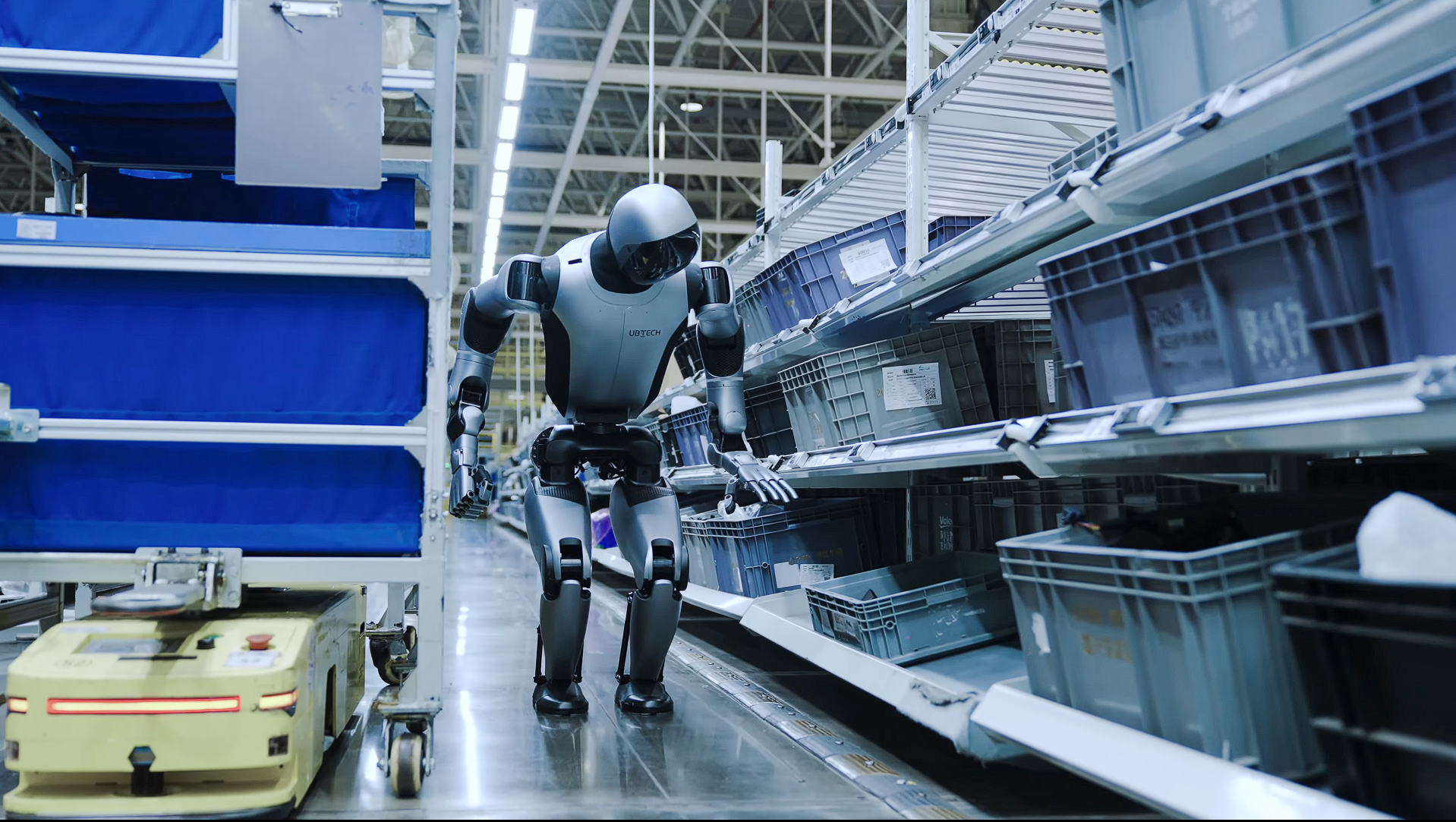
Hitachi has unveiled a global AI Factory built on NVIDIA’s reference architecture to accelerate the development of physical AI solutions.

The new platform uses Hitachi iQ systems powered by NVIDIA Blackwell GPUs, alongside the Spectrum-X networking platform, to deliver unified AI infrastructure for research and deployment.

Hitachi said the AI Factory will enhance its HMAX family of AI-enabled solutions across energy, mobility, industry, and technology sectors. It will allow models to interpret data from sensors and cameras, make decisions, and act in real-world environments.

The facility integrates NVIDIA AI Enterprise software and Omniverse libraries, enabling simulation and digital twin capabilities. Both firms describe the initiative as a key driver of social innovation, combining advanced AI computing with industrial applications.

Would you like to learn more about AI, tech and digital diplomacy? If so, ask our Diplo chatbot

UK government considers supplier aid after JLR cyberattack

Jaguar Land Rover (JLR) is recovering from a disruptive cyberattack, gradually bringing its systems back online. The company is focused on rebuilding its operations, aiming to restore confidence and momentum as key digital functions are restored.

JLR said it has boosted its IT processing capacity for invoicing to clear its payment backlog. The Global Parts Logistics Centre is also resuming full operations, restoring parts distribution to retailers.

The financial system used for processing vehicle wholesales has been restored, allowing the company to resume car sales and registration. JLR is collaborating with the UK’s NCSC and law enforcement to ensure a secure restart of operations.

Production remains suspended at JLR’s three UK factories in Halewood, Solihull, and Wolverhampton. The company typically produces around 1,000 cars a day, but staff have been instructed to stay at home since the August cyberattack.

The government is considering support packages for the company’s suppliers, some of whom are under financial pressure. A group identifying itself as Scattered Lapsus$ Hunters has claimed responsibility for the incident.

Would you like to learn more about AI, tech, and digital diplomacy? If so, ask our Diplo chatbot!

UNDP and RIPE NCC join forces for sustainable development

The United Nations Development Programme (UNDP) and the Réseaux IP Européens Network Coordination Centre (RIPE NCC) have signed a new agreement to boost cooperation on digital development. The Memorandum of Understanding, announced in New York during the UN General Assembly’s High-Level Week, focuses on building scalable, secure, and resilient internet infrastructure across the Arab States and beyond.

By combining UNDP’s development mandate with RIPE NCC’s technical expertise, the partnership aims to promote inclusive digital transformation and accelerate progress toward the Sustainable Development Goals.

UNDP’s Abdallah Al Dardari stressed that digital transformation is now a ‘development imperative,’ while RIPE NCC CEO Hans Petter Holen highlighted that resilient internet systems are vital for innovation and growth.

The announcement took place as part of Digital@UNGA Week and came just ahead of UNDP’s High-Level Roundtable on Digital for Sustainable Development. At the roundtable, partners unveiled Morocco’s Digital for Sustainable Development Hub, underscoring the growing role of multi-stakeholder cooperation in shaping inclusive digital ecosystems worldwide.

For more information from the 80th session of the UN General Assembly, visit our dedicated page.

Would you like to learn more about AI, tech and digital diplomacy? If so, ask our Diplo chatbot!