FIDReC recorded 4,355 claims in FY2024/2025, marking its highest volume in twenty years and a sharp rise from the previous year. Scam activity and broader dispute growth across financial institutions contributed to the increase. Greater public awareness of the centre’s role also drove more filings.
Fraud and scam disputes climbed to 1,285 cases, up more than 50% and accounting for nearly half of all claims. FIDReC accepted 2,646 claims for handling, with early resolution procedures reducing formal caseload growth. The phased approach encourages direct negotiation between consumers and providers.
Chief Executive Eunice Chua said rising claim volumes reflect fast-evolving financial risks and increasingly complex products. National indicators show similar pressures, with Singapore ranked second globally for payment card scams. Insurance fraud reports also continued to grow during the year.
Compromised credentials accounted for most scam-related cases, often involving unauthorised withdrawals or card charges. Consumers reported incidents without knowing how their details were obtained. The share of such complaints rose markedly compared with the previous year.
Banks added safeguards on large digital withdrawals as part of wider anti-scam measures. Regulators introduced cooling-off periods, stronger information sharing and closer monitoring of suspicious activity. Authorities say the goal is to limit exposure to scams and reinforce public confidence.
Would you like to learn more about AI, tech, and digital diplomacy? If so, ask our Diplo chatbot!
Italy’s competition authority has launched an investigation into Meta over potential dominance in AI chatbots. Regulators are reviewing the new WhatsApp Business terms and upcoming Meta AI features. They say the changes could restrict rivals’ access to the platform.
Officials in Italy warn that the revised conditions may limit innovation and reduce consumer choice in emerging AI services. The concerns fall under Article 102 TFEU. The authority states that early action may be necessary to prevent distortions.
The case expands an existing Italian investigation into Meta and its regional subsidiaries. Regulators say technical integration of Meta AI could strengthen exclusionary effects. They argue that WhatsApp’s scale gives Meta significant structural advantages.
Low switching rates among users may entrench Meta’s market position further in Italy and beyond. Officials say rival chatbot providers would struggle to compete if access is constrained. They warn that competition could be permanently harmed.
Meta has announced significant new AI investments in the United States. Italian regulators say this reflects the sector’s growing influence. They argue that strong oversight is needed to ensure fair access to key platforms.
Would you like to learn more about AI, tech, and digital diplomacy? If so, ask our Diplo chatbot!
Hopae is expanding into Europe with a €5M investment as the region prepares for mandatory EUDI Wallet adoption. The company aims to help businesses navigate multiple electronic identity systems before new requirements take effect in 2026 and 2027.
The firm plans to offer an intermediary platform that unifies eIDs and wallet-based verification. It says the model can ease compliance for regulated sectors and Very Large Online Platforms, which will need to accept EUDI Wallets under the EU rules.
Hopae has already signed a partnership with Luxembourg’s INCERT, becoming the first officially registered intermediary service. It secured OIDC certification and opened a Luxembourg office, naming Bertrand Bouteloup to lead its European expansion and trust-service ambitions.
The company says its system already integrates more than 50 eIDs and wallets, to reach 100 by mid-2026. CEO Ace Jaehoon Shim says demand for secure, wallet-based identity verification will require further investment across the continent.
Founded in 2022, Hopae previously developed the national vaccination pass in South Korea and has expanded into the United States. It is now contributing to the Korean Architecture Reference Framework while operating offices in Seoul, San Francisco, Paris, and Luxembourg.
Would you like to learn more about AI, tech, and digital diplomacy? If so, ask our Diplo chatbot!
Vietnam has moved to expand its use of Chinese 5G technology, awarding Huawei and ZTE a series of new contracts. Under recent deals, the two companies will supply advanced 5G radio equipment to strengthen network coverage, while European vendors remain responsible for core systems.
Vietnam, which borders China, Laos, and Cambodia, previously echoed allies’ warnings that Chinese-made 5G gear posed an unacceptable security risk. Recent tariff frictions with the United States and shifting economic priorities have since pushed officials to reconsider that stance.
According to local reports, Huawei and ZTE have together secured contracts worth about 43 million dollars for non-core 5G equipment. Ericsson and Nokia are expected to continue supplying the 5G core, with Chinese vendors focused on antennas and related infrastructure at the network edge.
In April, a consortium including Huawei won a 23 million dollar deal to provide 5G gear, shortly after new US tariffs on Vietnamese exports came into force. Analysts say those measures have strained ties between Hanoi and Washington while nudging Vietnam to deepen economic and technological links with Beijing.
Vietnamese supply chain specialist Nguyen Hung says Hanoi is prioritising its own strategic interests, seeing closer ties with Chinese vendors as a route to deeper regional integration. US officials warn the deals could damage network trust and limit access to advanced American technology.
Would you like to learn more about AI, tech, and digital diplomacy? If so, ask our Diplo chatbot!
The EU member states have endorsed a position for new rules to counter child sexual abuse online. The plan introduces duties for digital services to prevent the spread of abusive material. It also creates an EU Centre to coordinate enforcement and support national authorities.
Service providers must assess how their platforms could be misused and apply mitigation measures. These may include reporting tools, stronger privacy defaults for minors, and controls over shared content. National authorities will review these steps and can order additional action where needed.
A three-tier risk system will categorise services as high, medium, or low risk. High-risk platforms may be required to help develop protective technologies. Providers that fail to comply with obligations could face financial penalties under the regulation.
Victims will be able to request the removal or disabling of abusive material depicting them. The EU Centre will verify provider responses and maintain a database to manage reports. It will also share relevant information with Europol and law enforcement bodies.
The Council supports extending voluntary scanning for abusive content beyond its current expiry. Negotiations with the European Parliament will now begin on the final text. The Parliament adopted its position in 2023 and will help decide the Centre’s location.
Would you like to learn more about AI, tech and digital diplomacy? If so, ask our Diplo chatbot!
A new feature called ‘Stories’ from Character.AI allows users under 18 to create interactive fiction with their favourite characters. The move replaces open-ended chatbot access, which has been entirely restricted for minors amid concerns over mental health risks.
Open-ended AI chatbots can initiate conversations at any time, raising worries about overuse and addiction among younger users.
Several lawsuits against AI companies have highlighted the dangers, prompting Character.AI to phase out access for minors and introduce a guided, safety-focused alternative.
Industry observers say the Stories feature offers a safer environment for teens to engage with AI characters while continuing to explore creative content.
The decision aligns with recent AI regulations in California and ongoing US federal proposals to limit minors’ exposure to interactive AI companions.
Would you like to learn more about AI, tech, and digital diplomacy? If so, ask our Diplo chatbot!
Digital violence against women is rising sharply, fuelled by AI, online anonymity, and weak legal protections, leaving millions exposed.
UN Women warns that abuse on digital platforms often spills into real life, threatening women’s safety, livelihoods, and ability to participate freely in public life.
Public figures, journalists, and activists are increasingly targeted with deepfakes, coordinated harassment campaigns, and gendered disinformation designed to silence and intimidate.
One in four women journalists report receiving online death threats, highlighting the urgent scale and severity of the problem.
Experts call for stronger laws, safer digital platforms, and more women in technology to address AI-driven abuse effectively. Investments in education, digital literacy, and culture-change programmes are also vital to challenge toxic online communities and ensure digital spaces promote equality rather than harm.
Would you like to learn more about AI, tech, and digital diplomacy? If so, ask our Diplo chatbot!
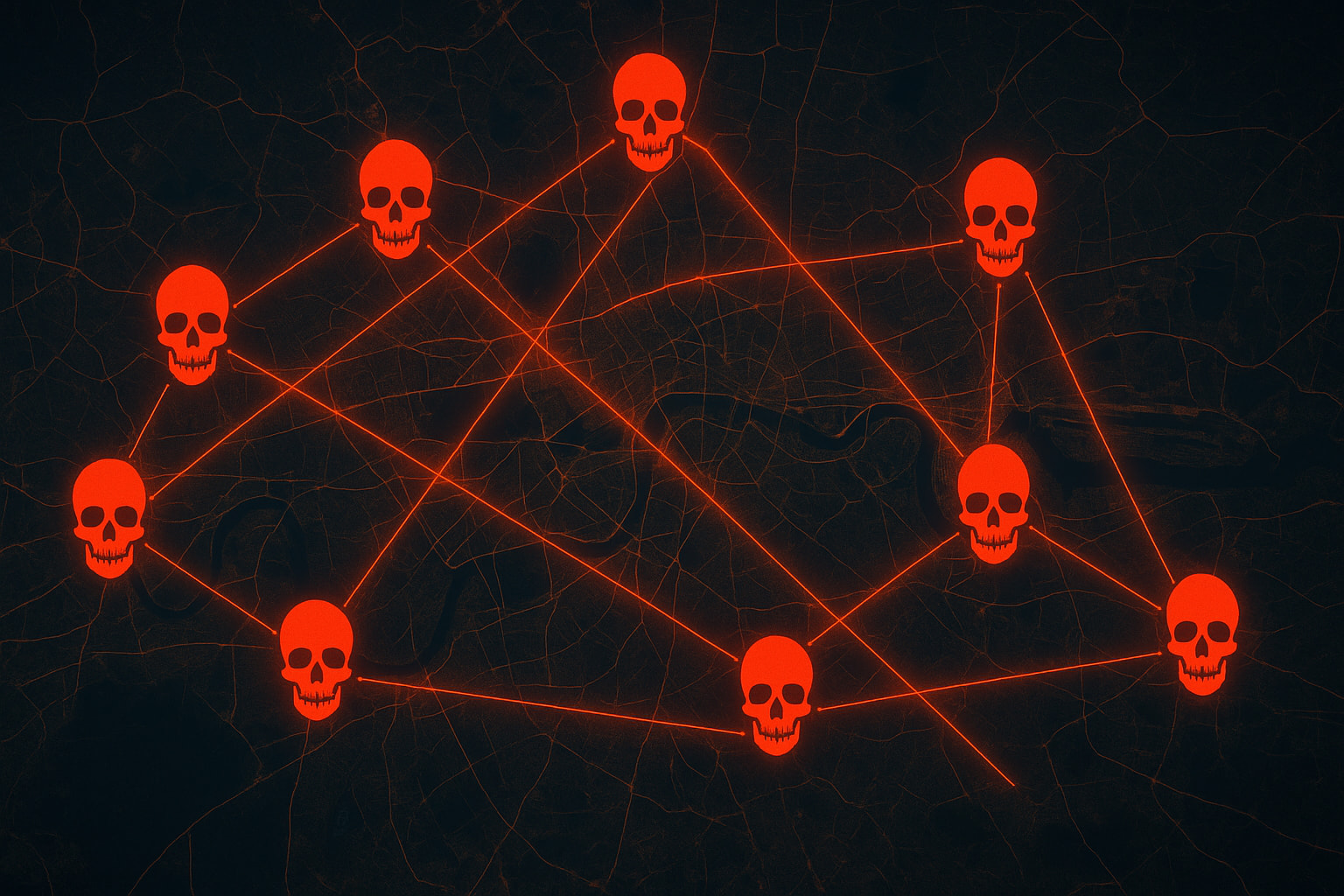
Multiple London councils are responding to a cyberattack that has disrupted shared IT systems and raised concerns about data exposure. Kensington and Chelsea and Westminster councils detected the incident on Monday and alerted the Information Commissioner’s Office as investigations began.
The councils say they are working with specialist incident teams and the National Cyber Security Centre (NCSC) to protect systems and keep key services running. Several platforms have been affected, and staff have been redeployed to support residents through monitored phone lines and email channels.
Hammersmith and Fulham, which shares IT services with the affected councils, has also reported disruption. Local leaders say it is too early to confirm who was responsible or whether personal data has been compromised. Overnight mitigation work has been carried out as monitoring continues.
Security researchers describe indications of a serious intrusion involving lateral movement across shared infrastructure. They warn that attackers may escalate to data theft or encryption, given the sensitivity of the information held by local authorities.
National security agencies and police are assessing the incident’s potential impact. Analysts say the attack highlights long-standing risks facing councils that manage extensive services on limited budgets and with inconsistent cyber safeguards.
Would you like to learn more about AI, tech, and digital diplomacy? If so, ask our Diplo chatbot!
The internet has become part of almost everything we do. It helps us work, stay in touch with friends and family, buy things, plan trips, and handle tasks that would have felt impossible until recently. Most people cannot imagine getting through the day without it.
But there is a hidden cost to all this convenience. Most of the time, online services run smoothly, with countless systems working together in the background. But every now and then, though, a key cog slips out of place.
When that happens, the effects can spread fast, taking down apps, websites, and even entire industries within minutes. These moments remind us how much we rely on digital services, and how quickly everything can unravel when something goes wrong. It raises an uncomfortable question. Is digital dependence worth the convenience, or are we building a house of cards that could collapse, pulling us back into reality?
Warning shots of the dot-com Era and the infancy of Cloud services
In its early years, the internet saw several major malfunctions that disrupted key online services. Incidents like the Morris worm in 1988, which crashed about 10 percent of all internet-connected systems, and the 1996 AOL outage that left six million users offline, revealed how unprepared the early infrastructure was for growing digital demand.
A decade later, the weaknesses were still clear. In 2007, Skype, then with over 270 million users, went down for nearly two days after a surge in logins triggered by a Windows update overwhelmed its network. Since video calls were still in their early days, the impact was not as severe, and most users simply waited it out, postponing chats with friends and family until the issue was fixed.
As the dot-com era faded and the 2010s began, the shift to cloud computing introduced a new kind of fragility. When Amazon’s EC2 and EBS systems in the US-East region went down in 2011, the outage took down services like Reddit, Quora, and IMDb for days, exposing how quickly failures in shared infrastructure can cascade.
A year later, GoDaddy’s DNS failure took millions of websites offline, while large-scale Gmail disruptions affected users around the world, early signs that the cloud’s growing influence came with increasingly high stakes.
By the mid-2010s, it was clear that the internet had evolved from a patchwork of standalone services to a heavily interconnected ecosystem. When cloud or DNS providers stumbled, their failures rippled simultaneously across countless platforms. The move to centralised infrastructure made development faster and more accessible, but it also marked the beginning of an era where a single glitch could shake the entire web.
Centralised infrastructure and the age of cascading failures
The late 2000s and early 2010s saw a rapid rise in internet use, with nearly 2 billion people worldwide online. As access grew, more businesses moved into the digital space, offering e-commerce, social platforms, and new forms of online entertainment to a quickly expanding audience.
With so much activity shifting online, the foundation beneath these services became increasingly important, and increasingly centralised, setting the stage for outages that could ripple far beyond a single website or app.
The next major hit came in 2016, when a massive DDoS attack crippled major websites across the USA and Europe. Platforms like Netflix, Reddit, Twitter, and CNN were suddenly unreachable, not because they were directly targeted, but because Dyn, a major DNS provider, had been overwhelmed.
The attack used the Mirai botnet malware to hijack hundreds of thousands of insecure IoT devices and flood Dyn’s servers with traffic. It was one of the clearest demonstrations yet that knocking out a single infrastructure provider could take down major parts of the internet in one stroke.
In 2017, another major outage occurred, with Amazon at the centre once again. On 28 February, the company’s Simple Storage Service (S3) went down for about 4 hours, disrupting access across a large part of the US-EAST-1 region. While investigating a slowdown in the billing system, an Amazon engineer accidentally entered a typo in a command, taking more servers offline than intended.
That small error was enough to knock out services like Slack, Quora, Coursera, Expedia and countless other websites that relied on S3 for storage or media delivery. The financial impact was substantial; S&P 500 companies alone were estimated to have lost roughly 150 million dollars during the outage.
Amazon quickly published a clear explanation and apology, but transparency could not undo the economic damage nor (yet another) sudden reminder that a single mistake in a centralised system could ripple across the entire web.
Outages in the roaring 2020s
The S3 incident made one thing clear. Outages were no longer just about a single platform going dark. As more services leaned on shared infrastructure, even small missteps could take down enormous parts of the internet. And this fragility did not stop at cloud storage.
Over the next few years, attention shifted to another layer of the online ecosystem: content delivery networks and edge providers that most people had never heard of but that nearly every website depended on.
The 2020s opened with one of the most memorable outages to date. On 4 October 2021, Facebook and its sister platforms, Instagram, WhatsApp, and Messenger, vanished from the internet for nearly 7 hours after a faulty BGP configuration effectively removed the company’s services from the global routing table.
Millions of users flocked to other platforms to vent their frustration, overwhelming Twitter, Telegram, Discord, and Signal’s servers and causing performance issues across the board. It was a rare moment when a single company’s outage sent measurable shockwaves across the entire social media ecosystem.
But what happens when outages hit industries far more essential than social media? In 2023, the Federal Aviation Administration was forced to delay more than 10,000 flights, the first nationwide grounding of air traffic since the aftermath of September 11.
A corrupted database file brought the agency’s Notice to Air Missions (NOTAM) system to a standstill, leaving pilots without critical safety updates and forcing the entire aviation network to pause. The incident sent airline stocks dipping and dealt another blow to public confidence, showing just how disruptive a single technical failure can be when it strikes at the heart of critical infrastructure.
Outages that defined 2025
The year 2025 saw an unprecedented wave of outages, with server overloads, software glitches and coding errors disrupting services across the globe. The Microsoft 365 suite outage in January, the Southwest Airlines and FAA synchronisation failure in April, and the Meta messaging blackout in July all stood out for their scale and impact.
But the most disruptive failures were still to come. In October, Amazon Web Services suffered a major outage in its US-East-1 region, knocking out everything from social apps to banking services and reminding the world that a fault in a single cloud region can ripple across thousands of platforms.
Just weeks later, the Cloudflare November outage became the defining digital breakdown of the year. A logic bug inside its bot management system triggered a cascading collapse that took down social networks, AI tools, gaming platforms, transit systems and countless everyday websites in minutes. It was the clearest sign yet that when core infrastructure falters, the impact is immediate, global and largely unavoidable.
And yet, we continue to place more weight on these shared foundations, trusting they will hold because they usually do. Every outage, whether caused by a typo, a corrupted file, or a misconfigured update, exposes how quickly things can fall apart when one key piece gives way.
Going forward, resilience needs to matter as much as innovation. That means reducing single points of failure, improving transparency, and designing systems that can fail without dragging everything down. The more clearly we see the fragility of the digital ecosystem, the better equipped we are to strengthen it.
Outages will keep happening, and no amount of engineering can promise perfect uptime. But acknowledging the cracks is the first step toward reinforcing what we’ve built — and making sure the next slipped cog does not bring the whole machine to a stop.
The smoke and mirrors of the digital infrastructure
The internet is far from destined to collapse, but resilience can no longer be an afterthought. Redundancy, decentralisation and smarter oversight need to be part of the discussion, not just for engineers, but for policymakers as well.
Outages do not just interrupt our routines. They reveal the systems we have quietly built our lives around. Each failure shows how deeply intertwined our digital world has become, and how fast everything can stop when a single piece gives way.
Will we learn enough from each one to build a digital ecosystem that can absorb the next shock instead of amplifying it? Only time will tell.
Would you like to learn more about AI, tech, and digital diplomacy? If so, ask our Diplo chatbot!
OpenAI has unveiled an updated ChatGPT interface that combines voice and text features in a single view. Users can speak naturally at any point in a chat and receive responses in text, audio, or images. The new layout also introduces real-time map displays.
The redesign adds a scrolling transcript within the chat window. It allows users to revisit earlier exchanges and move easily between reading and listening. OpenAI states that the goal is to support voice-led tasks without compromising clarity.
With the unified experience, conversations no longer require switching modes. ChatGPT can deliver audio, written, and visual replies simultaneously. Maps and images appear directly alongside the voice response.
Every spoken message is automatically transcribed. However, this helps users follow more extended discussions and keep a record for later reference. OpenAI says the feature supports both accessibility and everyday convenience.
The update is rolling out gradually across web and mobile platforms. Users who prefer the earlier voice-only layout can revert to it in settings. OpenAI says the unified mode will remain the default as development continues.
Would you like to learn more about AI, tech, and digital diplomacy? If so, ask our Diplo chatbot!