Chinese e-commerce giant Alibaba has agreed to a $433.5 M settlement to resolve a US class-action lawsuit accusing the company of monopolistic practices. The lawsuit, filed in 2020, claimed that Alibaba misled investors by denying any anti-monopoly or unfair competition violations while allegedly pressuring merchants to stick to a single platform.
Although Alibaba denies any wrongdoing, the company opted for the settlement to avoid the costs and potential disruptions associated with prolonged legal battles. The settlement, which covers investors in Alibaba’s American depositary shares between 13 November 2019, and 23 December 2020, is pending approval from US District Judge George Daniels in Manhattan.
Lawyers for the plaintiffs have praised the deal, describing it as “an exceptional result” considering the potential damages in the case. Had the investors continued litigating, they could have sought up to $11.63 B in damages, far beyond the settlement amount. Approval of the settlement would mark the end of a major legal challenge for Alibaba, as it seeks to move forward from a period of regulatory scrutiny.
Kraken, a prominent cryptocurrency exchange, is set to unveil its new blockchain platform, Ink, in early 2025. The initiative marks a strategic shift towards decentralised finance (DeFi), empowering users to trade, borrow, and lend assets without intermediaries, a departure from Kraken’s traditional centralised operations. Ink aims to streamline DeFi access, making it more user-friendly and cost-effective.
The blockchain, inspired by similar efforts like Binance’s BNB Smart Chain and Coinbase’s Base, will launch without a native token but will include DeFi tools such as decentralised exchanges (DEXs) and yield-generating platforms, all accessible through the Kraken Wallet app. Kraken also plans to serve as Ink’s primary sequencer, managing network transactions and generating revenue, a model that has proven profitable for competitors.
Kraken introduced a derivatives trading platform in Bermuda on 3 October, following the receipt of a Class F Digital Business Licence from the Bermuda Monetary Authority in July. This expansion allows Kraken to provide digital asset wallet services, as well as futures and derivatives trading, aiming to capitalise on the growing market demand for these offerings.
South Korea has unveiled plans to regulate cross-border cryptocurrency transactions, set to take effect in the latter half of 2025. The forthcoming regulations will mandate that businesses engaged in virtual asset trading across international borders register with relevant authorities and provide monthly transaction reports to the Bank of Korea. This initiative aims to enhance transparency and oversight in a rapidly evolving market that has seen explosive growth in recent years.
The move comes in response to alarming statistics from the customs agency, which revealed that since 2020, foreign exchange-related crimes have amounted to 11 trillion won (approximately $7.97 billion). Notably, over 80% of these crimes have involved virtual assets, highlighting the need for stricter controls. The South Korean government is prioritising legislative measures to ensure the successful implementation of these regulations within the next 18 months, reflecting its commitment to combating financial crime and protecting investors.
By introducing these regulations, South Korea aims to create a safer environment for cryptocurrency transactions, aligning with global efforts to establish clearer frameworks for digital asset trading. As countries worldwide grapple with the implications of cryptocurrency, South Korea’s proactive stance may serve as a model for other nations looking to regulate the digital asset space effectively.
The Dutch government has invited public input on a new law proposal aimed at increasing transparency around cryptocurrency ownership. The legislation would require crypto service providers to collect and share user data with the local tax authority, aligning with the European Union’s reporting requirements to reduce tax evasion. According to the Netherlands’ Ministry of Finance, the law will not change current tax obligations for Dutch crypto owners, who are already required to declare their assets.
Under these new rules, the Dutch tax authority would share collected data on EU residents with other member states, as per the EU’s DAC8 crypto tax reporting framework. Additionally, non-EU countries that adhere to the OECD’s Crypto-Asset Reporting Framework, such as the United States and the United Kingdom, would receive relevant data through international cooperation agreements.
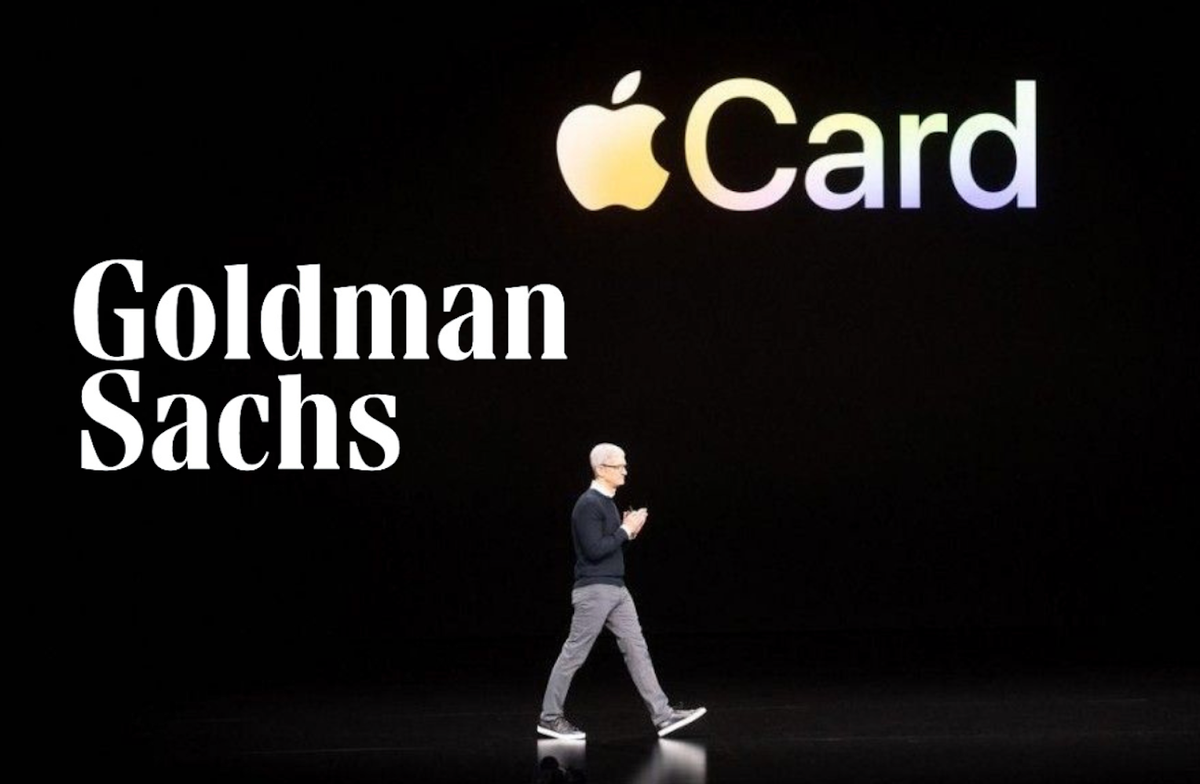
The United States has fined Apple and Goldman Sachs $89 million for allegedly misleading customers of their co-branded Apple Card and mishandling customer service. The Consumer Financial Protection Bureau (CFPB) accused both companies of failing to address user complaints properly and causing confusion over interest-free payment plans, impacting hundreds of thousands of Apple Card holders since its launch in 2019.
According to the CFPB, Apple did not forward thousands of customer disputes to Goldman Sachs, who also failed to follow federal guidelines in investigating the claims. Furthermore, the companies were found to have misled customers into believing that purchases of Apple products made with the Apple Card would qualify for automatic interest-free payments, resulting in unexpected charges for many.
CFPB Director Rohit Chopra stated that big tech and Wall Street firms are not exempt from federal laws, banning Goldman Sachs from issuing new consumer credit cards until it complies with regulatory standards. The bureau also criticised both companies for launching the Apple Card despite early technological issues, which led to delayed refunds and even damaged some users’ credit scores.
In response, Goldman Sachs and Apple said they had worked to address the issues, while Apple disputed the CFPB’s interpretation of events. Goldman Sachs has been ordered to pay $19.8 million in compensation and a $45 million fine, with Apple receiving a $25 million penalty.
China has reaffirmed its support for Apple’s business operations in the country, welcoming further expansion by the US tech company. In a meeting with Apple CEO Tim Cook, Chinese Commerce Minister Wang Wentao stated that Apple is welcome to deepen its presence in the Chinese market, according to a statement from the ministry. This sentiment aligns with earlier discussions between Cook and China’s Minister for Industry and Information Technology in Beijing.
Wang highlighted China’s interest in stabilising Sino-US economic and trade relations, expressing a commitment to returning these ties to a healthier state through ongoing communication between the government and businesses. Such exchanges, he said, could foster a stronger, more stable trade partnership between the two countries.
China’s government also assured foreign companies, including Apple, of continued improvements to its business environment and high-quality services, signalling its openness to international investments. However, Wang emphasised that prioritising national security over trade cooperation could harm these efforts, subtly suggesting that an overemphasis on security concerns may disrupt normal economic interactions.
The UK government is reintroducing its ‘Data (Use and Access) Bill’ to reform data regulations, projecting a £10B economic boost through streamlined data access and use. Aimed at enhancing efficiency in public sectors like healthcare and law enforcement, the bill also proposes expansions for digital identity verification, open-data projects, and digital registries. Technology Secretary Peter Kyle emphasised the potential to free public sector resources and reduce red tape, allowing people to focus on essential services.
The new bill also incorporates measures to improve data access for researchers, particularly on online risks, echoing aspects of the EU’s Digital Services Act. However, digital rights advocates like Open Rights Group have raised concerns, noting that the bill limits public protections against automated decisions by excluding regular personal data from the scope. This could allow organisations to make impactful automated decisions in areas such as employment and immigration without significant human oversight.
As the Bill reintroduces data reforms while retracting controversial proposals from the previous government, it also addresses updates to marketing rules and fines for privacy violations. These include cookie consent changes and stricter guidelines for unsolicited marketing. By adjusting these regulations, the UK government aims to keep pace with evolving digital standards while ensuring economic growth and improved public service delivery.
Garanti BBVA, Ripple, and IBM have joined forces to significantly enhance Garanti BBVA Kripto’s digital asset platform, addressing the rapidly growing demand for secure, reliable trading and storage solutions for over 14,000 users in Turkey. By leveraging Ripple’s transaction services alongside IBM’s advanced custody solutions, Garanti BBVA Kripto provides a secure environment for digital assets, including BTC, ETH, and USDC.
Furthermore, the Ripple-IBM partnership delivers an institutional-grade infrastructure incorporating essential security features, such as data encryption, isolated customer environments, and hardware security modules. Consequently, this setup ensures compliance with regulatory standards and establishes a robust governance framework to protect customer data and mitigate risks from potentially malicious actors. In addition, IBM’s sustainable infrastructure, powered by IBM LinuxONE, enables Garanti BBVA Kripto to maintain a high-performance and eco-friendly platform.
As a result of this partnership, Garanti BBVA, Ripple, and IBM are now better positioned to support Turkey’s burgeoning crypto asset market. Their combined focus on security, performance, and regulatory compliance enables Garanti BBVA Kripto to expand its digital asset offerings and strengthen its presence in the digital economy.
As demand continues to rise, collaboration provides the essential technological backbone for Garanti BBVA Kripto to innovate further and develop a secure, trustworthy, and scalable digital asset management ecosystem.
The International Telecommunication Union (ITU) will prioritise new global standards for AI and digital public infrastructure (DPI), with the aim of fostering interoperability, trust, and inclusivity. The resolution, adopted at the World Telecommunication Standardisation Assembly (WTSA) held in Delhi, was led by India, which has promoted DPI platforms such as Aadhaar and UPI. This adoption underscores DPI’s importance as a technology that can bridge access to essential services across both public and private sectors, sparking particular interest from developing economies.
This year’s WTSA, attended by a record-breaking 3,700 delegates, also introduced standardisation frameworks for sustainable digital transformation, AI, and the metaverse, as well as enhancements to communications in vehicular technology and emergency services. These efforts aim to facilitate safer, more reliable AI innovations, particularly for nations lacking frameworks for emerging technologies. ITU Secretary General Doreen Bogdan-Martin emphasised that strong AI standards are essential for building global trust and enabling responsible tech growth.
India’s influence at WTSA highlights its commitment to shaping the global tech landscape, including standards for next-generation technologies like 6G, IoT, and satellite communications. To that end, the assembly also introduced study group (ITU-T Study Group 21), focusing on multimedia and content delivery standards.
CryptoQuant CEO Ki Young Ju suggests that Bitcoin’s increasing mining difficulty could be a step toward its evolution into a stable digital currency. Mining difficulty, which has surged by 378% over the past three years, reflects growing competition driven by large mining companies with institutional backing. Ju views this rise in competition as beneficial for Bitcoin’s stability and development, projecting that by the 2028 halving event, Bitcoin could reach low volatility levels, making it more appealing as a currency.
Meanwhile, US Bitcoin mining giants like Riot Platforms and Marathon Digital are pushing for pro-crypto legislation by backing a political action committee that will focus on key states. This move, along with institutional and regulatory developments, points towards a future where Bitcoin may be mainstreamed as a peer-to-peer electronic cash system by 2030, fulfilling Satoshi Nakamoto’s original vision.
Though some remain sceptical of Bitcoin’s viability as a global currency, Ju asserts that Bitcoin’s growing infrastructure, alongside regulatory support and reduced volatility, could allow it to transition from an investment to a usable digital currency within the decade.