Meta Platforms is reportedly in talks to build a new data centre campus for its AI projects, potentially costing over $200 billion, according to sources familiar with the matter. The company is considering locations in states like Louisiana, Wyoming, and Texas, with senior executives visiting potential sites this month.
This comes as the AI sector sees a surge in investment, especially following the launch of Microsoft-backed OpenAI’s ChatGPT in 2022. Companies are eager to incorporate AI into their products, leading to significant spending on AI infrastructure.
Despite the report, a Meta spokesperson denied the claims, stating that its data centre plans and capital expenditures have already been disclosed and calling the rest ‘pure speculation’. Meta’s CEO, Mark Zuckerberg, had previously mentioned that the company plans to invest up to $65 billion this year to expand its AI infrastructure.
In comparison, Microsoft has pledged around $80 billion in data centre investments for fiscal 2025, while Amazon has indicated its 2025 spending could exceed $75 billion.
For more information on these topics, visit diplomacy.edu.
Dubai is tightening its regulations on cryptocurrency transparency, with new rules aimed at exposing the identities of major token holders, often referred to as “crypto whales.” The move is part of the emirate’s strategy to combat market manipulation and provide more clarity in the growing digital asset sector. Matthew White, CEO of the Virtual Assets Regulatory Authority (VARA), stated that the regulations will require crypto businesses to disclose the ownership structures of large token holders to improve market transparency and reduce manipulation risks.
While the rules aim to enhance investor confidence, the challenge lies in the pseudonymous nature of cryptocurrency transactions. Most crypto transactions are recorded under wallet addresses rather than real names, making it difficult to trace individuals behind significant holdings. Despite these obstacles, White believes blockchain technology will help regulators track large asset movements and identify potential market manipulation, even if real identities are not fully revealed.
In addition to crypto whale disclosures, VARA is working on other regulations to improve market stability, such as requiring asset issuers and crypto service providers to disclose reserve compositions and undergo independent audits. These measures are designed to prevent sudden market crashes and boost investor confidence, with White confirming that implementing these regulations is a priority for VARA.
Dubai continues to position itself as a global hub for the crypto industry, attracting major firms and issuing licences to crypto businesses. VARA’s efforts are part of the emirate’s broader vision to become a leading financial and technology hub by 2030, and with clear regulations in place, Dubai hopes to provide regulatory certainty that will encourage market growth and stability.
For more information on these topics, visit diplomacy.edu.
European AI-related stocks declined for a second consecutive day on Tuesday, as concerns over Microsoft‘s data centre expansion dampened investor sentiment.
A recent analyst note suggested Microsoft had cancelled major US data centre leases, raising questions about its AI and cloud investment strategy. The uncertainty comes ahead of Nvidia’s upcoming earnings report, which is expected to provide insight into the strength of AI demand.
Companies exposed to data centres and infrastructure saw significant losses, with Germany‘s Siemens Energy and France‘s Schneider Electric continuing their declines from Monday.
Italian cable manufacturer Prysmian and Swiss engineering firm ABB also suffered losses as analysts debated whether Microsoft’s actions signalled a broader trend or a temporary reassessment. Microsoft has maintained that its AI and cloud expansion plans remain unchanged.
Market analysts remain divided, with some viewing the selloff as an overreaction and a potential buying opportunity. The volatility follows last month’s global tech downturn triggered by China‘s low-cost AI model, DeepSeek.
Nvidia’s earnings on Wednesday will be closely watched as investors assess whether AI-related stocks can sustain their high valuations in the face of shifting market dynamics.
For more information on these topics, visit diplomacy.edu.
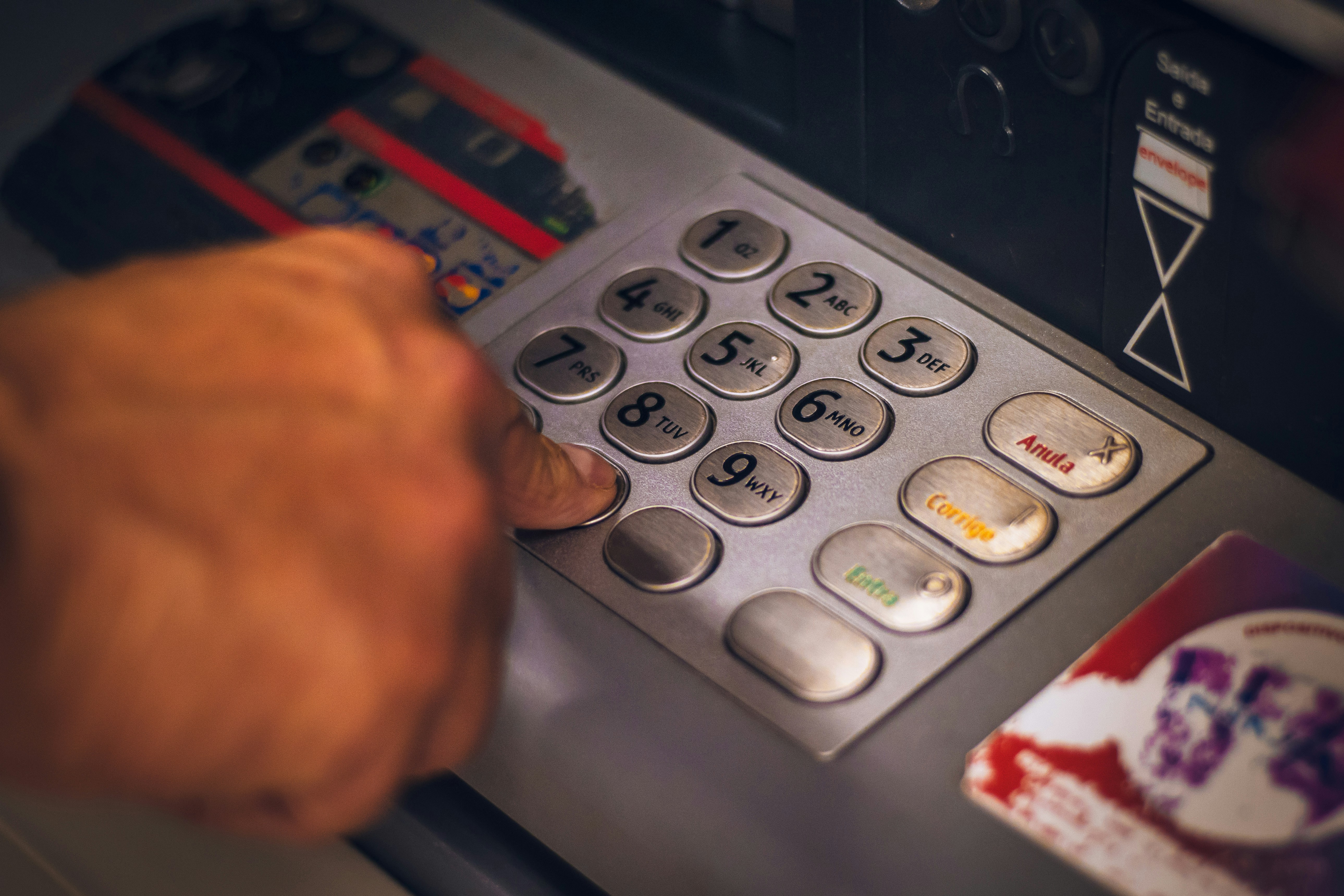
Illinois Senator Dick Durbin has introduced new legislation to tackle fraud at cryptocurrency cash machines, which have become a growing target for scammers. The Crypto ATM Fraud Prevention Act would impose transaction limits and introduce stronger consumer protections, particularly for older adults vulnerable to financial scams. The bill proposes capping new users at $2,000 per day and $10,000 over 14 days, while also requiring ATM operators to contact first-time users making transactions over $500. Victims who report fraud to the police within 30 days would be entitled to full refunds.
Durbin warned that fraudsters are using intimidation tactics to pressure victims into depositing large sums at cryptocurrency cash machines, often impersonating government officials to demand payments for fictitious fines. Reports of such scams have surged, with the Federal Trade Commission recording losses of $114 million linked to these machines in 2023 alone. A shop owner in Springfield, Illinois, even removed a crypto ATM after witnessing elderly customers making large deposits while seemingly being coerced over the phone.
Similar concerns have led several states, including Minnesota, California, and Vermont, to introduce daily transaction limits on cryptocurrency ATMs. Durbin’s bill would allow state-level regulations to remain in place as long as they are not weaker than federal standards. The proposed law would also require ATM operators to establish fraud prevention policies and submit them to the Financial Crimes Enforcement Network. Companies failing to comply could face daily fines of $10,000.
With cryptocurrency cash machines rapidly expanding across the US, lawmakers are pushing for stricter oversight to combat scams and protect consumers. If passed, Durbin’s bill could establish a nationwide framework for regulating these machines and reducing fraudulent activity.
For more information on these topics, visit diplomacy.edu.
Apple is set to begin selling its iPhone 16 in Indonesia following a new agreement with the government, which includes the establishment of a manufacturing plant and a research and development centre. The country’s industry minister, Agus Gumiwang Kartasasmita, confirmed on Wednesday that Apple would soon receive the required local content certificate to allow sales of the device. However, he did not specify when the certificate would be issued.
Indonesia had previously banned the iPhone 16 due to Apple’s failure to meet the local content requirement, which mandates that a certain percentage of parts must be sourced domestically or through local partnerships. Although Apple has no manufacturing facilities in Indonesia, it has been operating developer academies in the country since 2018. Indonesia, with its population of 280 million, is keen to attract more tech-related investment.
Analysts have warned that the local content ban could harm investor confidence and fuel concerns about protectionism, but the new agreements between Apple and the Indonesian government may help address these issues.
For more information on these topics, visit diplomacy.edu.
Alibaba has made its AI model Wan 2.1 publicly available, enhancing competition in video and image generation. The move aligns with growing interest in open-source AI, following the recent rise of cost-effective models from firms such as DeepSeek.
The company introduced four variants of Wan 2.1, capable of generating images and videos from text and image input. Each model supports varying levels of complexity, with the most advanced handling 14 billion parameters for improved accuracy.
In January, the company unveiled an upgraded version of its AI model, later rebranded as Wan, with a focus on generating highly realistic visuals. The model has achieved top rankings on VBench, a leaderboard assessing video generative AI capabilities.
A preview of Alibaba’s reasoning model, QwQ-Max, was also released, with plans for an open-source launch.
The firm announced a $52 billion investment in cloud computing and AI infrastructure over the next three years. The commitment highlights its long-term focus on advancing AI and maintaining a competitive edge in the rapidly evolving sector.
For more information on these topics, visit diplomacy.edu.
Bybit has resumed its trading services in India after securing the necessary registration with Indian authorities, the exchange confirmed on 25 February. The move restores full access to Bybit’s platform for existing users and allows new users to gradually join the platform. The exchange had suspended several services in January due to regulatory challenges while awaiting approval from India’s Financial Intelligence Unit.
With the regulatory requirements now met, Indian users can open new trades and access all of Bybit’s platform features. This return to the Indian market comes at a time when other major exchanges, like Binance, are also vying for market share despite ongoing regulatory scrutiny. The country remains a key focus for crypto firms due to its increasing adoption and trading volumes.
However, Bybit’s recovery comes amidst a challenging period for the platform, following a massive security breach on 21 February. The $1.5 billion hack, the largest crypto heist in history, targeted Bybit’s Ethereum cold wallet. Blockchain analysts have linked the breach to North Korea’s Lazarus Group, known for its previous high-profile cybercrimes, including the Ronin and WazirX hacks.
The Lazarus Group has been involved in laundering stolen assets through decentralised protocols. North Korean hackers have already exceeded $1.34 billion in crypto thefts in 2024, and the figure continues to grow in 2025, posing a serious threat to the crypto sector.
For more information on these topics, visit diplomacy.edu.
Europe’s top court has ruled that Google’s decision to block an Enel e-mobility app from Android Auto could be considered an abuse of market power. The judgment reinforces competition rules and may push major tech firms to allow easier access for rival apps.
The case stemmed from a €102 million fine imposed by Italy’s antitrust authority in 2021 for restricting access to Enel’s JuicePass app.
Google challenged the penalty, arguing security concerns and the absence of a specific app template. However, the Court of Justice of the European Union backed the Italian regulator, stating that dominant companies must ensure interoperability unless valid security risks exist.
The court clarified that companies should develop necessary templates within a reasonable timeframe.
Although Google has since introduced the requested feature, the ruling may set a precedent for similar cases. Legal experts see it as aligning with EU competition law, citing past decisions against IBM and Microsoft.
The ruling also supports the objectives of the Digital Markets Act, which aims to regulate dominant digital platforms.
The decision is final and unappealable, meaning the Italian Council of State must now rule on Google’s appeal in line with the court’s findings.
For more information on these topics, visit diplomacy.edu.
Italy is demanding 12.5 million euros ($13 million) from Elon Musk’s social network X following a tax probe linked to a broader investigation into Meta. The case, which focuses on value-added tax (VAT) claims for the years 2016 to 2022, is significant as it raises questions about how social networks provide access to their services. Italian tax authorities argue that user registrations on platforms like X, Facebook, and Instagram should be considered taxable transactions, as they involve the exchange of personal data for a membership account.
This case could have major implications for the tech sector in Europe, potentially altering the way business models are structured in the 27-nation European Union, as VAT is a harmonised EU tax. Although the claim of 12.5 million euros is a small amount for X, the outcome of this case could influence future tax policies across the region. Both X and Meta must respond to the tax authority’s observations by late March or early April, with the option to either accept the charges or challenge them in court.
The investigation also comes at a sensitive time, as US President Donald Trump has criticised digital taxes in countries like Italy that target US tech firms. Musk, who has strong ties with Italian Prime Minister Giorgia Meloni, is also keen to expand his Starlink business in the country. If no agreement is reached, Italy’s Revenue Agency may pursue a lengthy judicial review, which could take up to 10 years to resolve.
For more information on these topics, visit diplomacy.edu.
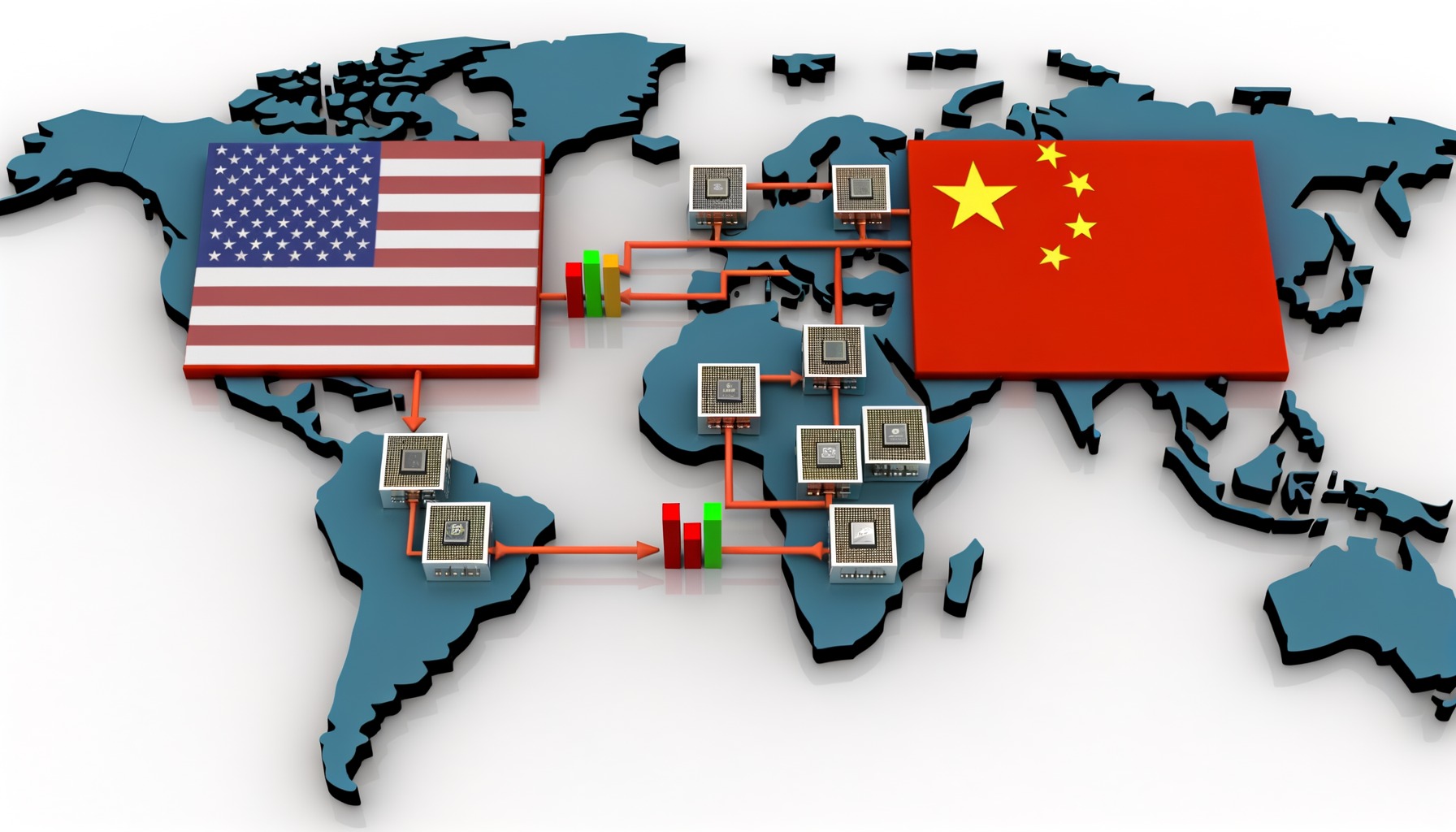
China has warned that the United States‘ efforts to pressure other nations into targeting its semiconductor industry will ultimately backfire.
During a regular press briefing, Chinese foreign ministry spokesperson Lin Jian criticised Washington’s approach, arguing that it would disrupt the global semiconductor supply chain and hinder industry development worldwide.
Lin Jian emphasised that such actions not only undermine fair competition but also threaten the stability of the global technology market.
Tensions between the US and China over semiconductor access have escalated in recent years, with Washington implementing export controls and encouraging its allies to adopt similar measures.
Beijing has consistently opposed these restrictions, calling them politically motivated attempts to curb China’s technological progress.
For more information on these topics, visit diplomacy.edu.