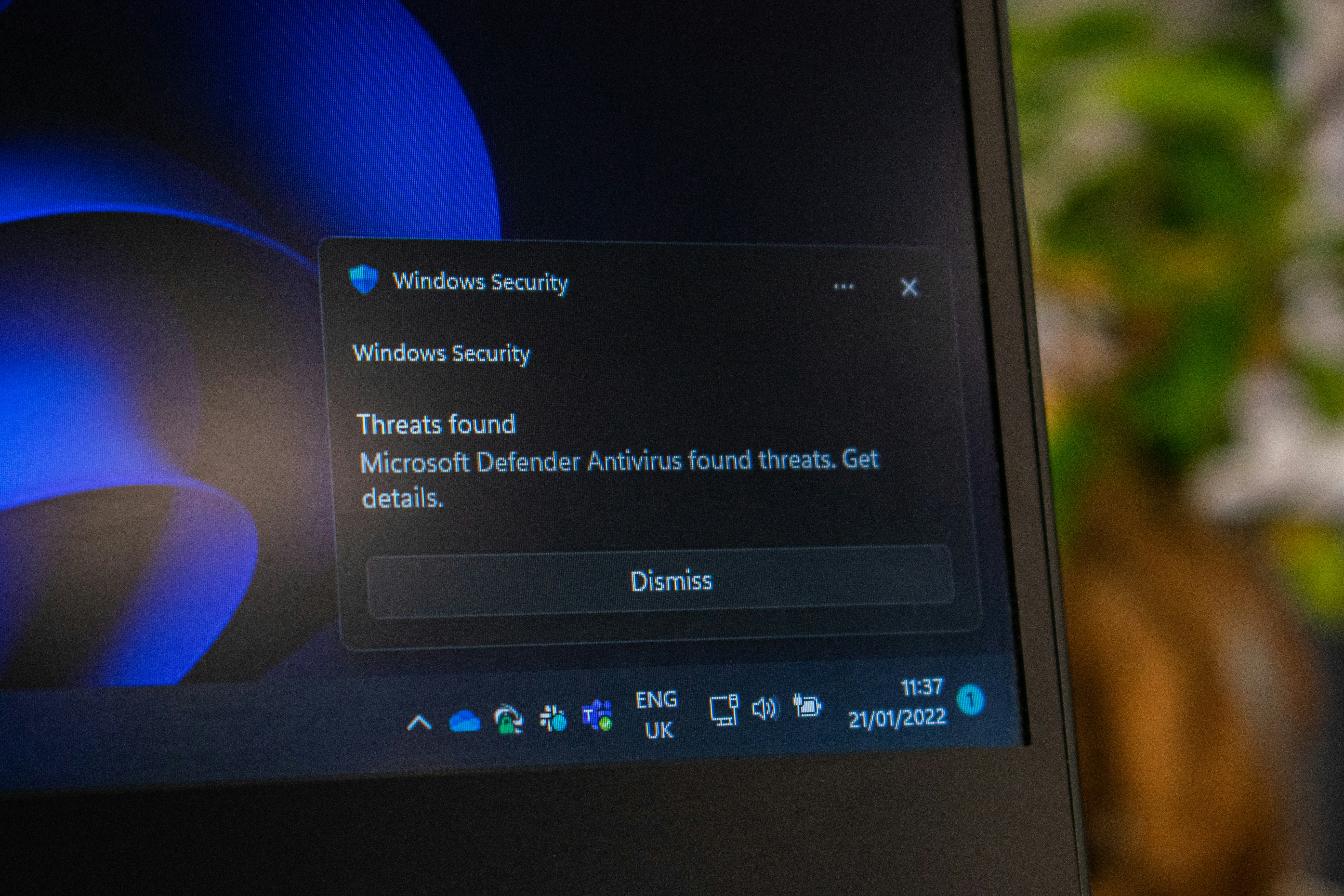
Microsoft warns of new malware targeting cryptocurrency wallets

Microsoft has issued a warning about StilachiRAT, a newly discovered malware that steals cryptocurrency wallet data and sensitive browser information.

The trojan is designed to evade detection while extracting credentials from over 20 different wallets, including MetaMask, Trust Wallet, and Coinbase.

The malware actively scans for cryptocurrency wallet extensions in Google Chrome and monitors clipboard actions for copied keys and passwords.

Attackers can use the stolen data to drain victims’ funds. StilachiRAT also enables remote command execution, allowing cybercriminals to manipulate system settings and maintain control over infected devices.

Beyond stealing data, the malware gathers detailed information about the compromised system, including OS details and hardware identifiers.

It even monitors Remote Desktop Protocol sessions, enabling attackers to impersonate users and spread further across networks.

Microsoft has not yet linked StilachiRAT to a specific threat actor but emphasises the need for caution. Users are advised to download software only from official sources, enable Microsoft Defender real time protection, and use SmartScreen to block malicious websites.

For more information on these topics, visit diplomacy.edu

Apple loses appeal against German regulators

Apple has lost its appeal against a regulatory decision that could impose stricter controls on the company in Germany.

The Federal Court of Justice upheld a 2023 ruling by the country’s competition authority, which classified Apple as a company of ‘paramount cross-market significance for competition,’ placing it under closer scrutiny.

A decision like this means Apple will face potential regulatory measures similar to those imposed on tech giants such as Google’s parent company, Alphabet, and Facebook’s owner, Meta.

The ruling follows a judge’s earlier indication in January that the court would side with the regulator. Apple had attempted to involve the European Court of Justice in Luxembourg, but the request was denied.

In Europe, Apple’s App Store has come under increasing scrutiny, with regulators expressing concerns over how the company collects and utilises vast amounts of user data. This latest setback adds to Apple’s ongoing legal and regulatory challenges in the region.

For more information on these topics, visit diplomacy.edu.

US administration in talks with multiple buyers for TikTok

US Vice President JD Vance expects the broad terms of a deal to resolve TikTok’s ownership dispute to be in place by the April 5 deadline, according to White House officials.

The platform’s future has been uncertain since a law requiring its Chinese parent company, ByteDance, to sell the app or face a ban was enacted in January. President Donald Trump signed an executive order delaying the law’s enforcement by 75 days, allowing time for negotiations.

The White House has assigned Vance and national security adviser Michael Waltz to oversee the potential sale. Trump confirmed that discussions were ongoing with four interested groups.

Vance, speaking to NBC News, expressed confidence that an agreement would be reached to create an independent US-owned TikTok while addressing national security concerns. Some details of the deal may still require further negotiation after the April deadline.

Neither TikTok nor ByteDance has commented on the ongoing discussions. The proposed sale comes amid broader concerns about data security and foreign ownership of social media platforms.

The Biden administration had previously attempted to push for divestment, but legal challenges delayed action. The latest developments suggest that Washington is moving closer to a resolution on the issue.

For more information on these topics, visit diplomacy.edu.

London court holds secret hearing on Apple’s cloud encryption dispute

A London court has reportedly heard Apple’s appeal against a British government order requiring it to provide access to encrypted cloud storage.

The hearing, held at the Investigatory Powers Tribunal on Friday, took place behind closed doors, with no media or civil rights groups allowed to attend.

The case stems from a ‘technical capability notice’ issued to Apple, which allegedly compelled the company to create a backdoor into its encrypted services. In response, Apple removed its Advanced Data Protection feature for new users in Britain.

Neither Apple nor the UK government has confirmed the existence of the order, but reports suggest it has raised concerns among privacy advocates and foreign governments.

Civil rights groups, including Privacy International and Liberty, have condemned the secrecy of the proceedings, calling the order ‘unacceptable and disproportionate.’

Critics argue that allowing governments to bypass encryption undermines privacy and security for users worldwide. The issue has drawn international attention, with United States officials investigating whether Britain’s actions violated the CLOUD Act, which restricts demands for US citizens’ data.

Government officials have remained tight-lipped, with the Home Office refusing to comment and security ministers maintaining a policy of neither confirming nor denying such notices.

While authorities argue that encryption access is essential for tackling serious crimes, opponents warn that weakening security protections could have far-reaching consequences. The case highlights ongoing tensions between governments and tech companies over privacy, security, and law enforcement.

For more information on these topics, visit diplomacy.edu.

Kyrgyzstan introduces USDKG, a gold-backed stablecoin

Kyrgyzstan has officially launched USDKG, a gold-backed stablecoin that is entirely backed by the government, marking a significant shift in the nation’s digital currency strategy.

The decision to focus on a gold-backed model contrasts with the global trend of using fiat currencies, like the US dollar, to support stablecoins. The move is seen as pragmatic, especially in a time of uncertainty around cryptocurrency regulations.

Gold, historically considered a hedge against economic volatility, is now being used as collateral to back the stablecoin.

The government hopes that this will instil more trust among users compared to stablecoins backed by traditional digital currencies. However, it remains to be seen whether this approach will gain traction globally, as nations like Abu Dhabi also explore alternative asset-backed stablecoins, such as AE Coin.

Kyrgyzstan’s gold-backed stablecoin strategy is part of a broader trend where countries and corporations are increasingly adopting stablecoins to enhance digital finance.

The Bahamas introduced the Sand Dollar in 2020, becoming the first country to launch a central bank digital currency (CBDC). Meanwhile, Wyoming in the US is planning to launch its stablecoin in early 2025, and private companies, such as Braza, are integrating stablecoins into global payment systems.

USDKG’s success will largely depend on how effectively Kyrgyzstan manages its gold reserves and maintains transparency to ensure user confidence. If successful, this model could inspire other nations to move away from fiat-backed stablecoins, offering a more stable and tangible alternative.

For more information on these topics, visit diplomacy.edu

Pavel Durov granted temporary leave from France in legal case

French authorities have granted Pavel Durov, the Russian-born founder and CEO of Telegram, temporary permission to leave France.

Durov was placed under formal investigation last August over alleged criminal activities on the messaging platform and had been barred from leaving the country. He departed for Dubai on Saturday after an investigating judge approved his temporary absence.

The legal probe has heightened tensions between France and Russia, particularly against the backdrop of the war in Ukraine.

Prosecutors suspect Durov of complicity in allowing illegal activities such as drug trafficking and money laundering on Telegram. As part of his legal obligations, he was required to post bail of 5 million euros ($5.4 million).

Being under formal investigation in France does not imply guilt but indicates that judges believe there is sufficient evidence to continue the case. The Paris prosecutor’s office has not commented on the latest developments.

For more information on these topics, visit diplomacy.edu.

Treasury eyes AI-driven future as IRS technology review begins

The US Internal Revenue Service (IRS) is pausing its technology modernisation efforts to evaluate the impact of AI on tax collection and operations, a senior official announced.

The review will include recent initiatives such as the Direct File system, which allows US taxpayers to submit returns for free. AI-driven advancements in customer service and data processing have raised questions about the agency’s long-term strategy.

As the Trump administration prepares for widespread staff reductions in federal agencies, a source familiar with IRS plans indicated that up to a quarter of the agency’s workforce could be cut.

The IRS has not confirmed specific numbers but acknowledged that changes in technology could lead to a realignment of staff. Treasury Secretary Scott Bessent has expressed confidence that AI will improve tax collection efficiency, though no official budget or workforce reduction targets have been set.

The pause reflects shifting priorities in IRS funding, which was originally bolstered by the 2022 Inflation Reduction Act. Republican lawmakers have pushed to reduce the agency’s modernisation budget, arguing that enhanced funding could lead to unnecessary audits.

Despite the pause, the IRS has assured taxpayers that the 2025 filing season will not be affected, with tax returns and refunds continuing as usual.

For more information on these topics, visit diplomacy.edu.

Thailand’s CIB uncovers illegal crypto mining rig network

Thailand’s Central Investigation Bureau (CIB) seized 63 illegal crypto-mining machines in a raid on Friday, marking a significant step in cracking down on illicit operations in the country.

The mining rigs, valued at approximately 2 million baht ($60,000), were discovered hidden in three abandoned houses in Pathum Thani province.

The raid followed complaints from locals about stolen electricity, with suspicions that it was being used for cryptocurrency mining.

Crypto mining requires substantial power, and the stolen electricity resulted in significant losses, with authorities estimating damages to the Metropolitan Electricity Authority at over 11 million baht ($327 million).

Along with the mining rigs, officials seized equipment including controllers, routers, and modified electricity meters. However, the operations were remotely controlled, so no arrests were made.

The illegal operation appears to have connections to a luxury house in Bangkok’s Khan Na Yao district, where further investigations are underway.

Authorities are concerned not only about the financial losses but also the fire hazard posed by these high-power mining activities, which were carried out without any human supervision.

Illegal crypto mining has been a persistent issue in Thailand and Southeast Asia, with several large operations dismantled in recent months.

In previous raids, authorities seized nearly 1,000 mining rigs and shut down illegal farms in Surat Thani province, which had been stealing electricity worth hundreds of thousands of dollars.

For more information on these topics, visit diplomacy.edu

UK watchdog launches enforcement on file-sharing services

The UK’s internet watchdog, Ofcom, has launched a new enforcement programme under the Online Safety Act (OSA), targeting storage and file-sharing services due to concerns over the sharing of child sexual abuse material (CSAM).

The regulator has identified these services as particularly vulnerable to misuse for distributing CSAM and will assess the safety measures in place to prevent such activities.

As part of the enforcement programme, Ofcom has contacted a number of file-storage and sharing services, warning them that formal information requests will be issued soon.

These requests will require the services to submit details on the measures they have implemented or plan to introduce to combat CSAM, along with risk assessments related to illegal content.

Failure to comply with the requirements of the OSA could result in substantial penalties for these companies, with fines reaching up to 10% of their global annual turnover.

Ofcom’s crackdown highlights the growing responsibility for online services to prevent illegal content from being shared on their platforms.

For more information on these topics, visit diplomacy.edu.

EU delays ETIAS launch until late 2026

The European Union has announced that the ETIAS (European Travel Information and Authorisation System) will require visa-free travellers from non-EU countries, including the UK, to obtain authorisation before short stays in the Schengen Area.

Initially planned for 2026, the system has been delayed and is now set to launch in late 2026, with full implementation not expected until 2027. The ETIAS aims to improve border security and will apply to travellers from 60 non-EU countries who don’t need a visa.

To apply for the ETIAS, travellers will need to complete an online application, provide personal details, answer security questions, and pay a €7 fee.

However, this authorisation will be linked to the traveller’s passport and remain valid for three years, or until the passport expires. Also, children under 18 and adults over 70 will be exempt from the fee, though they still need to apply for authorisation.

The ETIAS will not become mandatory until six months after the EU’s Entry/Exit System (EES) is fully operational. The EES, which is set to launch in phases starting in October 2025, will be a registration system for non-EU travellers, including those from the UK and US.

However, due to delays in the installation of necessary technology at Schengen borders, the launch of the ETIAS has been pushed back to late 2026.

For more information on these topics, visit diplomacy.edu.