Fibocom’s AI mobile hotspot promises faster, smarter connectivity

Fibocom has launched its new 5G AI Mobile Hotspot Solution, combining next-generation 5G connectivity with advanced AI-driven voice interaction.

The intelligent mobile hotspot, powered by Fibocom’s customised AI app, supports multilingual voice control, real-time document retrieval, and an AI translation engine covering more than 20 languages with up to 95% accuracy, making it an ideal tool for international communication and travel.

The solution is built on Qualcomm’s QCM4490 platform, featuring an 8-core 4nm CPU with speeds up to 2.4GHz. It supports dual SIM standby, USB 3.1, Ethernet, and boasts 15W fast and reverse charging capabilities.

Fully compliant with 3GPP Release 16, the device achieves downlink speeds up to 2.33Gbps on Sub-6GHz bands and supports Android and Linux operating systems, external cameras, and 1080P displays for broad application use.

Significantly, the mobile hotspot integrates Qualcomm’s next-generation Wi-Fi 7 chipset, offering concurrent dual-band modes and speeds up to BE5800.

Ralph Zhao, Vice President of Fibocom’s MC Product Management Department, said the launch transforms mobile hotspots into intelligent companions, driving forward the integration of 5G, AI, and edge computing technologies.

Would you like to learn more about AI, tech and digital diplomacy? If so, ask our Diplo chatbot!
DeepSeek shifts towards commercial AI products with urgent hiring drive

Chinese AI startup DeepSeek is urgently hiring for product and design roles as it pivots from pure research towards commercialising its large language model technology.

A job notice posted on its official WeChat account called for candidates with experience in product management and visual design to work in Beijing and Hangzhou.

The hiring move reflects DeepSeek’s ambition to create the ‘next generation of intelligent product experience’ centred on its powerful open-source models, following the success of its low-cost R1 reasoning model.

Founded in 2023 by Liang Wenfeng, DeepSeek has quickly made a name for itself by challenging industry giants like OpenAI with affordable, high-performing models.

Its latest models, including the upgraded V3 and upcoming R2, have been praised for their strong reasoning and coding abilities, with open-source availability under the permissive MIT licence.

Major Chinese firms such as Tencent and Baidu have already integrated DeepSeek’s technology into their platforms, boosting its reputation as a major force in China’s AI race.

The rush to recruit product and operational leaders mirrors a wider industry trend as AI firms recognise the critical role of product managers in translating technological breakthroughs into real-world applications.

DeepSeek’s founder has made it clear that creativity and passion outweigh traditional experience in the company’s hiring priorities.

As the global AI industry continues to evolve, DeepSeek’s bold shift from research to product development signals a maturing market with fierce competition on both sides of the Pacific.

Would you like to learn more about AI, tech and digital diplomacy? If so, ask our Diplo chatbot!

India seeks tech parity and trade concessions in US pact talks

India is preparing to urge the United States to ease export controls and grant it access to critical technologies under the proposed bilateral trade agreement. India is aiming for treatment similar to that received by key US allies such as Australia, the UK, and Japan.

Sectors including telecom equipment, biotechnology, AI, pharmaceuticals, quantum computing, and semiconductors are expected to be part of India’s demands, sources said.

Alongside tech access, India plans to request duty concessions for its labour-intensive industries. Key sectors like textiles, gems and jewellery, leather goods, garments, plastics, chemicals, shrimp, oil seeds, grapes, and bananas are high on India’s agenda for reduced tariffs.

These sectors are seen as vital to boosting India’s exports and supporting its domestic workforce. The United States, in return, is seeking tariff reductions for its exports of industrial goods, electric vehicles, wines, petrochemical products, dairy items, and agricultural produce such as apples and tree nuts.

Both sides are aiming to strike a mutually beneficial deal, although balancing these competing priorities could present a major challenge in the negotiations.

Would you like to learn more about AI, tech and digital diplomacy? If so, ask our Diplo chatbot!

SK Telecom begins SIM card replacement after data breach

South Korea’s largest carrier, SK Telecom, began replacing SIM cards for its 23 million customers on Monday following a serious data breach.

Instead of revealing the full extent of the damage or the perpetrators, the company has apologised and offered free USIM chip replacements at 2,600 stores nationwide, urging users to either change their chips or enrol in an information protection service.

The breach, caused by malicious code, compromised personal information and prompted a government-led review of South Korea’s data protection systems.

However, SK Telecom has secured less than five percent of the USIM chips required, planning to procure an additional five million by the end of May instead of having enough stock ready for immediate replacement.

Frustrated customers, like 30-year-old Jang waiting in line in Seoul, criticised the company for failing to be transparent about the amount of data leaked and the number of users affected.

Instead of providing clear answers, SK Telecom has focused on encouraging users to seek chip replacements or protective measures.

South Korea, often regarded as one of the most connected countries globally, has faced repeated cyberattacks, many attributed to North Korea.

Just last year, police confirmed that North Korean hackers had stolen over a gigabyte of sensitive financial data from a South Korean court system over a two-year span.

Would you like to learn more about AI, tech and digital diplomacy? If so, ask our Diplo chatbot!

Trump suggests tariffs could replace income taxes

US President Donald Trump has proposed substantial reductions or even the elimination of federal income taxes once the full impact of import tariffs is realised. In a 27 April post on Truth Social, Trump revealed that the plan would primarily benefit individuals earning less than $200,000 annually.

He added that the government might transition to funding its operations through import tariffs rather than the traditional model, which relies on the Internal Revenue Service (IRS).

Trump’s vision involves creating what he described as an ‘External Revenue Service,’ where revenues would come solely from tariffs. He has suggested that this change could trigger economic benefits similar to those seen in the US during the 19th century, when there was no permanent federal income tax.

Research by Dancing Numbers indicates that such a plan could potentially save the average American significant amounts in lifetime tax payments.

However, the proposal has raised concerns among analysts and financial markets. Despite Trump’s past remarks, doubts exist about how practical this plan could be. His administration has faced criticism for its unpredictable trade policies, which have caused volatility in the stock market and increased bond yields.

Would you like to learn more about AI, tech and digital diplomacy? If so, ask our Diplo chatbot!

Japanese startup Craif raises funds to expand urine-based cancer test

Cancer remains one of the leading causes of death worldwide, with nearly 20 million new cases and 9.7 million deaths recorded in 2022.

In response, Japanese startup Craif, spun off from Nagoya University in 2018, is developing an AI-powered early cancer detection software using microRNA (miRNA) instead of relying on traditional methods.

The company has just raised $22 million in Series C funding, bringing its total to $57 million, with plans to expand into the US market and strengthen its research and development efforts.

Craif was founded after co-founder and CEO Ryuichi Onose experienced the impact of cancer within his own family. Partnering with associate professor Takao Yasui, who had discovered a new technique for early cancer detection using urinary biomarkers, the company created a non-invasive urine-based test.

Instead of invasive blood tests, Craif’s technology allows patients to detect cancers as early as Stage 1 from the comfort of their own homes, making regular screening more accessible and less daunting.

Unlike competitors who depend on cell-free DNA (cfDNA), Craif uses microRNA, a biomarker known for its strong link to early cancer biology. Urine is chosen instead of blood because it contains fewer impurities, offering clearer signals and reducing measurement errors.

Craif’s first product, miSignal, which tests for seven different types of cancers, is already on the market in Japan and has attracted around 20,000 users through clinics, pharmacies, direct sales, and corporate wellness programmes.

The new funding will enable Craif to enter the US market, complete clinical trials by 2029, and seek FDA approval. It also plans to expand its detection capabilities to cover ten types of cancers this year and explore applications for other conditions like dementia instead of limiting its technology to cancer alone.

With a growing presence in California and partnerships with dozens of US medical institutions, Craif is positioning itself as a major player in the future of early disease detection.

Would you like to learn more about AI, tech and digital diplomacy? If so, ask our Diplo chatbot!

Lazarus Group uses fake firms to spread malware to the crypto industry

North Korean hackers, believed to be part of the Lazarus Group, have created fake US businesses to target cryptocurrency developers. According to cybersecurity firm Silent Push, two companies, Blocknovas LLC and Softglide LLC, were set up to infect victims with malicious software.

These companies were established using false information in New York and New Mexico, violating international sanctions.

The attacks involved job offers that led to ‘sophisticated malware deployments,’ aimed at compromising cryptocurrency wallets and stealing credentials. The FBI has since seized the Blocknovas website, which had been used to deceive individuals and distribute malware.

Silent Push noted that multiple victims had fallen victim to the scam, with Blocknovas being the most active front in the campaign.

The phishing operation is just one example of North Korea’s ongoing cyber activities. The Lazarus Group has previously been responsible for high-profile hacks, including the $1.4 billion attack on crypto exchange Bybit in February.

The FBI continues to focus on imposing risks and consequences for those facilitating these cyber operations.

Would you like to learn more about AI, tech and digital diplomacy? If so, ask our Diplo chatbot

Russian governor proposes gas-powered Bitcoin mining solution

A Russian provincial governor has proposed a solution to Bitcoin mining-related energy shortages. He suggested that associated gas from oil drilling sites could power mining operations.

Irkutsk Governor Igor Kobzev suggested that crypto miners collaborate with oil and gas companies to build data centres powered by alternative fuels. The suggestion comes amidst mounting energy concerns, especially after the recent year-round ban on Bitcoin mining in southern Irkutsk.

Governor Kobzev stated that the regional government supports Bitcoin mining but is committed to ensuring reliable electricity for residents and businesses.

He pointed out that mining operations should address the region’s electricity shortages. The government is ready to facilitate partnerships between miners and the oil and gas sectors.

Russian companies like BitRiver and Gazprom Neft have already experimented with using associated gas to power crypto mining facilities.

The Ministry of Energy is reportedly considering additional regional mining bans due to the strain on electricity networks.

Despite concerns, Governor Kobzev supports associated gas-powered mining, viewing it as a solution to reduce flaring and the environmental impact.

Would you like to learn more about AI, tech and digital diplomacy? If so, ask our Diplo chatbot

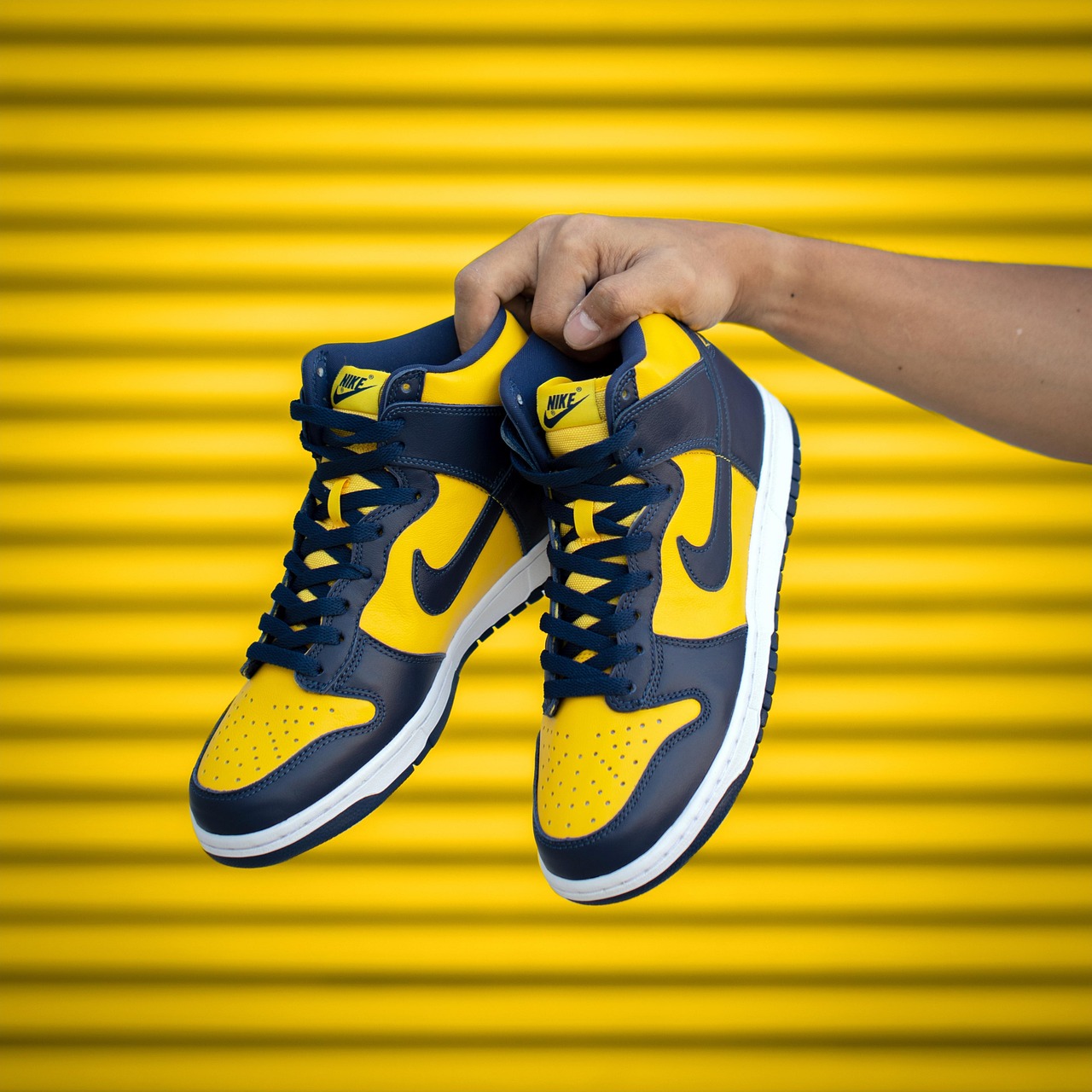
Investors sue Nike for alleged NFT ‘soft rug pull’

Nike faces a proposed $5 million class action lawsuit accusing the sportswear giant of abandoning investors in its sneaker-themed NFTs. Filed on Friday, the complaint alleges that Nike promoted its digital assets through RTFKT. It then pulled back support, causing the NFTs to lose value.

The plaintiffs claim that Nike engaged in a ‘soft rug pull‘ by hyping the NFTs and later winding down RTFKT’s operations. They argue that the NFTs were unregistered securities and that Nike failed to provide key disclosures that registration would have required.

Investors allege they would not have purchased the NFTs if they had known about the risks or Nike’s plans to exit the project.

Even if the NFTs are not classified as securities, the lawsuit contends that Nike’s actions violated consumer protection laws across several US states. Plaintiffs further accuse Nike of unjust enrichment, profiting from NFT sales while leaving buyers with losses.

Nike has not yet responded publicly. Meanwhile, RTFKT’s NFTs briefly disappeared last week due to a hosting issue, compounding concerns among collectors.

Would you like to learn more about AI, tech and digital diplomacy? If so, ask our Diplo chatbot

Coinbase urges the SEC to allow staff to use cryptocurrencies

Coinbase has formally asked US regulators to lift the ban preventing Securities and Exchange Commission (SEC) staff from buying, selling, or using cryptocurrencies that are not considered securities.

Chief Legal Officer Paul Grewal sent letters to SEC Chair Paul Atkins and the US Office of Government Ethics on 22 April.

He argued that the restriction limits the regulators’ ability to oversee the crypto sector properly. Grewal emphasised that the ban is particularly damaging. The SEC is working under a presidential order to propose regulatory reforms supporting America’s leadership in digital finance.

Nearly half the given timeframe has already passed, yet SEC staff remain unable to engage with the technology they are meant to regulate. Coinbase warned that effective oversight requires hands-on experience with crypto assets.

The company also suggested allowing ownership of certain cryptocurrencies under conditions that would prevent conflicts of interest. According to Coinbase, the changes would align with the Office of the Inspector General’s call for regulators to adapt in a rapidly evolving market.

Would you like to learn more about AI, tech and digital diplomacy? If so, ask our Diplo chatbot!